Published on:
 Modified on:

 Reading Time: 8 min
 Scientific Articles
Breast implant rupture is often described as a rare complication in modern surgical practice. However, a critical reading of PubMed-indexed meta-analyses shows that this perception is largely shaped by short follow-up durations and inconsistent detection strategies, rather than true long-term device durability. Across pooled evidence, rupture emerges as a time-dependent and frequently underdiagnosed event, influenced by implant design, clinical context, and critically the intensity of surveillance. Understanding this distinction is essential for accurate risk assessment and informed patient counseling.
 Table of Contents:
-
1
 How the evidence was selected: Criteria for the PubMed meta-analysis evidence base
-
2
Incidence of breast implant rupture: What pooled evidence actually shows
-
3
Implant-related risk factors: What actually influences rupture
-
4
Why rupture rates vary across studies: The detection problem
-
5
Diagnostic outcomes: What meta-analyses reveal about detection accuracy
-
6
Outcomes associated with rupture: Why it matters clinically
-
7
Duration of implantation: The dominant long-term risk factor
-
8
Patients who require closer surveillance
-
9
Clinical implications: What the evidence means for practice
-
10
Key predictors of breast implant rupture risk
-
11
Bibliography: Recent PubMed-indexed meta-analyses considered
How the evidence was selected: Criteria for the PubMed meta-analysis evidence base
A targeted PubMed search strategy was used to identify studies indexed as meta-analyses with direct relevance to breast implant rupture. Priority was given to the most recent pooled studies examining rupture incidence, comparative risk across implant types, diagnostic accuracy of rupture detection, and outcomes following implant failure. Because rupture-specific meta-analyses remain limited, the final evidence base was restricted to five high-relevance studies that collectively address incidence, risk factors, diagnostic performance, and clinical outcomes. This approach reflects the strongest available evidence while avoiding conclusions that extend beyond what pooled data can reliably support.
Incidence of breast implant rupture: What pooled evidence actually shows
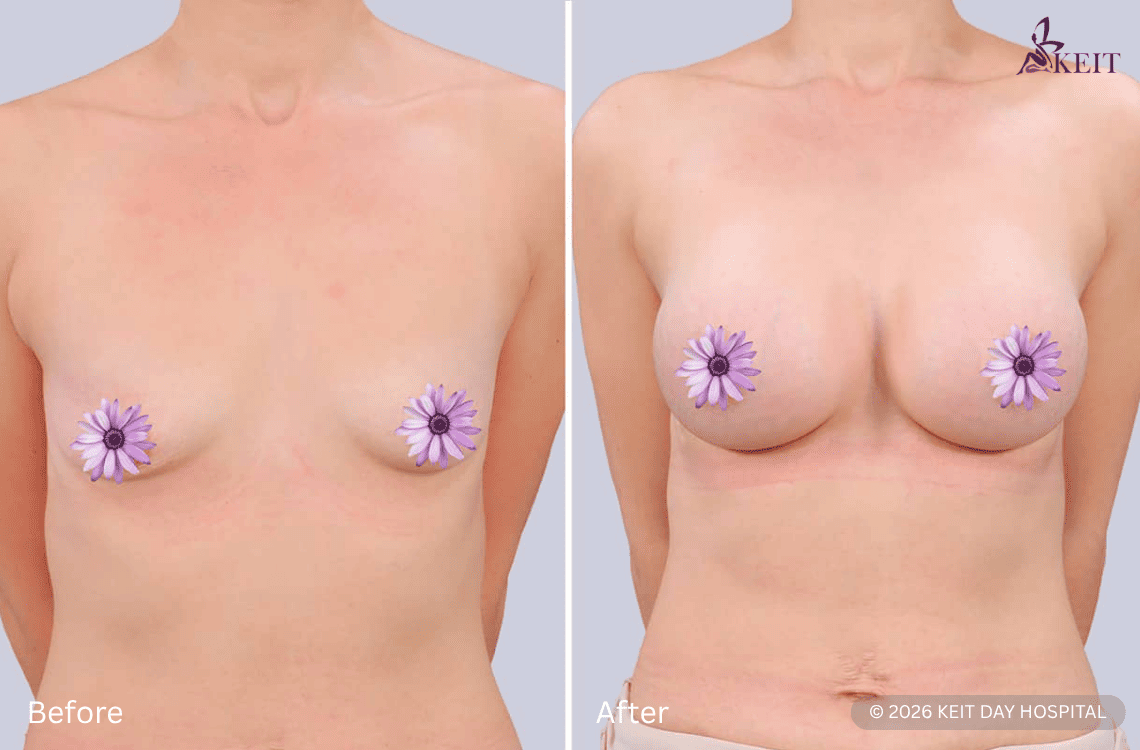
The most recent meta-analytic evidence suggests that breast implant rupture is uncommon in contemporary short- to mid-term cohorts. In a 2026 meta-analysis of 11,686 breasts undergoing transaxillary augmentation, the pooled rupture incidence was reported at approximately 1.0%.
This estimate, however, should be interpreted with caution. Its apparent low incidence likely reflects the characteristics of the available evidence rather than the true long-term probability of implant failure. In particular, the included studies generally involved relatively short follow-up periods, highly selected patient populations, and detection strategies that were not based on systematic imaging surveillance.
As a result, current pooled incidence data are more informative for understanding early postoperative and intermediate-term outcomes than for estimating lifetime rupture risk. In practical terms, the literature is better at answering what happens during the first years after implantation than at defining the eventual probability of device failure over time.
Implant-related risk factors: What actually influences rupture
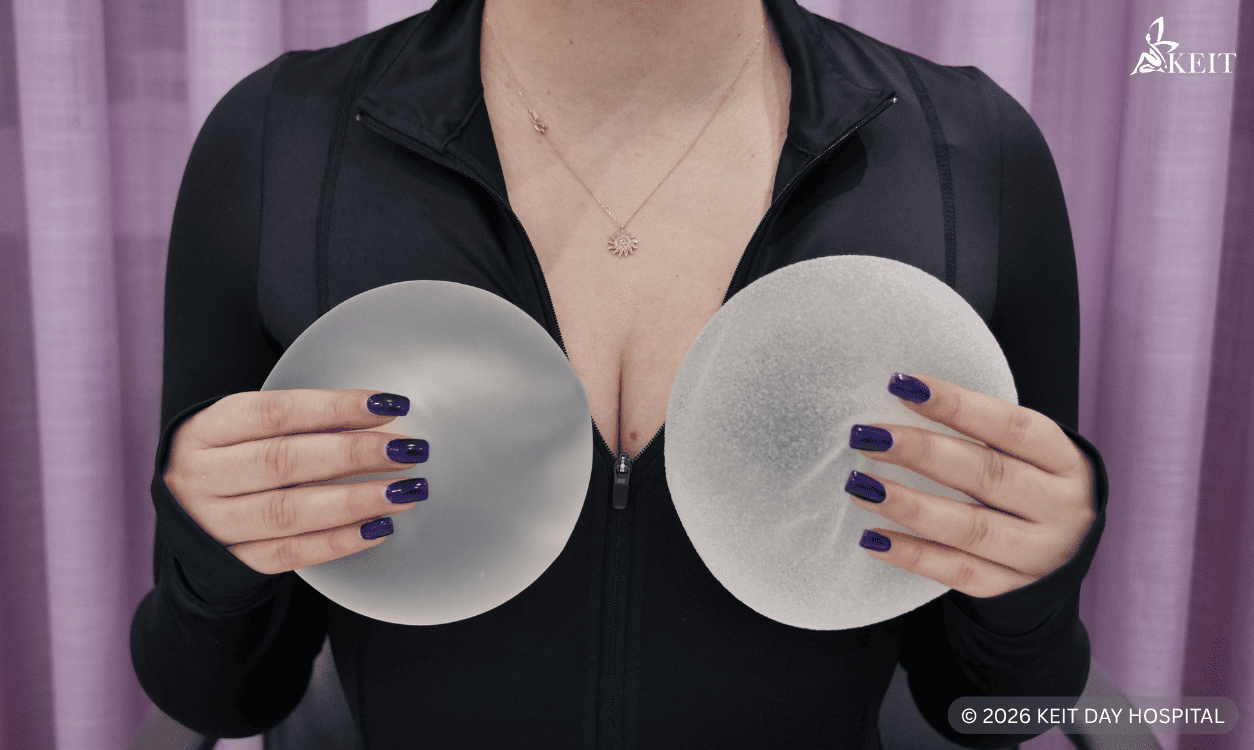
Breast implant rupture is a multifactorial outcome shaped by device characteristics, clinical context, and time in situ rather than by any single isolated variable.
Implant shape and design
A 2021 meta-analysis in reconstruction populations found that shaped implants were associated with lower rupture risk compared with round implants.
Key implications showed that:
- Implant geometry may influence mechanical stress distribution
- The effect appears context-dependent (stronger in reconstruction settings)
- Evidence is largely observational, limiting causal certainty
Surface characteristics: Smooth vs textured implants
A large 2026 meta-analysis including more than 35,000 implants found no significant difference in rupture risk between smooth and textured devices. This finding challenges the common assumption that implant surface alone is a major determinant of rupture. Based on the available pooled evidence, surface characteristics do not appear to independently drive implant failure to a meaningful extent. Instead, rupture risk is more likely to be influenced by broader factors such as duration of implantation, cumulative mechanical stress, and the surrounding tissue environment.
Surgical approach and operative context
A 2026 meta-analysis of transaxillary augmentation demonstrated low rupture rates, suggesting that surgical approach alone is not a dominant risk driver.
Instead, rupture risk appears to accumulate through:
- Prolonged implantation
- Repetitive mechanical loading
- Device aging
Why rupture rates vary across studies: The detection problem
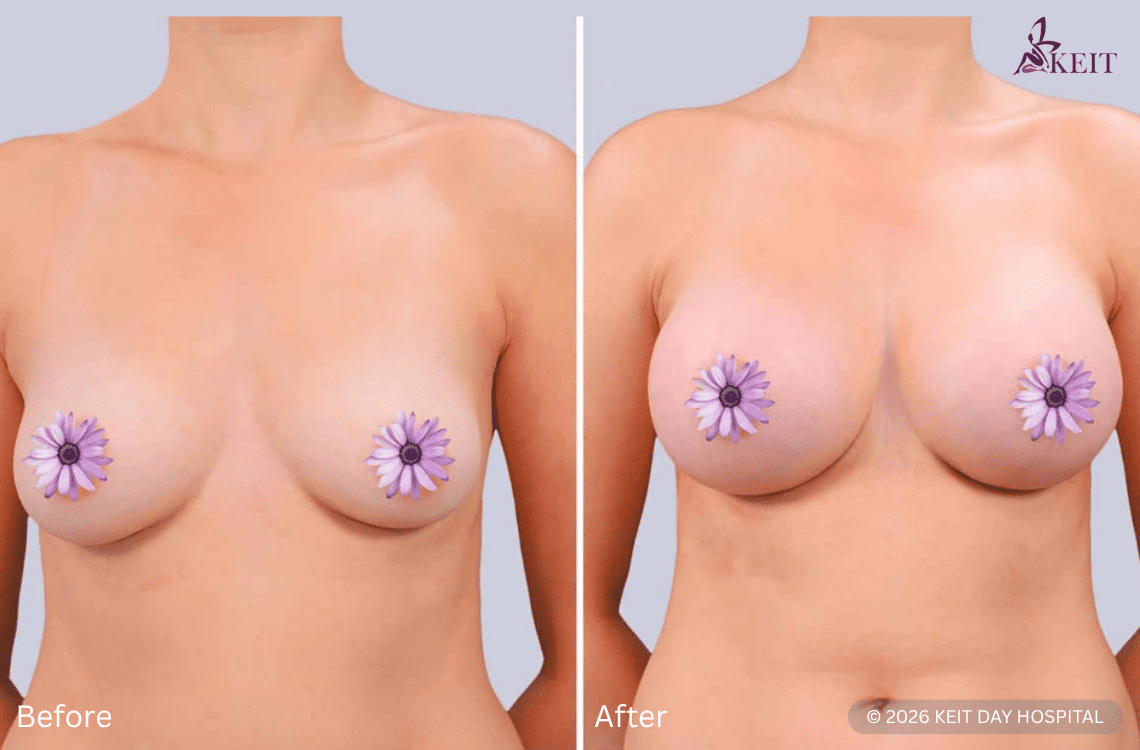
One of the most important limitations in the rupture literature is that reported incidence is highly dependent on how rupture is identified. In other words, rupture rates are not determined by device failure alone, but also by the method used to detect it.
This helps explain why incidence estimates vary so widely across studies. Reported rates are influenced by whether patients are symptomatic, whether imaging is performed routinely or only when clinically indicated, which imaging modality is used, and how long patients are followed after implantation. These differences are especially important in the setting of silent rupture, which may remain undetected for long periods, particularly in patients with silicone implants who do not undergo systematic imaging surveillance.
As a result, rupture is not only underreported in some studies, but often underdetected by design. This is why surgical cohort studies frequently report lower rupture rates, whereas imaging-based studies tend to identify higher rates. The broader implication is that comparisons across studies must be made cautiously, since differences in detection strategy can substantially distort the apparent incidence of rupture.
Diagnostic outcomes: What meta-analyses reveal about detection accuracy
Accurate diagnosis is central to the evaluation and management of breast implant rupture, yet the pooled evidence shows that no imaging modality is perfect.
Ultrasound
A 2021 meta-analysis found that ultrasound has a meaningful role in rupture detection, with the following pooled estimates:
- Sensitivity: 73.7%
- Specificity: 87.8%
- Diagnostic odds ratio: 11.04
These findings support ultrasound as a useful first-line tool because it is:
- Widely accessible
- Relatively cost-effective
- Practical in routine clinical settings
However, ultrasound does not detect all ruptures, which limits its reliability as a standalone diagnostic method in cases of ongoing clinical suspicion.
MRI
MRI remains the reference standard in many clinical settings. However, meta-analytic evidence shows that its reported diagnostic accuracy is often influenced by study design, particularly when performance estimates are derived from symptomatic populations. This means that published MRI accuracy may appear stronger in selected study groups than it would in broader screening or lower-risk populations.
Taken together, these findings suggest that diagnostic performance depends not only on the imaging modality itself, but also on the patient population being evaluated. In practice:
- Ultrasound is a practical and clinically useful first-line option
- MRI generally provides greater diagnostic confidence
- Neither modality should be interpreted outside the broader clinical context
Outcomes associated with rupture: Why it matters clinically
Breast implant rupture is rarely an acute medical emergency, but that does not make it a minor clinical event. Its significance lies less in immediate danger and more in the cascade of consequences that often follows detection or suspicion of device failure.
The most consistent downstream effects include:
- Additional imaging and ongoing surveillance
- Repeated clinical consultations
- Psychological distress, uncertainty, and reduced reassurance
- Revision surgery, implant exchange, or explantation
- Increased long-term healthcare cost
Taken together, these outcomes show that rupture is not simply a technical problem involving the implant itself. It is a broader patient management issue with practical, emotional, and therapeutic implications.
Duration of implantation: The dominant long-term risk factor
Across the available evidence, duration of implantation remains the most consistent and biologically plausible predictor of breast implant rupture. Although current meta-analyses do not provide precise lifetime risk curves, the overall pattern is clear: rupture risk increases with time, short-term studies are likely to underestimate true long-term risk, and implant durability is inherently finite.
For this reason, rupture should be understood as a long-term probability rather than a short-term complication alone. This is also where clinical communication often becomes misleading, since early safety data are sometimes presented as though they apply indefinitely, even though the available evidence does not support that assumption.
Patients who require closer surveillance
A risk-based approach to follow-up is supported by the evidence. Patients warranting closer evaluation include:
- Those with long-standing implants
- Silicone implant recipients
- Reconstructive patients
- Individuals with new or unexplained breast symptoms
- Patients with inconclusive imaging findings
Routine reassurance without risk stratification is not supported by the data.
Clinical implications: What the evidence means for practice
Le attuali evidenze derivate da meta-analisi indicizzate su PubMed portano a diverse conclusioni rilevanti per la pratica clinica:
- La rottura della protesi mammaria è un evento prevedibile, ma spesso interpretato in modo non corretto
- L’incidenza a breve termine è bassa, ma il rischio a lungo termine tende a essere sottostimato
- Il design della protesi può influenzare il rischio in contesti specifici, senza però eliminarlo
- Il tipo di superficie, da solo, non modifica in modo significativo il rischio di rottura
- L’accuratezza diagnostica è dipendente dal contesto clinico e non è assoluta
Soprattutto, la rottura deve essere considerata una componente centrale del consenso informato, e non un aspetto secondario o puramente estetico.
Key predictors of breast implant rupture risk
Across the pooled evidence, the most consistent predictors of breast implant rupture risk include:
- Increasing duration of implantation, which remains the strongest and most biologically plausible predictor of rupture over time.
- Implant design differences in specific clinical contexts, particularly where comparative studies suggest variation in rupture risk between device types.
- Reconstructive versus aesthetic indication, as rupture risk may differ according to tissue environment, surgical purpose, and follow-up intensity.
- Variability in detection strategy, since reported rupture rates are influenced by whether imaging is performed routinely or only in symptomatic cases.
- Underdiagnosis of silent rupture, especially in patients who do not undergo systematic imaging surveillance.
Bibliography: Recent PubMed-indexed meta-analyses considered
Gonçalves FGA, Terada BD, da Silva LD, Almeida AS, Gemperli R, Camargo CP. Systematic review and meta-analysis of transaxillary breast augmentation outcomes. Plast Reconstr Surg. 2026. PMID: 41628597.
Tanas Y, Tanas S, Tanas J, et al. Smooth versus textured implants: a head-to-head meta-analysis. Aesthet Surg J Open Forum. 2026. PMID: 41859205.
Han SE, Lee KT, Bang S. Shaped versus round implants in breast reconstruction: systematic review and meta-analysis. Aesthet Surg J. 2021. PMID: 32449906.
Macedo ACL, Lana JFD, Pereira VM, et al. Ultrasound accuracy in breast implant rupture detection: systematic review and meta-analysis. Plast Reconstr Surg. 2021. PMID: 34495913.
Song JW, Kim HM, Bellfi LT, Chung KC. MRI diagnostic accuracy for silicone implant rupture: meta-analysis of study design bias. Plast Reconstr Surg. 2011. PMID: 21364405.