Published on:

 Reading Time: 5 min

 Scientific Articles
The L-scar technique is an approach used in breast surgery to achieve breast reshaping through a more limited scar pattern compared with the conventional inverted-T scar. Its increasing use has led to growing interest in evaluating aesthetic outcomes and the safety profile of the technique. The most recent PubMed evidence, including available meta-analyses, allows assessment of patient satisfaction, wound complications, necrosis, changes in nipple sensitivity and other postoperative outcomes.
 Table of Contents:
-
1
 How the evidence was selected: PubMed criteria
-
2
L-scar technique: what does the most recent meta-analysis show?
-
3
Postoperative complications: dehiscence, seroma, hematoma and infection
-
4
Scarring, aesthetic outcomes and patient satisfaction
-
5
Nipple-areola complex: necrosis and sensitivity
-
6
L-scar and other breast surgery techniques: what can actually be compared?
-
7
Main findings and clinical implications
-
8
Bibliography: the five PubMed meta-analyses considered
How the evidence was selected: PubMed criteria
A targeted PubMed search was conducted, prioritizing the most recent systematic reviews with meta-analyses on the L-scar technique and, in the absence of additional technique-specific meta-analyses, studies evaluating incision and pedicle techniques directly relevant to breast surgery.
The 2026 meta-analysis represents the main body of evidence because it is the only selected study to directly evaluate the L-scar technique. The other meta-analyses are used exclusively to contextualize the findings by comparing breast reduction techniques involving different scar patterns or pedicles.
L-scar technique: what does the most recent meta-analysis show?
The meta-analysis published in 2026 included 12 studies involving a total of 3,130 patients who underwent breast surgery using the L-scar technique, including reduction mammaplasty, mastopexy and breast augmentation.
Most of the available studies were observational. The authors therefore used a random-effects model to estimate pooled rates of complications and patient satisfaction. Moderate or high heterogeneity was observed for some outcomes.
Overall, the findings show low rates of many postoperative complications and high patient satisfaction, suggesting a favorable safety profile for the technique. However, the quality of the evidence does not yet allow the L-scar technique to be considered superior to alternative techniques.
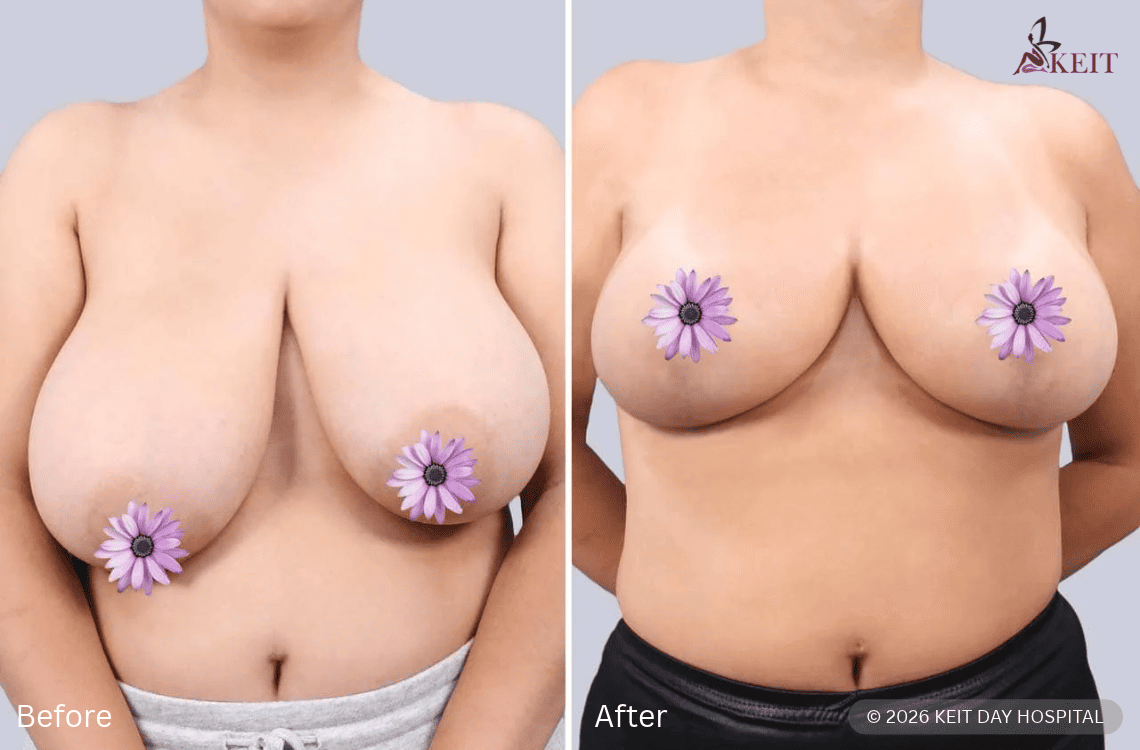
Postoperative complications: dehiscence, seroma, hematoma and infection
The main wound complications were relatively uncommon in the meta-analysis specifically evaluating the L-scar technique.
The reported pooled rates were:
- Wound dehiscence: 1.8%
- Seroma: 0.6%
- Hematoma: 1.2%
- Infection: 0.6%
- Fat necrosis: 5.8%
These values represent pooled estimates and should not be interpreted as a fixed individual risk. In addition, variability between studies was greater for some outcomes, particularly wound dehiscence and infection.
Scarring, aesthetic outcomes and patient satisfaction
One of the main reasons for using the L-scar technique is the possibility of achieving breast reshaping with a more limited scar. In the meta-analysis, hypertrophic scarring was estimated at 1.7%, while the frequency of dog-ear deformity was 5%. Breast asymmetry reached 1.95%.
Overall patient satisfaction was high, with a pooled estimate of 92%. This finding is favorable but should be interpreted with caution because satisfaction was assessed in only a proportion of the included studies.
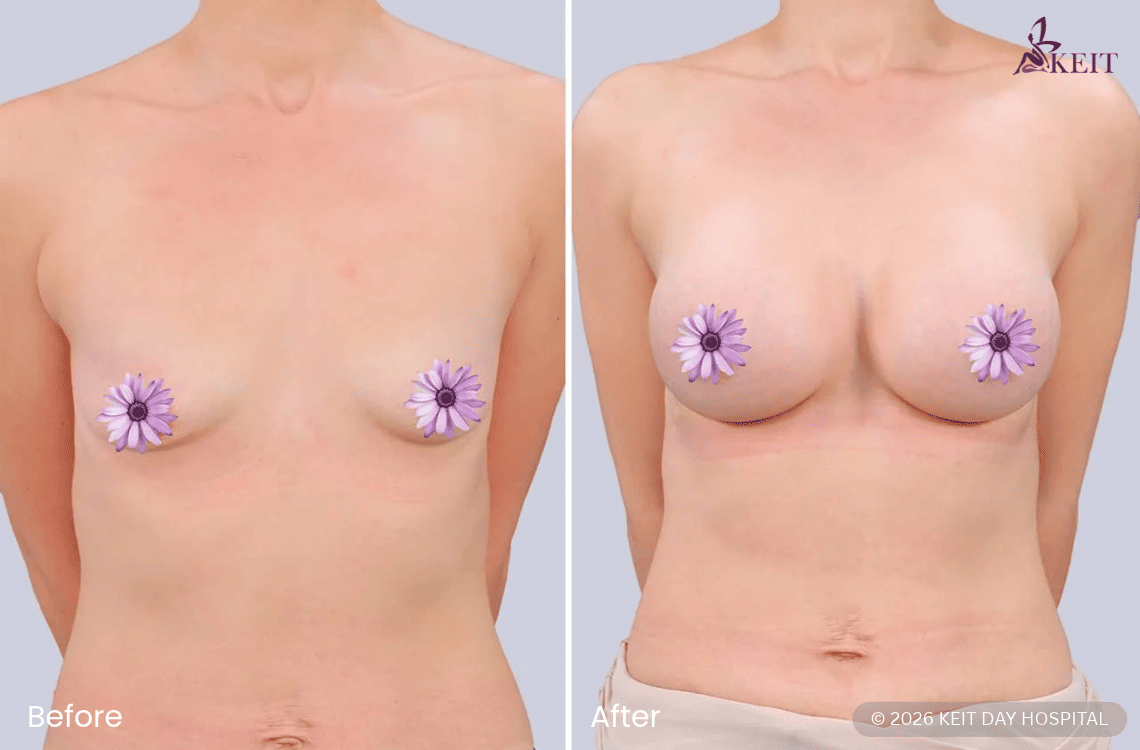
Nipple-areola complex: necrosis and sensitivity
The safety of the nipple-areola complex is an important consideration in breast reduction and breast reshaping surgery.
The meta-analysis reported:
- Partial nipple-areola complex necrosis: 0.4%
- Complete necrosis: no cases reported in the available analysis
- Complete loss of nipple sensation: 2.2%
- Reduced nipple sensation: 20%
The finding regarding reduced sensitivity should be interpreted with particular caution because substantial heterogeneity was observed between studies. Differences in the definition of sensitivity and in the assessment methods may influence the pooled result.
L-scar and other breast surgery techniques: what can actually be compared?
Meta-analyses of breast surgery techniques do not allow a direct determination of whether the L-scar technique is superior to other approaches, but they help contextualize the role of different technical choices.
A 2021 meta-analysis found a lower incidence of complications and wound dehiscence with vertical scars compared with inverted-T scars, without significant differences in seroma, hematoma, necrosis or reoperation. A 2025 meta-analysis also associated the superomedial pedicle with a lower overall risk of complications and delayed wound healing compared with the inferior pedicle, without significant differences in several specific complications.
Finally, a 2025 meta-analysis found no increase in complications in reduction mammaplasty involving the removal of more than 1,000 g per breast. Overall, these findings confirm that risk depends on multiple factors, including the skin pattern, pedicle, amount of tissue removed and patient characteristics, without demonstrating superiority of the L-scar technique.
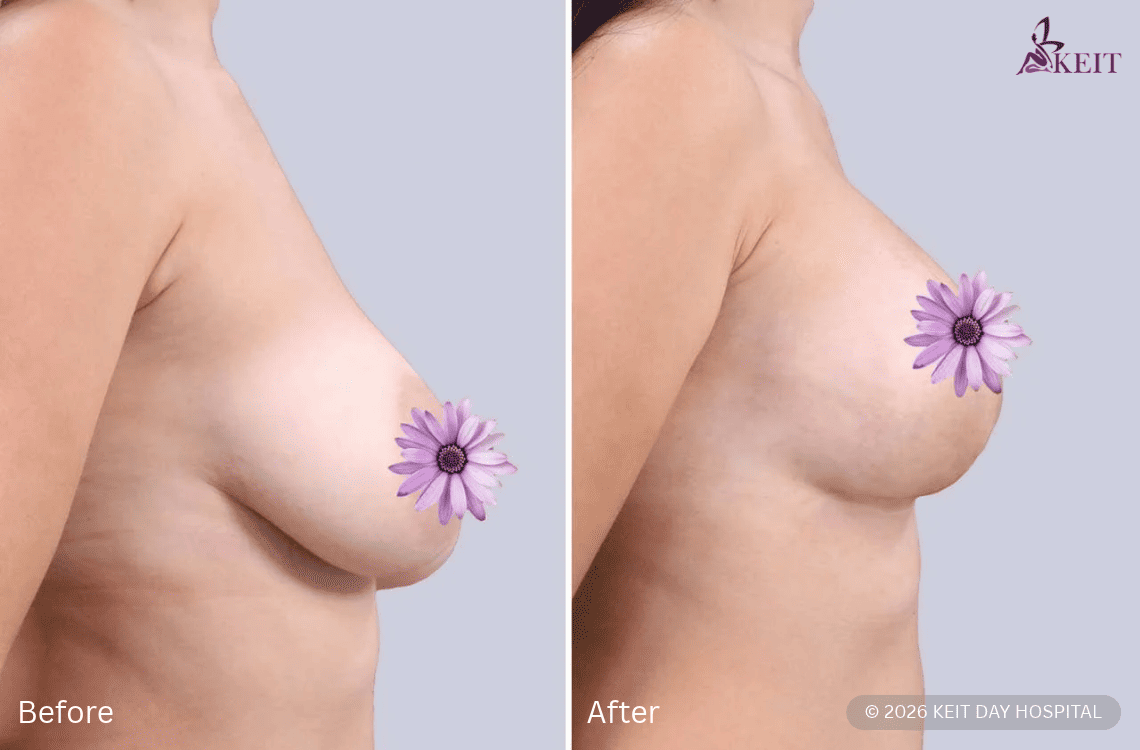
Main findings and clinical implications
The available PubMed evidence can be summarized in the following key points:
- The meta-analysis specifically dedicated to the L-scar technique included 12 studies involving a total of 3,130 patients.
- Patient satisfaction was overall high, with a pooled estimate of 92%.
- The main postoperative complications were relatively uncommon: wound dehiscence 1.8%, seroma 0.6%, hematoma 1.2% and infection 0.6%.
- Fat necrosis occurred in 5.8% of cases, while partial nipple-areola complex necrosis occurred in 0.4%.
- Complete loss of nipple sensation was estimated at 2.2%, while reduced sensitivity reached 20%, with substantial variability between studies.
- Meta-analyses of alternative techniques show that skin pattern and pedicle selection may influence certain outcomes, but they do not demonstrate superiority of the L-scar technique.
- Most evidence specific to the L-scar technique comes from observational studies; therefore, higher-quality prospective comparative studies are needed.
Overall, the L-scar technique demonstrates a favorable safety profile and high patient satisfaction, but current evidence is insufficient to establish its superiority over alternative techniques. The choice of approach should therefore be individualized according to the patient's anatomy, surgical objectives and the surgeon's experience.
Bibliography: the five PubMed meta-analyses considered
- Machado Magalhães PL, Collaco BG, Guerreiro MG, et al. Efficacy and Safety of the L-Scar Technique in Breast Surgery: A Systematic Review and Meta-Analysis. Aesthetic Plast Surg. 2026;50(13):5028-5040. PMID: 42115413.
- Cang ZQ, Zhang Y, Mu SQ, et al. Complications of Superomedial Versus Inferior Pedicle Reduction Mammaplasty: A Systematic Review and Meta-Analysis. Aesthetic Plast Surg. 2025;49(1):184-197. PMID: 38997426.
- Oliveira JA, Eskandar K, Gontijo LC, et al. Shifting the paradigm on tissue removal and postoperative complications in breast reduction: a systematic review and meta-analysis. J Plast Reconstr Aesthet Surg. 2025;102:197-203. PMID: 39938460.
- Li Z, Qian B, Wang Z, et al. Vertical Scar Versus Inverted-T Scar Reduction Mammaplasty: A Meta-Analysis and Systematic Review. Aesthetic Plast Surg. 2021;45(4):1385-1396. PMID: 33649925.
- Escandón JM, Nugent A, Kreutz-Rodrigues L, et al. Evidence-based insights into medial pedicle reduction mammaplasty: A systematic review and meta-analysis. J Plast Reconstr Aesthet Surg. 2026;121:81-92. PMID: 42585789.