Published on:

 Reading Time: 5 min

 Scientific Articles
The outcomes of aesthetic surgery cannot be assessed solely through clinical parameters or pre- and postoperative photographs. Patient satisfaction, body image, quality of life, and perception of the result represent important components of the overall outcome. Recent PubMed meta-analyses show that aesthetic procedures may be associated with significant improvements in patient-reported outcomes, but they also highlight considerable variability depending on the procedure, timing of assessment, and individual characteristics.
 Table of Contents:
-
1
 How the evidence was selected: PubMed criteria for the most recent meta-analyses
-
2
What do patient-reported outcomes measure in aesthetic surgery?
-
3
Satisfaction and body image after aesthetic surgery
-
4
Breast surgery and patient-reported quality of life
-
5
Body contouring after major weight loss
-
6
Mastopexy: preoperative expectations and postoperative satisfaction
-
7
Factors that may influence patient-reported outcomes
-
8
Clinical implications and evidence summary
-
9
Bibliography: The 5 PubMed meta-analyses considered
How the evidence was selected: PubMed criteria for the most recent meta-analyses
A targeted search was conducted on PubMed, prioritising the most recent meta-analyses and systematic reviews that directly assessed patient-reported outcomes after aesthetic procedures. Studies reporting quantitative data on satisfaction, body image, quality of life, psychosocial well-being, perceived aesthetic outcomes, and patient expectations were prioritised. The final selection includes meta-analyses published in 2025 and 2026 covering various aesthetic procedures, including breast surgery, body contouring, mastopexy, rhinoplasty, and aesthetic genital surgery.
What do patient-reported outcomes measure in aesthetic surgery?
Patient-reported outcomes describe the outcome of a procedure from the perspective of the person undergoing the treatment, rather than relying exclusively on the surgeon’s clinical assessment. In aesthetic surgery, the most frequently assessed aspects include satisfaction, body image, quality of life, psychosocial well-being, and perception of the aesthetic result. Recent meta-analyses also show that the timing of the assessment may influence the patient-reported outcome. Satisfaction may change during recovery and throughout the process of adapting to the new body image.
Satisfaction and body image after aesthetic surgery
A 2025 meta-analysis evaluated changes in satisfaction and body image over time following aesthetic surgery, including 27 studies and 4,823 patients. The results showed a progressive increase in satisfaction during the follow-up period.
The main results reported by the meta-analysis were:
- 1 month: 71.4% satisfaction
- 3 months: 82.6%
- 6 months: 87.2%
- 12 months: 91.5%
- 24 months: 93.8%
The authors also identified associations between satisfaction and certain individual factors: psychological screening and age were positively associated with satisfaction, whereas higher BMI and revision surgery showed a negative association. These findings emphasise that assessment of the aesthetic result should also take into account the time elapsed since surgery, rather than necessarily considering very early assessments representative of the definitive outcome.
Breast surgery and patient-reported quality of life
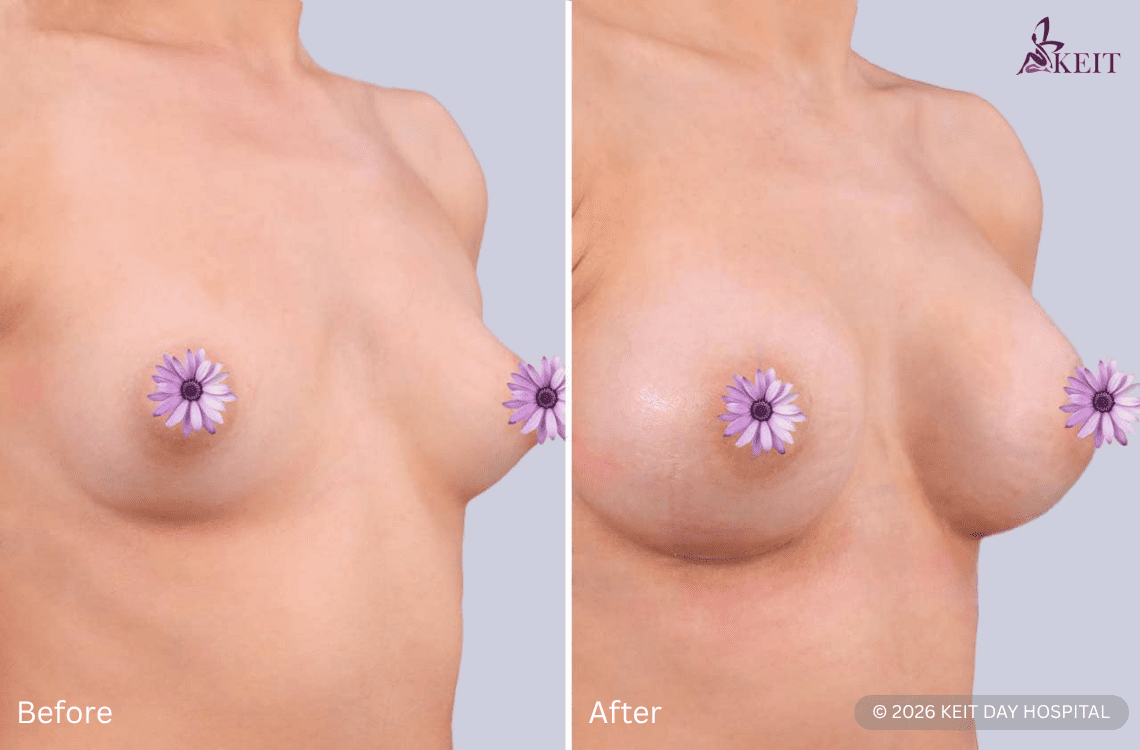
A 2024 meta-analysis evaluated satisfaction and quality of life after breast augmentation using the Breast-Q questionnaire, including 39 studies, 53 cohorts, and 18,322 patients. The results showed significant improvements in satisfaction with the breasts, psychosocial well-being, and sexual well-being. Physical well-being improved, but without reaching a statistically significant difference. Overall, the data indicate that the perceived benefit of breast augmentation mainly concerns satisfaction and psychosocial aspects, whereas different dimensions of quality of life do not necessarily improve to the same extent.
Body contouring after major weight loss
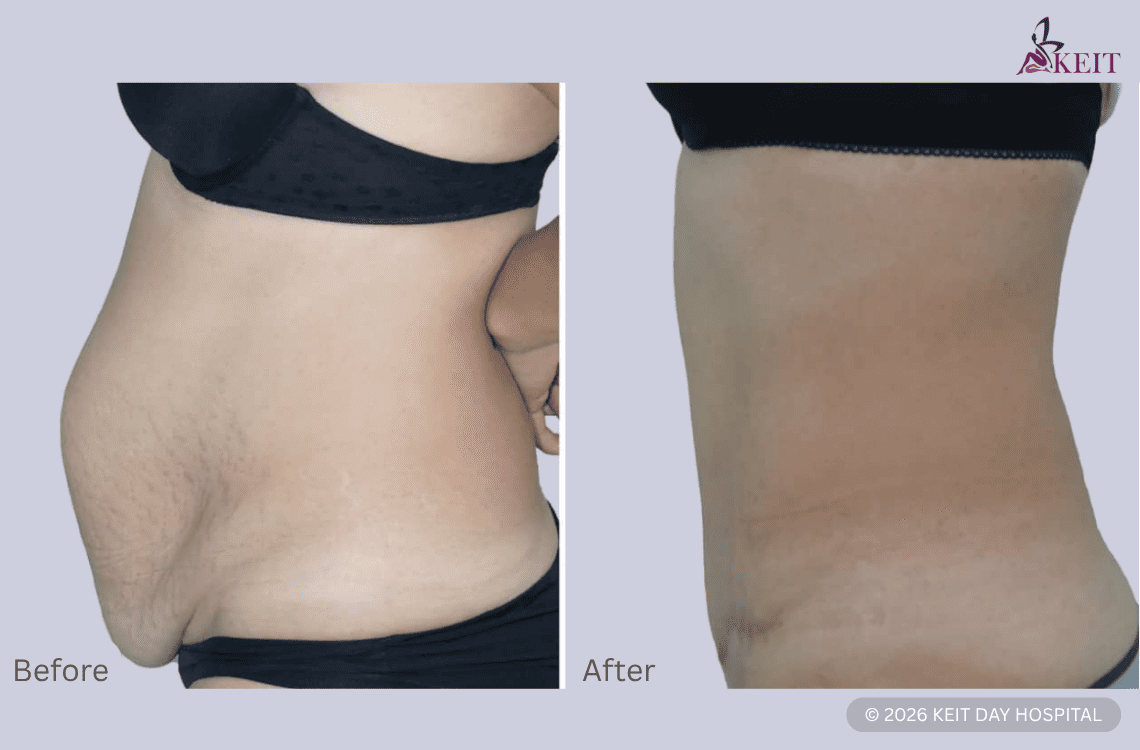
Body contouring after bariatric surgery represents another setting in which patient-reported outcomes play a central role. A meta-analysis published in 2025 compared patients who underwent bariatric surgery alone with patients who also underwent body contouring surgery.
Fifteen non-randomised studies involving 7,339 patients were included. Patients who underwent bariatric surgery combined with body contouring showed significant improvements in scores relating to body image, physical function, psychological function, sexual function, and social function, as assessed using patient-reported measures. These findings indicate that the perceived benefit of body contouring may extend beyond aesthetic appearance alone, including functional and psychosocial dimensions reported directly by patients.
Mastopexy: preoperative expectations and postoperative satisfaction
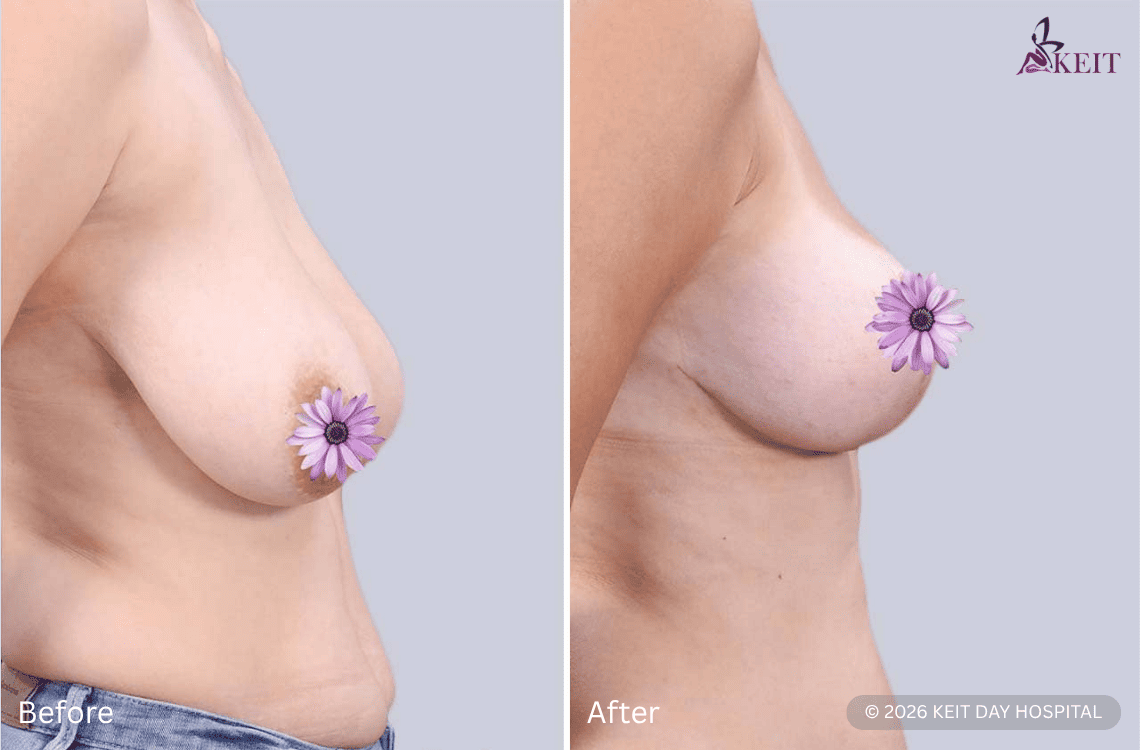
A 2026 meta-analysis analysed patient satisfaction and the correspondence between expectations and outcomes after mastopexy, considering studies published between 2010 and 2024. The results showed overall favourable satisfaction after surgery, while also emphasising the importance of appropriate preoperative counselling. In aesthetic surgery, perception of the result depends not only on the change achieved, but also on how closely it corresponds to the patient’s initial expectations.
Factors that may influence patient-reported outcomes
Available evidence indicates that satisfaction after aesthetic surgery does not depend exclusively on the surgical result. Factors associated with patient-reported outcomes include:
- Time elapsed since surgery, with changes in satisfaction during recovery;
- BMI, negatively associated with satisfaction in the meta-analysis evaluating satisfaction over time;
- Revision surgery, also associated with lower satisfaction;
- Preoperative expectations, which are particularly relevant when assessing the outcome;
- Type of procedure, as satisfaction and quality of life may vary between breast surgery, body contouring, and other procedures;
- The instrument used to measure the outcome, which contributes to heterogeneity between studies.
These factors should be considered when interpreting results, particularly when comparing studies using different procedures and assessment instruments.
Clinical implications and evidence summary
Recent meta-analyses show that patient-reported outcomes represent an essential component of the assessment of aesthetic surgery. Satisfaction, body image, and quality of life may improve after surgery, but the extent of change varies according to the procedure, timing of assessment, and patient characteristics.
The main findings from the literature are:
- Satisfaction tends to increase over time after aesthetic surgery, particularly during the first few months;
- Breast surgery may result in significant improvements in satisfaction and psychosocial well-being;
- Body contouring after major weight loss is associated with improvements in several dimensions of patient-reported quality of life;
- Preoperative expectations represent an important factor when interpreting postoperative satisfaction;
- Outcomes may vary according to the procedure, patient profile, and instrument used for their measurement.
Overall, the literature supports an approach to aesthetic surgery in which outcomes are assessed not exclusively through clinical parameters, but also through what the patient perceives, reports, and considers meaningful.
Bibliography: The 5 PubMed meta-analyses considered
- Friedman O, Tal D. Temporal satisfaction patterns in body image after aesthetic surgery: A systematic review and meta-analysis. J Plast Reconstr Aesthet Surg. 2025;109:195-204. PMID: 40902509.
- Knoedler S, Knoedler L, Kauke-Navarro M, et al. Quality of life and satisfaction after breast augmentation: A systematic review and meta-analysis of Breast-Q patient-reported outcomes. J Plast Reconstr Aesthet Surg. 2024;95:300-318. PMID: 38945110.
- Mokhtar J, Akbarpoor F, Hadi M, et al. Patient-Reported Outcome Measures following Postbariatric Body Contouring: A Systematic Review and Meta-Analysis. Plast Reconstr Surg. 2026;157(5):698e-711e. PMID: 41115286.
- Droha OI. Before and after mastopexy: Expectations and reality (meta-analysis). Wiad Lek. 2026;79(4):847-854. PMID: 42139624.
- Kim DH, Jang DW, Hwang SH. Comparison of Patient-Reported Outcomes Between Dorsal Preservation and Conventional Dorsal Hump Reduction Rhinoplasty: A Systematic Review and Meta-Analysis. Aesthetic Plast Surg. 2025;49(17):4846-4856. PMID: 40195129.