Published on:
 Modified on:

 Reading Time: 6 min
 Scientific Articles
Wound healing represents a fundamental phase of recovery after aesthetic surgery. Complications may include dehiscence, infection, seroma, hematoma, skin necrosis, and delayed healing. Available evidence shows that risk varies according to the procedure, patient characteristics, and wound management.
 Table of Contents:
-
1
 How the evidence was selected: PubMed criteria for the most recent meta-analyses
-
2
Main wound healing complications in aesthetic surgery
-
3
Obesity and risk factors for wound complications
-
4
Smoking and wound healing: an important risk factor
-
5
Strategies to prevent surgical wound complications
-
6
Negative pressure wound therapy and prevention of dehiscence
-
7
Tranexamic acid and hematoma prevention
-
8
Hyperbaric oxygen therapy and wound healing
-
9
Clinical implications and evidence summary
-
10
Bibliography: The five PubMed meta-analyses considered
How the evidence was selected: PubMed criteria for the most recent meta-analyses
A targeted search was conducted on PubMed, including only systematic reviews with meta-analyses published in recent years and relevant to wound healing in plastic and aesthetic surgery. Studies with quantitative pooled data on complications, major risk factors, and prevention strategies were prioritised.
The final selection includes five recent meta-analyses dedicated to different aesthetic procedures, body contouring, reduction mammoplasty, and surgical incision management, providing an overview of the main factors associated with wound healing complications.
Main wound healing complications in aesthetic surgery
Wound healing complications can vary depending on the type of procedure and patient characteristics. The most relevant complications include wound dehiscence, surgical site infection, seroma, hematoma, skin necrosis, and delayed healing. Available meta-analyses indicate that risk does not depend on a single factor, but rather on the interaction between patient conditions, procedure type, and wound characteristics. Identifying these factors allows for more accurate risk assessment and the implementation of targeted preventive strategies.
Obesity and risk factors for wound complications
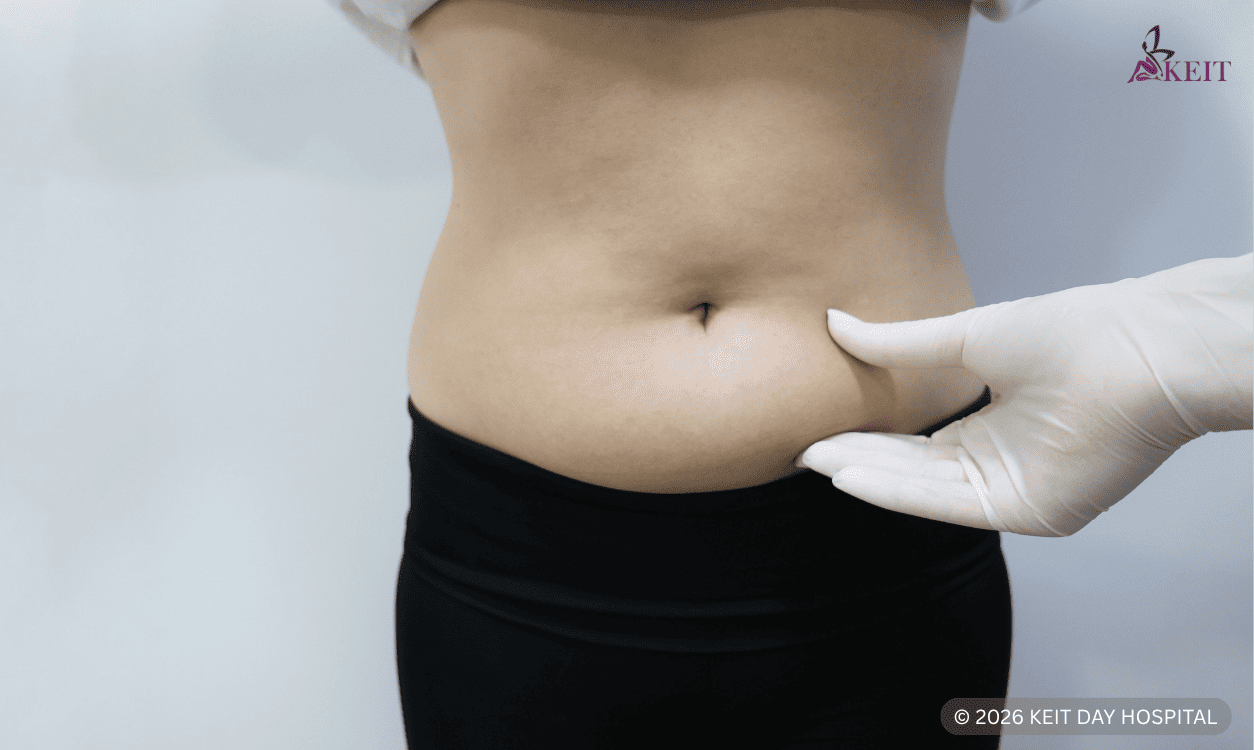
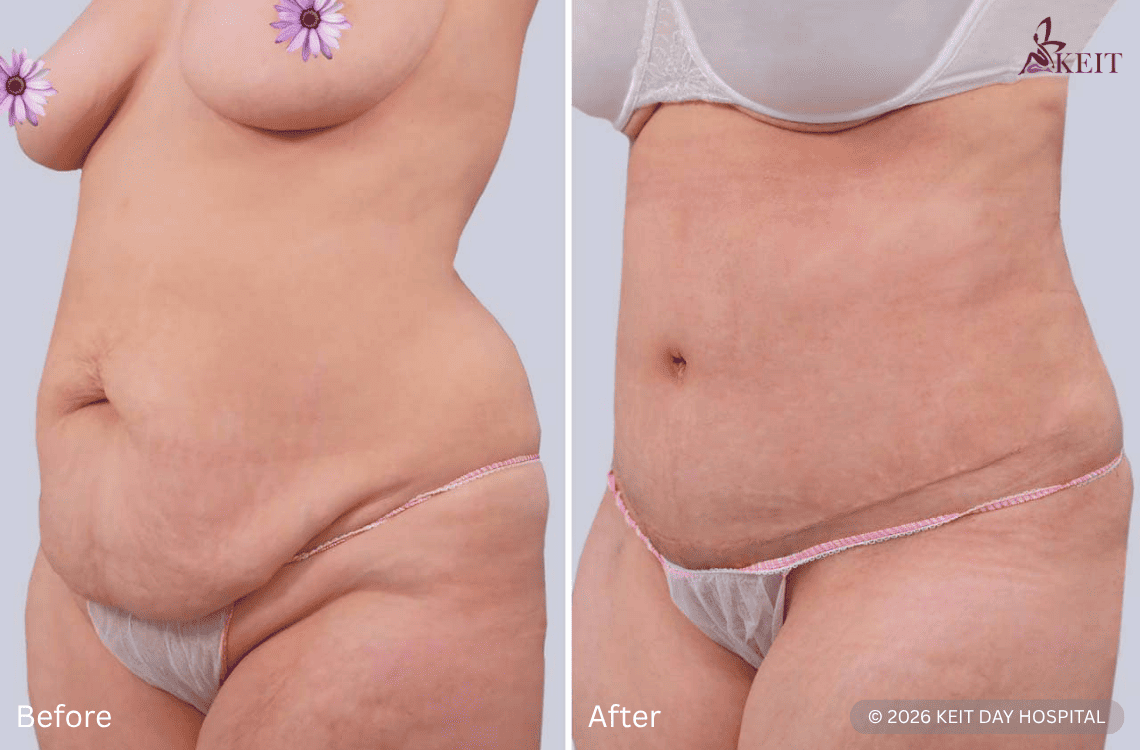
Obesity is one of the main risk factors investigated in body contouring surgery. A meta-analysis on aesthetic abdominal body contouring found that a BMI ≥30 kg/m² is associated with a higher risk of seroma, hematoma, and overall surgical wound complications.
Diabetes may also contribute to an increased risk of postoperative complications. In reduction mammoplasty, meta-analytic evidence has associated elevated BMI and diabetes with a higher probability of healing problems and other wound complications. These factors do not necessarily represent contraindications to surgery, but they must be considered during individual risk assessment.
Smoking and wound healing: an important risk factor
Smoking can impair tissue oxygenation and normal wound healing. Available meta-analyses in aesthetic surgery indicate an association between smoking and increased postoperative complications, particularly infection and dehiscence in specific procedures. The risk is particularly relevant in procedures involving extensive incisions or increased tissue tension. For this reason, smoking history assessment should be included in preoperative preparation and risk stratification.
Strategies to prevent surgical wound complications
Prevention of wound complications begins during the preoperative phase. Appropriate patient selection, assessment of risk factors, and surgical planning are essential to reduce the probability of healing problems.
Surgical technique and incision management can also influence postoperative outcomes. However, preventive strategies must be adapted to the type of procedure and the specific complication being targeted, as not all interventions have the same effect on dehiscence, infection, seroma, or hematoma. Therefore, the most effective prevention does not rely on a single measure, but on risk management tailored to patient characteristics and the surgical procedure.
Negative pressure wound therapy and prevention of dehiscence
Negative pressure wound therapy applied to closed surgical incisions has been studied as a strategy to reduce wound complications in plastic surgery. Available meta-analytic evidence indicates a benefit, particularly in reducing wound dehiscence. In abdominal body contouring procedures and related operations, its use has also been associated with a lower need for unplanned reoperation. However, this effect does not appear to extend consistently to all complications: meta-analyses have not demonstrated a constant reduction in seroma, hematoma, or infection.
Negative pressure wound therapy may therefore represent a useful preventive tool in selected patients and procedures, but its use should be evaluated according to individual risk and surgical characteristics.
Tranexamic acid and hematoma prevention
Tranexamic acid has been studied in plastic surgery as a strategy to reduce complications related to postoperative bleeding. A 2025 meta-analysis demonstrated a significant reduction in hematoma risk in breast surgery and body contouring procedures. The same study did not show a significant reduction in wound healing complications or seroma formation. Therefore, the observed benefit appears to be specifically related to hematoma prevention and should not be interpreted as an overall reduction in wound complications.
In this context, tranexamic acid represents a targeted strategy for controlling bleeding-related complications, while prevention of dehiscence, infection, and seroma requires specific interventions directed at these individual risks.
Hyperbaric oxygen therapy and wound healing
Hyperbaric oxygen therapy has been studied as an adjunctive treatment to promote wound healing after certain aesthetic surgery procedures. A 2025 meta-analysis included 11 studies and 734 patients, mainly undergoing abdominoplasty and aesthetic breast surgery. The analysis demonstrated shorter healing times and high patient satisfaction in groups treated with hyperbaric oxygen therapy. However, variability in treatment protocols and included studies makes it difficult to extend these findings to all aesthetic procedures.
Therefore, available data are promising, but hyperbaric oxygen therapy should be considered an adjunctive treatment in selected situations rather than a preventive strategy universally applicable to every procedure.
Clinical implications and evidence summary
Available meta-analyses indicate that the risk of wound healing complications in aesthetic surgery is influenced by the combination of patient characteristics, procedure type, and postoperative management.
The main findings highlighted by the literature are:
- Obesity, smoking, and diabetes are associated with an increased risk of complications in specific surgical settings.
- Dehiscence, infection, seroma, and hematoma represent the main wound complications to consider.
- Negative pressure wound therapy may primarily reduce the risk of dehiscence in selected procedures and patients.
- Tranexamic acid has demonstrated benefits mainly in reducing hematoma risk, without a similar and consistent effect on other wound complications.Hyperbaric oxygen therapy has shown favourable effects on healing, but available evidence remains heterogeneous.
Overall, the data suggest that prevention of complications does not depend on a single intervention, but on accurate patient assessment, appropriate surgical planning, and adequate wound management during the postoperative period.
Bibliography: The five PubMed meta-analyses considered
- Espinosa-de-Los-Monteros A, Mosqueda-Larrauri VL, Sanchez-Pereda D, Gamboa-Lopez CA. Postoperative Outcomes of Incisional Negative Pressure Wound Therapy in Patients Undergoing Abdominoplasty, Horizontal Panniculectomy, or Harvest of TRAM or DIEP Flaps: Systematic Review and Meta-analysis. Ann Plast Surg. 2025;95(6):752-759. PMID: 41133907.
- Mortada H, González JE, Husseiny YM, Al Jabbar I, Sultan F, Alrobaiea S, Neel OF. Efficacy of Hyperbaric Oxygen Therapy as an Adjunct in Aesthetic Surgery: A Systematic Review and Meta-analysis of Postoperative Outcomes and Complications. Aesthetic Plast Surg. 2025;49(9):2498-2512. PMID: 40011247.
- Fijany AJ, Holan CA, Troia T, et al. Tranexamic Acid in Body Contouring Surgery: A Systematic Review and Meta-Analysis. Aesthet Surg J. 2025;45(10):1026-1034. PMID: 40509914.
- Ran R, Wang H, He X, Li J, Yu M, Mou E, Liu C. Risk factors for complications after reduction mammaplasty: a systematic review and meta-analysis. Eur J Med Res. 2025;30(1):440. PMID: 40452064.
- Niu EF, et al. Obesity as a Risk Factor in Cosmetic Abdominal Body Contouring: A Systematic Review and Meta-Analysis. Aesthetic Plast Surg. 2024;48(12):2590-2600. PMID: 37644187.