Published on:
 Modified on:

 Reading Time: 5 min

 Scientific Articles
In recent years, cosmetic surgery has no longer been regarded solely as a means of modifying physical appearance. Increasingly, patients seek aesthetic procedures to achieve psychological benefits, such as improved self-esteem, greater body satisfaction and enhanced quality of life. However, the scientific literature shows heterogeneous findings, differing methodologies and gaps in long-term evidence. This review synthesizes the most recent PubMed-indexed evidence, focusing on systematic reviews and meta-analyses that evaluate postoperative psychological outcomes.
 Table of Contents:
-
1
 How the evidence was selected
-
2
Impact of cosmetic surgery on self-esteem and body image
-
3
Psychological and social outcomes after cosmetic surgery
-
4
Impact of pre-existing psychological disorders on postoperative outcomes
-
5
Variations in psychological outcomes according to the type of cosmetic procedure
-
6
Methodological limitations in the assessment of psychological outcomes after cosmetic surgery
-
7
Optimizing psychological outcomes in cosmetic surgery: implications for clinical practice
-
8
Bibliography: The PubMed-indexed meta-analyses considered
How the evidence was selected
A targeted PubMed search was conducted for this review, focusing exclusively on systematic reviews and meta-analyses reporting data on psychological outcomes after cosmetic procedures. The included studies comprehensively evaluate the impact of cosmetic surgery on self-esteem, body image, psychosocial well-being and quality of life, as well as patient satisfaction following surgery. The collected evidence provides a comprehensive overview of the psychological improvements observed after different types of cosmetic procedures, making it possible to identify which effects are the most predictable and in which settings surgery may provide the greatest emotional benefit.
Impact of cosmetic surgery on self-esteem and body image
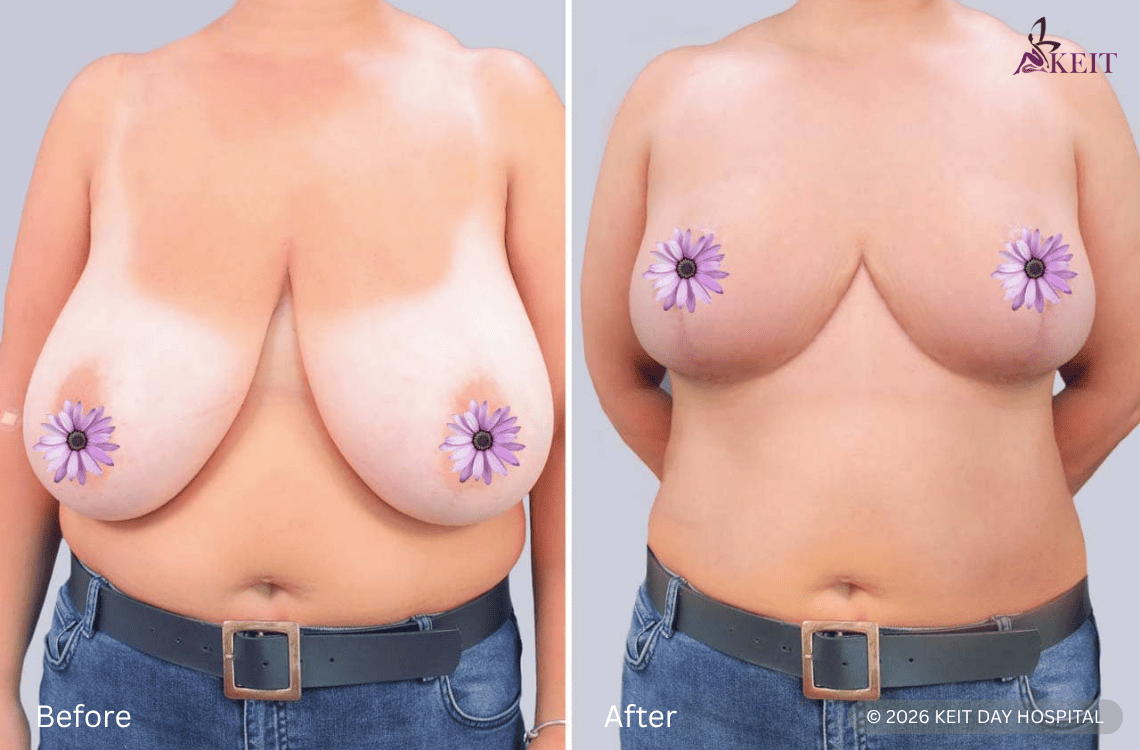
The most recent evidence indicates that cosmetic surgery may lead to significant improvements in self-esteem compared with preoperative levels. These benefits are particularly evident in procedures such as breast augmentation and body contouring, where physical changes are clearly perceived by patients.
However, the findings are not uniform. The magnitude of improvement varies according to individual factors, the type of procedure and personal expectations. Overall, the studies show that although self-esteem tends to improve after surgery, differences exist among patient subgroups and across different types of procedures. Positive effects are observed more frequently in the short term, whereas evidence regarding the persistence of these benefits over the long term remains limited and is characterized by considerable heterogeneity.
Psychological and social outcomes after cosmetic surgery
Many patients report short-term psychological improvements following cosmetic surgery, including greater satisfaction with the treated area, a more positive body image, increased self-confidence, and improved physical and sexual well-being. However, when broader outcomes, such as social functioning or long-term quality of life, are considered, the available evidence remains limited and often inconclusive. Some studies indicate that after the first six months, psychological benefits may diminish or no longer reach statistical significance, highlighting the need for long-term follow-up and more robust studies.
Impact of pre-existing psychological disorders on postoperative outcomes
A key finding emerging from the evidence concerns the influence of pre-existing psychological disorders, such as Body Dysmorphic Disorder (BDD), anxiety and depression. Patients with these conditions tend to experience more limited psychological improvement and, in some cases, may remain dissatisfied after surgery even when the surgical outcome is technically optimal.
These findings highlight the importance of thorough preoperative psychological assessment to identify the most appropriate candidates and establish realistic expectations, thereby maximizing psychological benefits and reducing the risk of negative outcomes.
Variations in psychological outcomes according to the type of cosmetic procedure
The magnitude and consistency of psychological benefits following cosmetic surgery depend significantly on the type of procedure performed. Some procedures tend to produce more pronounced improvements in self-perception and body satisfaction, whereas others yield more variable results. Specifically, the meta-analytic evidence indicates that:
- Breast augmentation and body contouring: These procedures are generally associated with greater improvements in self-esteem and body satisfaction because the physical changes are clearly perceived by patients and are immediately observable.
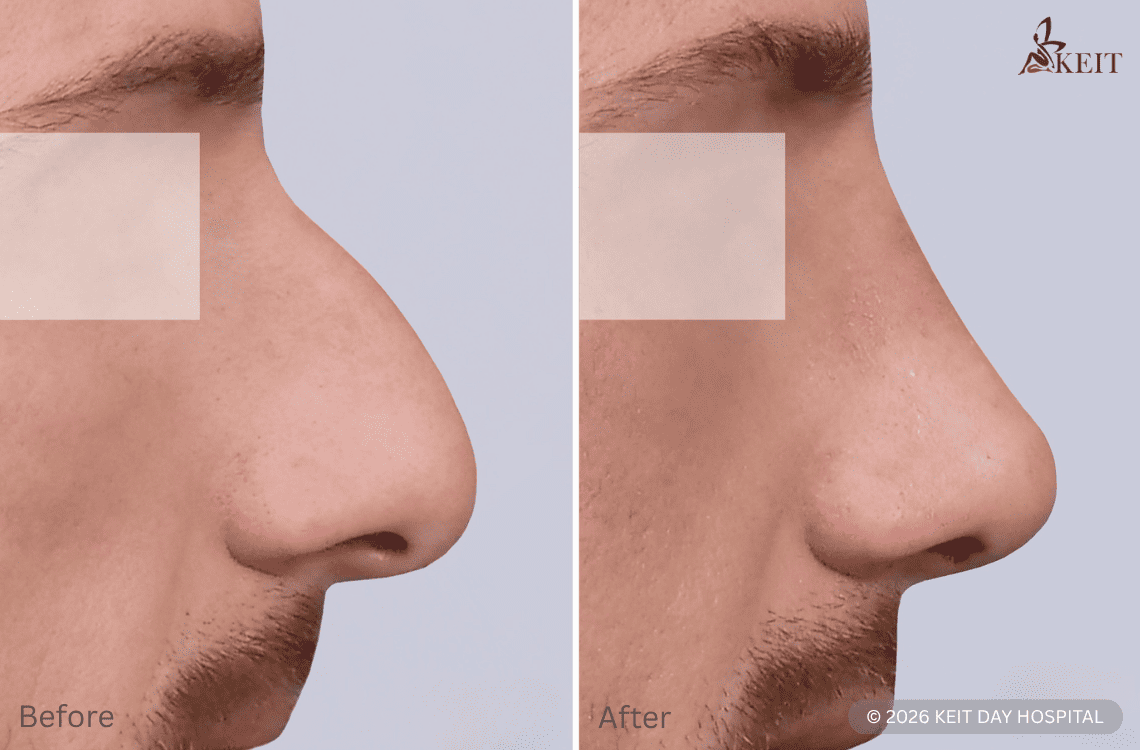
- Facial surgery: Psychological benefits tend to be more variable and less consistent, reflecting the complexity of individual expectations and social perception, both of which influence postoperative satisfaction.
Methodological limitations in the assessment of psychological outcomes after cosmetic surgery
The main limitations identified in studies evaluating cosmetic surgery and psychological outcomes include:
- Limited follow-up: Many studies assess patients for periods of less than 12 months, limiting the understanding of the persistence of psychological benefits over the long term.
- Heterogeneity of psychometric instruments: The use of different scales and assessment tools complicates direct comparison of results across studies, making it difficult to draw generalizable conclusions.
- Sample selection: Some studies do not include control groups or fail to account for confounding factors, such as social support or individual expectations, which may influence psychological outcomes.
These limitations highlight the need for more rigorous future studies with standardized methodologies and extended follow-up to generate reliable and comparable data and improve the understanding of postoperative psychological benefits.
Optimizing psychological outcomes in cosmetic surgery: implications for clinical practice
Current evidence indicates that cosmetic surgery can produce significant improvements in self-esteem and body image, but these benefits are influenced by several key factors. The best outcomes tend to be achieved when patients have realistic expectations, do not have significant pre-existing psychological disorders, and are carefully selected as surgical candidates.
To translate these principles into clinical practice, emerging recommendations suggest:
- Structured preoperative psychological assessment: Essential for identifying appropriate candidates and detecting conditions that may compromise psychological benefits.
- Psychoeducational counseling: Useful for aligning patient expectations with realistically achievable outcomes, thereby preventing disappointment and dissatisfaction.
- Postoperative psychological follow-up: Essential for monitoring emotional difficulties, providing timely support and consolidating the psychological improvements achieved.
The systematic adoption of these strategies helps optimize the psychological outcomes of cosmetic surgery, ensuring that the benefits are not only temporary but also lasting and meaningful in the patient’s everyday life.
Bibliography: The PubMed-indexed meta-analyses considered
H. Despert et al. The Impact of Cosmetic and Plastic Surgery on Self-Esteem: Systematic Review and Meta-Analysis. PubMed. 2026. PMID: 41756809.
K. M. Garbett et al. The psychosocial outcomes following cosmetic surgery: systematic review. J Plast Reconstr Aesthet Surg. 2024. PMID: 40156948.
O. Friedman et al. Temporal satisfaction patterns in body image after aesthetic surgery: a systematic review and meta-analysis. J Plast Reconstr Aesthet Surg. 2025. PMID: 40902509.
N. Kuck et al. Body dysmorphic disorder and self-esteem: a meta-analysis. J Clin Psychol Med Settings. 2021. PMCID: PMC8207567.