Published on:
 Modified on:

 Reading Time: 6 min
 Brazilian Butt Lift
The Brazilian Butt Lift (BBL) is a specialized fat transfer surgery that augments the buttocks using the patient's own purified fat. The procedure consists of two main steps: liposuction to remove excess fat from areas like the abdomen and lipofiling to strategically add volume to the gluteal region, creating a fuller, more defined and lifted contour.
 Table of Contents:
-
1
 What is a Brazilian Butt Lift? Definition and comprehensive scope
-
2
Ideal candidate for a BBL procedure: Key factors to consider
-
3
How much donor fat is needed for a BBL surgery?
-
4
BBL technique: The standard two-step approach
-
5
BBL surgery: The journey to your transformation
-
6
BBL before and after: The recovery timeline
-
7
Potential risks: What to consider before BBL surgery
-
8
How much is a BBL? Understanding the cost in the UK
-
9
BBL surgery in Albania: Your smart and affordable choice
In this article, you’ll learn how the Brazilian Butt Lift works, who is an ideal candidate and how much donor fat is required for a successful BBL. You’ll also see what happens before, during and after surgery, including recovery phases and potential risks. Finally, we will explore the cost of a BBL surgery in the UK and what makes Albania your smart and affordable alternative for your Brazilian Butt Lift.
What is a Brazilian Butt Lift? Definition and comprehensive scope
The Brazilian Butt Lift (BBL) is a sophisticated body-contouring procedure designed to reshape the lower body by using the patient’s own biological material. More than just buttock augmentation, the BBL procedure functions as a 360-degree approach to achieving an hourglass silhouette, focusing simultaneously on slimming the waist and flanks (the donor areas) while enhancing the gluteal volume and projection. It is considered specialized because of the mandatory, strict adherence to the gold standard safety protocol: the transfer material is placed exclusively in the subcutaneous layer (above the muscle).
Ideal candidate for a BBL procedure: Key factors to consider
A BBL procedure is ideal for individuals seeking to enhance their lower body contour using their own natural tissue. The best candidates are those who:
- Have sufficient donor fat in areas like the abdomen, flanks, or back for harvesting.
- Desire enhanced gluteal volume, projection and shape.
- Are in good overall health and medically cleared for surgery.
- Maintain realistic expectations about the final shape and long-term results.
A thorough clinical evaluation determines the quality and quantity of fat available and identifies the specific BBL technique that provides the safest and most satisfying outcome.
How much donor fat is needed for a BBL surgery?
To achieve optimal results, candidates typically need 1.5 to 3 liters of fat for liposuction. For more dramatic enhancements, such as a fuller, more lifted appearance, 3–4 liters may be required. For patients seeking more modest contouring, 1.5 to 2 liters may suffice. It’s important to note that not all of the transferred fat survives. On average, 60-80% of the fat will successfully integrate into the buttocks, while 20-40% may be naturally absorbed by the body over time. The success of fat retention depends on proper fat harvesting, placement techniques and the individual’s body response.
A thorough consultation with your surgeon will help determine the exact amount of fat needed to achieve your desired results.
BBL technique: The standard two-step approach
A BBL relies on one core, standardized surgical technique composed of two essential steps: liposuction and lipofilling. While the extent of liposuction may differ from patient to patient, the technique itself remains consistent and follows strict safety principles.
Liposuction (Fat harvesting and body contouring)
Liposuction is the foundation of every BBL. Through small, hidden incisions, the surgeon removes fat from targeted donor areas such as the abdomen, flanks, lower back and sometimes thighs. This step both slims the torso and provides high-quality fat for transfer. The fat is gently aspirated using fine cannulas to preserve cell vitality, then processed and purified to eliminate blood, fluids and damaged fat. The degree of liposuction may be limited (for slimmer patients) or extensive (for full 360° contouring), depending on the patient’s body type and aesthetic goals.
Lipofilling (Fat transfer to the buttocks)
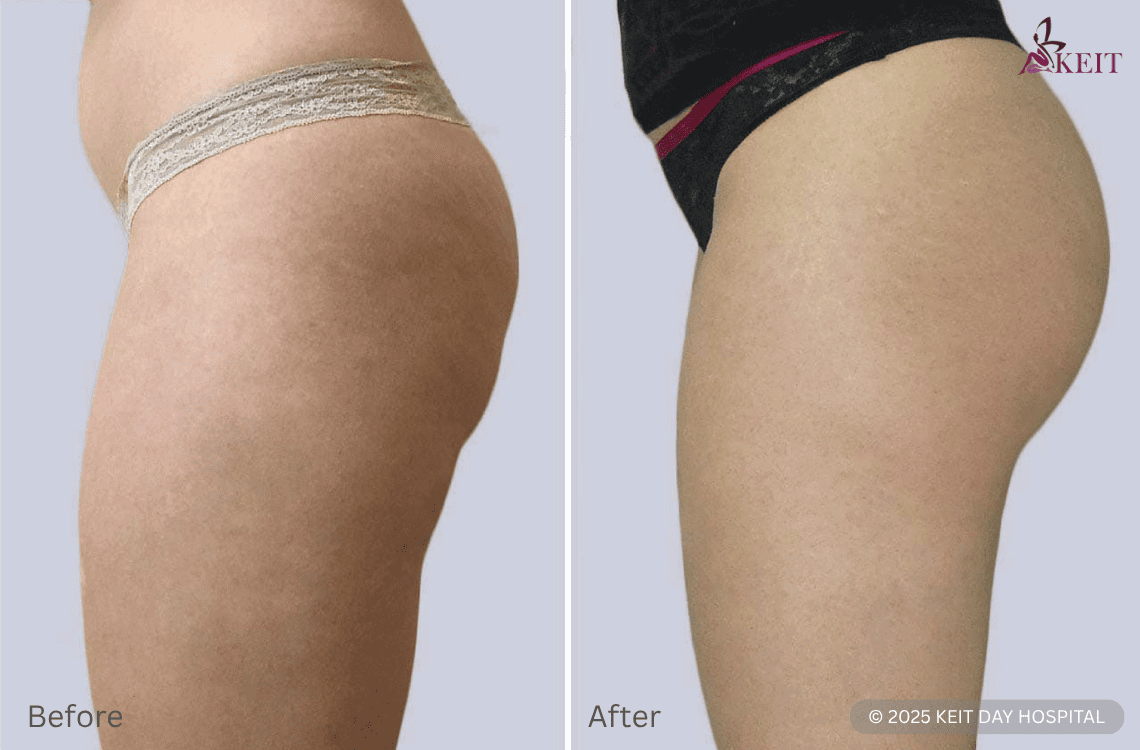
Lipofilling is the precise placement of the purified fat into the buttocks. Using micro-injections, the surgeon distributes fat in thin layers exclusively within the subcutaneous plane, never inside or below the muscle, to maximize safety and ensure even integration. The surgeon sculpts projection, roundness and upper-pole fullness while maintaining natural proportions with the hips and waist. The amount of fat transferred varies based on anatomy and desired outcome.
BBL surgery: The journey to your transformation
BBL surgery follows a highly structured pathway to ensure precision, safety, and predictable results.
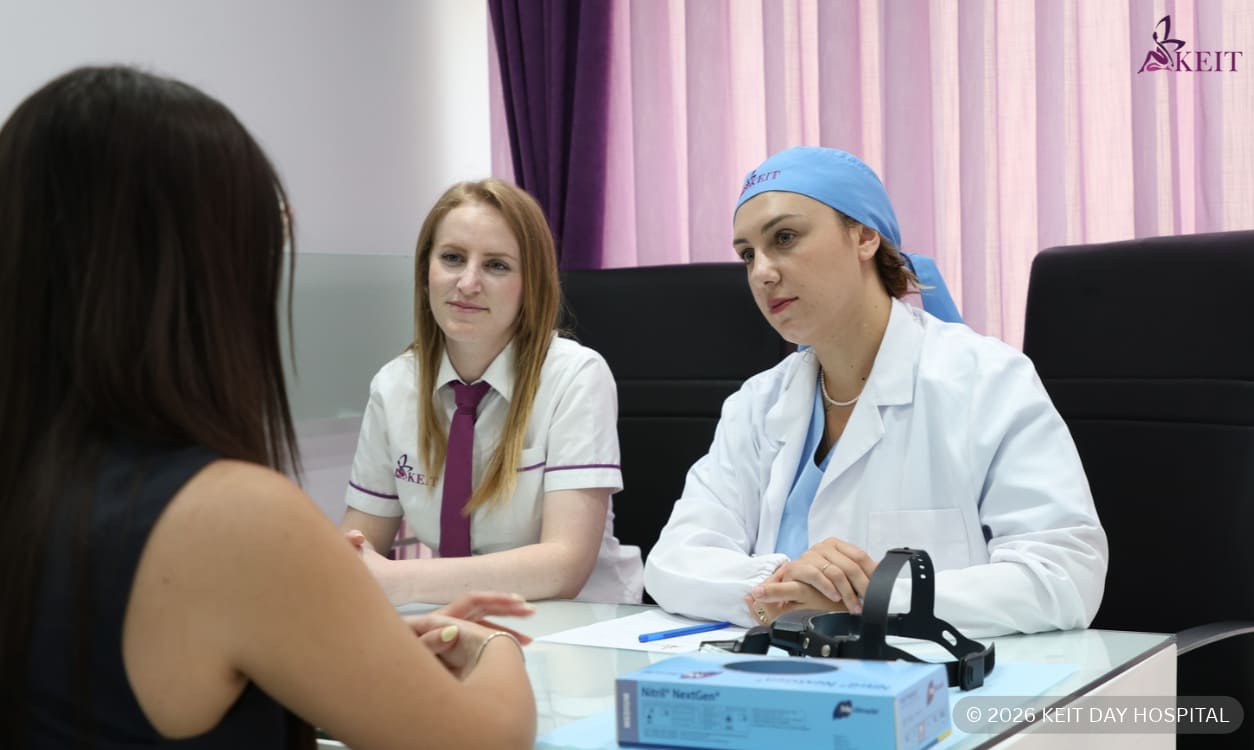
- Consultation and body assessment: The process begins with a detailed clinical evaluation, focusing on fat distribution, skin quality and desired gluteal shape. The surgeon discusses your goals and designs a personalized BBL plan.
- Medical evaluation: Before surgery, every patient undergoes full medical clearance, including blood tests, ECG and consultations with the anesthetist and cardiologist to ensure fitness and safety for the procedure.
- Pre-operative preparation: Patients receive explicit instructions regarding fasting, medication restrictions, pre-operative showering protocols and guidance on the required post-operative compression garment.
- Procedure day: Surgery is performed under general totally intravenous anesthesia, lasts 3–6 hours and a compression garment is applied at the end.

BBL before and after: The recovery timeline
Recovery after a BBL is gradual, with shape and contour improving week by week. The most critical component is adherence to the sitting restrictions to ensure maximum fat survival.
- Days 1–5: Mild swelling and tightness appear. Strict adherence to the no-direct-sitting protocol (using a specialized BBL pillow) is essential. Most patients resume very light activities within 48–72 hours.
- Week 1: Bruising and discomfort begin to fade.
- Weeks 2–4: Swelling continues to improve and patients can return to non-strenuous routines, strictly observing sitting protocols.
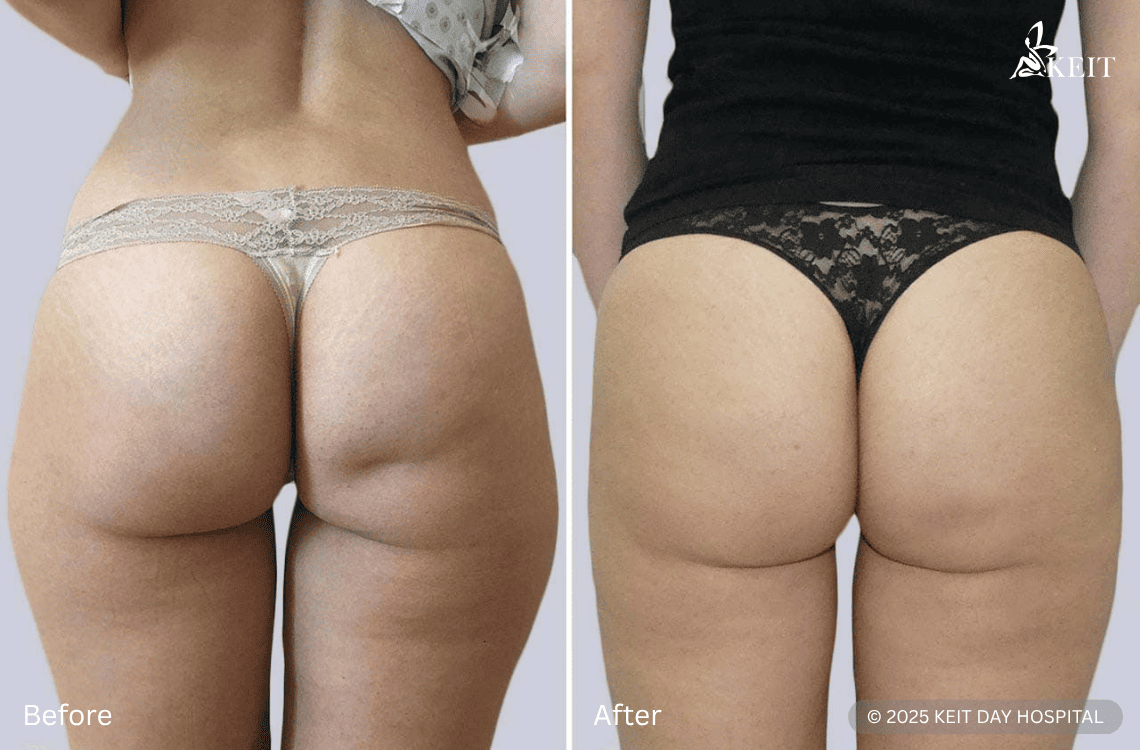
- Months 3–6: The final shape refines as the grafted fat stabilizes and the remaining swelling resolves.
Potential risks: What to consider before BBL surgery
When performed by an experienced surgical team adhering to the latest safety guidelines, a BBL is safe and low-risk. Understanding potential effects helps set realistic expectations.
- Common effects: Temporary numbness, swelling and minor asymmetry in the initial weeks.
- Specific risks: Fat resorption (a portion of the transferred fat will naturally be lost), minor contour irregularities in the liposuction areas, or temporary stiffness.
- Rare risks: Infection, hematoma, or, most importantly, the serious risk associated with injecting fat into the muscle (which is strictly prevented by modern, subcutaneous injection techniques).
Proper post-operative care and follow-up help ensure smooth healing and optimal, safe results. To learn more about BBL safety protocols, you can also refer to an overview provided by the American Board of Cosmetic Surgery.
How much is a BBL? Understanding the cost in the UK
The cost of a Brazilian Butt Lift in the UK can vary significantly, typically ranging from 7,000 to 13,500 euro, depending on the clinic, surgeon’s experience and the complexity of the procedure. Many UK clinics offer all-inclusive packages, but these can be more expensive due to higher operational and staff costs. Some facilities may also provide additional services such as post-operative care, but it’s important to compare the full cost, including travel and recovery expenses.
BBL surgery in Albania: Your smart and affordable choice
The cost of a BBL surgery in Albania ranges from around 2,500 to 5,500 euro. Clinics typically offer all-inclusive packages covering the surgery, anaesthesia, accommodation and transfers.
Private clinics in Albania follow European safety standards and often collaborate with Italian surgeons, ensuring medical quality comparable to major European countries. Language assistance in Italian or English is usually available, helping reduce communication barriers. The lower prices compared to the UK are due to reduced operational costs, not lower quality, making Albania a safe and affordable option for your BBL procedure.