Published on:
 Modified on:

 Reading Time: 8 min
 Breast augmentation
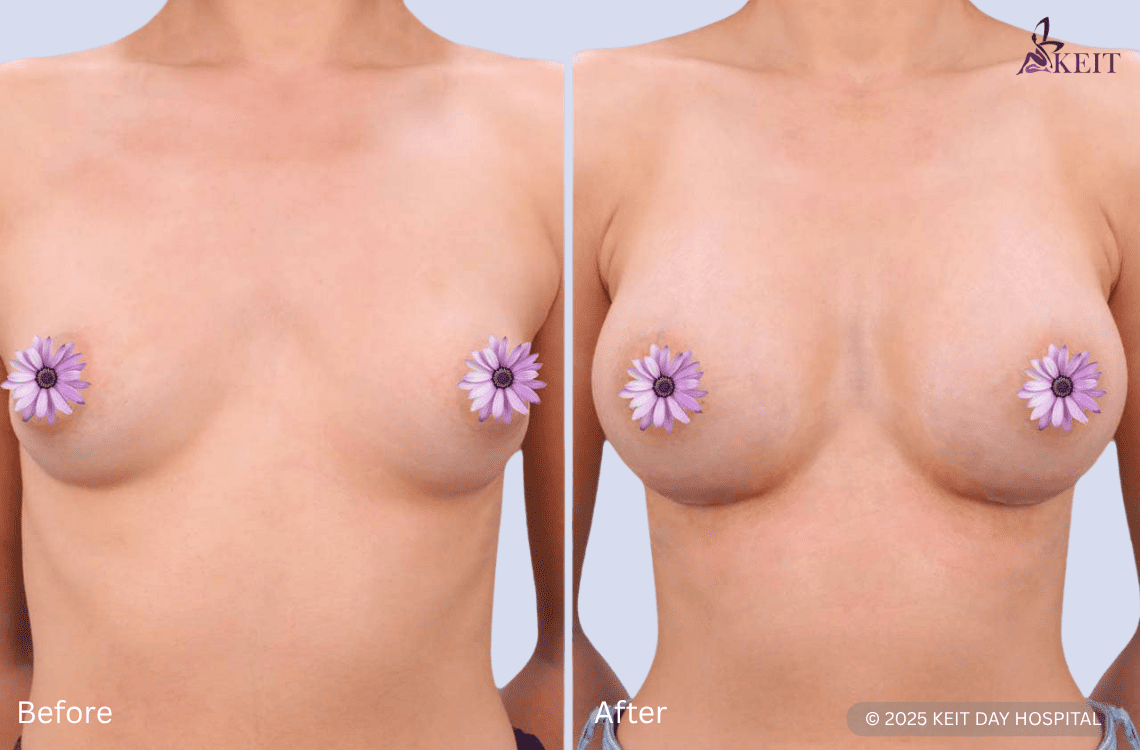
, also known as augmentation mammoplasty or a boob job, is a surgical procedure designed to increase breast volume, improve shape and enhance body proportion. It can be performed using breast implants or fat transfer, depending on the patient’s anatomy, goals and desired result.
 Table of Contents:
-
1
 Breast augmentation: Understanding the procedure
-
2
Breast implants: Understanding implant breast augmentation
-
3
How incision types impact implant placement
-
4
Fat transfer breast augmentation: How does it work?
-
5
Breast lift vs breast augmentation: Key differences
-
6
Breast augmentation recovery: Your journey to final results
-
7
Benefits of breast augmentation surgery
-
8
Possible risks: Breast augmentation contracture
-
9
Breast augmentation cost UK
-
10
Breast augmentation cost abroad: Turkey vs Albania
In this article, we explain how breast augmentation works, the main techniques used, incision options, implant and fat transfer choices, recovery, expected results, benefits, possible risks and how breast enlargement in Turkey compares with Albania.
As follows, you will find a video that explains how breast augmentation works:
Breast augmentation: Understanding the procedure
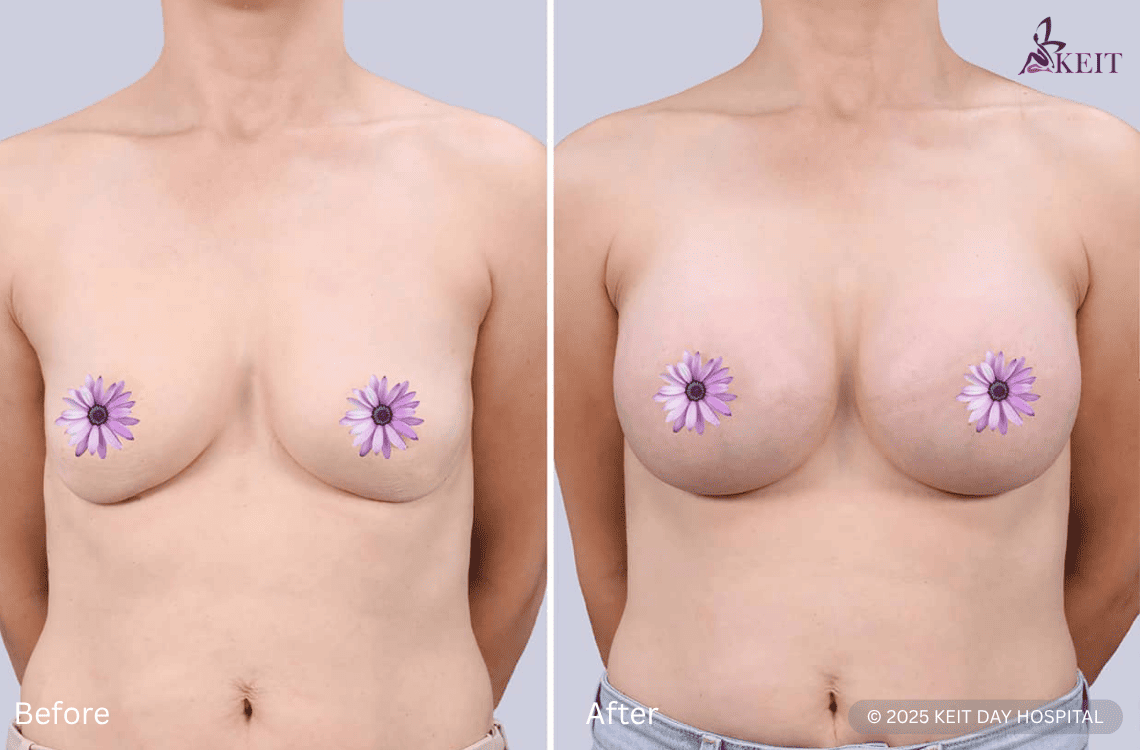
Breast augmentation, also known as augmentation mammoplasty, is a cosmetic surgery that increases breast size, projection and shape using implants or fat transfer. It can also improve breast symmetry and create a more balanced body proportion.
The procedure usually involves these key stages:
- Anaesthesia: Used to keep the patient comfortable throughout surgery.
- Incision: A small incision is made in a discreet location, such as the breast crease or around the areola.
- Pocket creation: The surgeon creates space for the implant either above or below the chest muscle.
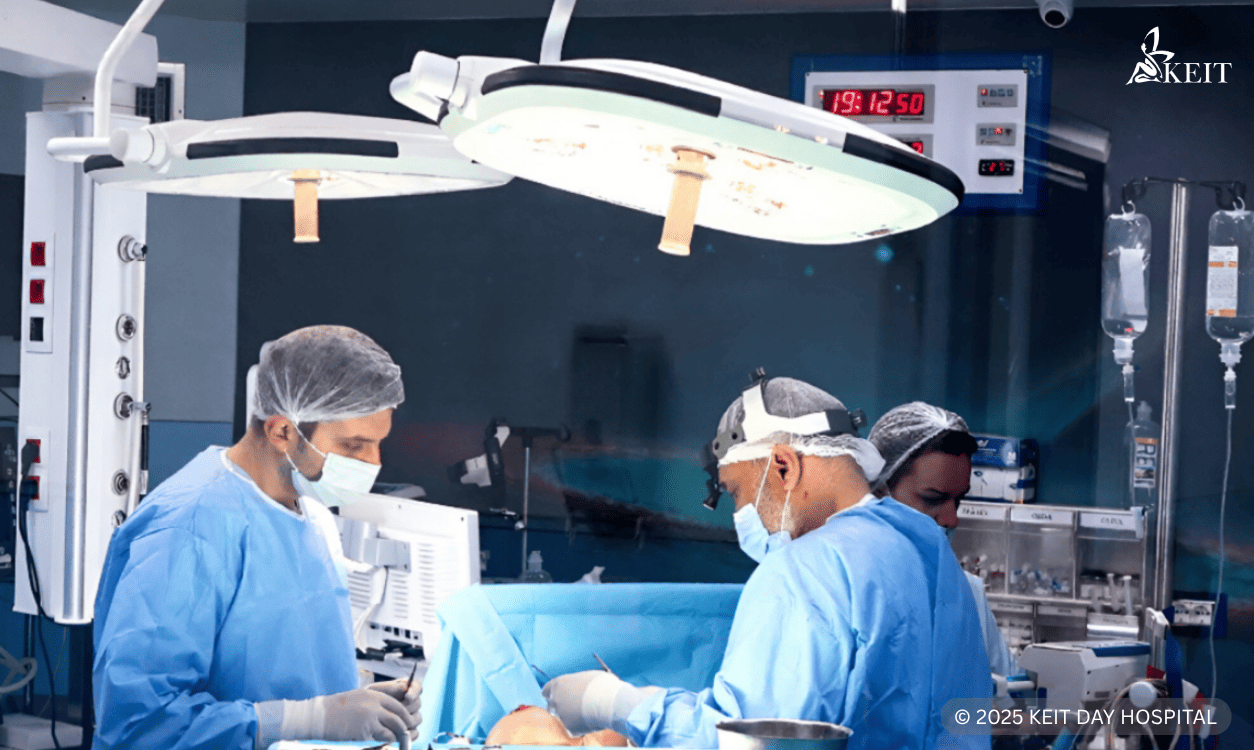
- Implant placement: The implant is positioned and adjusted to achieve a balanced, natural-looking result.
- Closure: Incisions are closed with fine sutures to support healing and minimise visible scarring.
Breast implants: Understanding implant breast augmentation
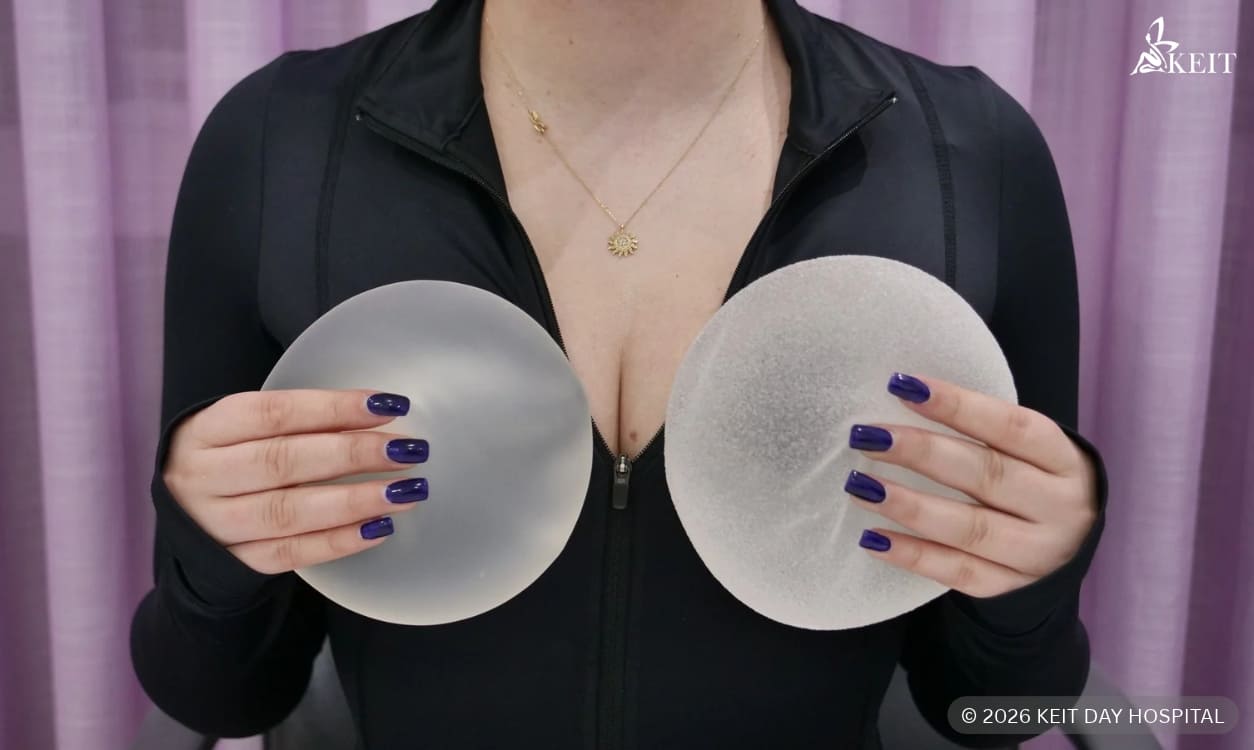
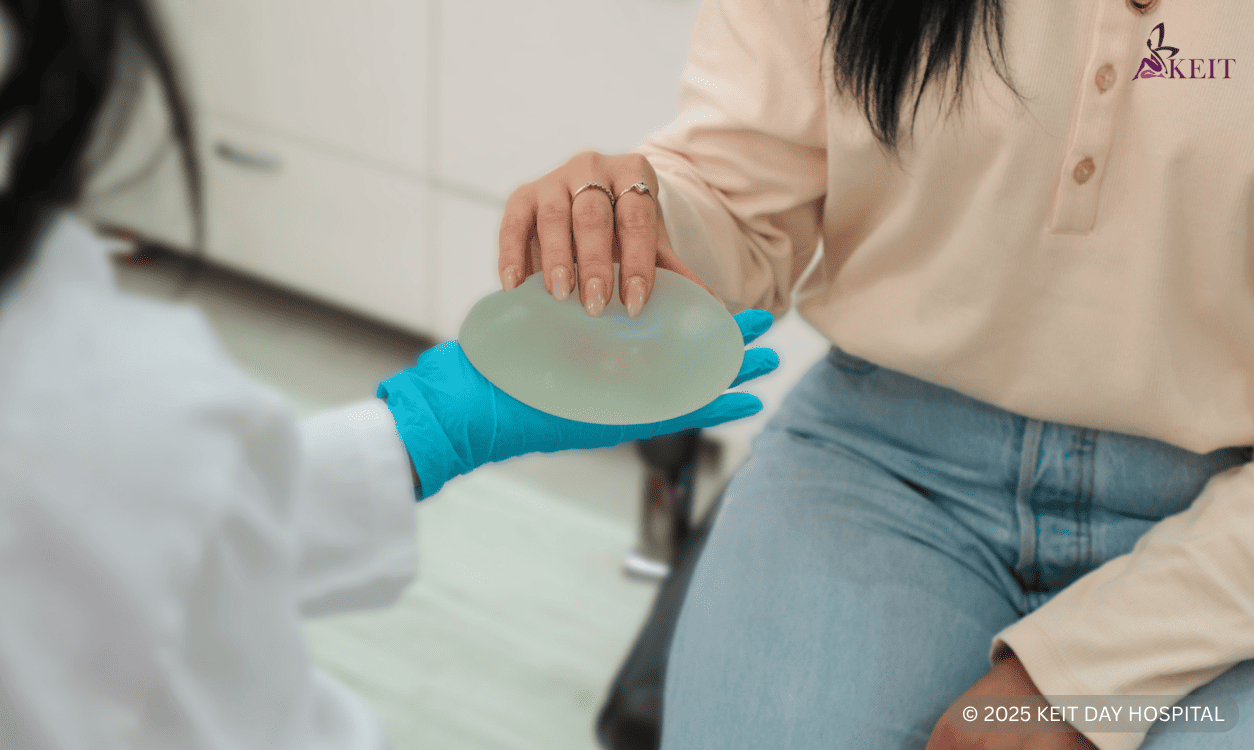
Breast implants are the most common option for breast augmentation, offering a reliable way to increase breast size, improve projection and enhance body proportion. The final result depends on choosing the right implant type, size, shape and placement for the patient’s anatomy and goals.
Silicone breast implants: The natural feel
Silicone implants are filled with cohesive silicone gel that closely mimics natural breast tissue. They are popular because they provide a soft feel, natural movement and less visible rippling.
Advanced silicone implants, including form-stable “gummy bear” implants, are designed to hold their shape and maintain projection over time. If a silicone implant ruptures, the gel usually remains inside the implant shell or surrounding tissue pocket, which is why it may not be immediately visible. This is known as a silent rupture and is usually monitored with ultrasound or MRI when recommended by the surgeon.
Saline implants: The adjustable approach
Saline implants have a silicone shell filled with sterile saltwater after placement in the breast. This allows the surgeon to adjust the volume during surgery, which can help improve symmetry between the breasts.
If a saline implant ruptures, the breast usually deflates visibly and the saltwater is safely absorbed by the body. This makes rupture easier to detect without routine imaging. Saline implants can be a suitable option for patients who prefer adjustability and a more straightforward rupture detection process.
How incision types impact implant placement
To understand your breast augmentation, it’s key to know about implant placement and incision types. Implants can go submuscular (under the chest muscle), subglandular (over the chest muscle, behind breast tissue), or dual plane (partly under muscle, partly behind tissue). Your incision choice directly impacts surgical access for these placements, influencing precision and results.
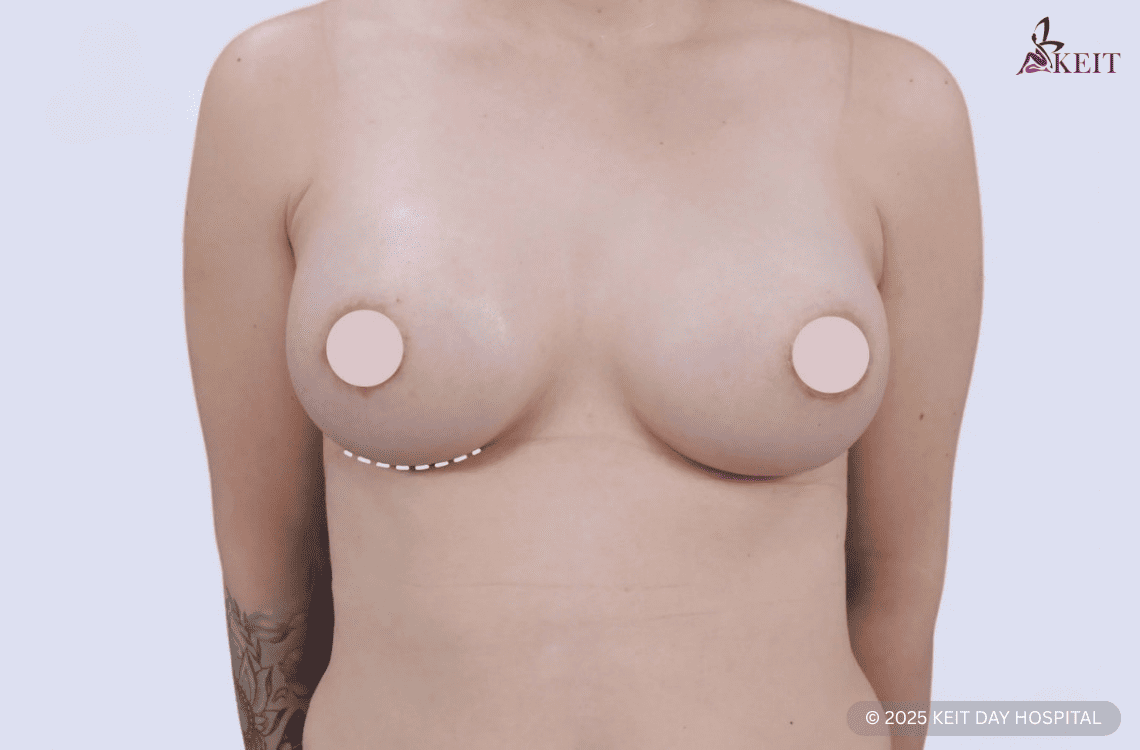
The inframammary incision
Placed in the natural fold beneath the breast, the inframammary incision offers direct surgical access and strong visibility during pocket creation and implant insertion.
It is compatible with all implant placements, including submuscular, subglandular and dual plane. It is often preferred for larger implants and revision surgery because it allows precise control and supports accurate implant positioning.
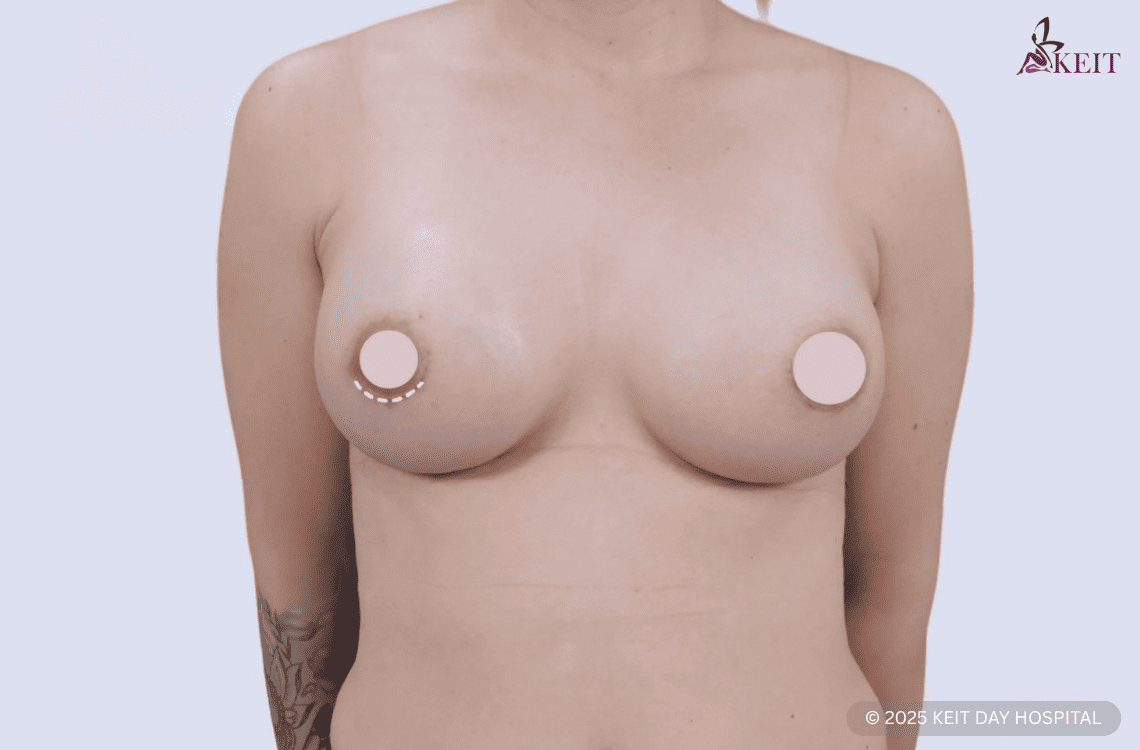
The periareolar incision
Placed along the border of the areola, the periareolar incision is aesthetically discreet because the scar blends with the natural colour transition of the skin.
It is often suitable for subglandular placement, but the smaller circular opening can limit visibility and access. This may make submuscular or complex dual-plane placement more technically demanding.
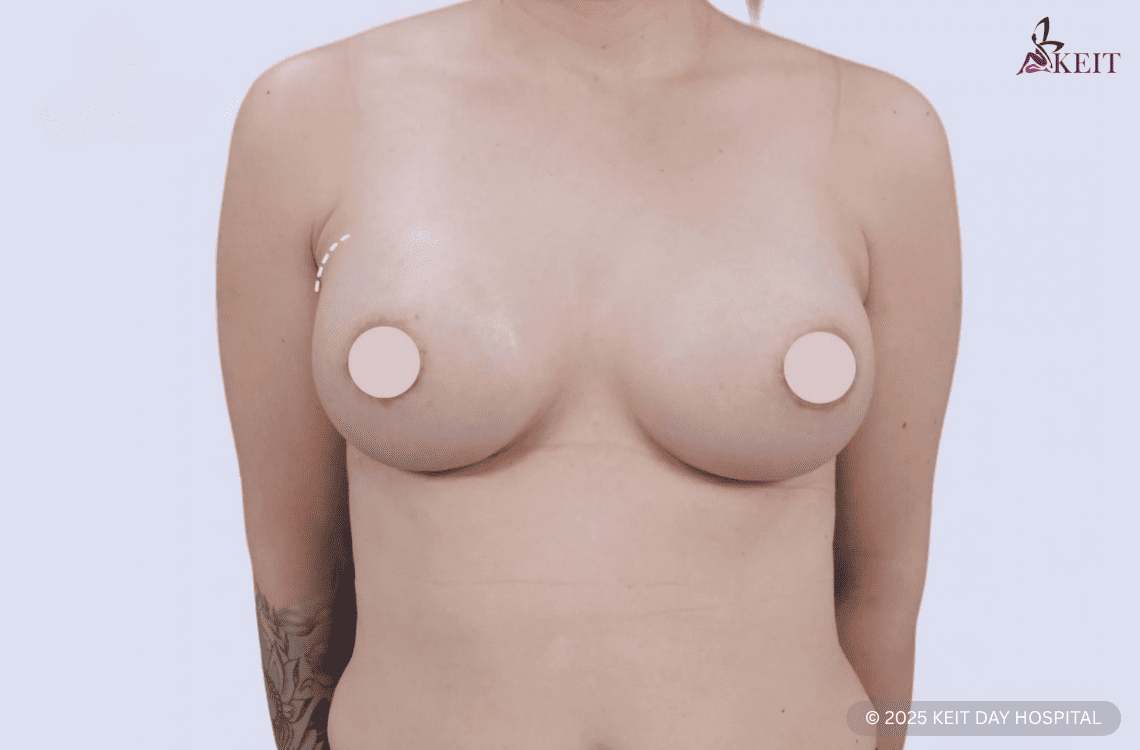
The transaxillary incision
Placed in the armpit, the transaxillary incision leaves no visible scar on the breast. The implant pocket is created through a tunnel from the armpit to the breast, often with endoscopic camera assistance.
It can be used for subglandular or submuscular placement, but the indirect access may make precise pocket creation, muscle manipulation and implant positioning more challenging compared to direct breast incisions.
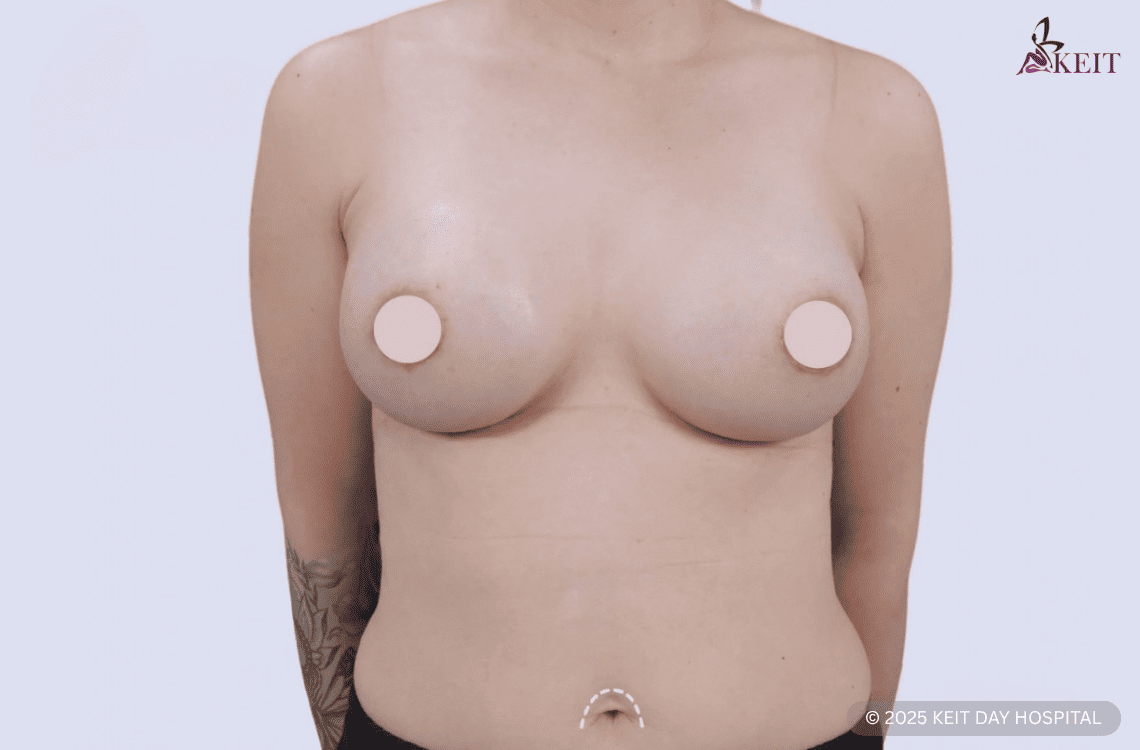
The transumbilical incision
The TUBA method involves an incision inside the belly button, tunneling up to the breast. Its main appeal is the absence of breast scars, but it carries significant limitations regarding implant placement.
This technique is only suitable for saline implants, as silicone implants cannot be inserted deflated. The extremely remote access severely restricts the surgeon’s control over pocket creation and precise implant positioning for submuscular or dual plane work. Due to these obstacles, TUBA is rarely offered by most surgeons today.

Fat transfer breast augmentation: How does it work?
Fat transfer breast augmentation is suitable for patients who want a subtle, natural-looking enhancement without implants. It uses the patient’s own fat to increase breast volume, helping the breasts look and feel natural while also contouring the donor area where the fat is removed.
The procedure involves three main steps:
- Harvesting (Liposuction): Excess fat is gently removed from a donor area, such as the abdomen or thighs, using liposuction.
- Purification: The collected fat is processed to separate healthy fat cells from excess fluid and unwanted components.
- Injection: The purified fat is carefully injected into the breast tissue in small amounts to improve volume, shape and symmetry.
Breast lift vs breast augmentation: Key differences
A breast lift and breast augmentation are often mentioned together, but they treat different concerns. A breast lift, or mastopexy, repositions sagging breasts and elevates the nipple-areola complex, while breast augmentation increases volume using implants or fat transfer.
Some patients choose to combine both procedures, especially after pregnancy, breastfeeding, weight changes or ageing, when the breasts have lost both volume and firmness. In these cases, augmentation restores fullness while the lift improves breast position and shape.
Breast augmentation recovery: Your journey to final results
Breast augmentation recovery happens in stages, from surgery day to the final healed result.
- Surgery day: Your procedure will be performed under general anesthesia and typically lasts 1 to 2 hours.
- Initial recovery: Expect several weeks of tightness, swelling, and soreness, which will be managed with medication and a supportive bra.
- Activity restrictions: Heavy lifting and strenuous exercise should be avoided for about 4–6 weeks.
- Scar healing: Your scar will gradually fade, with the most significant improvement happening over 12-18 months.
- Breastfeeding: Breastfeeding is often still possible, although the risk of difficulties may be slightly higher with periareolar incisions.
- Final results: The final shape and position of your breasts will settle over time, with results typically visible at the 3-6 month mark.
Benefits of breast augmentation surgery
Breast augmentation can improve breast volume, body proportion and self-confidence, with benefits that extend beyond appearance alone.
- Enhanced body proportions: Achieve a more balanced and proportionate silhouette.
- Improved self-confidence & body image: A fuller, more balanced breast shape can support body confidence and self-image.
- Restored breast fullness: Regain youthful breast volume and shape lost after pregnancy or weight loss.
- Improved clothing fit: Many patients enjoy a wider range of clothing options that fit better and are more flattering.
- Correction of asymmetry: Correct natural differences in breast size or shape for a more symmetrical appearance.
- A greater sense of femininity: Experience a significant boost in your sense of femininity and feel more confident in your own skin.
Possible risks: Breast augmentation contracture
Capsular contracture is a possible complication after breast augmentation with implants. It happens when the natural scar tissue that forms around the implant becomes unusually tight, making the breast feel firm, painful or distorted. The exact cause is not always clear, but factors such as infection, bleeding or implant rupture may increase the risk. Treatment depends on severity and may include monitoring, medication or surgery, such as capsule removal or implant replacement.
Choosing experienced surgeons and following aftercare instructions can help reduce the risk and support long-lasting results.
Breast augmentation cost UK
Breast augmentation in the UK typically costs 4,000 to 9,000 euro, depending on the implant type, surgical technique, procedure duration and whether it is combined with a breast lift or another treatment.
The surgeon’s experience, clinic standards and location also influence the final price. Breast augmentation in London is often priced at the higher end of the range due to higher demand and clinic operating costs. While lower prices may seem attractive, patients should compare the full quote carefully, including implant quality, safety standards, aftercare, follow-up visits, medications and any possible additional costs.
Breast augmentation cost abroad: Turkey vs Albania
When considering breast augmentation, there is more to evaluate than the final price. Patients should always consider the surgeon’s experience, implant quality, clinic standards, hygiene protocols, anaesthesia safety and the level of post-operative care included.
Turkey is one of the most established destinations for cosmetic surgery abroad, with breast augmentation prices typically ranging from 3,000 to 6,000 euro. More recently, Albania has also become a growing medical tourism destination, with breast augmentation costs usually ranging from 2,500 to 4,000 euro. At KEIT Day Hospital, packages are designed to support patients travelling from abroad, including flights, transfers, accommodation and post-operative check-ups. Breast augmentation starts from 2,900 euro, with flexible installment options available.