Published on:
 Modified on:

 Reading Time: 6 min

 Breast reduction
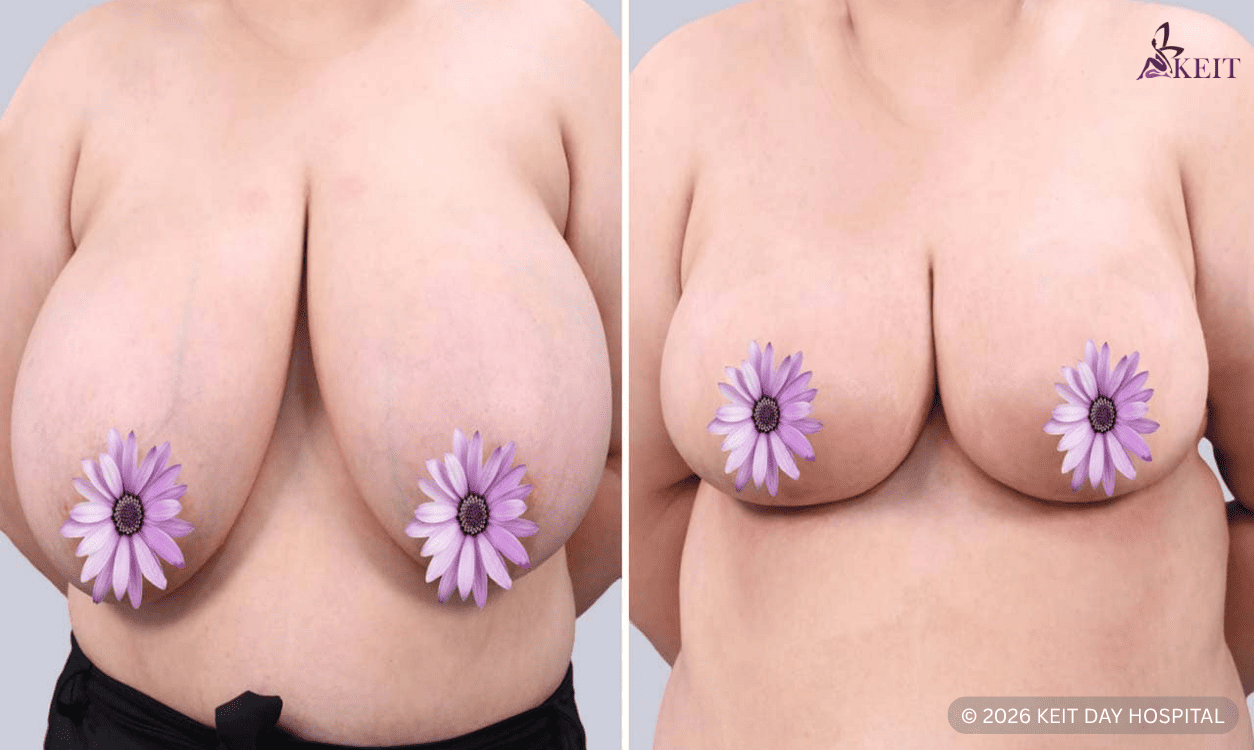
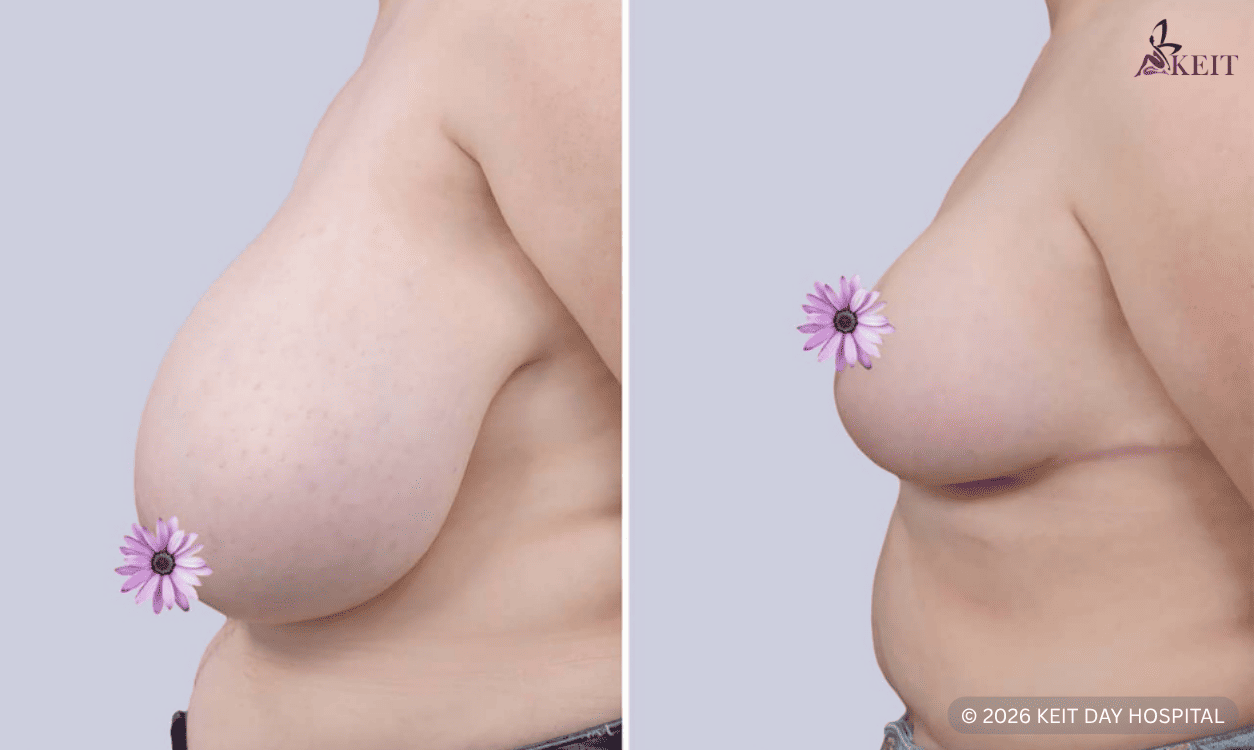
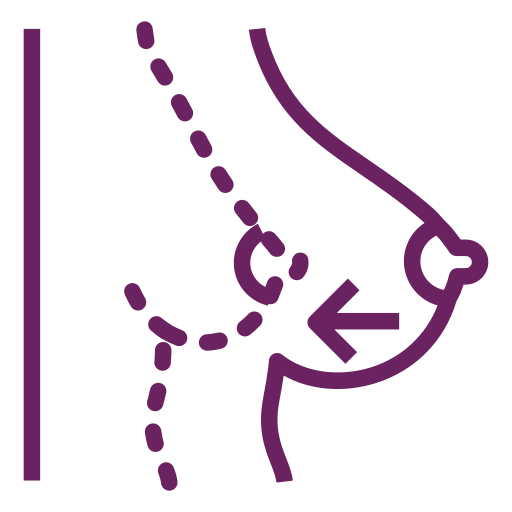
Overly large breasts can significantly impact a woman’s physical comfort, confidence and overall quality of life, often leading to chronic pain, skin irritation and emotional distress. Fortunately, breast reduction surgery, also known as reduction mammaplasty, offers a long-lasting solution by reducing breast size and weight while creating a more balanced body proportion.
 Table of Contents:
-
1
 Breast reduction surgery: Understanding the procedure
-
2
Breast reduction techniques
-
3
Liposuction: A supplementary approach
-
4
Breast reduction scars: What can you expect?
-
5
Breast reduction recovery: From procedure to final results
-
6
Benefits of breast reduction surgery
-
7
Breast reduction cost in the UK: Prices and NHS eligibility
-
8
Breast reduction cost abroad: Turkey vs Albania
In this guide, we explain how breast reduction surgery works, the main techniques used, what to expect from scars and recovery, the benefits, possible risks and how to understand whether this procedure may be right for you.
As follows, you will find a video explaining what breast reduction surgery is and how it works:
Breast reduction surgery: Understanding the procedure
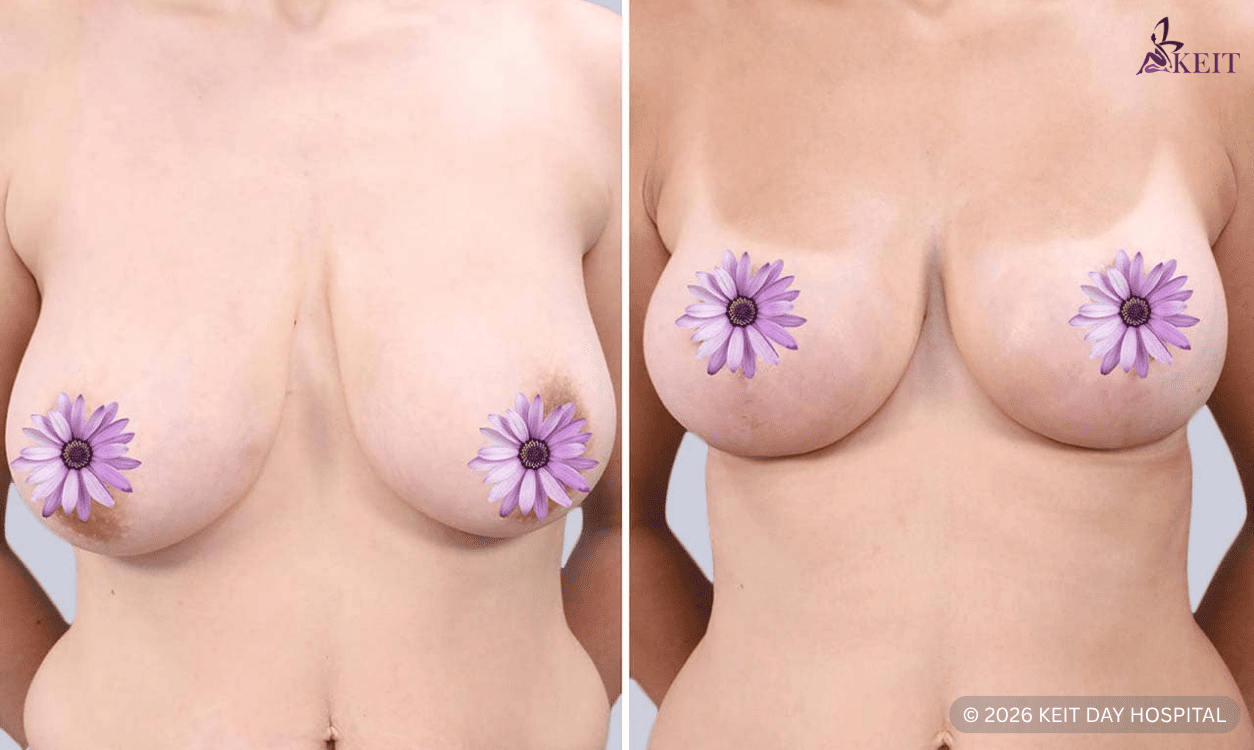
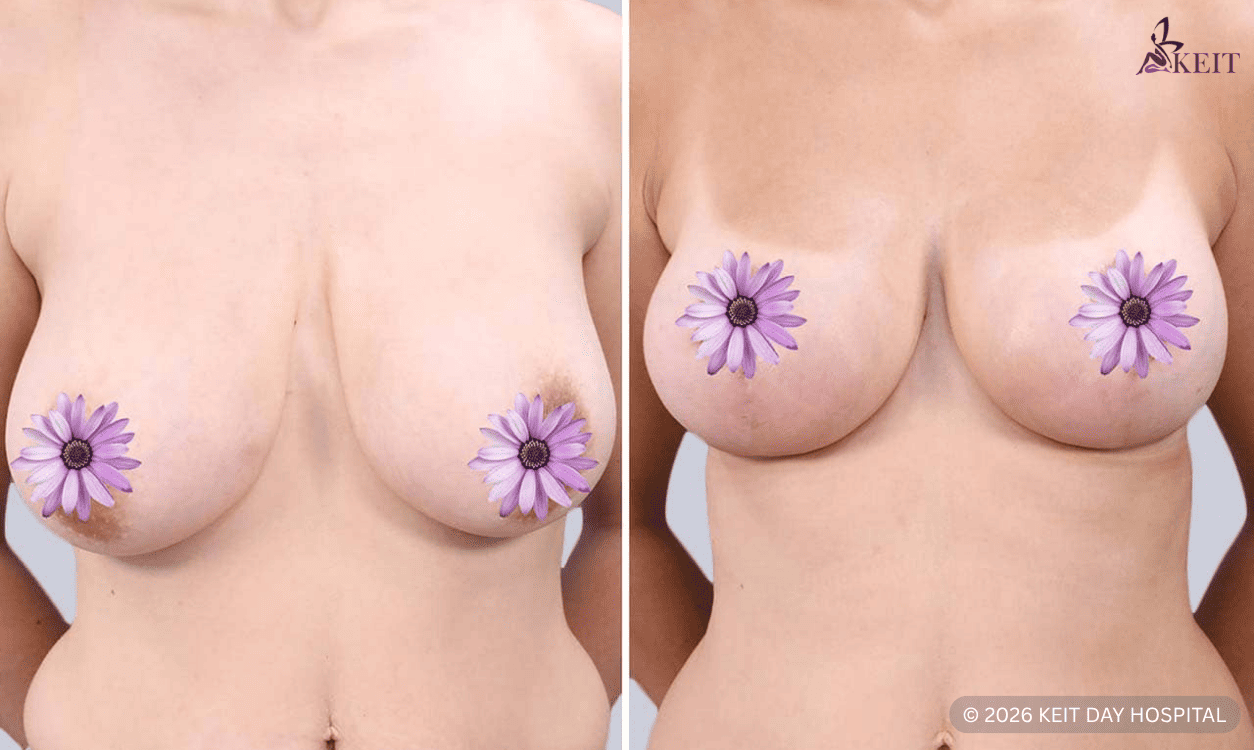
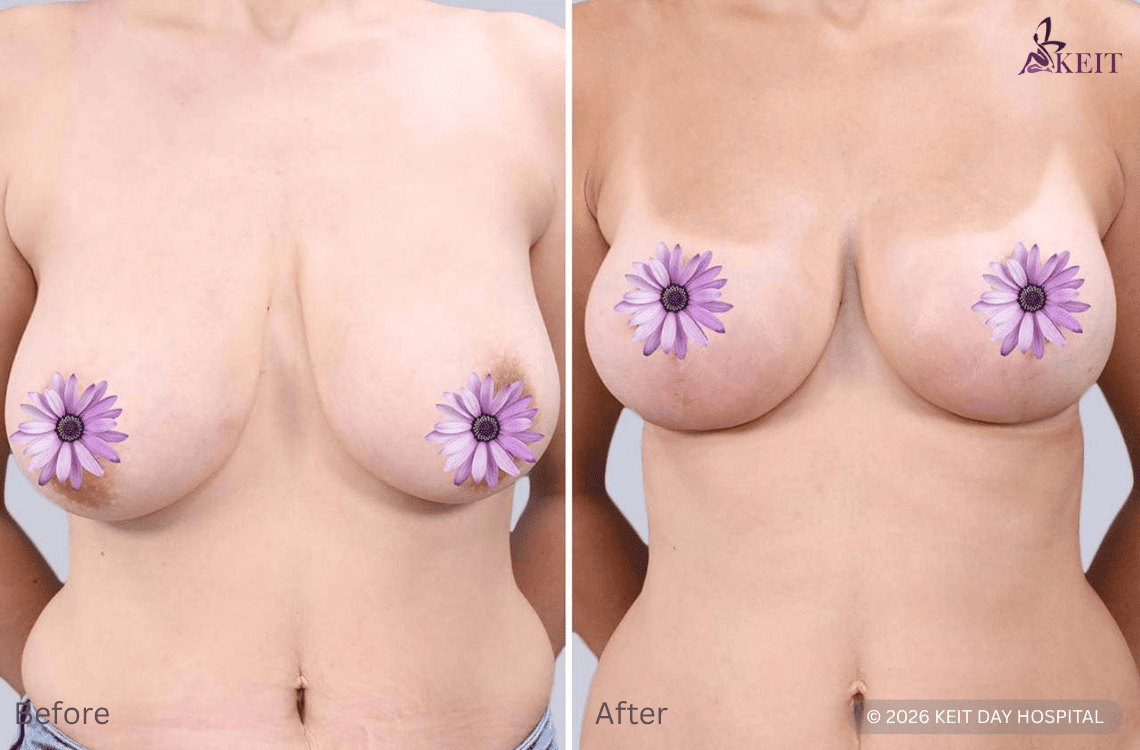
Breast reduction surgery is the definitive medical answer to the common question of “how to reduce the size of boobs”. This procedure permanently reduces breast size and weight by removing excess tissue, fat and skin. Often combined with a lifting effect, the procedure also reshapes the breasts and repositions the nipple-areola complex to create a lighter, more balanced contour.
The surgery for breast reduction typically involves these key stages:
- Anesthesia: General anaesthesia or local anaesthesia with sedation is used for comfort.
- Incision: The surgeon creates the incision pattern required for the chosen technique, such as Anchor, Vertical or Periareolar.
- Tissue removal: Excess fat, glandular tissue and skin are carefully removed to achieve your desired breast size and balance.
- Nipple-Areola repositioning: The nipple and areola are carefully moved to a higher, proportionate position on the reshaped breast.
- Closure: Incisions are closed with sutures, and temporary drains may be used if needed.
Breast reduction techniques
Breast reduction techniques vary depending on breast size, degree of sagging, skin quality and the amount of tissue that needs to be removed. There are several surgical approaches, each designed to reduce volume, reshape the breast and reposition the nipple-areola complex when needed.
The main breast reduction techniques include:
Anchor (Inverted-T) incision: The traditional technique
The Anchor incision, also known as the Inverted-T technique, is the traditional approach for patients who need a substantial breast reduction and lift. The incision runs around the areola, vertically down to the breast fold and horizontally along the crease, creating an anchor-like pattern.
This technique gives the surgeon wide access to remove larger amounts of breast tissue, fat and skin, while reshaping the breast and repositioning the nipple-areola complex. It is often recommended for very large or significantly sagging breasts. The main consideration is the more visible Inverted-T scar, although it usually fades over time and can often be concealed under bras or swimwear. The procedure typically lasts 3 to 4 hours, with light activities resumed in 2 to 3 weeks and full recovery in about 6 to 8 weeks.
Vertical (Lollipop) incision: The modern technique
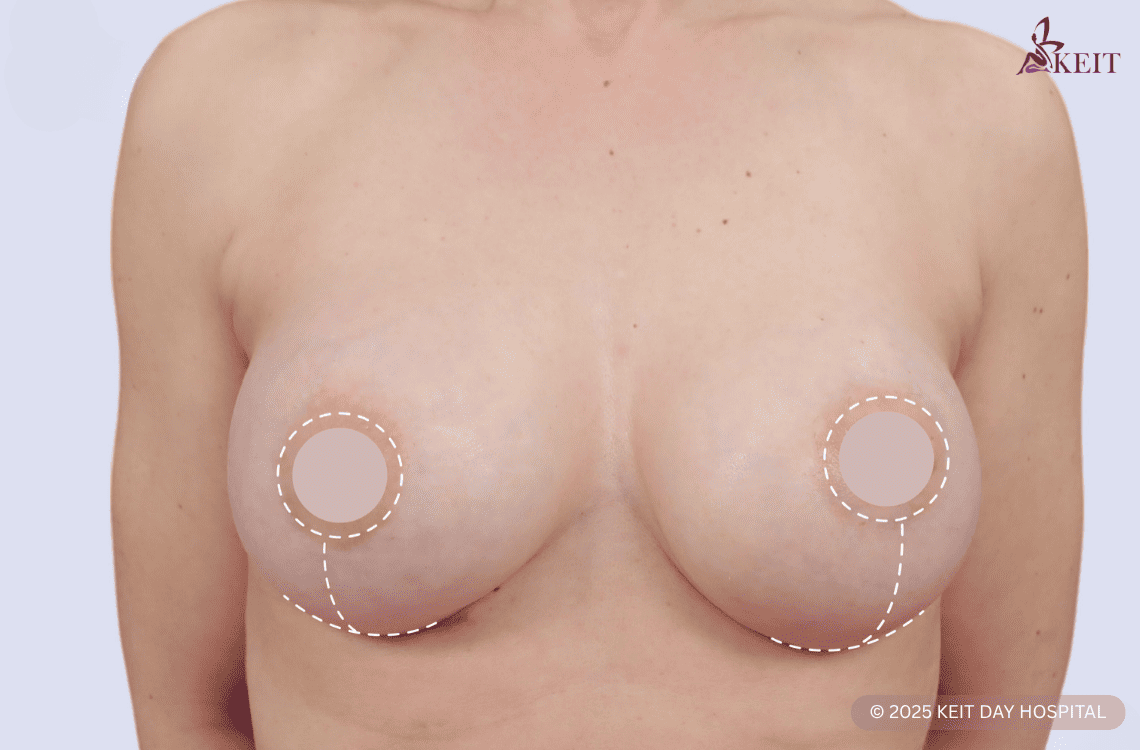
The Vertical incision, also known as the Lollipop technique, is a more modern breast reduction approach used for moderate to significant reduction and lift. The incision is made around the areola and continues vertically down to the breast crease, creating a lollipop-shaped pattern.
Compared to the traditional Anchor technique, this method avoids the horizontal scar along the breast fold, resulting in less extensive scarring. Through these incisions, the surgeon removes excess breast tissue, fat and skin, reshapes the breast internally and repositions the nipple-areola complex higher on the breast. The procedure usually lasts 2 to 3 hours, with light activities often resumed in 1 to 2 weeks and full recovery in about 4 to 6 weeks.
Circular (Periareolar) Incision: The minimal scar technique
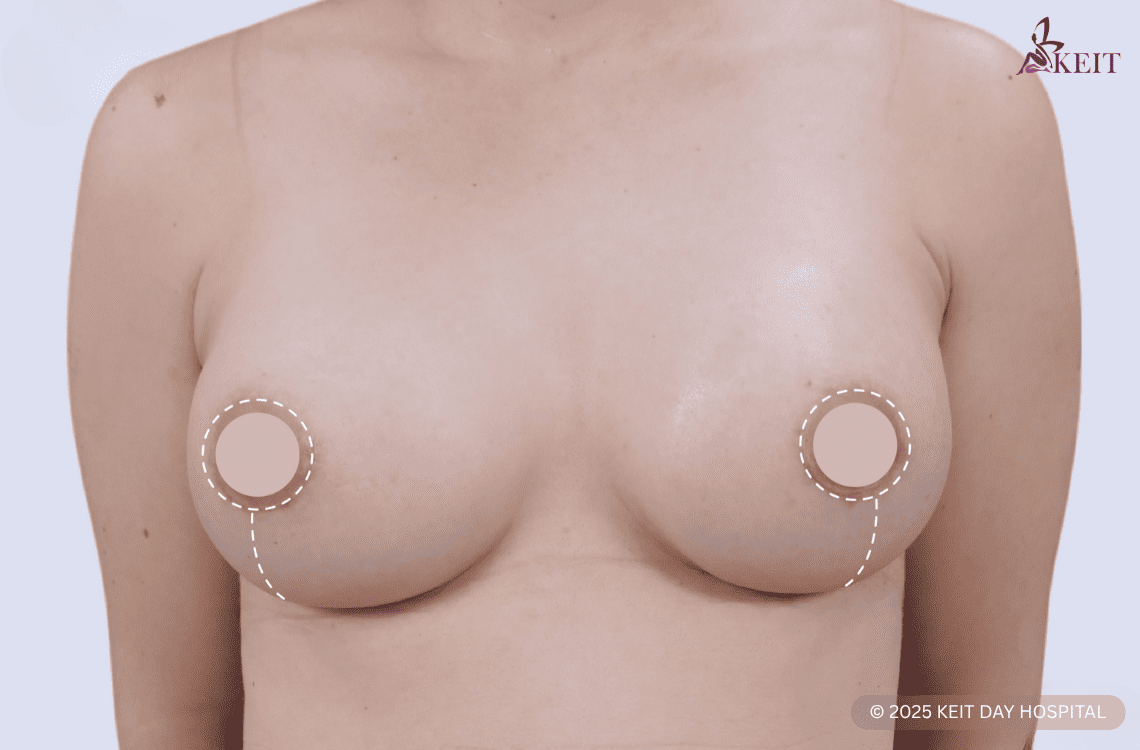
The Circular incision, also known as the Periareolar technique, is used for modest breast reduction, minor lifting or areola correction. The incision is made around the outer edge of the areola, helping the scar blend with the natural color transition of the skin.
This technique removes a limited amount of skin and breast tissue, making it suitable for patients with good skin elasticity and minimal sagging. Its main advantage is discreet scarring, while its limitation is that it cannot achieve major reduction or significant lifting. Light activities can usually resume in 1 to 2 weeks, with full recovery in about 3 to 5 weeks.
Liposuction: A supplementary approach
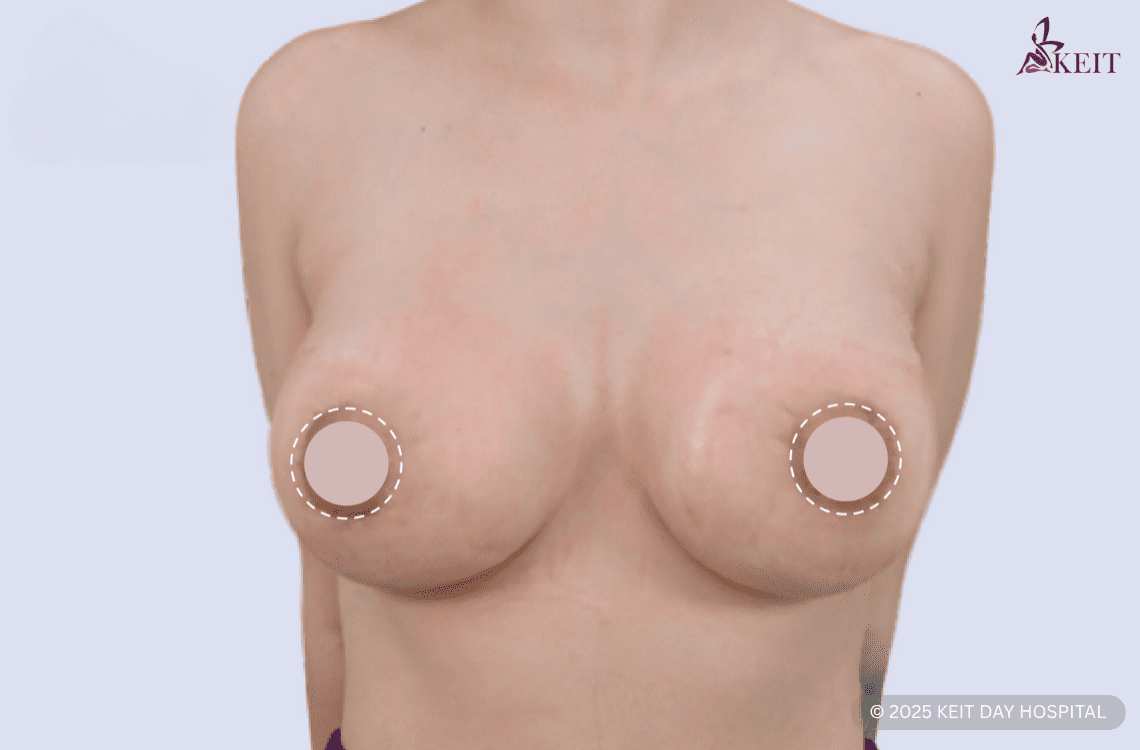
Liposuction can be used as a supplementary technique in breast reduction or as a standalone option for very minor reductions. It removes excess fatty tissue through small incisions, making it best suited for patients whose breast size is mainly due to fat rather than glandular tissue or excess skin.
During the procedure, a thin cannula is inserted through tiny incisions to break down and remove fat. Its main advantages are minimal scarring and faster recovery. However, liposuction cannot remove significant glandular tissue, tighten excess skin or provide a major lift. The procedure usually lasts 1 to 2 hours, with many patients returning to normal activities within a few days to 1 week.

Breast reduction scars: What can you expect?
Breast reduction scars are permanent, but they usually fade and become less noticeable over time. Their placement depends on the surgical technique used.
The table below compares the main scar patterns by technique.
| Technique | Scar location | Final shape | Level of scarring |
|---|---|---|---|
| Anchor | Around the areola, vertically to the crease and along the fold. |
An anchor or inverted 'T' shape. |
Most extensive |
| Lollipop | Around the areola and vertically down to the crease. |
A lollipop or keyhole shape. |
Moderate |
| Circular | Confined to the border of the areola. |
A circular shape. | Least extensive/ most discreet |
Breast reduction recovery: From procedure to final results
Breast reduction recovery happens in stages, from surgery day to the final healed result.
- Surgery day: The procedure is performed under anaesthesia in a controlled surgical setting.
- Initial recovery: Swelling, bruising and discomfort are expected in the first days.
- Activity restrictions during recovery: Light activities can usually resume in 1–3 weeks; exercise is typically avoided for 6–8 weeks.
- Scars: Scars gradually fade over 12–18 months with proper care.
- Breastfeeding considerations after surgery: Be aware that breastfeeding may be difficult or impossible after the surgery.
- Final results: Breast shape and size usually settle within 6–12 months.
Benefits of breast reduction surgery
Breast reduction surgery can improve physical comfort, mobility and overall well-being, with benefits that go beyond aesthetics.
- Relief from physical discomfort: Reduces back, neck and shoulder pain, headaches and bra strap pressure.
- Improved posture & mobility: A lighter chest can make movement, exercise and daily activities easier.
- Better clothing comfort: Bras and clothing often fit more comfortably and proportionately.
- Reduced skin irritation: Helps relieve rashes, sweating and irritation under the breasts.
- Improved self-confidence: A more balanced breast size can support body confidence and a healthier self-image.
- Enhanced quality of life: Many patients feel more comfortable, active and confident in everyday life.
Breast reduction cost in the UK: Prices and NHS eligibility
For patients considering breast reduction in the UK, the typical cost ranges from 5,000 to 9,000 euro. The final price depends on the procedure’s complexity, the amount of tissue removed, the surgical technique, operation length and whether hospitalisation is required. Surgeon experience and clinic standards can also influence the overall breast reduction price. Breast reduction may be available through the NHS, but only when there is a clear medical need, such as chronic pain, skin problems or significant physical symptoms. Cosmetic breast reduction is not funded by the NHS.
Breast reduction cost abroad: Turkey vs Albania
Turkey is one of the most established destinations for cosmetic surgery abroad, with breast reduction prices typically ranging from 3,000 to 5,000 euro. Albania has also become a growing medical tourism option, with breast reduction costs usually ranging from 2,500 to 4,000 euro.
At KEIT Day Hospital in Albania, breast reduction packages start from 3,100 euro. Care is provided by experienced Italian plastic surgeons in a modern clinical setting, with coordinated support for travel, accommodation, communication and post-operative follow-up.