Published on:
 Modified on:

 Reading Time: 3 min
 Breast reduction
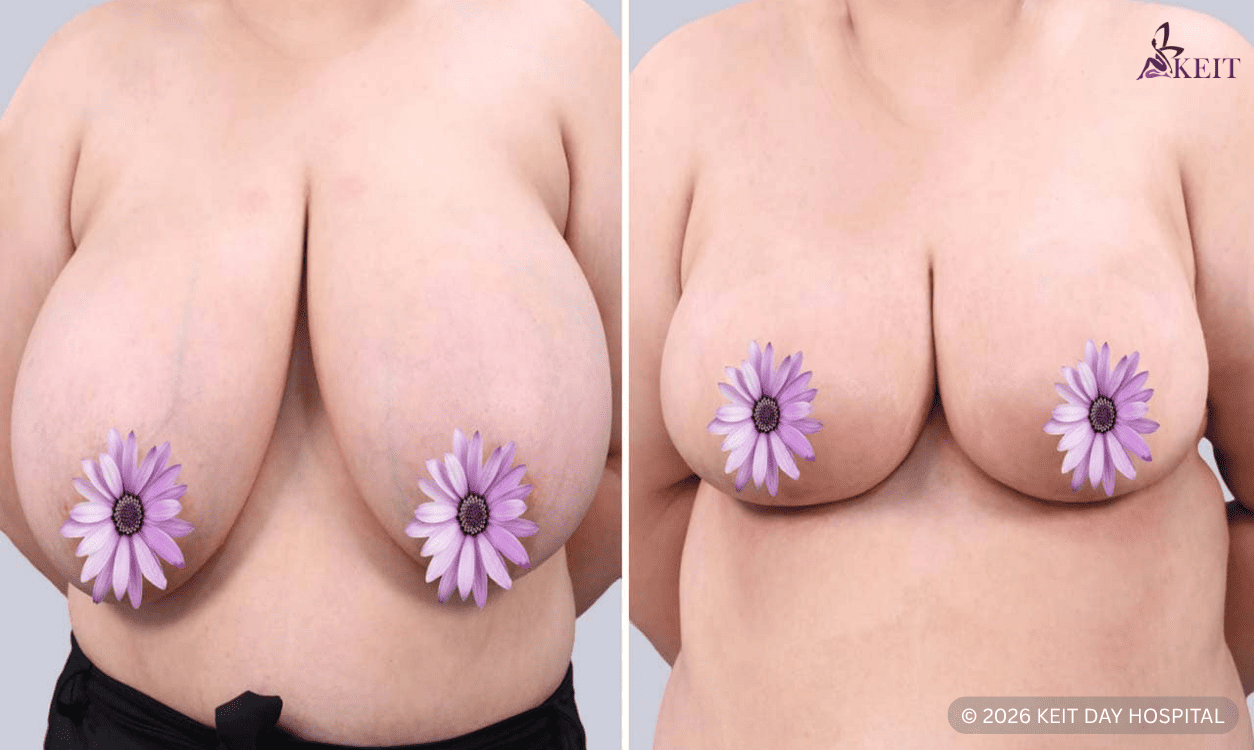
Gigantomastia is a rare medical condition characterized by excessive and rapid breast growth that goes beyond normal breast enlargement. It can develop during adolescence or pregnancy, be medication-related, or occur without an identifiable cause. In many cases, breast reduction surgery is the most effective solution to relieve symptoms and restore daily function.
 Table of Contents:
-
1
 Gigantomastia: What it is and the difference between macromastia and breast hypertrophy
-
2
Gigantomastia: What types are there?
-
3
Gigantomastia symptoms and early signs
-
4
What causes gigantomastia?
-
5
Gigantomastia diagnosis: How to know if you have gigantomastia?
-
6
Breast reduction for gigantomastia: Surgical procedure explained
-
7
Gigantomastia reduction surgery: Recovery timeline
-
8
Breast reduction for gigantomastia: Before and after results
-
9
Risks and complications after breast reduction surgery
This comprehensive guide explains what gigantomastia is and how it differs from macromastia and breast hypertrophy. You will also learn about its main types, common symptoms, and primary causes. We then cover the diagnostic process and the surgical approach to gigantomastia breast reduction. Finally, we explain the recovery timeline, before and after results, and the potential risks of surgery.
Gigantomastia: What it is and the difference between macromastia and breast hypertrophy
Gigantomastia is an extreme and pathological form of breast hypertrophy in which breast tissue increases disproportionately and continues to grow beyond the body’s normal regulatory control.
The primary differences between breast hypertrophy, macromastia, and gigantomastia are as follows:
- Breast hypertrophy: Increased breast tissue volume; may or may not cause symptoms.
- Macromastia: Large breasts that develop gradually and can cause chronic discomfort (back or shoulder strain), but growth is stable.
- Gigantomastia: Extreme, rapidly progressive enlargement that often leads to major pain, skin complications, and functional limitation, frequently requiring surgery.
Gigantomastia: What types are there?
Gigantomastia can appear in several clinical forms, depending on timing, triggers, and growth pattern:
- Juvenile gigantomastia: Occurs during puberty, progresses rapidly and can impact posture and psychological health.
- Gestational gigantomastia: Triggered by hormonal changes during pregnancy and may persist after delivery.
- Drug-induced gigantomastia: A rare form triggered by medications that disrupt hormonal balance.
- Idiopathic gigantomastia: Breast enlargement with no identifiable hormonal or medical cause.
- Unilateral and bilateral gigantomastia: Affects either one breast (unilateral) or both (bilateral), with bilateral being most common.
Gigantomastia symptoms and early signs
Gigantomastia presents a range of symptoms and early signs, which include:
- Rapid breast enlargement over weeks or months.
- Breasts getting bigger without weight gain.
- Heavy, painful, or tender breasts.
- Skin stretching, redness, rashes, or ulceration.
- Neck, shoulder, and back pain.
- Poor posture and difficulty with daily activities.
What causes gigantomastia?
The causes of gigantomastia are linked to several underlying factors, most commonly:
- Extreme sensitivity to estrogen or progesterone.
- Hormonal changes during puberty or pregnancy.
- Autoimmune conditions.
- Certain medications (drug-induced gigantomastia).
- Genetic predisposition.

Gigantomastia diagnosis: How to know if you have gigantomastia?
Gigantomastia is diagnosed through a specialist assessment with a breast or plastic surgeon. The evaluation usually includes:
- Speed and extent of breast growth.
- Medical and hormonal history.
- Physical examination and imaging.
- Exclusion of tumors or endocrine disorders.
Breast reduction for gigantomastia: Surgical procedure explained
Breast reduction is the definitive and most effective surgical procedure for gigantomastia, as it directly addresses the excessive breast tissue responsible for pain, functional limitation, and skin complications.
The procedure is carried out under general anesthesia and involves:
- Tissue removal: Excising massive amounts of glandular tissue, fat, and skin.
- Repositioning: Shifting the nipple-areola complex to a natural anatomical position.
- Reshaping: Lifting and contouring the remaining tissue for a lighter, functional size.
- Refined closure: Specialized suturing to support the new weight and optimize healing.
Gigantomastia reduction surgery: Recovery timeline
Recovery after gigantomastia reduction surgery is gradual and occurs in clearly defined stages:
- Week 1–2: Swelling, bruising and limited movement.
- Weeks 3–6: Gradual return to daily routines and non-strenuous activities.
- 2–3 months: Stabilization of breast tissue and significant reduction in pain and heaviness.
- 6–12 months: Final stabilization of breast contour and scar maturation.
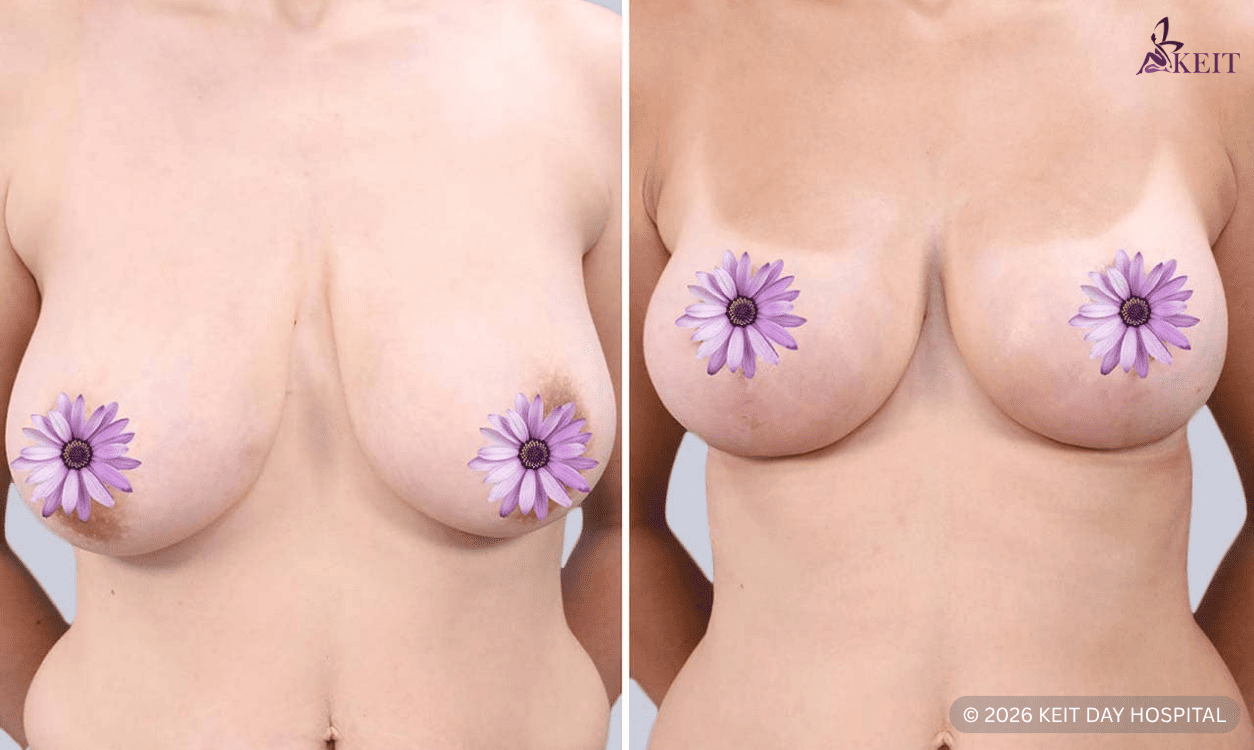
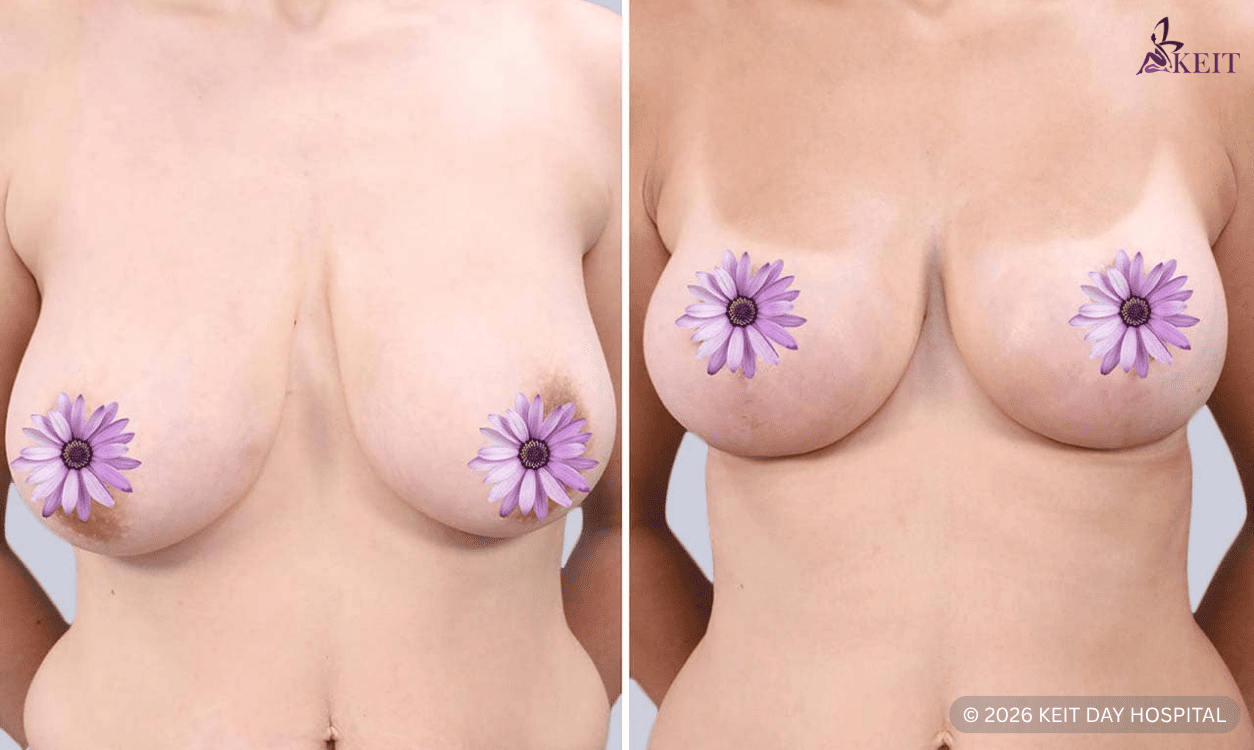
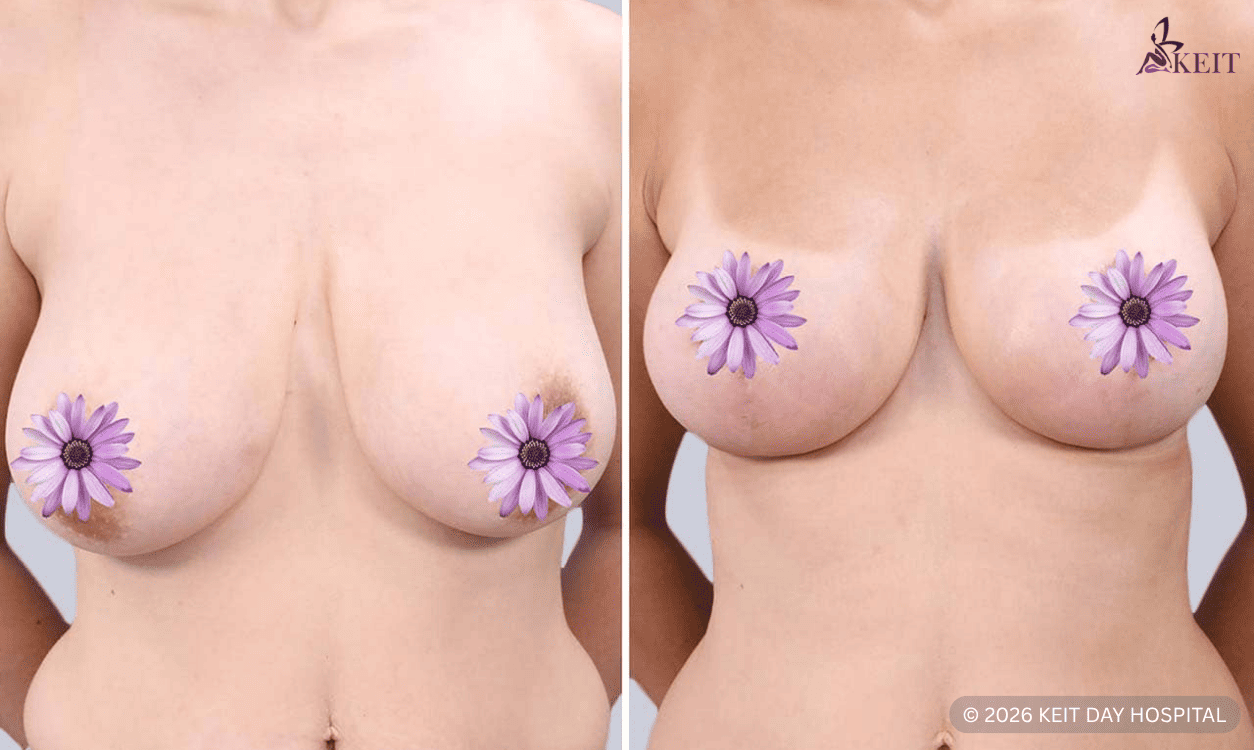
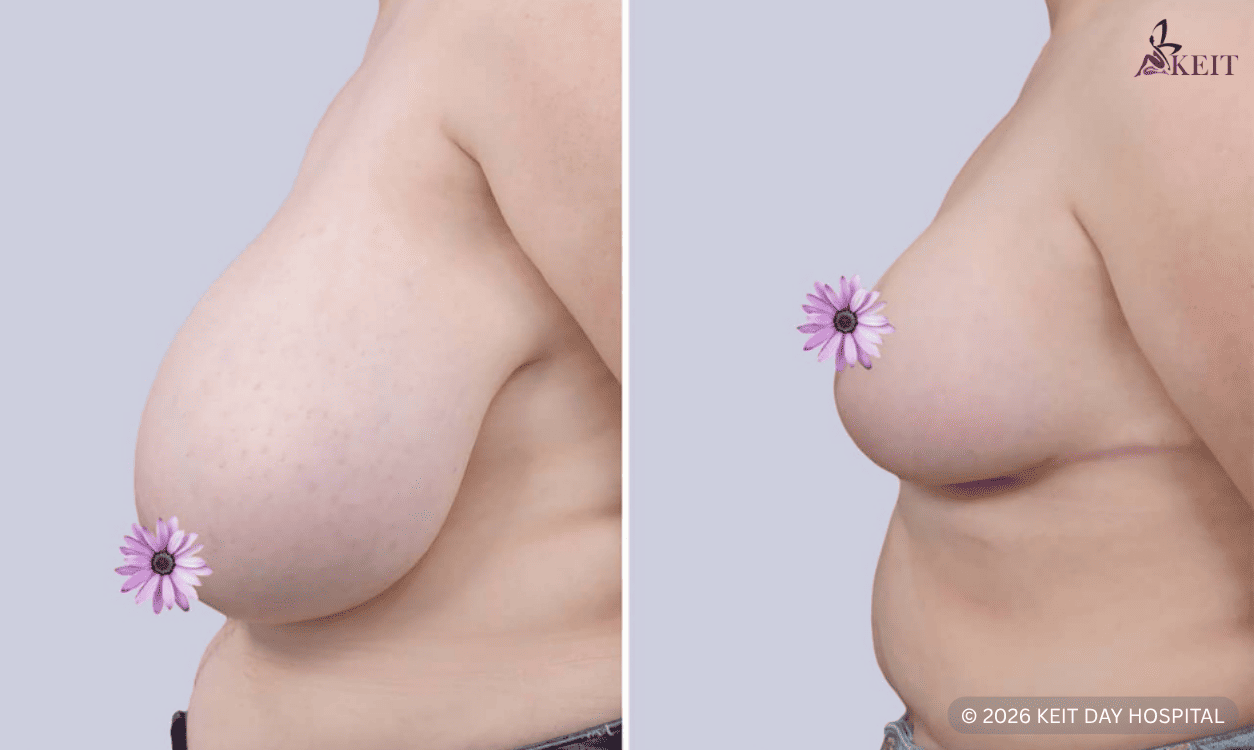
Breast reduction for gigantomastia: Before and after results
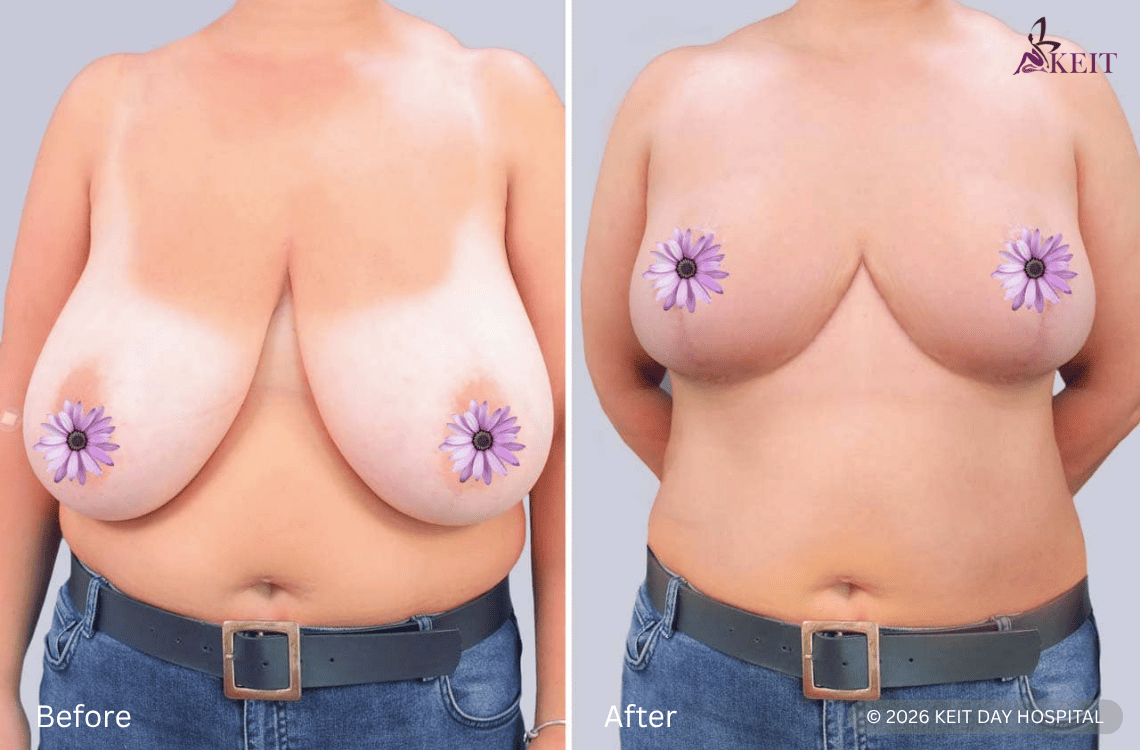
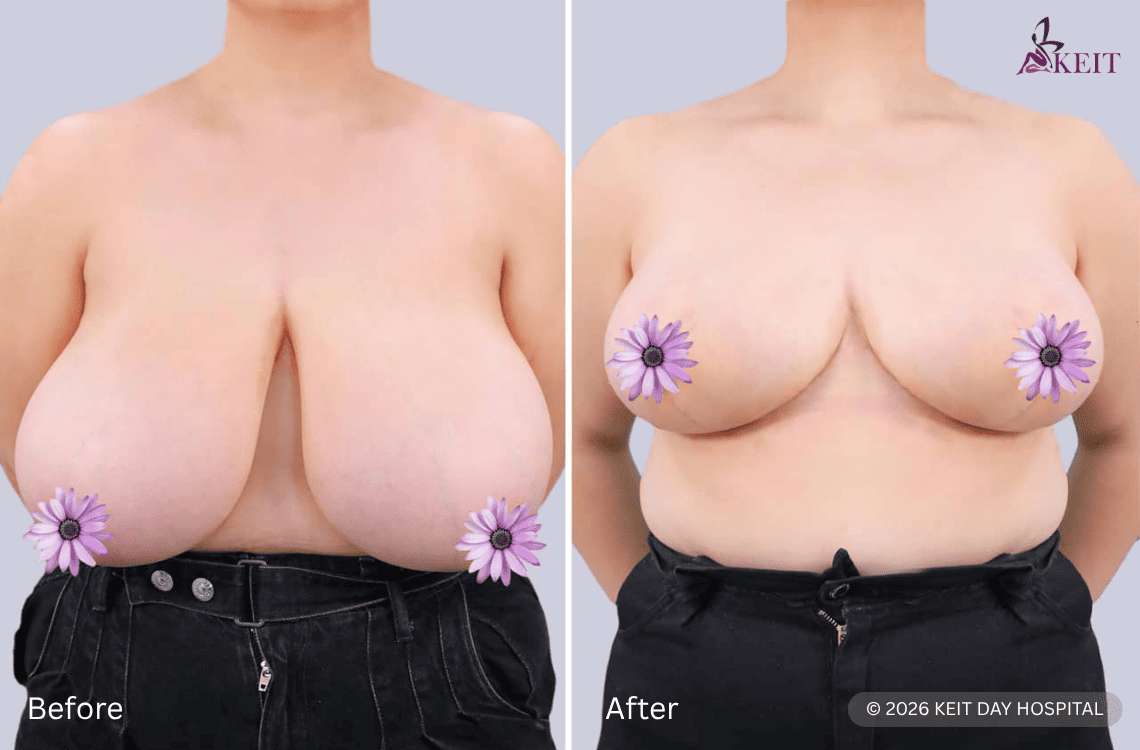
Breast reduction for gigantomastia leads to significant improvements in physical function and anatomical balance, with the most common before and after results including:
- Immediate relief from back and shoulder pain.
- Improved mobility and posture.
- Healthier skin and reduced infections.
Risks and complications after breast reduction surgery
Like any surgical procedure, breast reduction carries certain risks and complications, which include:
- Delayed wound healing (particularly along incision lines).
- Visible scarring.
- Infection or fluid collection.
- Bleeding or hematoma in the early days after surgery.
- Changes in nipple or breast sensation (temporary or, less commonly, permanent).
- Breast asymmetry or shape changes as swelling settles.
- Breast regrowth or recurrence in hormonally active patients (puberty, pregnancy, certain hormonal conditions).