Published on:

 Reading Time: 5 min

 Otoplasty
Cauliflower ear is a permanent deformity of the outer ear that develops when trauma causes blood to accumulate between the ear cartilage and its surrounding tissue, forming an auricular hematoma. If left untreated, this can disrupt cartilage nourishment, leading to scar tissue formation, thickening, and an irregular ear shape. Early medical treatment can prevent permanent deformity, while established cauliflower ear may require reconstructive surgery to restore a more natural ear contour.
 Table of Contents:
-
1
 What is cauliflower ear?
-
2
What causes cauliflower ear?
-
3
What are the first signs and symptoms of cauliflower ear?
-
4
How is cauliflower ear treated?
-
5
Can established cauliflower ear be fixed with surgery?
-
6
Is cauliflower ear dangerous?
-
7
How can cauliflower ear be prevented?
-
8
When should you see a specialist for cauliflower ear?
In this article, we explain what cauliflower ear is, its underlying causes, and how to recognize the early signs and symptoms. We also discuss available treatments, surgical correction of established deformities, potential complications, preventive measures, and when to seek specialist evaluation.
What is cauliflower ear?
Cauliflower ear is a deformity of the outer ear (auricle or pinna) characterized by thickened, irregular cartilage and scar tissue that give the ear a cauliflower-like appearance. Although sometimes referred to as “cauliflower ear disease”, it is not a disease but a structural deformity that typically develops after an untreated auricular hematoma, a collection of blood between the ear cartilage and its surrounding tissue.
When this blood accumulation disrupts the cartilage’s nutrient supply, abnormal healing can cause permanent thickening, distortion, and loss of the ear’s natural contours. Cauliflower ear may affect one or both ears, depending on the extent of the injury.
What causes cauliflower ear?
Cauliflower ear is caused by direct injury or repeated trauma to the outer ear, most commonly during contact sports. The most common causes include:
- Contact sports: Rugby, boxing, wrestling, mixed martial arts (MMA), and Brazilian jiu-jitsu (BJJ), where repeated impacts and friction can injure the ear.
- Direct trauma: Falls, accidents, or blows to the ear that cause bleeding and swelling.
- Repeated pressure or friction: Persistent mechanical stress that damages the tissues surrounding the ear cartilage.
- Ear piercing complications: Cartilage infections or injuries that can occasionally lead to tissue damage and deformity.
Although cauliflower ear is particularly common among rugby players and combat-sport athletes, it can also develop after a single significant injury if an auricular hematoma is not treated promptly.
What are the first signs and symptoms of cauliflower ear?
The first signs are usually pain, swelling and bruising of the outer ear after trauma, often with a soft or fluctuant area where an auricular haematoma has formed.
Early symptoms may include:
- pain or tenderness of the outer ear;
- swelling of the ear following an injury;
- bruising or discolouration;
- a soft or fluctuant swelling over the ear cartilage;
- loss of the normal contours of the ear.
At this stage, the condition may still be an acute auricular haematoma rather than established cauliflower ear. If the haematoma is treated promptly, the development of permanent cartilage deformity can often be prevented.
Once the deformity has developed, the ear becomes thicker, firmer and irregular in shape as scar tissue and abnormal cartilage form.

How is cauliflower ear treated?
Early cauliflower ear treatment focuses on draining accumulated blood, preventing further cartilage damage, and reducing the risk of permanent deformity. Prompt medical intervention is essential for successful treatment.
The main treatment steps include:
- Hematoma drainage: A healthcare professional removes accumulated blood through needle aspiration or a small incision, depending on the injury.
- Compression dressing: A pressure dressing or bolster is applied after drainage to prevent blood from collecting again and support proper healing.
- Medication: Pain relievers and, when clinically indicated, antibiotics may be prescribed to manage discomfort and reduce the risk of infection.
- Follow-up care: The ear is monitored to ensure proper healing and detect any recurrence of the hematoma.
Treatment should be performed by a qualified healthcare professional. Attempting to drain cauliflower ear at home can cause infection, recurrent bleeding, and further cartilage damage.
Can established cauliflower ear be fixed with surgery?
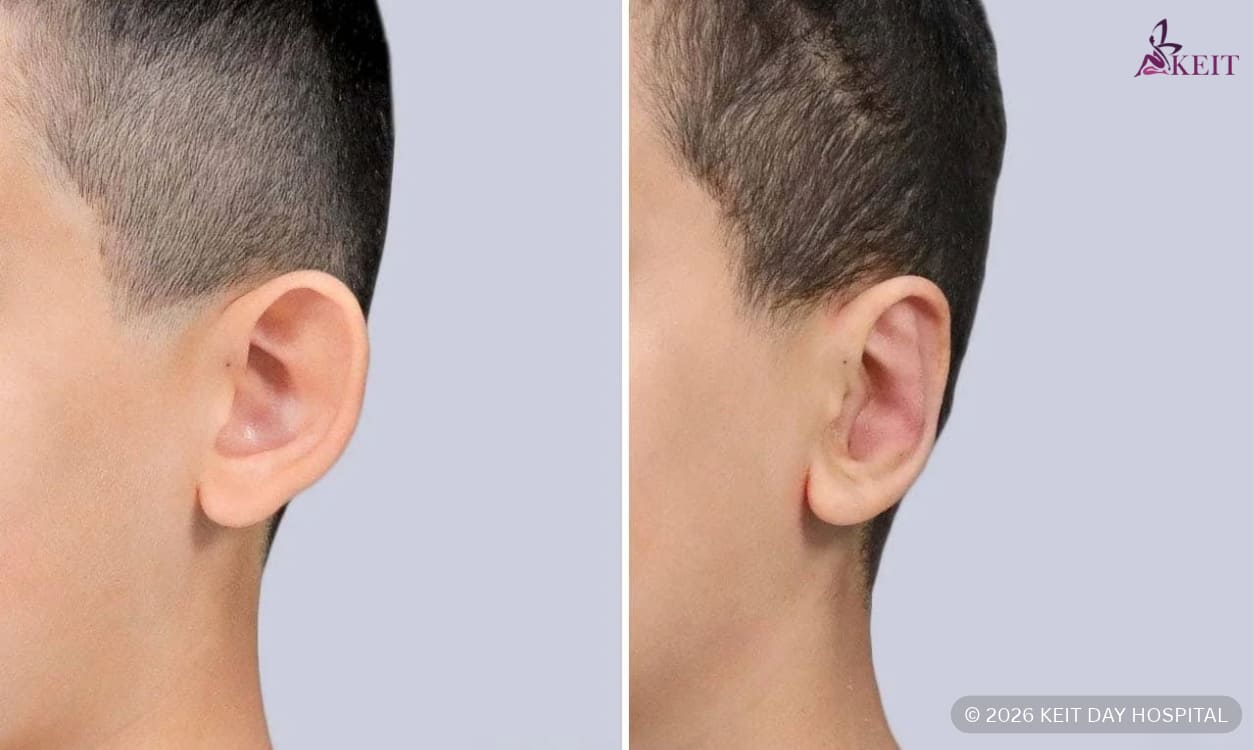
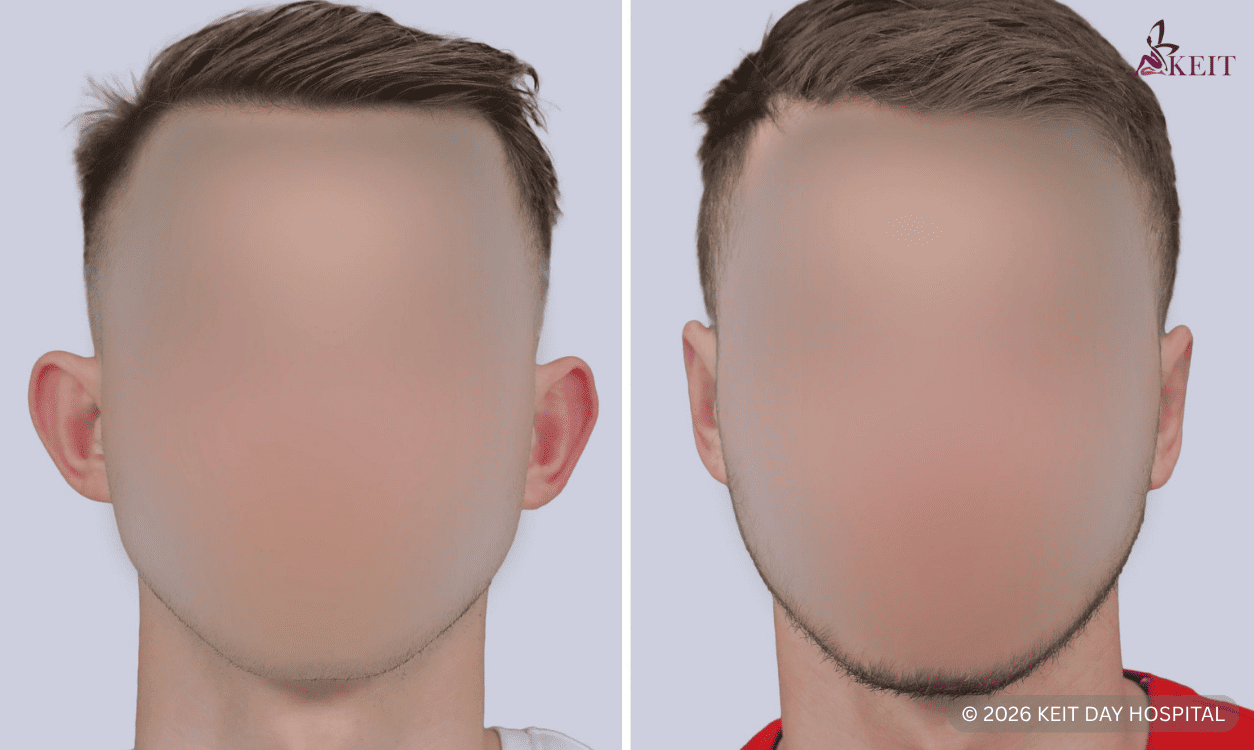
Yes, established cauliflower ear can be corrected through reconstructive otoplasty, a surgical procedure designed to improve the shape and contours of the outer ear. Surgery may be recommended when permanent cartilage thickening and scar tissue have caused a visible deformity that cannot be corrected with non-surgical treatment.
Reconstructive otoplasty aims to restore a more natural ear shape and improve symmetry. However, the results depend on the severity of the deformity, and complete restoration of the ear’s original appearance is not always possible.
Is cauliflower ear dangerous?
Cauliflower ear is not usually life-threatening, but untreated injuries can lead to permanent ear deformity and, in some cases, serious complications.
Potential complications include:
- Permanent deformity: Scar tissue and abnormal cartilage growth can permanently alter the ear’s shape.
- Infection: Infection of the tissues surrounding the cartilage (perichondritis) can cause pain, redness, swelling, and further cartilage damage.
- Cartilage damage: Reduced blood and nutrient supply can damage the cartilage and, in severe cases, cause tissue death (necrosis).
- Hearing difficulties: Severe deformity may narrow the external ear canal and affect hearing.
How can cauliflower ear be prevented?
Cauliflower ear can often be prevented by protecting the outer ear from injury and seeking prompt treatment for an auricular hematoma. The main preventive measures include:
- Wear protective headgear: Use properly fitted ear guards during wrestling, rugby, MMA, and other contact sports.
- Minimize ear trauma: Avoid repeated impacts, friction, and excessive pressure on the ears.
- Recognize early symptoms: Pay attention to swelling, pain, or bruising after an ear injury.
- Seek prompt medical care: Early treatment of an auricular hematoma can prevent permanent cartilage deformity.
- Allow proper healing: Avoid contact sports until the injured ear has healed and a healthcare professional confirms it is safe to return.
Protective equipment reduces the risk of cauliflower ear but cannot eliminate it completely, particularly in sports involving frequent direct contact.
When should you see a specialist for cauliflower ear?
You should see a specialist promptly if you develop swelling, pain, or changes in ear shape after an injury. Specialist evaluation is recommended if you experience:
- Swelling after an injury: A fluid-filled lump may indicate an auricular hematoma requiring prompt treatment.
- Persistent pain or redness: Increasing pain, warmth, or redness may indicate infection.
- Changes in ear shape: Thickening, firmness, or visible deformity may require specialist assessment.
- Hearing difficulties: Changes in hearing following an injury require prompt medical evaluation.
An ENT specialist can assess recent ear injuries and recommend appropriate treatment. For established cauliflower ear, a plastic or reconstructive surgeon can determine whether surgical correction is suitable.