Published on:

 Reading Time: 3 min

 Otoplasty
Ear pinning for adults is a surgical procedure that reshapes and repositions prominent ears closer to the head. Also known as otoplasty, it modifies the ear cartilage to reduce projection and improve the shape and symmetry of the ears.
 Table of Contents:
-
1
 Can adults have their ears pinned back?
-
2
What does adult ear pinning surgery correct?
-
3
How is ear pinning surgery performed in adults?
-
4
Adult ear pinning recovery: timeline and aftercare
-
5
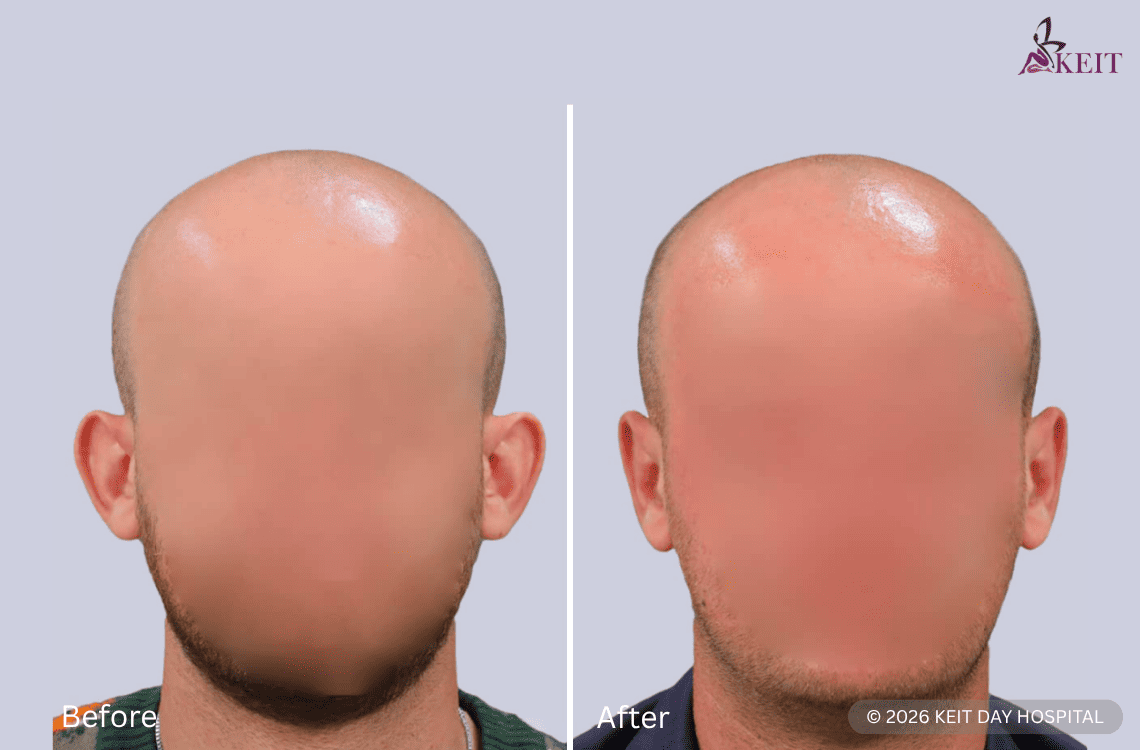
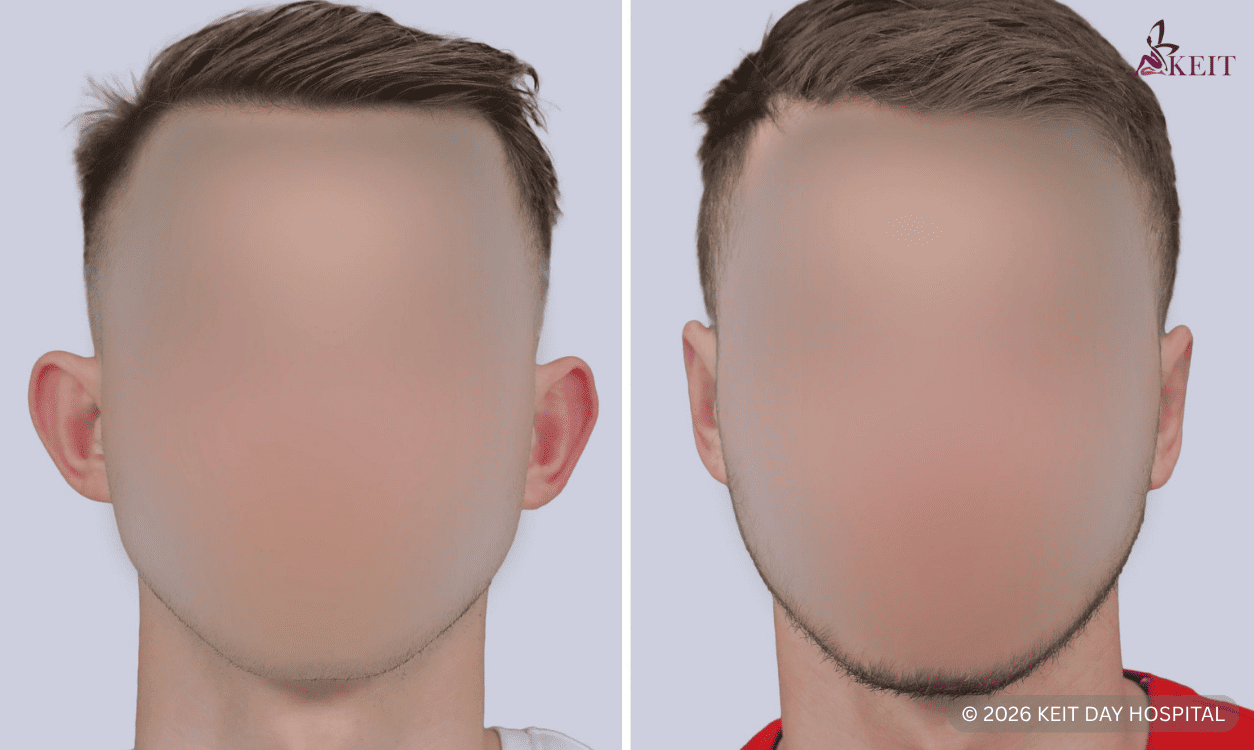
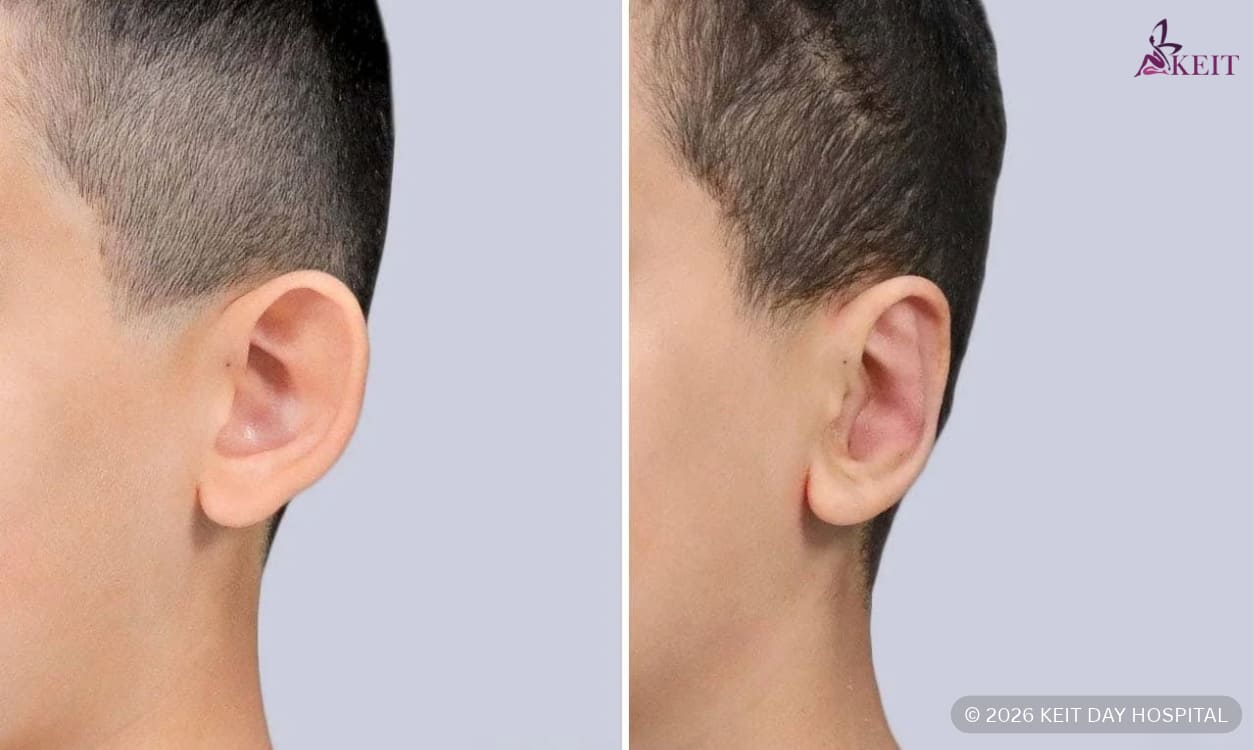
Otoplasty before and after: what can adults expect from ear pinning surgery?
-
6
What are the risks and complications of adult ear pinning?
-
7
How much does ear pinning surgery cost in the UK?
In this article, we explain whether adults can have their ears pinned back, what the procedure corrects, and how adult ear pinning surgery is performed. Then we cover recovery, expected before-and-after results, potential risks, and the cost of ear pinning surgery in the UK.
Can adults have their ears pinned back?
Yes, adults can have their ears pinned back with otoplasty. Adult ear pinning is suitable when prominent ears remain a concern and the patient is in good general health with realistic expectations. There is no specific upper age limit for the procedure, provided the patient is medically fit for surgery.
What does adult ear pinning surgery correct?
Adult ear pinning surgery corrects protruding ears by reducing excessive projection from the side of the head. It can address:
- Prominent ear projection: Ears that extend too far from the head.
- Underdeveloped antihelical fold: A weak or absent natural fold that contributes to prominence.
- Prominent conchal bowl: Excess projection of the central ear cartilage that pushes the ear outward.
- Ear asymmetry: Differences in the position or shape of the ears.
How is ear pinning surgery performed in adults?
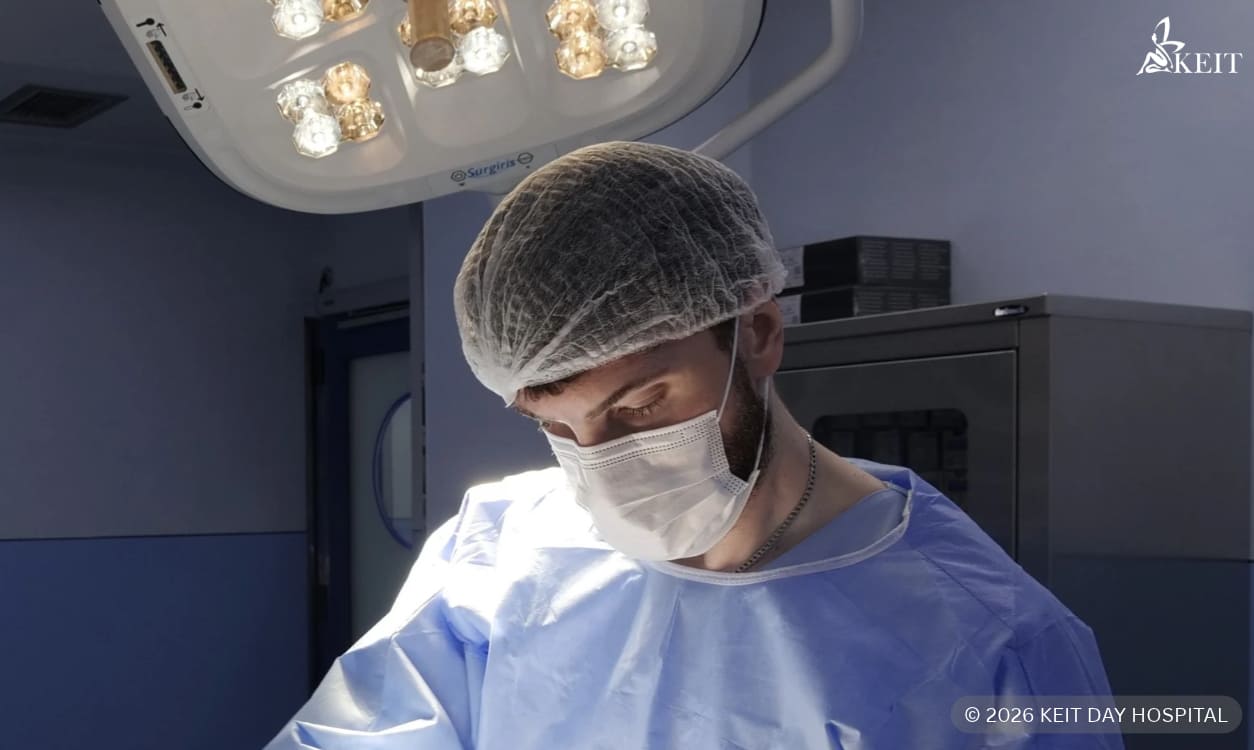
Adult ear pinning surgery is performed under local anaesthesia with sedation or general anaesthesia and usually takes 1–2 hours. The surgeon makes an incision behind the ear, reshapes the cartilage to reduce its projection, and uses sutures to secure the ear in its new position closer to the head. When necessary, a small amount of cartilage is removed to achieve the planned shape. The incision is then closed behind the ear, and a dressing or protective headband is applied to protect the ears while they heal.

Adult ear pinning recovery: timeline and aftercare
Most adults can return to work and normal daily activities within 1–2 weeks, while the ears continue to heal and settle over the following weeks.
- First week: Swelling, bruising, tenderness, and temporary numbness are common. A dressing is worn initially, followed by a protective headband.
- Weeks 2–3: Swelling and bruising continue to improve, and normal activities can gradually resume.
- Weeks 4–6: The ears continue to stabilise. Pressure and trauma to the ears should still be avoided.
- Around 6–8 weeks: Swimming, contact sports, and other unrestricted activities can usually resume once healing is adequate and the surgeon gives clearance.
Otoplasty before and after: what can adults expect from ear pinning surgery?
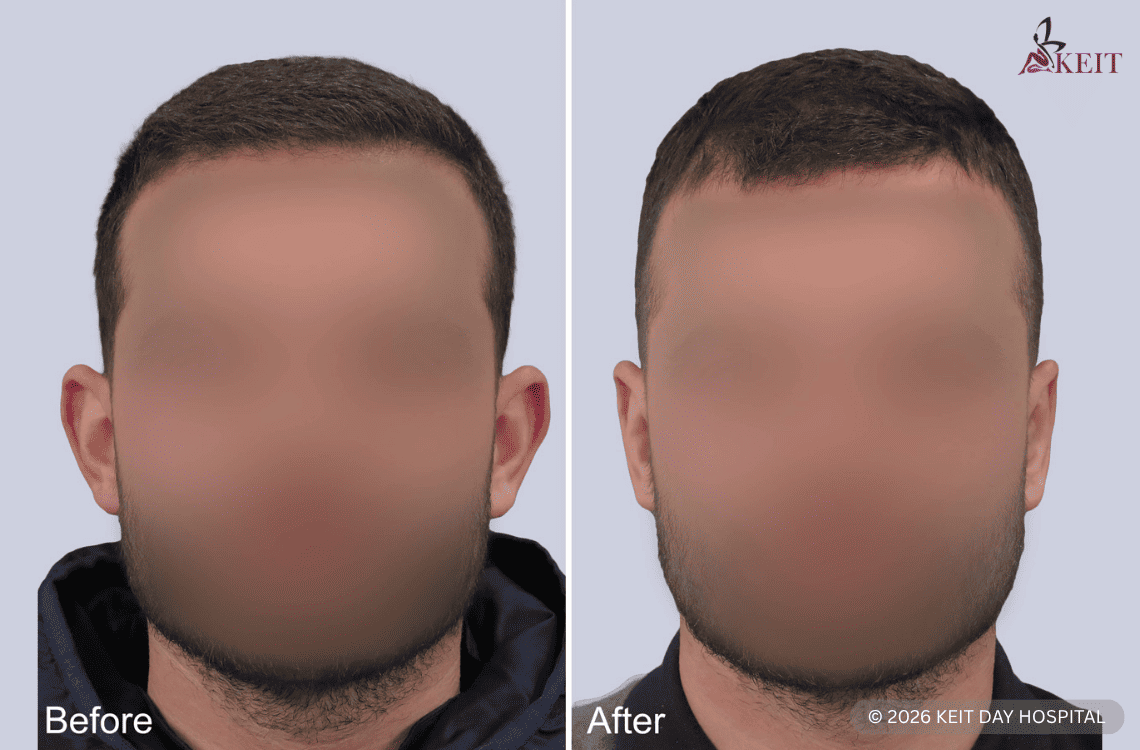
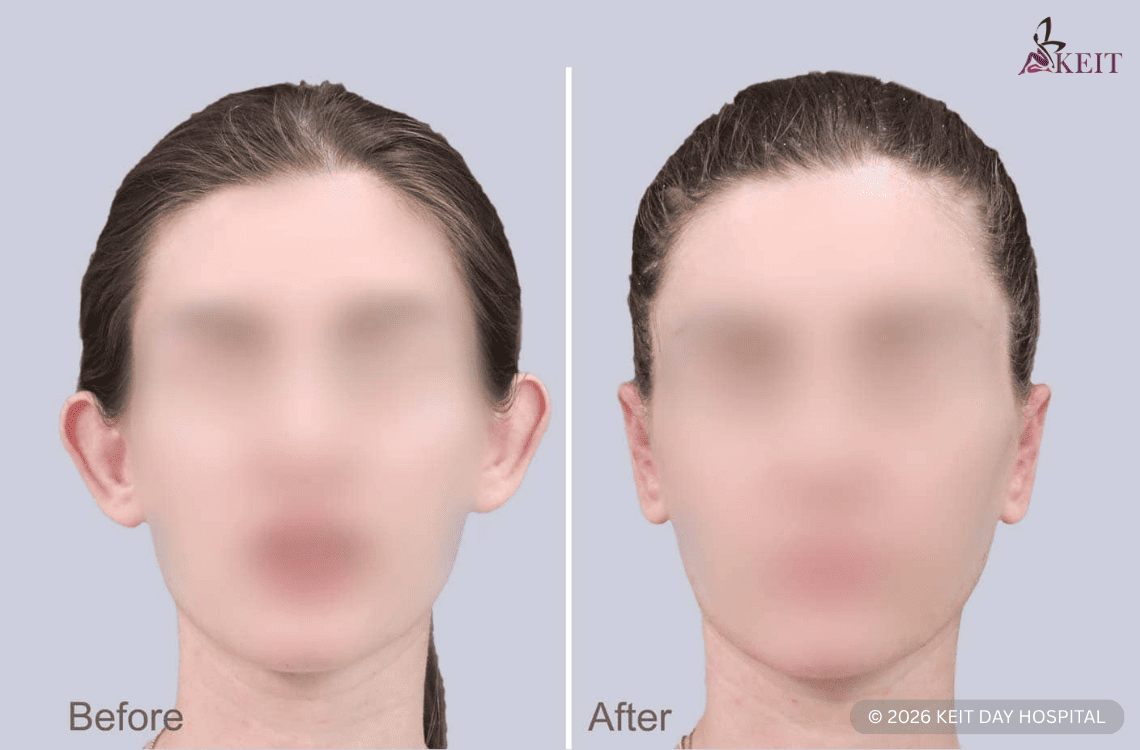
After ear pinning surgery, the ears are positioned closer to the head with reduced projection and improved symmetry. The result should preserve the natural folds and contours of the auricle rather than flattening the ears against the head. The final appearance depends on the original ear anatomy, cartilage structure, degree of projection, and individual healing. Early swelling can temporarily affect the shape, so the result is assessed once the tissues have settled.
What are the risks and complications of adult ear pinning?
Adult ear pinning surgery is generally safe when performed by an experienced surgeon, but like any surgery, it carries potential risks and complications, including:
- Haematoma: Blood collecting under the skin, which may require drainage.
- Infection: Infection of the wound or ear cartilage, which may require treatment.
- Asymmetry: Differences in ear position or shape may persist after healing.
- Scarring: The scar behind the ear may become thickened or more noticeable.
- Cartilage irregularities: Uneven contours or changes in ear shape may develop during healing.
- Recurrence: The ear may gradually move away from the head again.
- Revision surgery: Further surgery may be required to address complications or refine the result.
How much does ear pinning surgery cost in the UK?
In the UK, ear pinning surgery typically costs around 2,900–4,300 euro. The final price depends on the complexity of the correction and the services included in the treatment package, such as the surgeon’s fee, anaesthesia, clinic facilities, and post-operative care. A personalised cost is confirmed after consultation, once the surgeon has assessed the ear anatomy and determined the extent of correction required.