Published on:

 Reading Time: 4 min
 Otoplasty
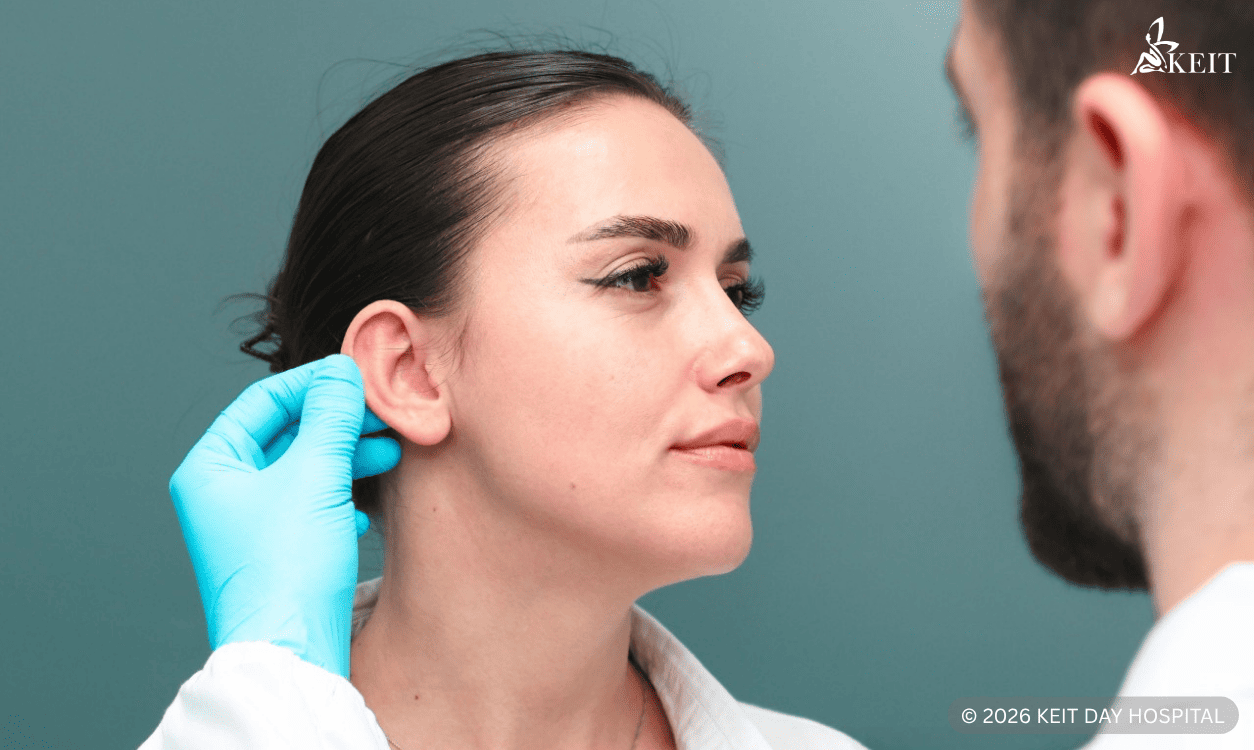
 for children is a surgical procedure used to correct prominent, protruding or misshapen ears by reshaping and repositioning the ear closer to the head. It is considered once the ears have reached sufficient development and the child is physically and emotionally ready for surgery.
 Table of Contents:
-
1
 What is otoplasty for children?
-
2
Why do some children have prominent ears?
-
3
What is the ideal age for otoplasty in children?
-
4
Who is a good candidate for pediatric otoplasty?
-
5
How is ear pinning surgery performed in children?
-
6
What type of anaesthesia is used for children’s otoplasty?
-
7
What is recovery like after otoplasty in children?
-
8
What are the risks and complications of otoplasty in children?
In this article, we explain what otoplasty involves for children, why some ears appear prominent and when surgery may be appropriate. We also cover who is a suitable candidate, how ear pinning surgery is performed, the type of anaesthesia used, recovery, healing and potential complications.
What is otoplasty for children?
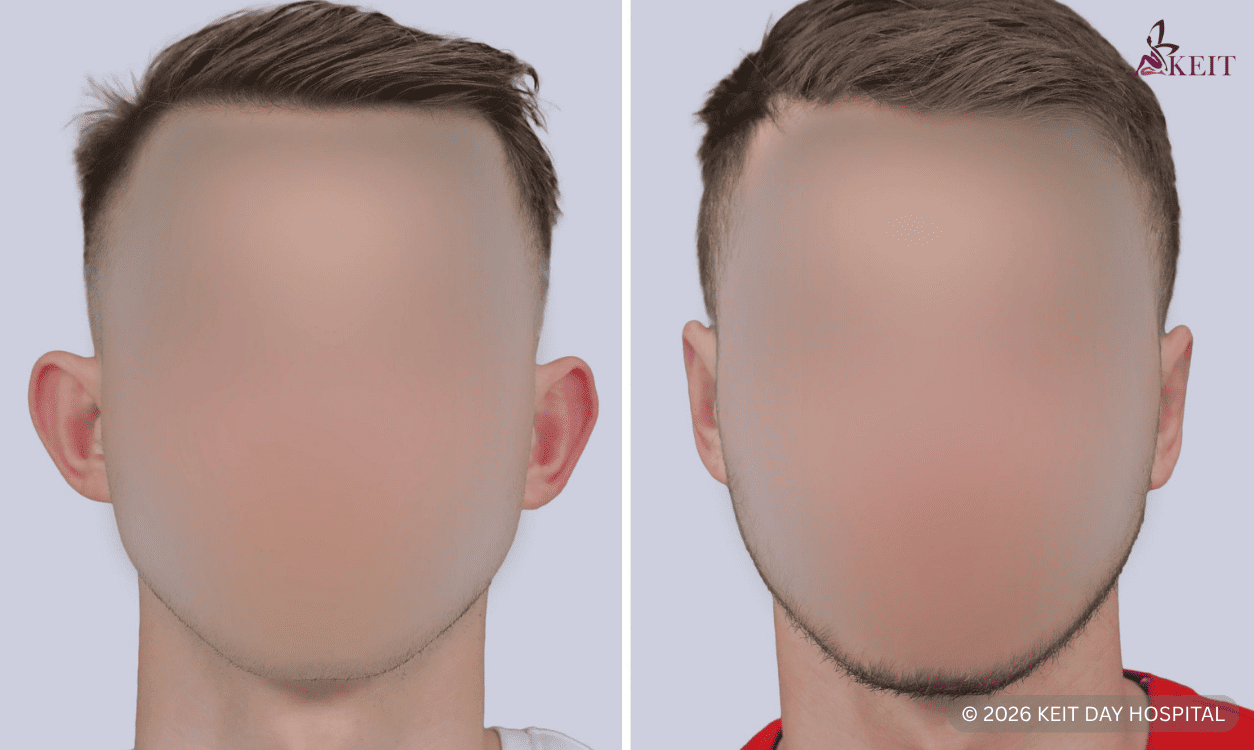
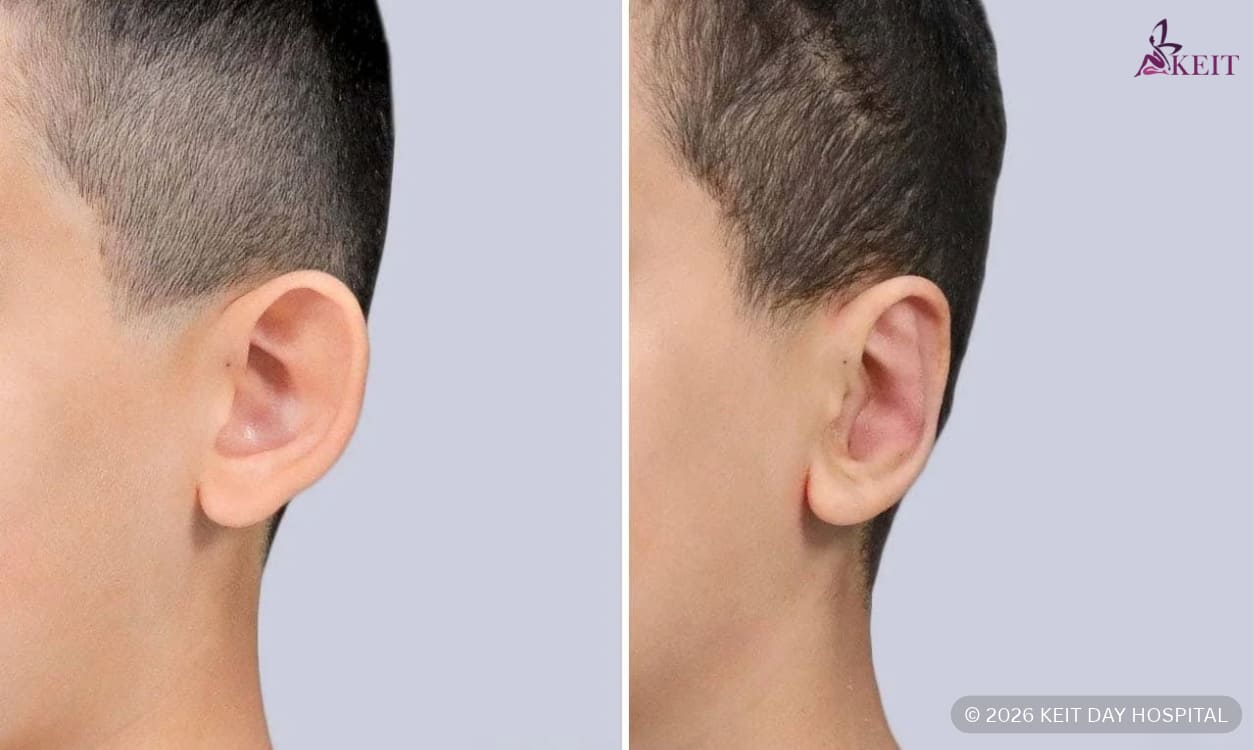
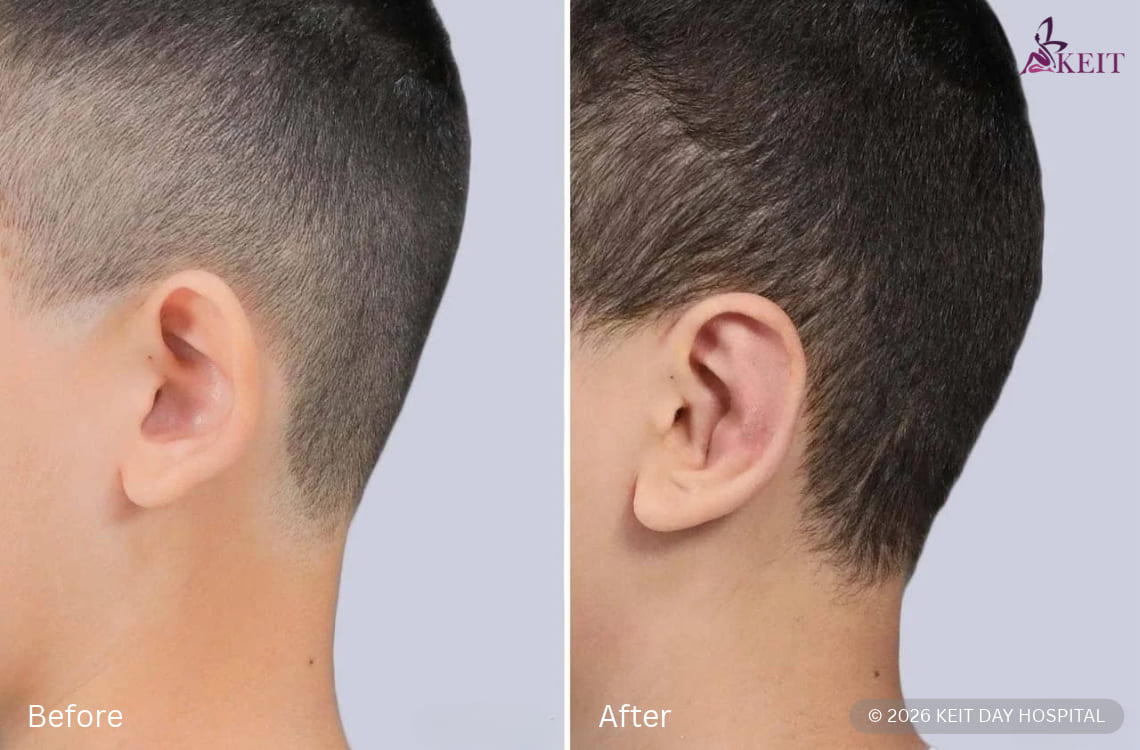
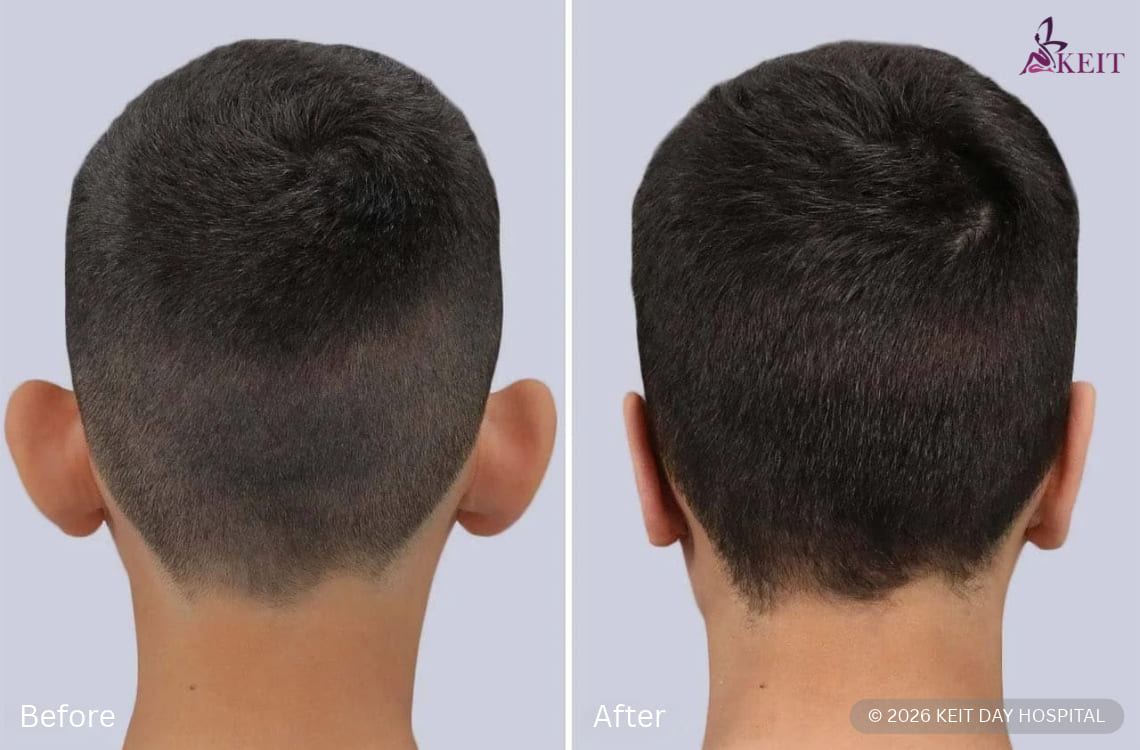
Otoplasty for children is a surgical procedure that reshapes or repositions the ears to reduce their prominence and create a more natural appearance. It is performed to correct prominent or protruding ears and can also address certain structural ear deformities.
Otoplasty is also known as ear pinning surgery or pinnaplasty, particularly when the aim is to position prominent ears closer to the head. The procedure changes the shape and position of the external ear without affecting hearing.
Why do some children have prominent ears?
Prominent ears are usually present from birth and are most often caused by differences in the development and shape of the ear cartilage. Common anatomical factors include:
- Underdeveloped antihelical fold: The natural fold of the ear is less defined, causing the ear to project further from the head.
- Prominent conchal bowl: The central bowl-shaped part of the ear may be deeper or more prominent, increasing the ear’s projection.
- Increased ear–head angle: The angle between the ear and the side of the head may be greater than usual, making the ears appear more prominent.
These features can affect one or both ears and vary between children.
What is the ideal age for otoplasty in children?
Children can undergo otoplasty from around 5 years of age, when the ears have reached most of their growth and they can cooperate with postoperative care. The exact timing depends on the child’s ear development, emotional readiness and ability to follow postoperative instructions. For infants with prominent ears, ear molding may be an option during the first months of life, when the cartilage is still soft and responsive to reshaping. This is a non-surgical treatment and is different from otoplasty.
Who is a good candidate for pediatric otoplasty?
A good candidate for pediatric otoplasty is a healthy child with prominent or structurally abnormal ears who is physically and emotionally ready for surgery. Suitable candidates generally:
- are around 5 years of age or older, with sufficiently developed ear cartilage;
- are healthy and have no medical conditions that could significantly impair healing;
- can understand and follow postoperative instructions;
- are comfortable with the decision to undergo surgery;
- have realistic expectations about the outcome.
The decision should consider the child’s own concerns and willingness to undergo surgery, rather than being based solely on parental preference.

How is ear pinning surgery performed in children?
Ear pinning surgery is performed through an incision behind the ear, allowing the surgeon to access and reshape the cartilage. The cartilage may be reshaped or adjusted to create the desired fold, with internal sutures used to maintain the new position. A small amount of cartilage may also be removed when necessary. The incision is then closed and a protective dressing or headband is applied. The technique is tailored to the child’s individual ear anatomy and the specific features being corrected.
What type of anaesthesia is used for children’s otoplasty?
Children’s otoplasty is commonly performed under general anaesthesia, particularly in younger children. General anaesthesia allows the child to remain comfortably asleep and still throughout the procedure. In older, cooperative children, local anaesthesia with or without sedation may be considered depending on the child’s age, circumstances and surgical plan. The anaesthesia plan is determined during the preoperative assessment according to the child’s health and the planned procedure.
What is recovery like after otoplasty in children?
Recovery after otoplasty involves temporary swelling, bruising and tenderness while the ears heal, followed by a gradual return to normal activities. A dressing or bandage is kept in place as instructed, and a headband may be recommended, particularly at night, to protect the ears during healing. Children should avoid activities that could bend or injure the ears and attend follow-up appointments to monitor healing.
The otoplasty recovery time varies between children, depending on the extent of the procedure and individual healing. Return to school and physical activities should follow the surgeon’s postoperative instructions, with contact sports generally restricted for longer.
What are the risks and complications of otoplasty in children?
Otoplasty is considered a safe procedure for children when performed in appropriately selected patients, but, like any surgery, it carries potential risks and complications. These may include:
- Bleeding or haematoma: Blood can collect beneath the skin and may require treatment.
- Infection: Infection can develop around the incision or ear cartilage.
- Wound-healing problems: The incision may heal slowly or, in some cases, separate.
- Asymmetry: The ears may not be perfectly symmetrical after healing.
- Changes in sensation: Temporary or persistent numbness or altered sensation may occur.
- Overcorrection or under-correction: The final position or shape of the ear may differ from the intended result.
- Recurrence: The ear may partially return towards its original position.
- Unfavourable scarring: Scars may become more noticeable or thickened.
- Revision surgery: Additional surgery may occasionally be needed to address a complication or residual deformity.
The risk of complications varies according to the child’s anatomy, the surgical technique and individual healing response.