Published on:

 Reading Time: 5 min
 Breast augmentation
Deflated breasts are characterized by a loss of volume and fullness, often resulting in a flatter or emptier appearance, particularly in the upper part of the breast. This change commonly occurs after weight loss, pregnancy, or as part of the natural aging process and may be accompanied by loose skin or sagging. The most appropriate treatment depends on whether the primary concern is volume loss, excess skin, or a combination of both
 Table of Contents:
-
1
 What are deflated breasts?
-
2
What causes breasts to become deflated?
-
3
Why do breasts become deflated after weight loss?
-
4
What is the difference between deflated breasts and sagging breasts?
-
5
Can deflated breasts regain fullness naturally?
-
6
What are the treatment options for deflated breasts?
-
7
How is the right treatment for deflated breasts determined?
-
8
Can breast deflation return after treatment?
In this article, we explain what deflated breasts are, what causes them, and why they commonly occur after weight loss. We also discuss how breast deflation differs from sagging, whether fullness can return naturally, the available treatment options, how the appropriate treatment is determined, and whether breast deflation can return after treatment.
What are deflated breasts?
Deflated breasts are a condition in which the breasts lose volume and fullness, particularly in the upper pole, resulting in a flatter, less rounded appearance. This occurs when the amount of fatty or glandular breast tissue decreases, leaving less volume beneath the skin. If the skin does not contract sufficiently, the breasts may develop a loose, empty appearance, sometimes accompanied by sagging (breast ptosis). However, breast deflation can occur without significant sagging.
What causes breasts to become deflated?
Breasts become deflated when they lose fatty or glandular tissue, reducing their overall volume and fullness. Several factors can contribute to these changes:
- Weight loss: A decrease in body fat can reduce breast volume, particularly in women whose breasts contain a higher proportion of fatty tissue.
- Pregnancy and breastfeeding: Hormonal changes cause breast tissue to enlarge during pregnancy. After childbirth and weaning, the reduction in glandular tissue may leave the breasts less full.
- Aging: Age-related changes in breast tissue, combined with declining skin elasticity, can lead to a loss of fullness and changes in breast shape.
- Hormonal changes: Declining estrogen levels, particularly during menopause, can reduce glandular breast tissue and alter breast volume and composition.

Why do breasts become deflated after weight loss?
Breasts become deflated after weight loss because they contain fatty tissue that decreases as the body loses fat, reducing breast size and fullness. As breast volume decreases, the skin may not contract enough to adapt to the smaller breast size, particularly after significant weight loss. This can leave the breasts looking flatter or empty, sometimes with loose skin and sagging.
The degree of breast deflation depends on the amount of weight lost, breast tissue composition, and skin elasticity.
What is the difference between deflated breasts and sagging breasts?
The main difference is that breast deflation involves a reduction in breast volume and fullness, while breast sagging involves the downward displacement of the breasts and nipples. The main differences are outlined below:
| Characteristic | Deflated breasts | Sagging breasts |
|---|---|---|
| Main change | Loss of breast volume | Downward displacement of breast tissue |
| Appearance | Flattened or empty-looking contour | Drooping or hanging breast shape |
| Upper-breast fullness | Often reduced | May be reduced or preserved |
| Nipple position | May remain relatively normal | Often lower, depending on the degree of ptosis |
| Main concern | Loss of fullness | Loss of breast position and support |
Both conditions can occur together, particularly after significant weight loss or pregnancy. A breast may lose volume without substantial sagging, while another may sag despite retaining considerable volume.
Can deflated breasts regain fullness naturally?
Deflated breasts may regain some fullness if body weight or hormonal conditions change, but significant volume loss and stretched skin generally cannot be reliably reversed through natural methods.
The effects of different approaches include:
- Weight gain: May increase breast volume by restoring some fatty tissue, although the amount and distribution of fat cannot be controlled.
- Chest exercises: Can strengthen the pectoral muscles beneath the breasts but cannot restore lost breast tissue or remove excess skin.
- Creams and supplements: Have no reliable clinical evidence of restoring lost breast volume or correcting significant breast sagging.
- Supportive bras: Can improve breast appearance while worn but do not permanently change breast volume or position.
For women with substantial volume loss or loose skin, restoring the previous breast shape may require a surgical procedure.

What are the treatment options for deflated breasts?
Treatment for deflated breasts depends on whether the breasts have lost volume, developed excess skin, or both. The main surgical options are:
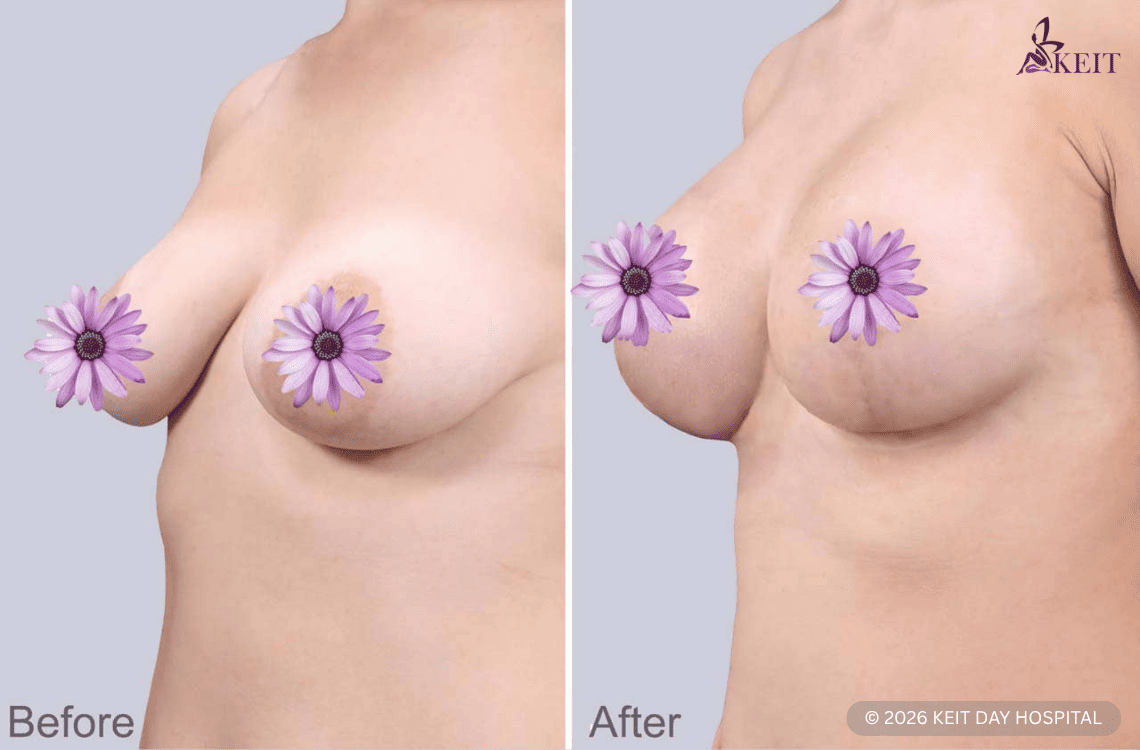
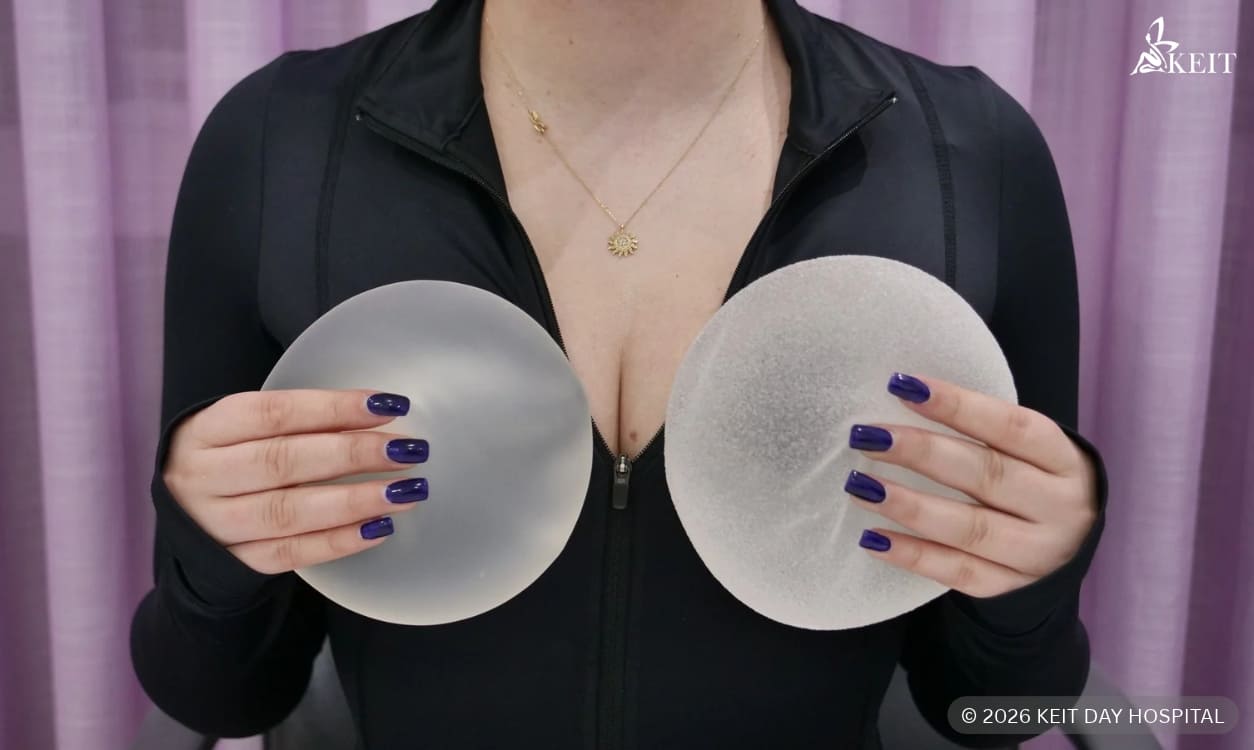
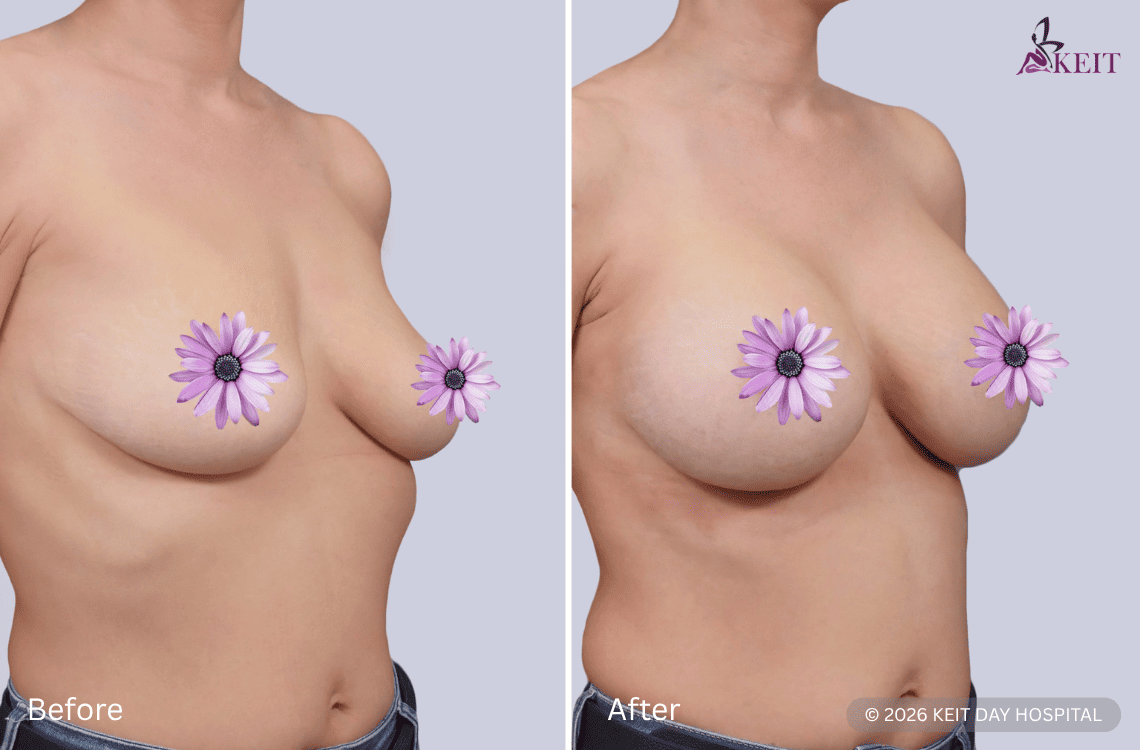
- Breast augmentation: Uses breast implants to restore lost volume and improve fullness. It is generally suitable for women with volume loss and little or no significant breast sagging.
- Breast fat transfer: Uses fat taken from another area of the body to restore a modest amount of breast volume. Some transferred fat is naturally reabsorbed, so the final increase in size may be limited.
- Breast lift (mastopexy): Removes excess skin and reshapes and repositions the breast tissue to correct sagging. It improves breast shape and position without significantly increasing breast size.
- Breast lift with augmentation: Combines a breast lift with implants, or occasionally fat transfer, to restore volume while correcting significant sagging.
How is the right treatment for deflated breasts determined?
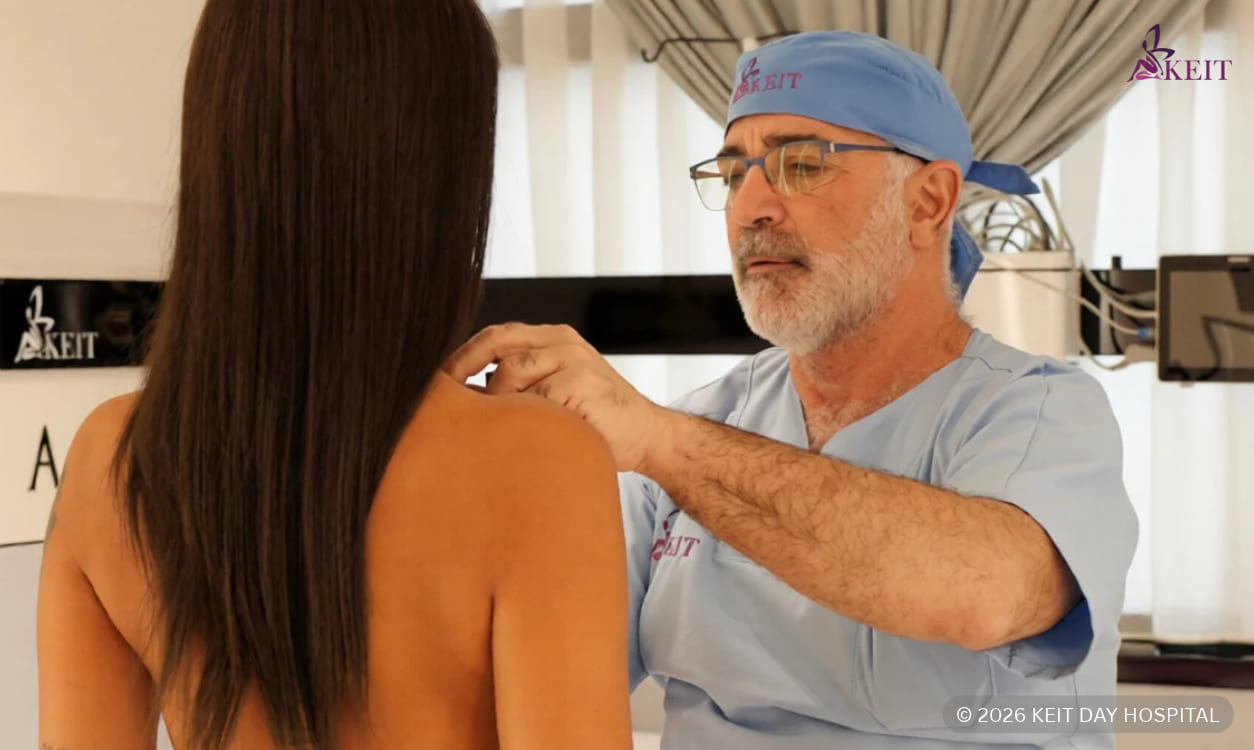
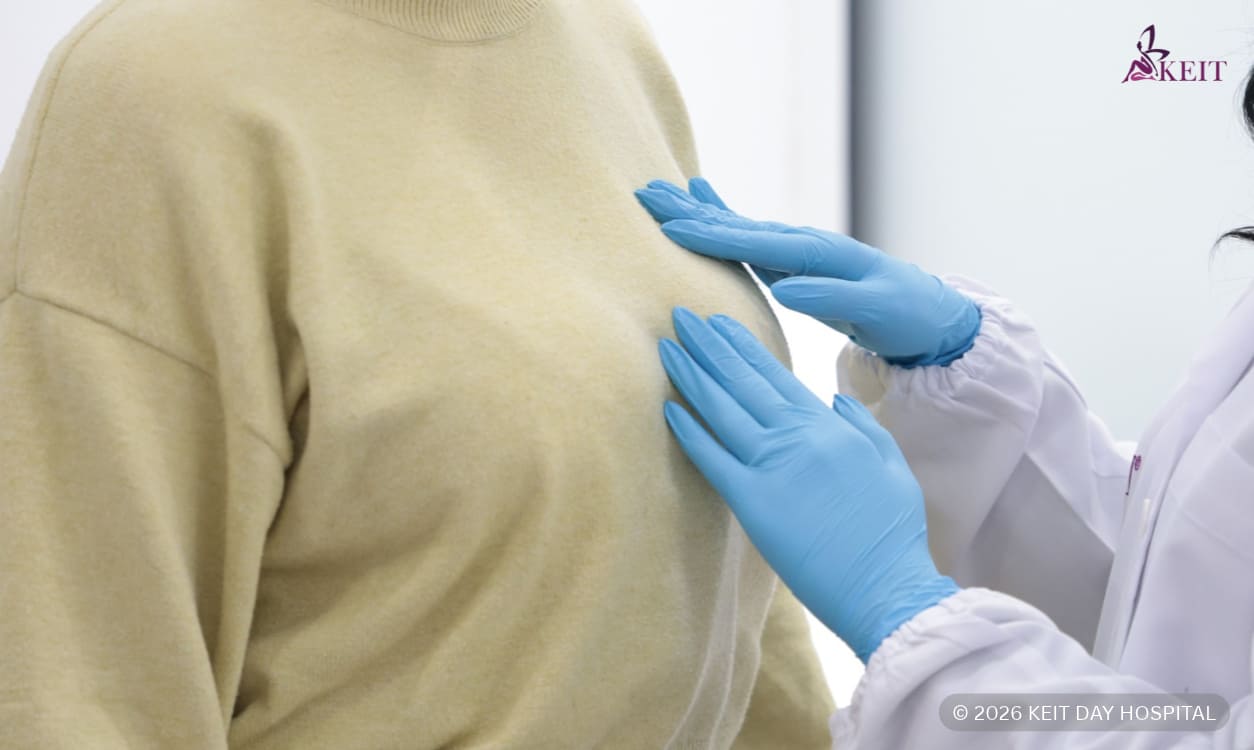
The most appropriate treatment for deflated breasts is determined by a plastic surgeon based on the patient's breast anatomy, degree of volume loss, and aesthetic goals.
During the consultation, the surgeon evaluates:
- Breast volume: The amount of existing breast tissue and whether additional volume is needed.
- Skin elasticity: The degree of skin laxity and whether excess skin needs to be removed.
- Nipple position: The position of the nipple relative to the inframammary fold (breast crease), which helps assess the degree of breast sagging.
- Desired breast size and shape: Whether the patient wants to restore lost fullness, increase breast size, or improve breast position without adding volume.
- Weight stability and future pregnancy plans: Factors that may influence the timing of surgery and the long-term results.
Based on these findings, the surgeon determines whether breast augmentation, a breast lift, or a combination of procedures is most appropriate.
Can breast deflation return after treatment?
Yes, changes in breast fullness and shape can occur after previous treatments, including breast augmentation, breast lift, or fat transfer. Factors that may contribute to these changes include:
- Aging and gravity: Progressive loss of skin elasticity and changes in breast tissue can affect breast fullness and contribute to sagging.
- Weight fluctuations: Significant weight loss can reduce the fatty tissue in the breasts, resulting in decreased volume.
- Pregnancy: Changes in breast tissue during and after pregnancy can affect breast volume and shape.
- Hormonal changes: Declining estrogen levels, particularly during menopause, can alter breast tissue composition and contribute to volume loss.
Maintaining a stable weight may help preserve treatment results, although natural changes in breast tissue and skin cannot be prevented.