Published on:
 Modified on:

 Reading Time: 5 min
 Abdominoplasty
Diastasis recti, often called abdominal separation, is a separation of the abdominal muscles caused by stretching of the midline connective tissue. It most commonly occurs during and after pregnancy, but it can also affect men, and may lead to bulging, weakness, and reduced abdominal support. Treatment depends on the severity of the separation and may include conservative management or surgical correction with abdominoplasty.
 Table of Contents:
-
1
 What is diastasis recti?
-
2
Symptoms of diastasis recti: What does it look and feel like?
-
3
What are diastasis recti causes?
-
4
Diastasis recti in pregnancy, after pregnancy, and in men
-
5
Diastasis recti treatment: Can it be fixed without surgery?
-
6
Diastasis recti exercises: What helps and what to avoid
-
7
Diastasis recti surgery: How abdominoplasty can address muscle separation
-
8
Diastasis recti before and after: Recovery and results after abdominoplasty
-
9
Diastasis recti: Risks and complications of surgery
In this guide, we explain what diastasis recti is, its main symptoms and causes, how it presents during and after pregnancy and the main non-surgical treatment options. We also cover how abdominoplasty can correct the separation, what to expect during recovery, and the possible risks and complications of surgery.
What is diastasis recti?
Diastasis recti is a separation of the abdominal muscles at the midline. It happens when the connective tissue between the rectus abdominis muscles stretches and widens, reducing support in the abdominal wall. It is often called abdominal separation and is most common during and after pregnancy, although it can also occur in men.
Symptoms of diastasis recti: What does it look and feel like?
Diastasis recti symptoms can affect both the appearance and function of the abdominal wall, with the most common signs and symptoms of abdominal separation including:
- A bulge, ridge, or doming along the midline of the abdomen.
- A stomach that remains rounded or protruding.
- Reduced core strength and abdominal support.
- Difficulty creating tension through the abdominal wall.
- A feeling of weakness or instability during movement.
In some cases, back discomfort linked to poor core control.

What are diastasis recti causes?
Diastasis recti causes are most often linked to stretching of the abdominal wall and loss of tension in the tissue between the rectus abdominis muscles.
- Pregnancy: The growing uterus increases tension across the abdominal wall.
- Repeated abdominal pressure: Straining, heavy lifting, or poor core control can place extra stress on the midline.
- Multiple pregnancies: Repeated stretching can further weaken the connective tissue.
- Weight fluctuations: Changes in weight can add stress to the abdominal wall.
- Weak connective tissue or abdominal support: Reduced tissue strength can make separation more likely.

Diastasis recti in pregnancy, after pregnancy, and in men
Diastasis recti is most commonly associated with pregnancy and the postpartum period because the abdominal wall stretches as the uterus grows. As pregnancy progresses, the connective tissue between the rectus abdominis muscles becomes thinner and wider, which can reduce support through the midline. After pregnancy, some degree of separation may improve naturally, but this does not always happen fully.
Diastasis recti in men
Men’s diastasis recti is real and clinically relevant, although it is less commonly discussed. Men may develop abdominal separation because of abdominal pressure, central weight gain, heavy straining, weakness of the abdominal wall, or long-term loading patterns, and it may present with midline bulging, doming, or reduced abdominal support.
Diastasis recti treatment: Can it be fixed without surgery?
In less severe cases, diastasis recti may be managed without surgery, and non-surgical treatment options include:
- Physiotherapy to assess the separation and guide appropriate management.
- Targeted rehabilitation to improve abdominal wall support and core control.
- Pelvic floor rehabilitation when relevant, especially after pregnancy.
- Activity modification to reduce movements that increase strain on the midline.
- Supportive exercise guidance when clinically appropriate and adapted to the individual case.
Diastasis recti exercises: What helps and what to avoid
Diastasis recti exercises should improve core control and support the abdominal wall without increasing pressure through the midline. The most effective exercises are usually those that focus on breathing, deep abdominal activation, pelvic floor coordination, and gradual strengthening.
At the same time, some movements may place too much pressure on the abdominal wall and should be avoided, especially if they cause visible bulging, doming, or loss of control. For this reason, assessment and guidance may be helpful before starting or progressing a routine.
Diastasis recti surgery: How abdominoplasty can address muscle separation
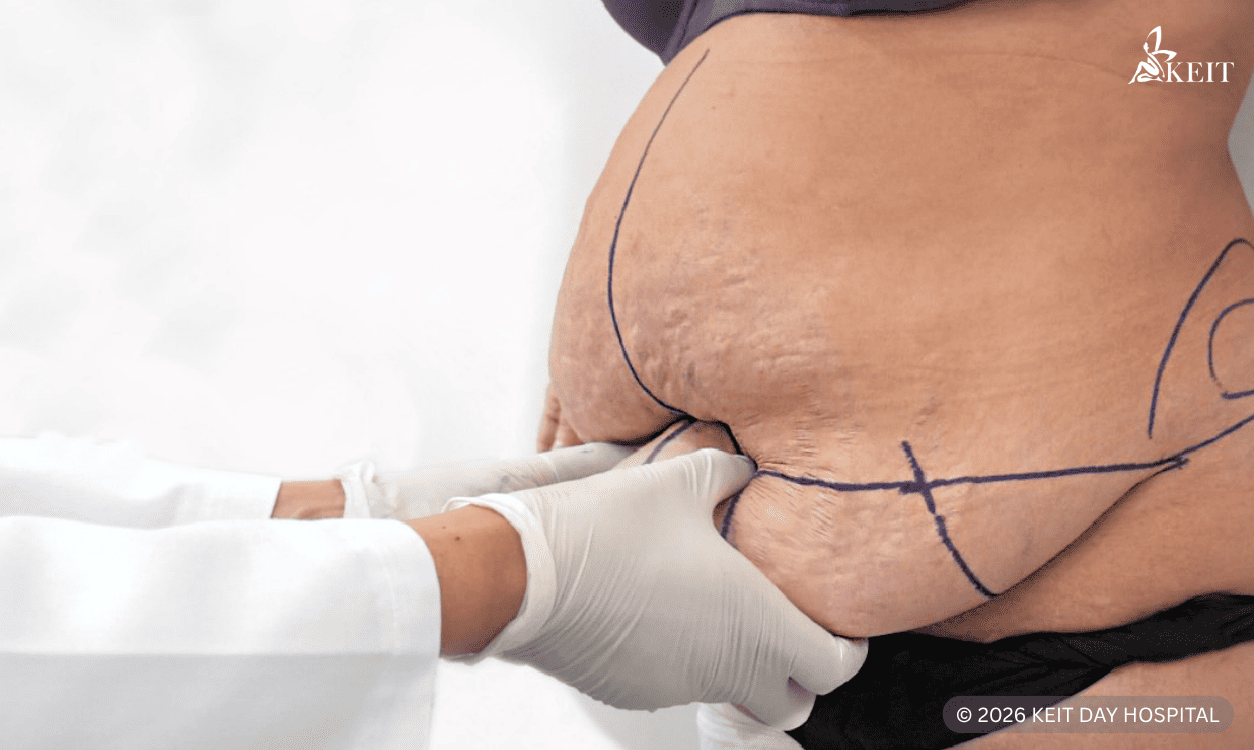
Abdominoplasty is the main surgical treatment used to correct diastasis recti in patients with persistent separation of the abdominal muscles and associated abdominal wall laxity. During the procedure, the surgeon makes a lower abdominal incision, elevates the abdominal tissues, and tightens the stretched midline between the rectus muscles to restore support to the abdominal wall. When present, excess lower abdominal skin and soft tissue are also removed to improve contour. In this way, abdominoplasty addresses both the anatomical separation and the visible abdominal changes associated with diastasis recti.
Diastasis recti before and after: Recovery and results after abdominoplasty
After abdominoplasty, recovery takes place in stages, although the timeline can vary depending on the extent of surgery and individual healing.
- Days 1–5: Swelling, tightness, and discomfort are most noticeable at this stage, and movement is usually more restricted.
- Week 1: The initial healing phase continues, with activity still limited and the abdomen feeling firm and tight.
- Weeks 2–4: Swelling starts to reduce more clearly, and everyday movement generally becomes more comfortable.
- Months 2–3: The abdominal contour becomes more defined as the tissues continue to settle.
- Months 3–6: Healing progresses further, and the result appears more refined and stable.
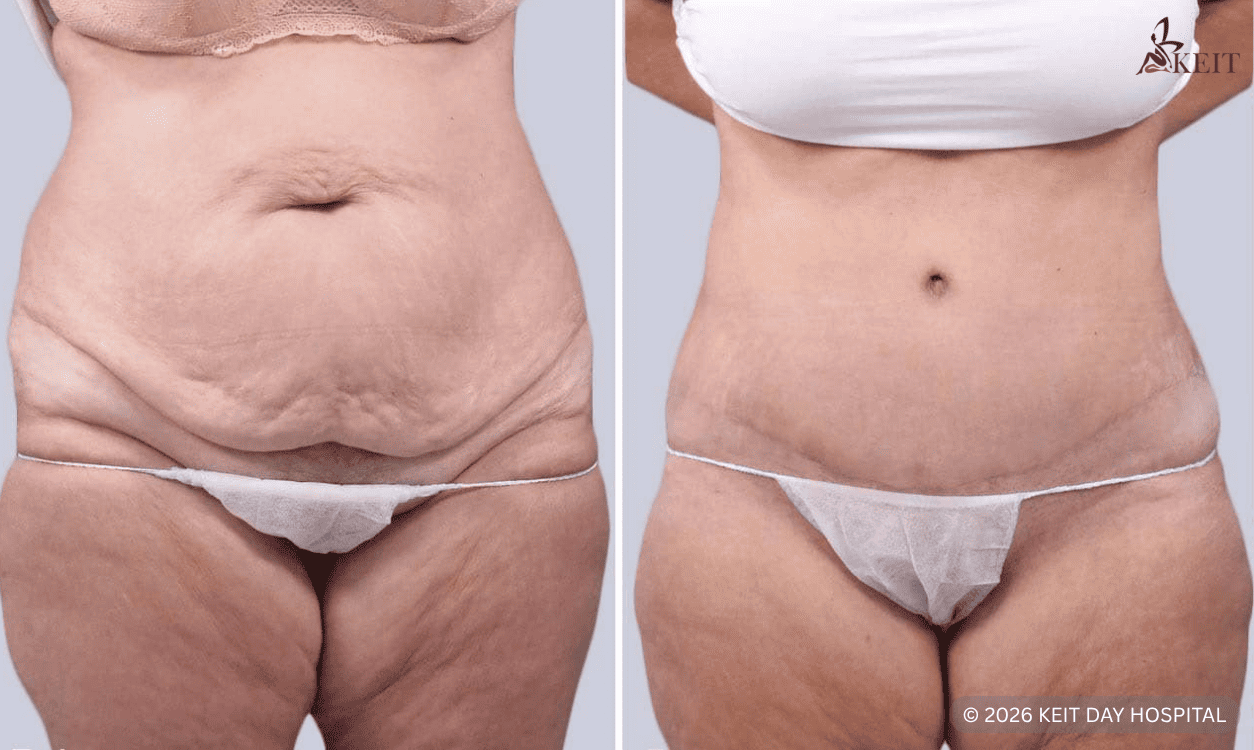
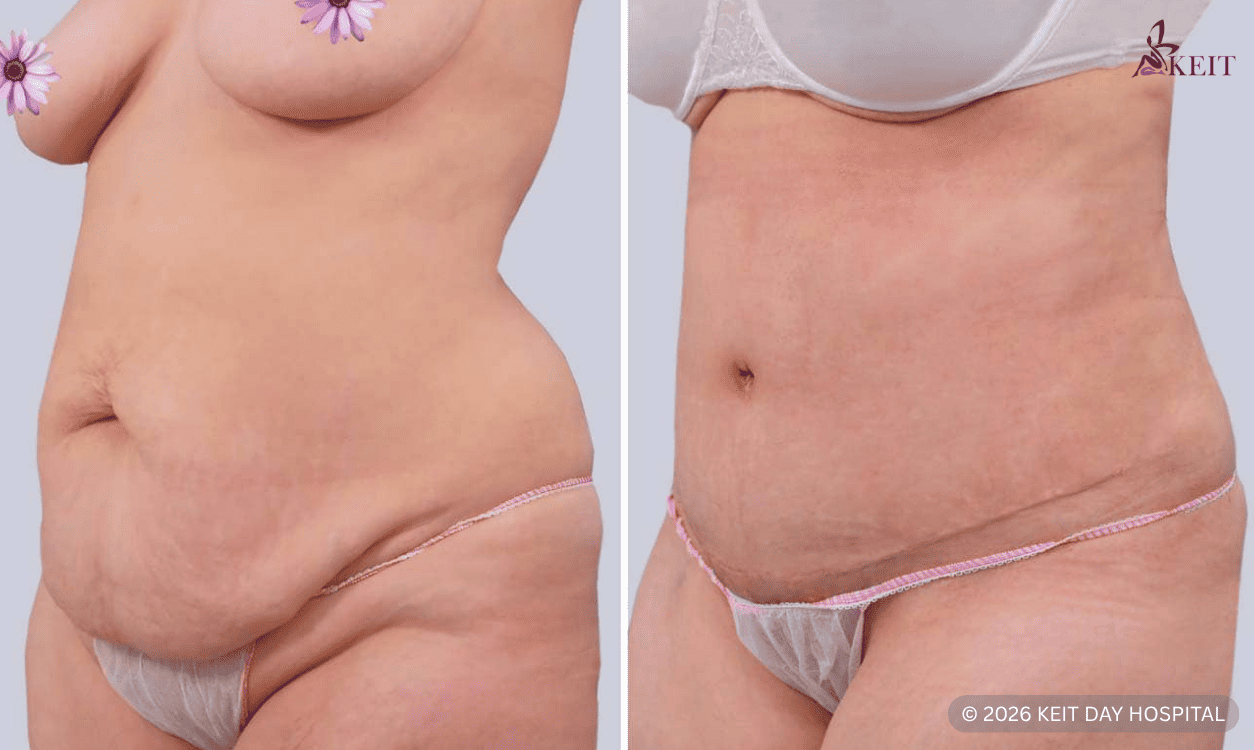
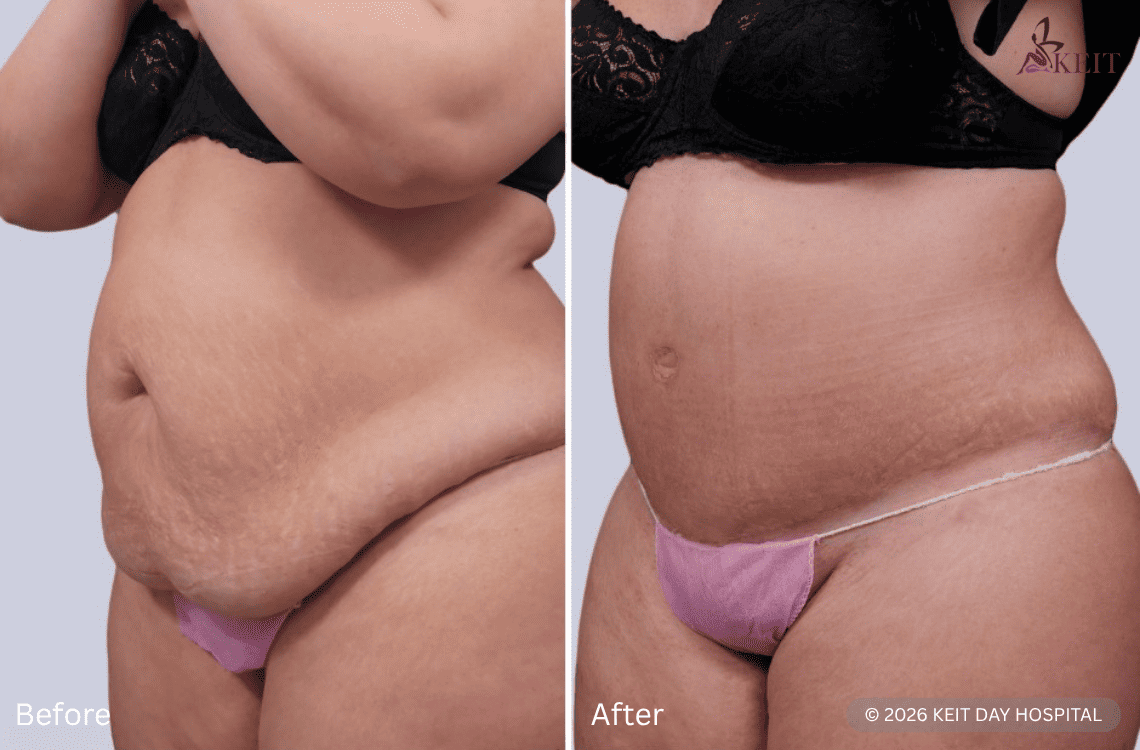
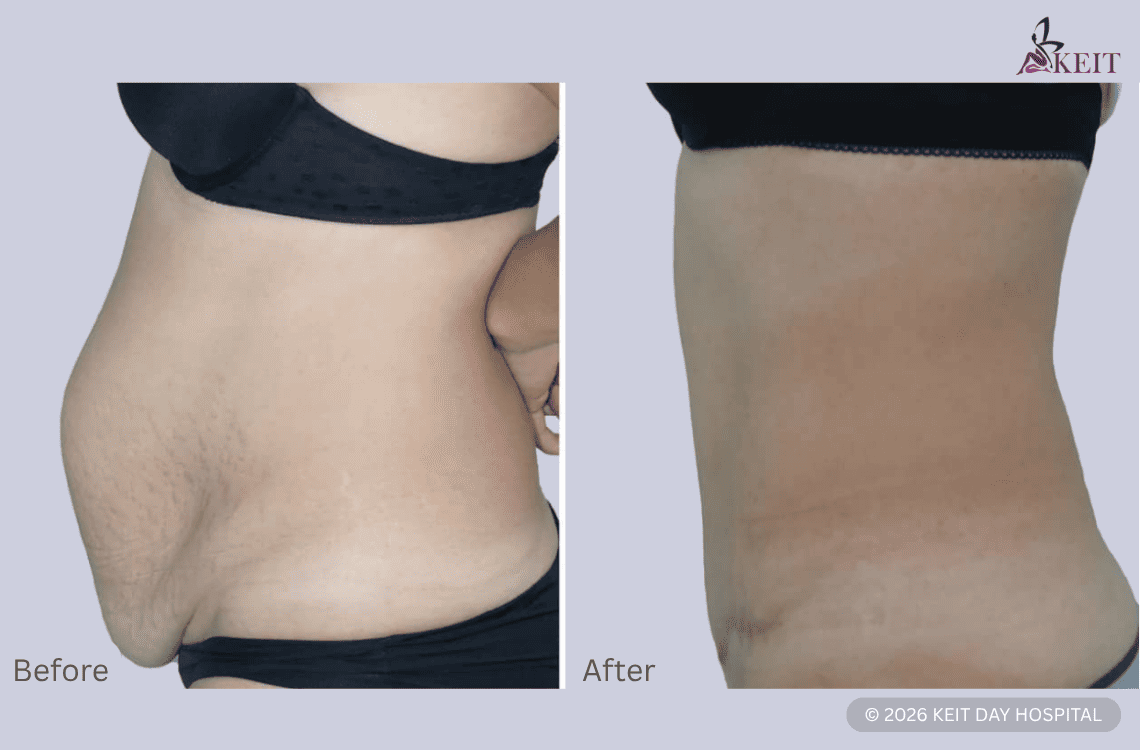
Diastasis recti surgery before and after photos show a flatter abdominal profile, improved midline support, and a firmer overall appearance. The final result depends on the degree of diastasis recti, the quality of the tissues, and the individual healing process.
Diastasis recti: Risks and complications of surgery
When performed by a qualified surgeon in appropriately selected patients, surgery for diastasis recti is generally considered safe, but like any surgical procedure, it carries potential risks and complications.
- Swelling, bruising, and discomfort are expected in the early post-operative period and usually settle gradually.
- Seroma, bleeding, or delayed healing may occur and, in some cases, require additional treatment.
- Infection can affect the wound or deeper tissues and must be treated promptly.
- Scarring, asymmetry, or contour irregularity may affect the final result, depending on healing and tissue response.
- Anaesthetic or surgical complications are uncommon but remain recognised risks of the procedure.