Published on:
 Modified on:

 Reading Time: 3 min
 Hair transplant
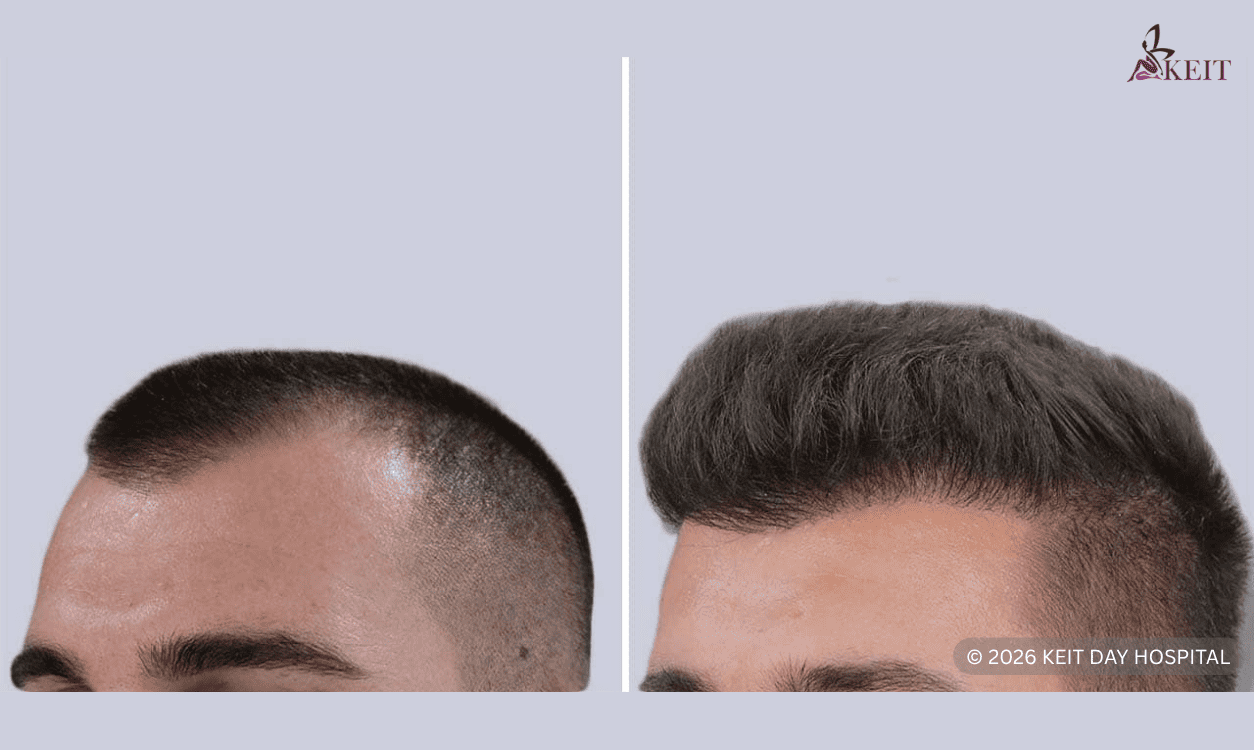
 for young men can be performed safely, but timing, hair loss stability, and donor area preservation are critical to ensure natural, long-lasting results. Early surgery may require future procedures if hair loss progresses, making careful planning essential for optimal outcomes.
 Table of Contents:
-
1
 Can young men have a hair transplant?
-
2
Why age matters in hair transplantation
-
3
Hair loss stability before hair transplant
-
4
Risks of early hair transplant in young men
-
5
Preserving donor area for long-term hair restoration
-
6
Medication and long-term planning for hair transplant in
-
7
When hair transplant should be delayed
In this article, we’ll explore whether young men are suitable candidates for hair transplant, how age affects surgical planning, and why hair loss stability is crucial. We will cover risks of early procedures, strategies for donor area preservation, the role of medication and long-term planning, and criteria for delaying surgery.
Can young men have a hair transplant?
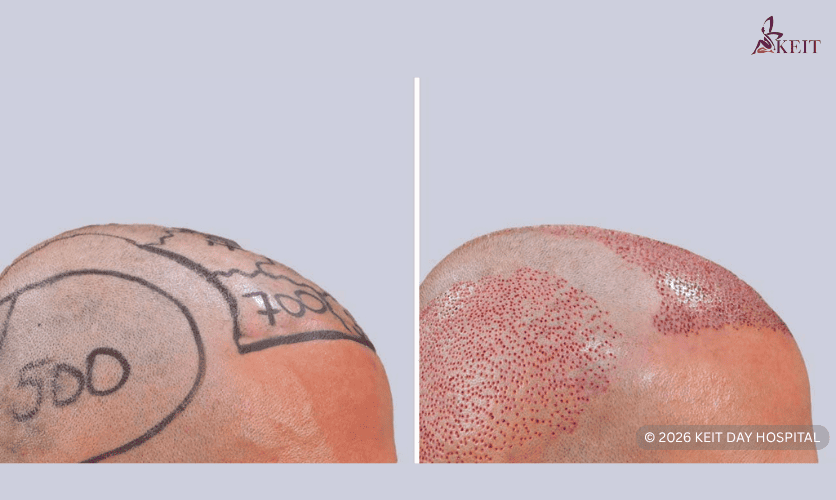
Young men experiencing early-stage hair loss can be candidates for hair transplant, but suitability depends on individual hair loss patterns, donor hair availability, and realistic expectations. Early intervention may be appropriate in cases of localized thinning, but long-term hair loss progression must be carefully considered.
Why age matters in hair transplantation
Age significantly influences hair transplant planning and outcomes:
- Progressive hair loss: Younger patients often continue losing native hair, which can lead to unnatural density if transplants are performed too early.
- Donor site preservation: Conserving follicular units ensures sufficient grafts for future procedures as hair loss advances.
- Treatment strategy and expectations: Early intervention may require staged procedures; patients must understand realistic outcomes, potential revisions, and long-term planning.
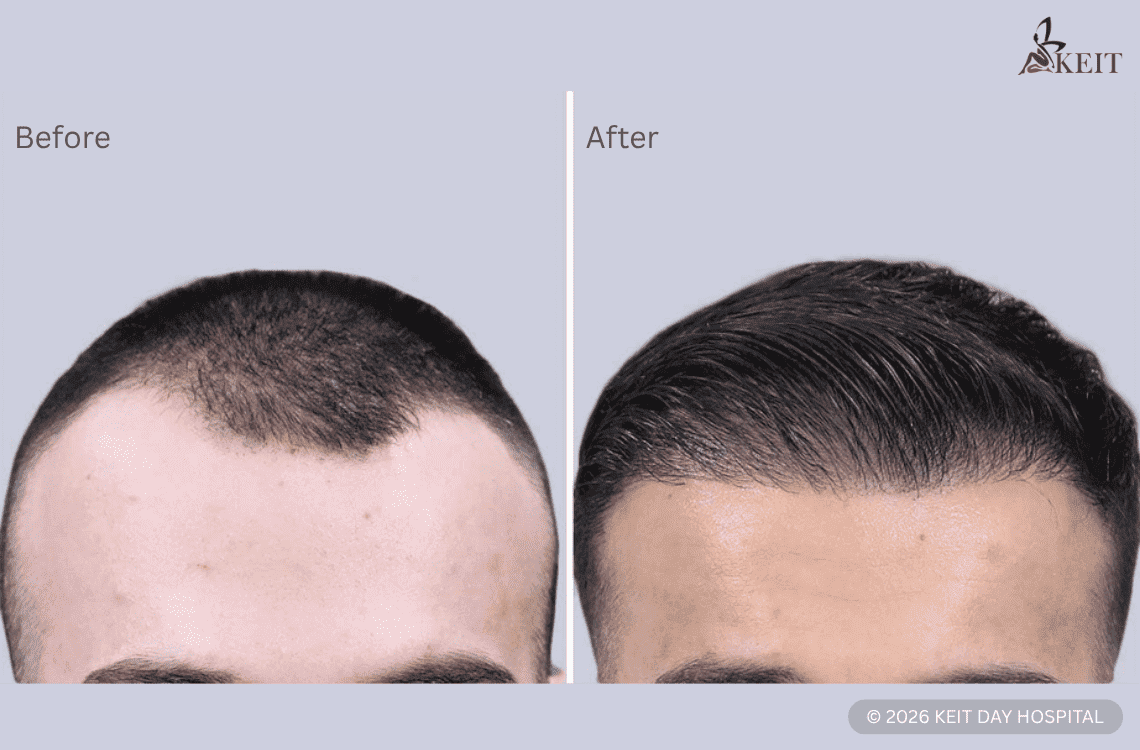
Hair loss stability before hair transplant
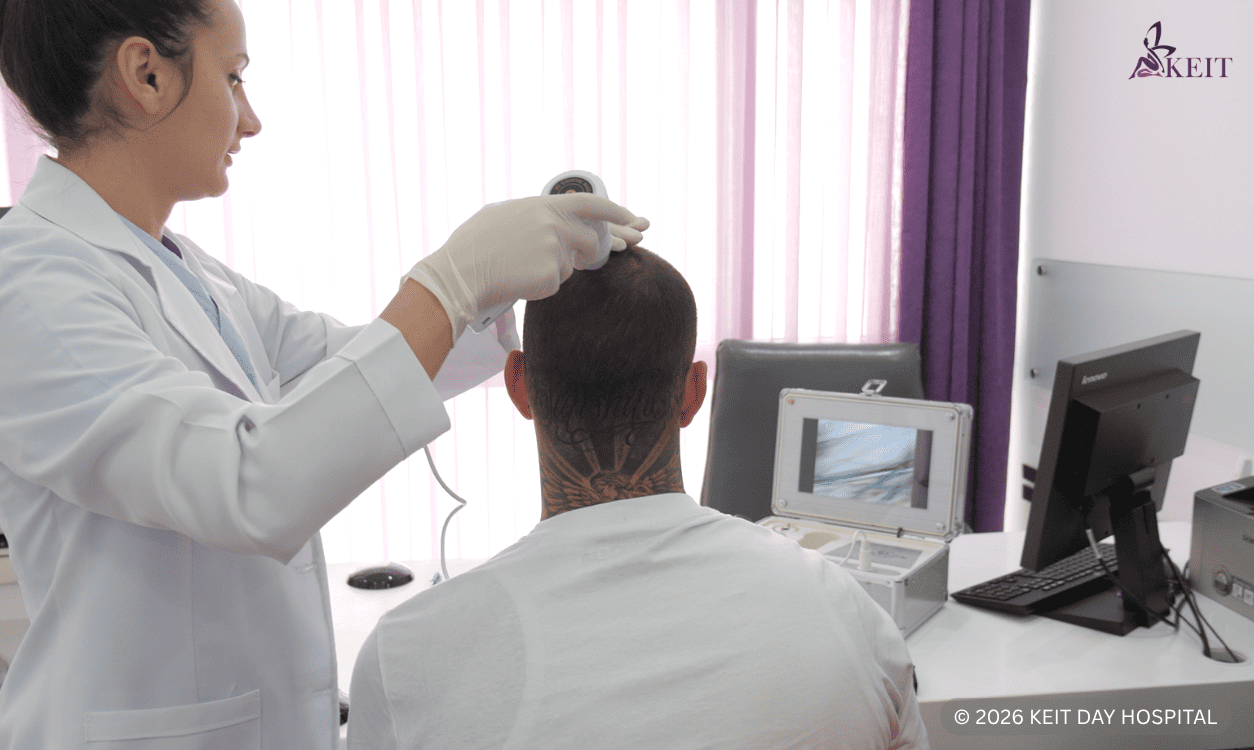
Hair loss stability is a key consideration before performing a hair transplant in young men. Assessing the progression of thinning, donor hair availability, and overall scalp condition helps determine which areas are suitable for transplantation and ensures follicles are preserved for future procedures. Careful evaluation supports balanced, long-lasting and natural results while minimizing the risk of overharvesting.

Risks of early hair transplant in young men
Performing a hair transplant too early carries specific risks due to the unpredictable progression of hair loss in young men:
- Unnatural hairline: Early hair loss progression may make an initially created hairline appear artificial over time.
- Multiple procedures: Additional surgeries may be required as natural hair loss continues, increasing complexity and cost.
- Donor depletion: Overharvesting follicles at a young age can reduce donor availability for future corrective procedures.
- Unpredictable pattern: The final pattern of hair loss cannot be accurately predicted at a young age, which may affect long-term hairline design.
Preserving donor area for long-term hair restoration
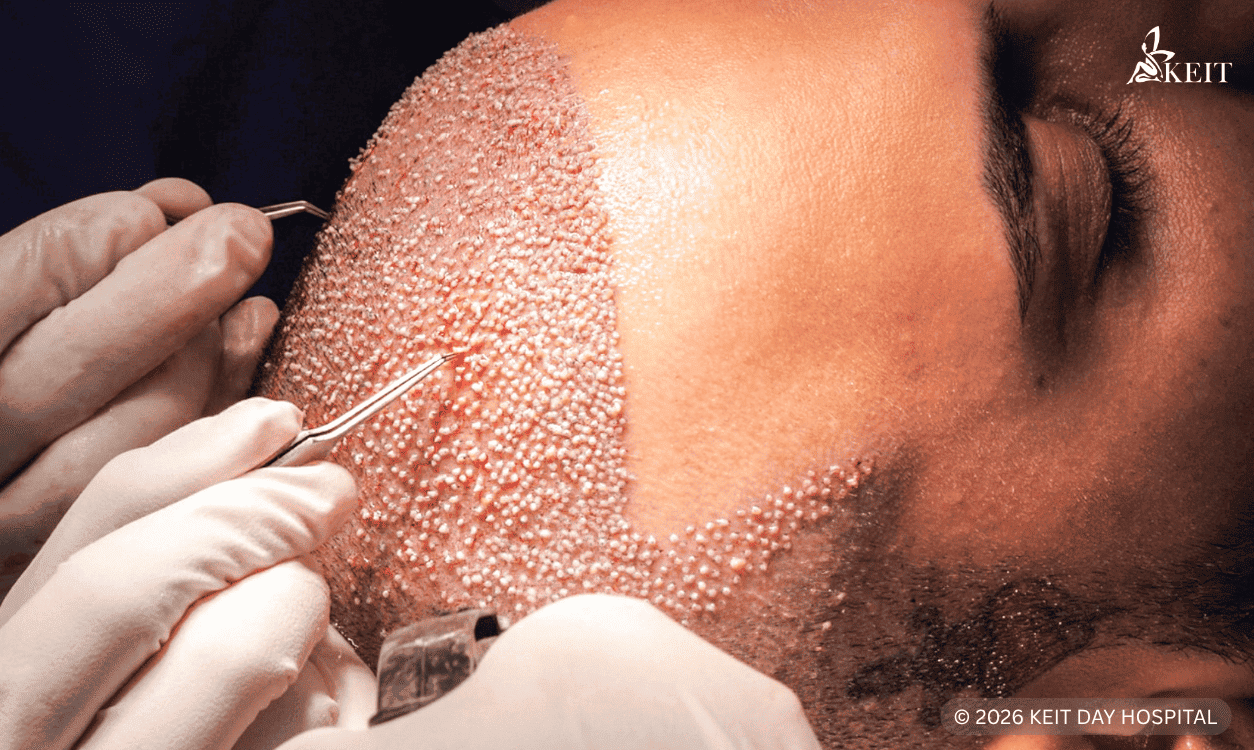
Maintaining the integrity of the donor area is essential for long-term hair restoration, particularly in young patients. Over-harvesting can reduce future options, so surgeons must limit graft extraction and ensure proper spacing to allow natural healing. Strategic placement of grafts in key aesthetic zones maximizes the appearance of density while conserving donor hair for potential future procedures, supporting sustainable and natural-looking results.
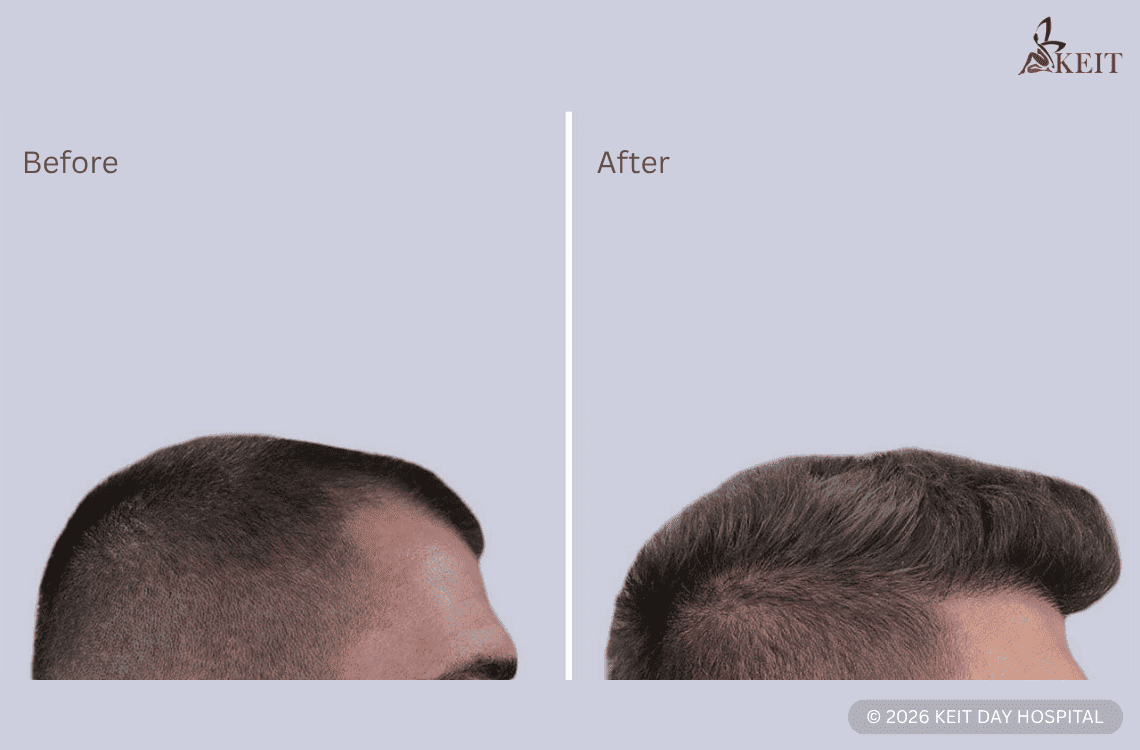
Medication and long-term planning for hair transplant in
Medication helps stabilize hair loss and support transplant outcomes in young men. Treatments such as finasteride and minoxidil slow progression, maintain existing hair, and protect transplanted follicles. Regular monitoring allows therapy adjustment as hair loss evolves, while careful long-term planning preserves donor hair for future procedures, ensuring natural, sustainable results.
When hair transplant should be delayed
Surgery may need to be postponed under the following circumstances:
- Progressing or unstable hair loss: Early or rapidly changing loss makes planning difficult and risks unnatural results.
- Unpredictable hair loss pattern: Final thinning pattern can’t be accurately determined in young patients, affecting hairline and density.
- Limited donor hair: Insufficient follicles reduce effectiveness and limit future options.
- Ongoing medical treatments or scalp conditions: Infections, inflammation, or health issues affecting healing make surgery unsafe.
- Unrealistic expectations: Hair transplants redistribute existing follicles; if desired density or hairline goals exceed what is achievable, surgery should be postponed.
- Need for future procedures: Early transplants may require additional sessions as hair loss continues.