Published on:

 Reading Time: 4 min
 Rhinoplasty
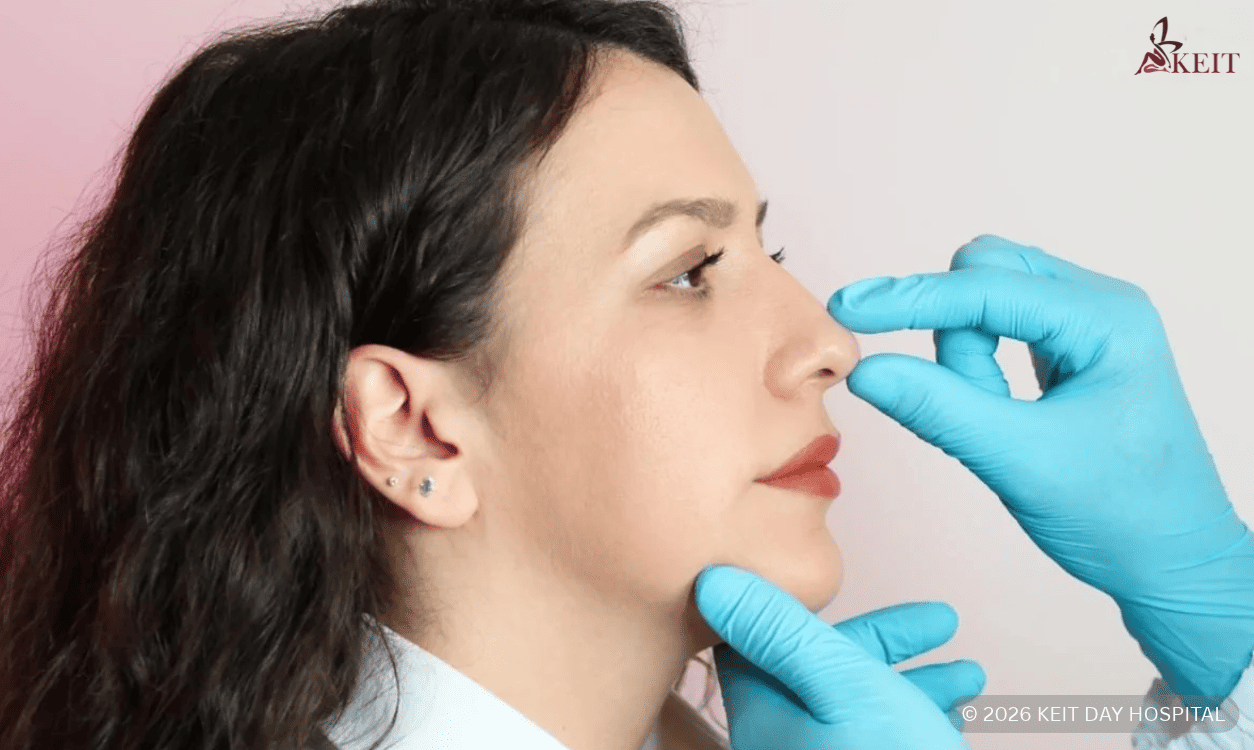
A hanging columella is a nasal condition in which the tissue separating the nostrils extends excessively below the nostril margins, creating a downward-projecting appearance at the base of the nose. It is primarily an aesthetic concern, although it may occur alongside structural nasal abnormalities. Surgical correction can improve the position of the columella and create a more balanced nasal appearance.
 Table of Contents:
-
1
 What is a hanging columella?
-
2
What causes a hanging columella?
-
3
How does a hanging columella differ from a drooping nasal tip or alar retraction?
-
4
Can a hanging columella be corrected without surgery?
-
5
How is a hanging columella corrected surgically?
-
6
What is recovery like after a hanging columella correction?
-
7
What results can you expect after hanging columella correction?
In this article, we explain what a hanging columella is, its causes and how it differs from other nasal concerns. We also discuss whether it can be corrected without surgery, how surgical correction is performed, what recovery involves and the results patients can expect.
What is a hanging columella?
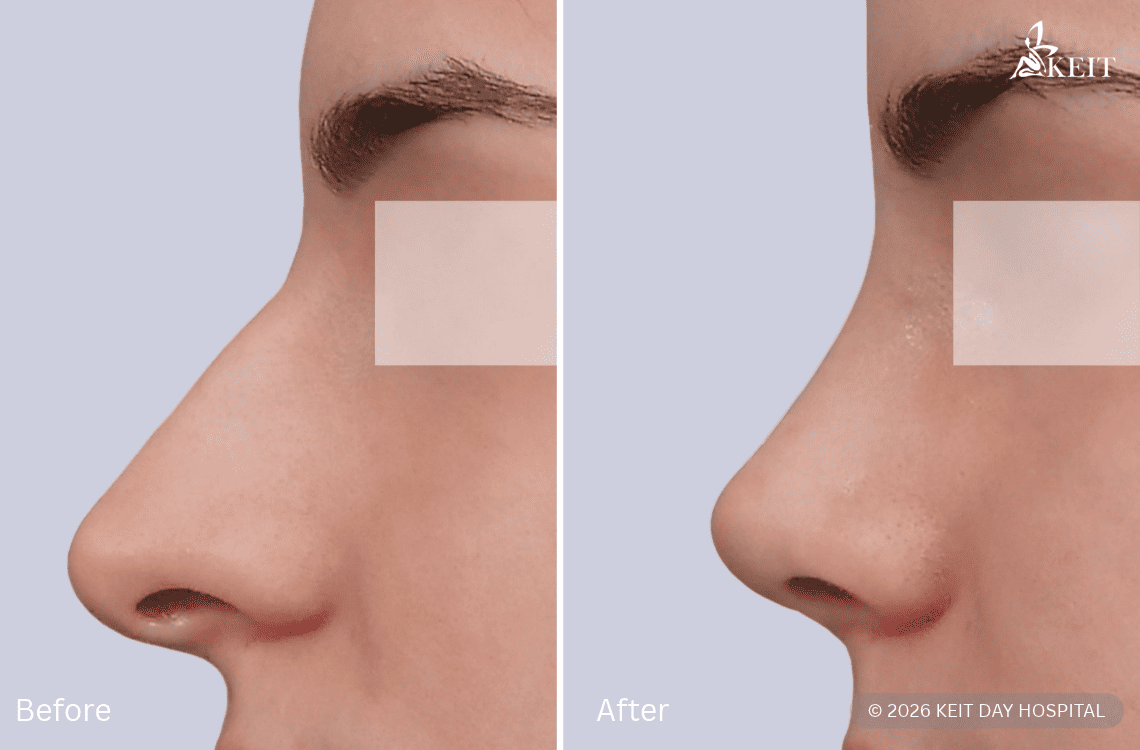
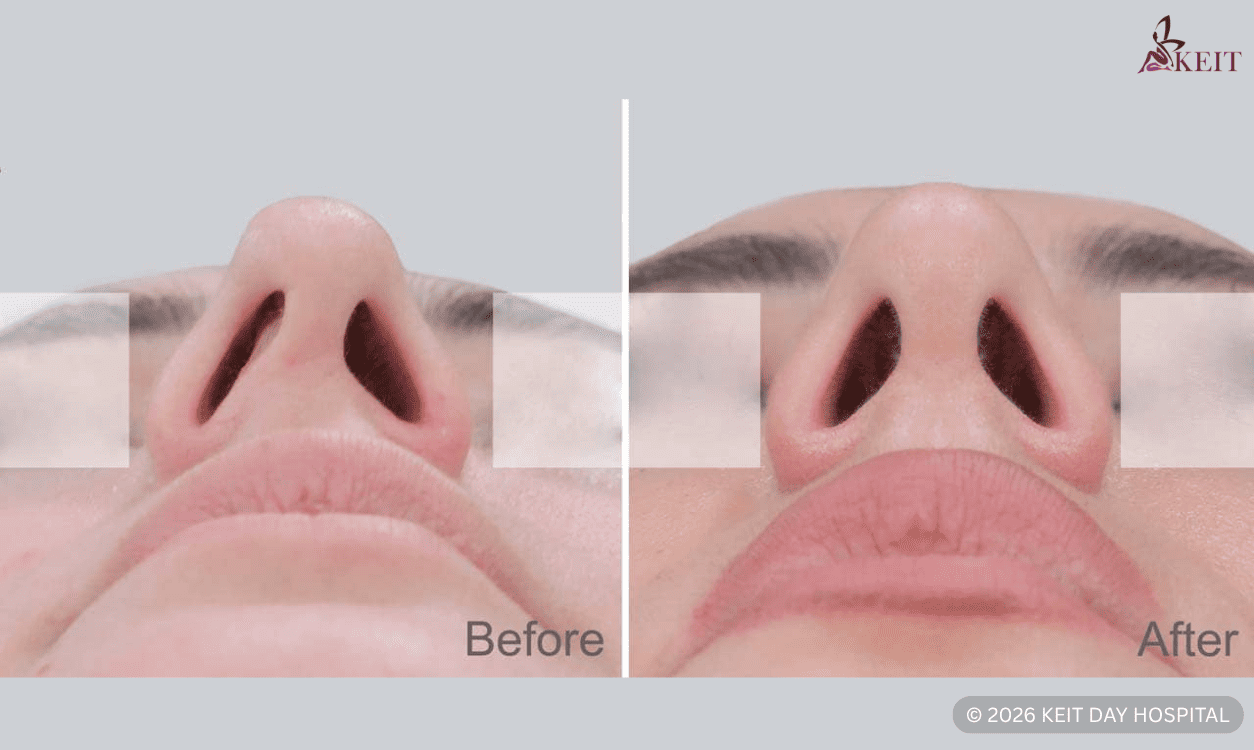
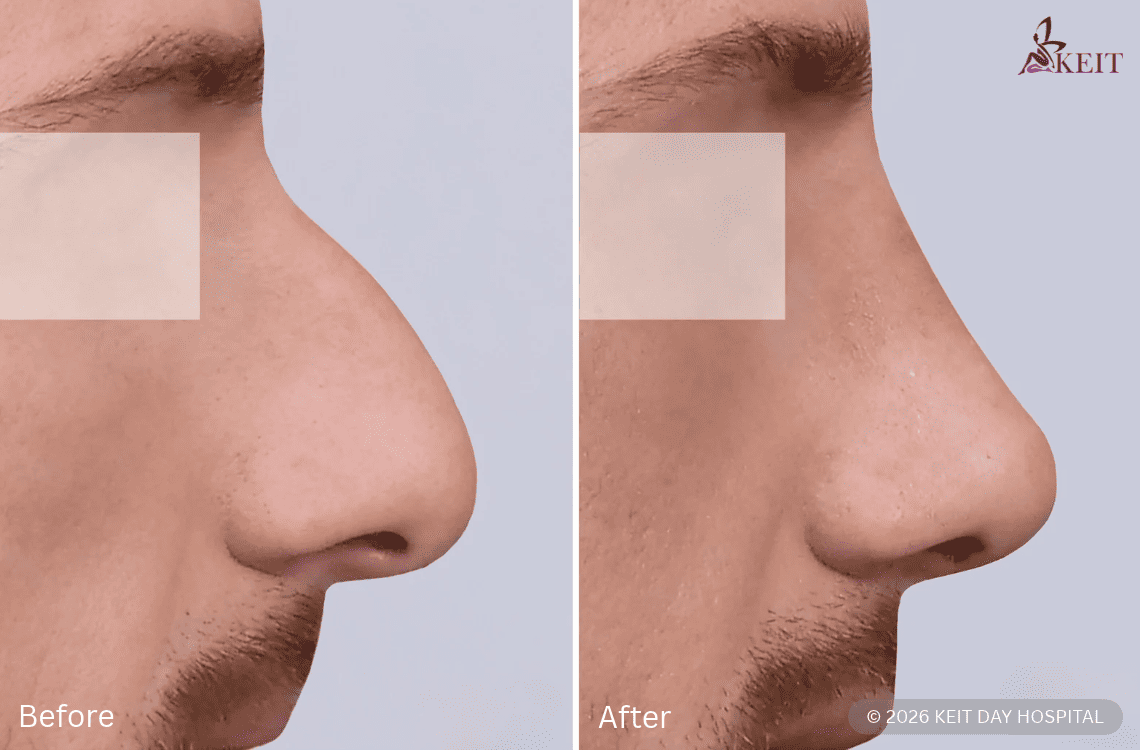
A hanging columella is a nasal anatomical variation characterized by excessive visibility of the columella, the strip of skin and soft tissue separating the two nostrils. When viewed from the side, the columella extends noticeably below the nostril openings, creating a prominent downward projection at the base of the nose. This can make the lower part of the nose appear elongated and affect the balance between the nasal tip and nostrils.
What causes a hanging columella?
A hanging columella develops when the cartilage or soft tissues supporting the base of the nose extend too far downward. It may be congenital or develop following nasal surgery.
The main causes include:
- Elongated caudal septum: An excessively long lower portion of the nasal septum can push the columella downward.
- Prominent medial crura: The inner portions of the lower lateral cartilages may be positioned too low or project excessively beneath the nostrils.
- Excess columellar soft tissue: Additional skin or soft tissue can contribute to a more prominent appearance.
- Congenital nasal anatomy: Inherited variations in cartilage shape and position may cause the columella to hang from an early age.
- Previous rhinoplasty: Changes to cartilage support or positioning during surgery can occasionally produce or accentuate a hanging columella.
In some patients, the columella only appears excessively low because the surrounding nostril rims are elevated.
How does a hanging columella differ from a drooping nasal tip or alar retraction?
A hanging columella, drooping nasal tip and alar retraction are distinct anatomical concerns that can produce a similar downward or unbalanced nasal appearance.
- Hanging columella: The central tissue between the nostrils extends excessively downward, making the columella appear more prominent.
- Drooping nasal tip: The nasal tip points downward due to its position or rotation.
- Alar retraction: The nostril rims are positioned abnormally high, making the columella appear more exposed.
These conditions can occur independently or together. Distinguishing them is important because the apparent excess columellar show may result from the position of the nostril rims rather than the columella itself.
Can a hanging columella be corrected without surgery?
No, a hanging columella cannot typically be corrected without surgery because its appearance is determined by the underlying nasal cartilage and soft tissues. Non-surgical methods, including massage, skincare and injectable fillers, cannot reliably shorten or reposition an excessively prominent columella. When the condition is mild and does not cause functional concerns, treatment may not be necessary. However, patients seeking a lasting anatomical correction typically require a surgical approach.

How is a hanging columella corrected surgically?
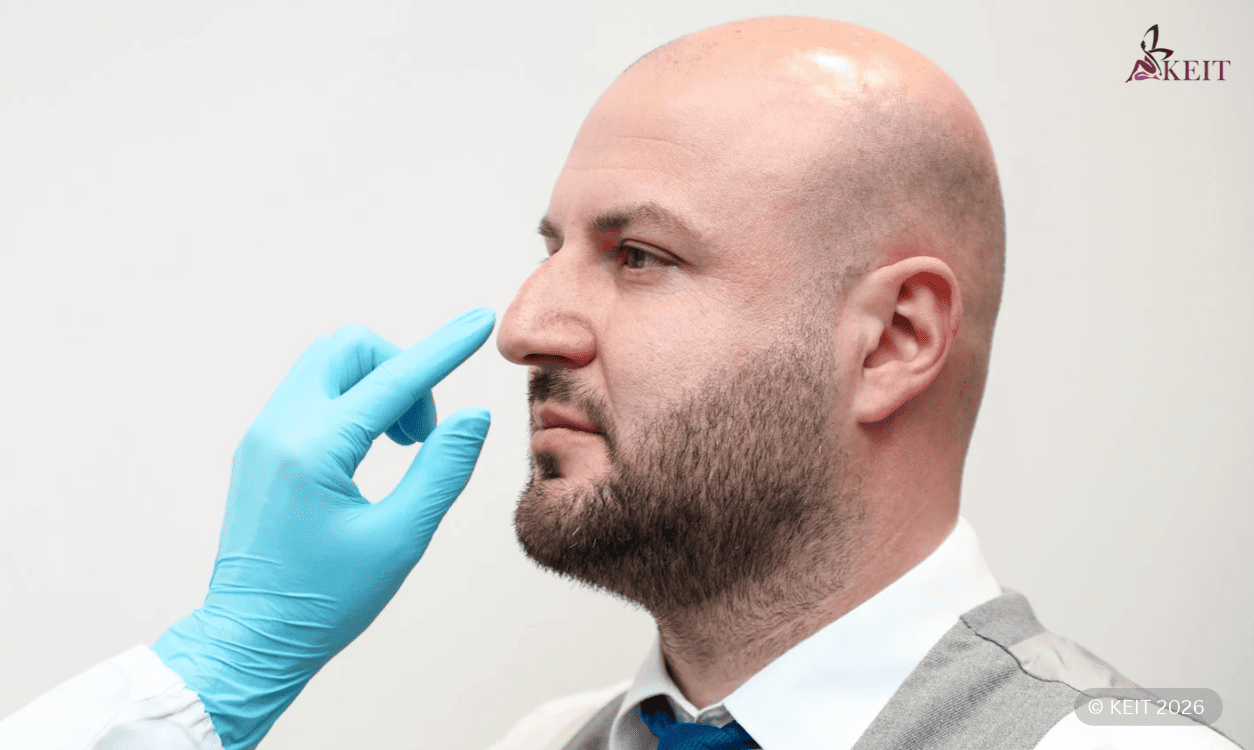
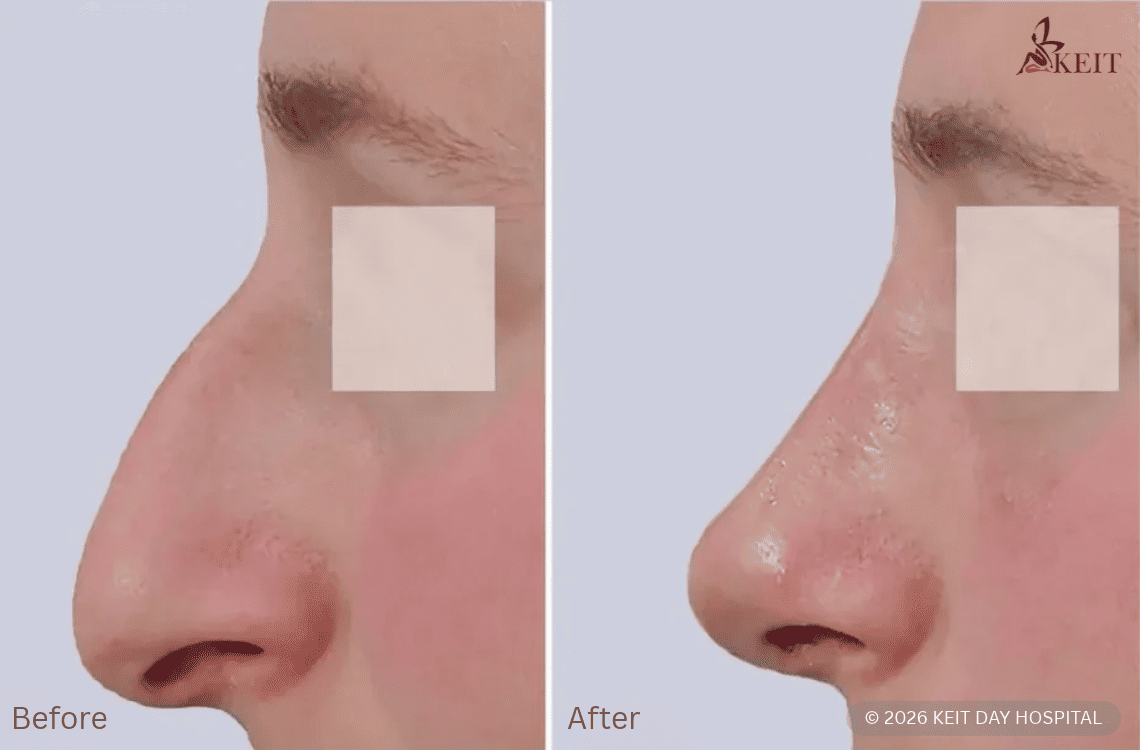
Surgical correction of a hanging columella involves adjusting the nasal structures responsible for its excessive downward projection. The procedure may be performed as part of primary or revision rhinoplasty, depending on the patient's anatomy and surgical history.
Depending on the cause, correction may involve:
- Caudal septal adjustment: Shortening or repositioning an elongated lower nasal septum to reduce excessive columellar projection.
- Medial crura repositioning: Adjusting the cartilages that support the columella and nasal tip to improve their position.
- Soft tissue reduction: Removing excess tissue when it contributes to the hanging appearance.
- Alar rim correction: Repositioning or supporting elevated nostril rims when they make the columella appear excessively prominent.
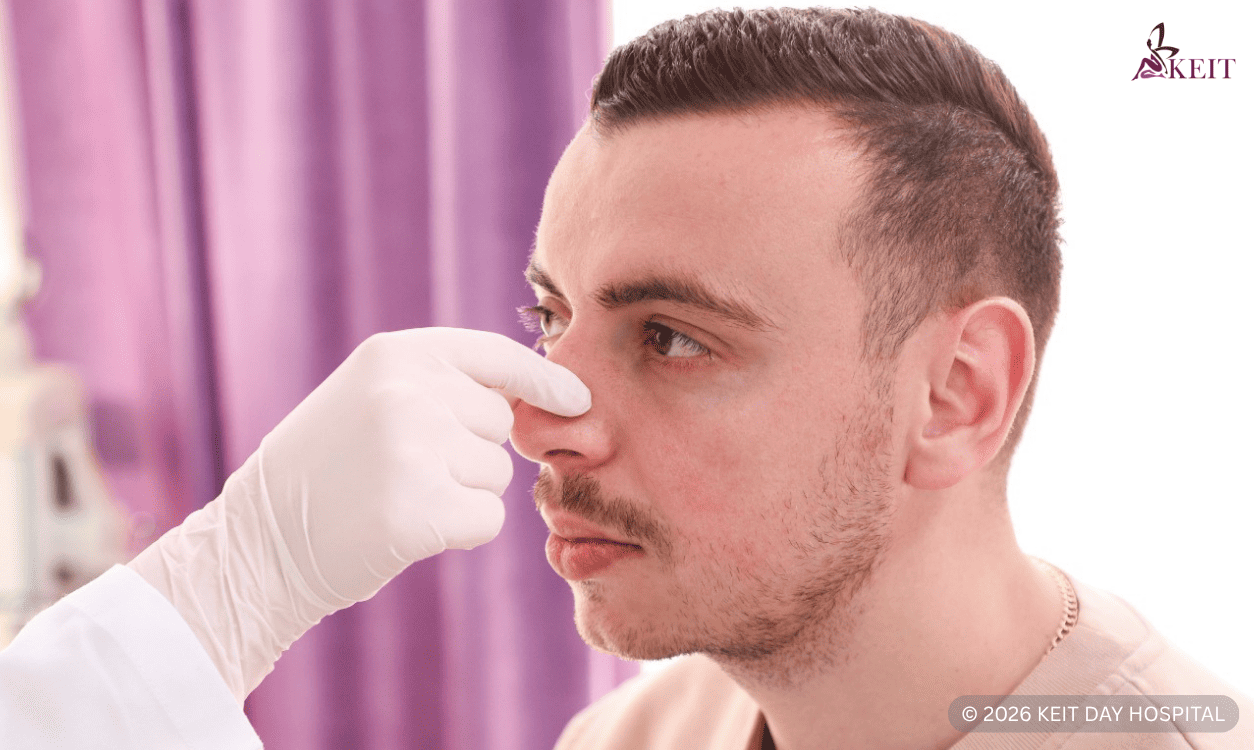
The appropriate correction is determined through a detailed assessment of the nasal structures, with the aim of achieving balanced nasal proportions while preserving nasal support and function.
What is recovery like after a hanging columella correction?
Recovery after hanging columella correction depends on the extent of surgery and whether the procedure is performed independently or as part of rhinoplasty.
Swelling, tenderness and temporary changes in the appearance of the nasal tip and columella are common during the initial healing period. Bruising may also occur, particularly when additional nasal structures are treated.
Most patients can gradually resume routine activities within the first one to two weeks after rhinoplasty, although recovery instructions vary according to the procedure performed. Swelling continues to decrease over the following months, and the final nasal contour may take up to a year or longer to become fully apparent.
What results can you expect after hanging columella correction?
Hanging columella correction can improve the appearance of the nose by reducing excessive downward projection of the columella and creating a more balanced nasal profile. After correction, patients can expect a less prominent columella, improved proportions between the nasal tip and nostrils, and a more natural appearance of the nasal base. Results are generally long-lasting, although the final outcome depends on the patient's nasal anatomy, the extent of correction and individual healing.