Published on:

 Reading Time: 5 min
 Rhinoplasty
Nasal valve collapse is a narrowing or weakening of the nasal valve, the area responsible for regulating airflow through the nose. It can cause symptoms such as nasal blockage, difficulty breathing through the nose, and nostril collapse during inhalation. Treatment depends on the severity and may include non-surgical measures or nasal valve collapse surgery to improve nasal airflow.
 Table of Contents:
-
1
 What is nasal valve collapse?
-
2
What are the types of nasal valve collapse?
-
3
What causes nasal valve collapse?
-
4
What are the symptoms of nasal valve collapse?
-
5
How is nasal valve collapse diagnosed?
-
6
Non-surgical treatment options for nasal valve collapse
-
7
Surgical correction for nasal valve collapse
-
8
How is nasal valve collapse surgery performed?
-
9
Can nasal valve collapse come back after surgery?
In this article, we explain what nasal valve collapse is, the different types that can affect the internal or external nasal valve, and the causes and symptoms patients may experience. We also cover how nasal valve collapse is diagnosed, the available non-surgical and surgical treatment options, how nasal valve surgery is performed, and whether the condition can recur after surgery.
What is nasal valve collapse?
Nasal valve collapse occurs when the nasal valve becomes narrowed or loses structural support, limiting airflow through the nose. The nasal valve is the narrowest part of the nasal airway and helps regulate airflow during breathing. When the supporting cartilage or surrounding tissues become weakened, the airway can narrow and make nasal breathing more difficult.
What are the types of nasal valve collapse?
Nasal valve collapse can affect the internal or external nasal valve, depending on the area where the narrowing or weakness occurs.
- Internal nasal valve collapse: Occurs in the narrowest part of the nasal airway, between the septum and the upper lateral cartilage. Weakness or narrowing in this area can significantly reduce airflow through the nose.
- External nasal valve collapse: Affects the area around the nostril opening, where weakness of the nasal sidewall can cause the nostril to narrow or collapse inward during breathing.

What causes nasal valve collapse?
Nasal valve collapse is caused by weakness or structural changes that reduce the support and stability of the nasal valve. Common causes include:
- Previous nasal surgery: Procedures such as rhinoplasty can weaken the nasal valve if cartilage supporting the airway is altered or insufficiently supported.
- Nasal trauma: Injury to the nose can damage cartilage and alter the stability of the nasal valve.
- Natural nasal anatomy: Some people have naturally narrower nasal passages or weaker cartilage support.
- Age-related changes: Over time, changes in tissue strength and elasticity can contribute to nasal valve narrowing.
- Nasal cartilage weakness: Reduced support of the nasal cartilage can contribute to a collapsed nasal valve and airflow restriction.
What are the symptoms of nasal valve collapse?
Nasal valve collapse symptoms are mainly related to reduced airflow through the nose and difficulty breathing, especially during deeper inhalation or physical activity. Common symptoms include:
- Difficulty breathing through one or both nostrils.
- A blocked or restricted feeling inside the nose.
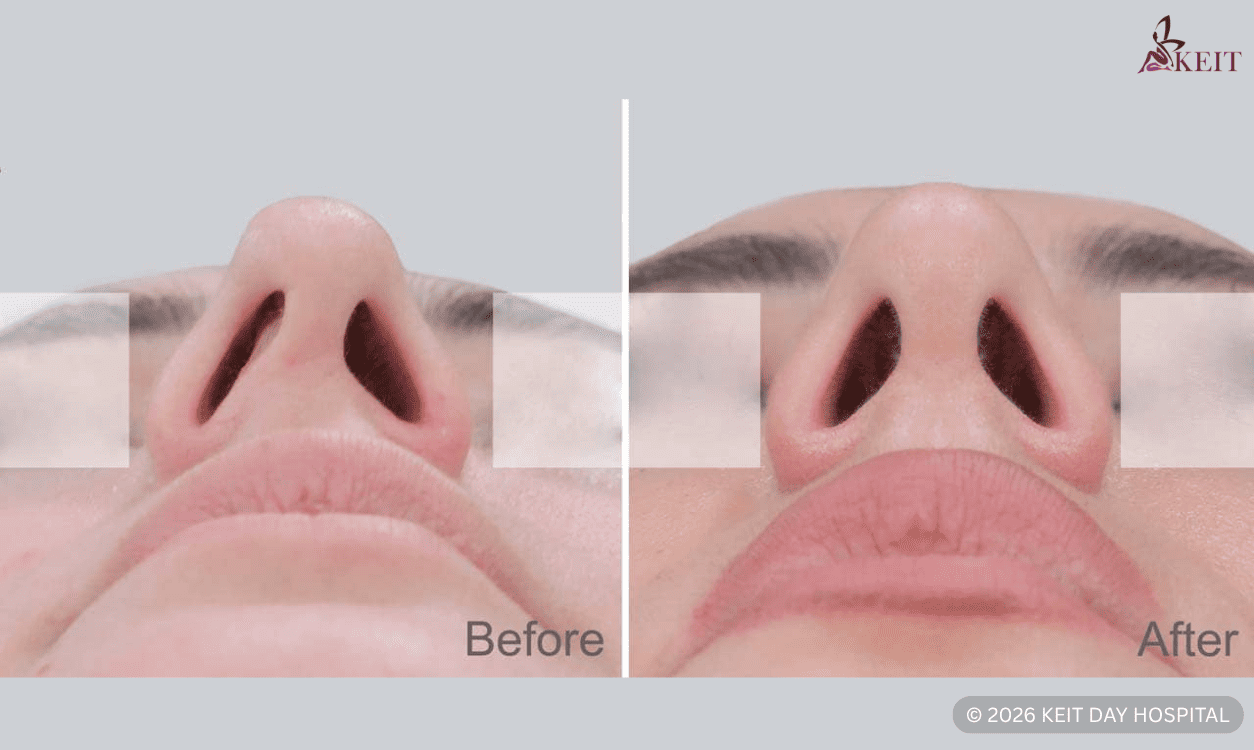
- A nostril that narrows or collapses during inhalation.
- Increased difficulty breathing during exercise or physical activity.
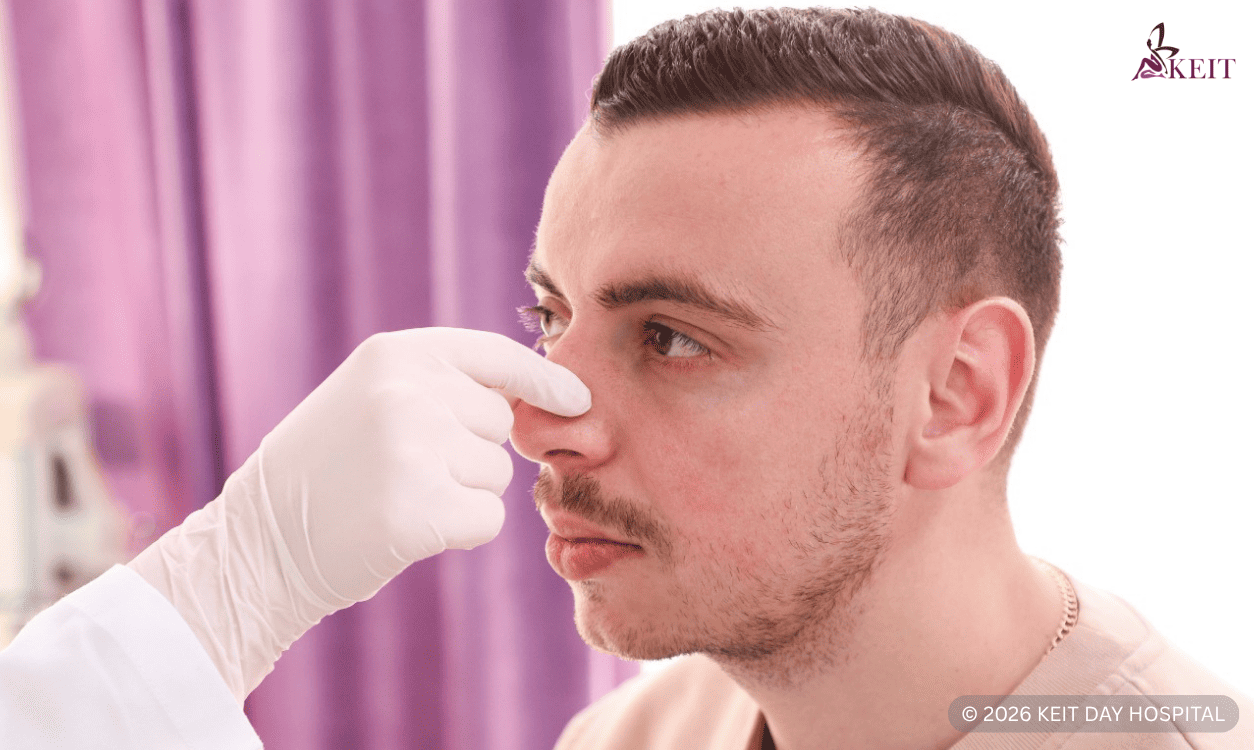
- Improvement in airflow when pulling the cheek sideways (positive Cottle manoeuvre).
- Reduced airflow that may not improve with standard nasal decongestants.

How is nasal valve collapse diagnosed?
Nasal valve collapse is diagnosed through a clinical examination of the nasal airway, supported by specific physical tests and assessment of nasal structure. Diagnosis may include:
- Nasal examination: The specialist assesses the shape, stability, and airflow of the nasal valve area.
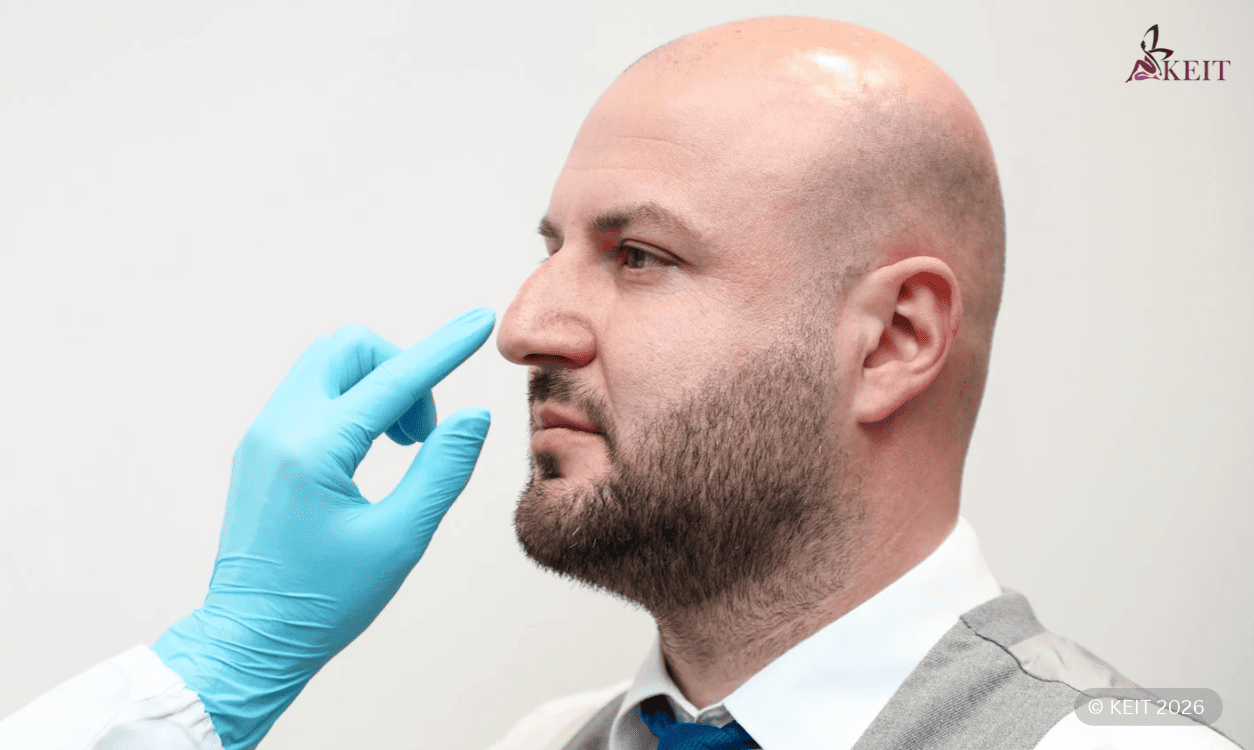
- Cottle manoeuvre: Gentle outward pulling of the cheek is used to assess whether widening the nasal valve improves breathing.
- Modified Cottle manoeuvre: A targeted assessment helps identify which part of the nasal valve may be contributing to obstruction.
- Nasal endoscopy: A small camera may be used to evaluate the nasal passages and exclude other causes of blockage.
A thorough assessment helps distinguish nasal valve collapse from other causes of nasal obstruction, such as a deviated septum or enlarged turbinates.
Non-surgical treatment options for nasal valve collapse
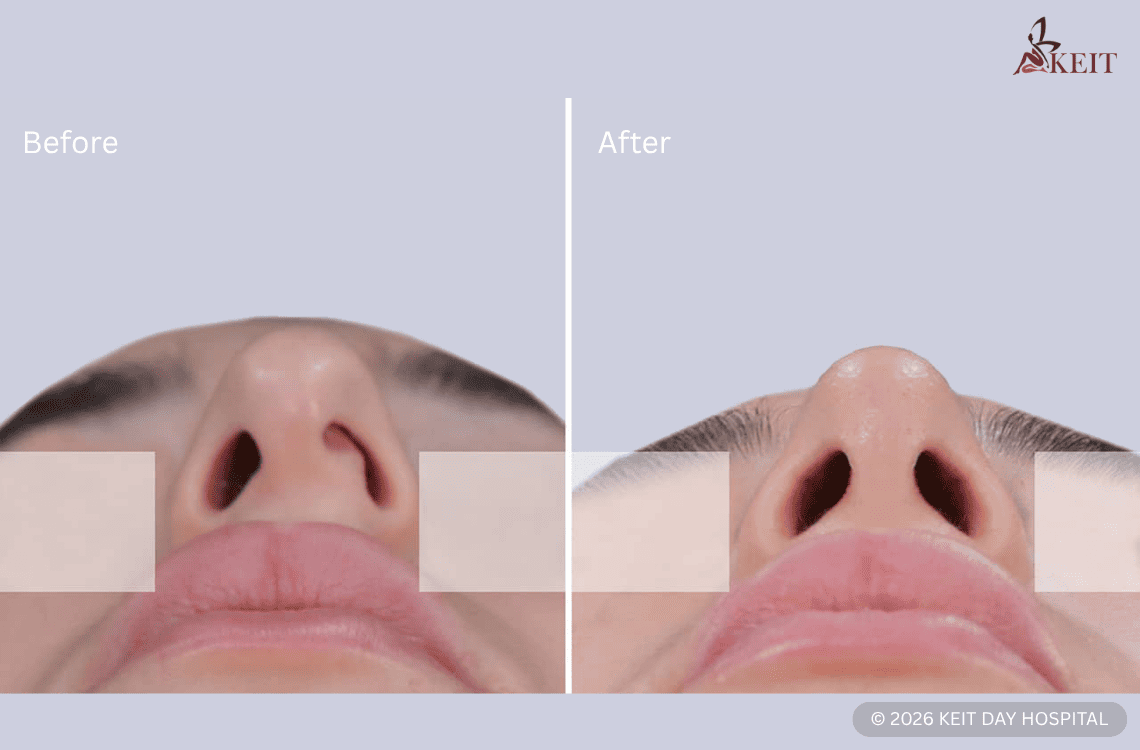
Non-surgical treatments for nasal valve collapse aim to improve airflow and reduce symptoms without correcting the underlying structural weakness. Options may include:
- External nasal dilators: Nasal strips or adhesive devices that widen the nasal valve area from the outside.
- Internal nasal dilators: Small devices placed inside the nostrils to support the nasal valve and improve airflow.
These options may reduce symptoms but do not correct the underlying structural weakness.
Surgical correction for nasal valve collapse
Nasal valve collapse surgery involves procedures that strengthen the weakened nasal valve structures to improve airflow and support. The appropriate procedure depends on the location of the collapse and the patient’s nasal anatomy.
- Nasal valve repair with cartilage grafts: Cartilage grafts are used to strengthen the nasal valve. Common techniques include spreader grafts for internal valve support and alar batten grafts for external valve support.
- Functional rhinoplasty: A structural procedure that improves nasal breathing by correcting weakened or narrowed nasal valve areas.
- Septoplasty: Straightens a deviated nasal septum when it also contributes to nasal obstruction. It may be performed together with nasal valve repair.
- Septorhinoplasty: Combines nasal valve repair with septal and external nasal structural correction when multiple factors affect breathing.
How is nasal valve collapse surgery performed?
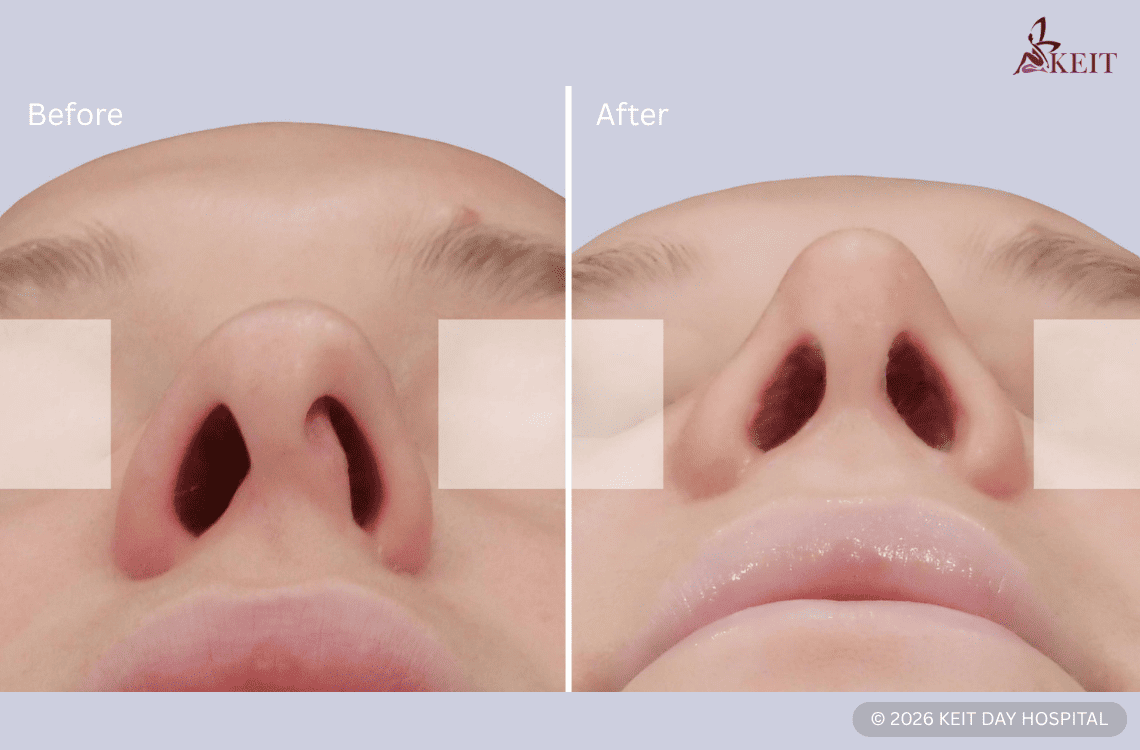
Nasal valve collapse surgery is performed under general anaesthesia and involves placing cartilage grafts to support the nasal valve structures. Spreader grafts may be used to widen and stabilise the internal nasal valve, while alar batten grafts can reinforce the external nasal valve and prevent the nostril from collapsing during inhalation. Depending on the patient’s anatomy, nasal valve repair may be combined with functional rhinoplasty or septoplasty to correct other structural issues affecting nasal airflow. The exact approach is tailored to the specific cause and location of the collapse.
Can nasal valve collapse come back after surgery?
Although recurrence after nasal valve collapse surgery is uncommon, it can occur in some patients if the repaired nasal structures weaken, shift, or are affected by further changes over time. Recurrence may occur due to factors such as:
- Insufficient structural support: If the nasal valve does not receive adequate reinforcement during surgery, narrowing may persist or return.
- Nasal trauma after surgery: Injury to the nose can damage the repaired structures and affect nasal valve stability.
- Natural changes over time: Age-related changes in cartilage strength and tissue support may affect the long-term stability of the nasal airway.
- Further nasal procedures: Additional surgery that alters nasal structures may affect the previous repair.
The risk of recurrence depends on the patient’s nasal anatomy, the severity of the collapse, and the surgical approach used.