Published on:

 Reading Time: 5 min
 Rhinoplasty
A wide nose is characterised by increased width of the nasal bridge, nasal tip, nostrils, or overall nasal structure. Wide nose rhinoplasty can narrow and refine these areas by reshaping the nasal bones, cartilage, or nostrils to create better facial balance while preserving natural nasal function.
 Table of Contents:
-
1
 What is a wide nose?
-
2
What causes a wide nose?
-
3
Types of wide nose: bridge, tip and nostril width
-
4
Can a wide nose be narrowed?
-
5
Wide nose rhinoplasty: how is the procedure performed?
-
6
Wide nose rhinoplasty recovery and healing timeline
-
7
Wide nose rhinoplasty: before and after results
-
8
Non-surgical nose job for a wide nose: does it work?
-
9
Wide nose rhinoplasty vs non-surgical nose job: which option is right for you?
In this article, we explain what causes a wide nose, the different types of nasal width, and whether a wide nose can be narrowed. It also covers wide nose rhinoplasty, how the procedure is performed, recovery and healing, expected before-and-after results, and how surgical correction compares with non-surgical nose job options.
What is a wide nose?
A wide nose is a nose that appears broader than expected in relation to the other facial features. It may involve increased width of the nasal bridge, nasal tip, nostrils, or the overall nasal structure. The appearance of a wide nose is determined by the underlying nasal anatomy, including the width of the nasal bones, cartilage structure and the thickness of the surrounding soft tissues. A wide nose can affect different areas of the nose, depending on the individual’s facial anatomy.
What causes a wide nose?
A wide nose is caused by natural anatomical features or structural characteristics of the nasal framework. Common factors include:
- Genetics and facial anatomy: Some people naturally have a wider nasal structure due to inherited bone, cartilage, or soft tissue characteristics.
- Wide nasal bones: A broader nasal bone structure can make the upper part of the nose appear wider.
- Thick nasal skin and soft tissue: Increased soft tissue thickness can make the nose appear wider, particularly at the tip.
- Wide nasal tip cartilage: The shape and position of the lower nasal cartilage can contribute to a broader nasal tip.
- Wide nostril base: A wider distance between the nostrils can create a broader nasal appearance.
- Previous nasal trauma: Injury can alter nasal structures and affect nasal width or symmetry.
Understanding the specific cause of nasal width is essential because treatment depends on which structures are contributing to the appearance.
Types of wide nose: bridge, tip and nostril width
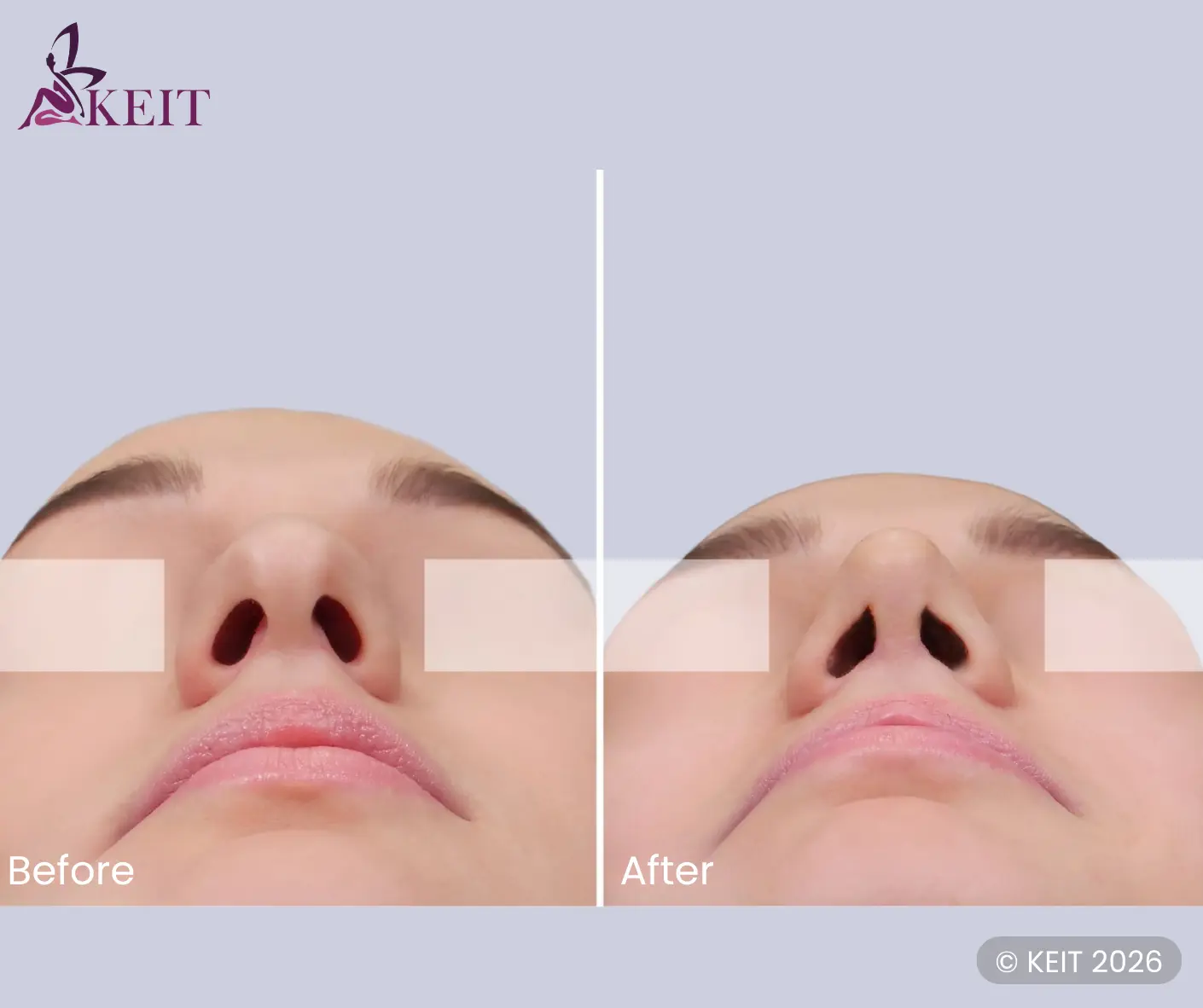
A wide nose can involve the nasal bridge, nasal tip, nostrils, or multiple areas at the same time, depending on where the increased width is located.
- Wide nasal bridge: The upper part of the nose appears broad due to wider nasal bones or increased distance between the nasal structures.
- Wide nasal tip: The lower part of the nose appears rounded or broad due to cartilage shape, soft tissue thickness, or tip structure.
- Wide nostril base: The nostrils appear wider or more open due to increased width of the nasal base.
Some patients have one dominant area of width, while others have a combination of bridge, tip, and nostril widening that requires a more comprehensive rhinoplasty approach.
Can a wide nose be narrowed?
A wide nose can be narrowed with rhinoplasty techniques that address the specific structures contributing to nasal width. The appropriate approach depends on whether the width comes from the nasal bones, cartilage, soft tissue, or nostril base.
Wide nose rhinoplasty may involve narrowing the nasal bones, refining the nasal tip, reducing nostril width, or combining several techniques to achieve a balanced result. The goal is not to create an artificially narrow nose, but to improve nasal proportions while maintaining facial harmony and nasal function.

Wide nose rhinoplasty: how is the procedure performed?
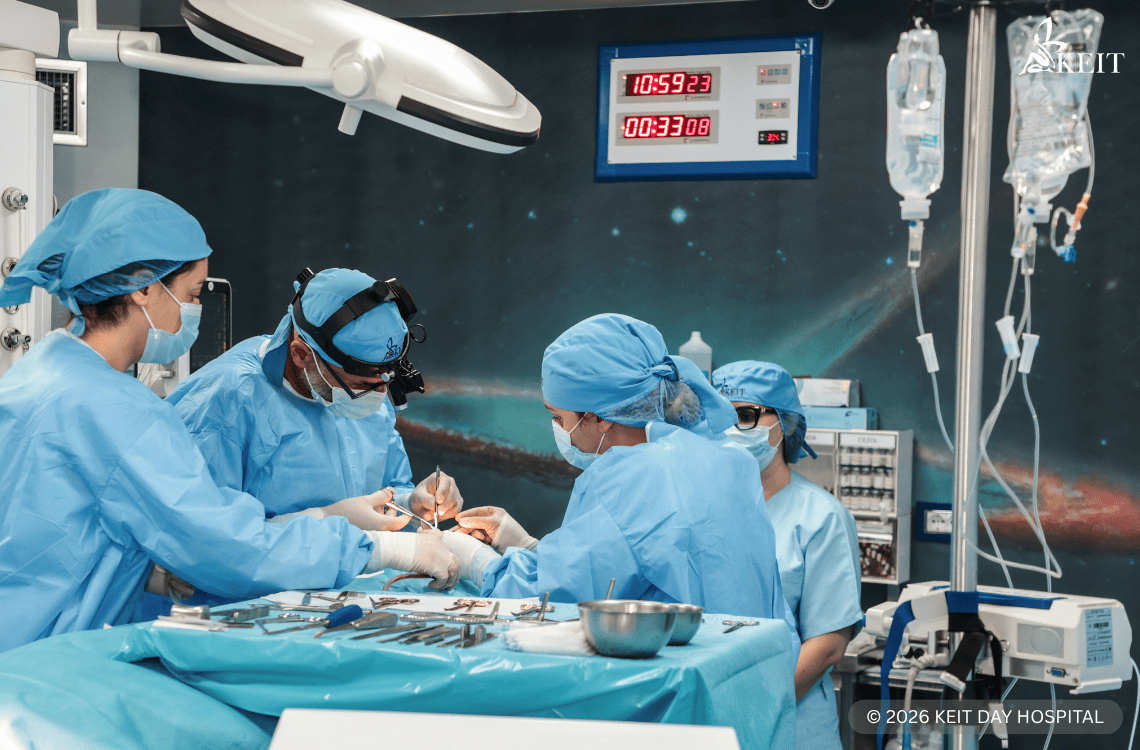
Wide nose rhinoplasty is performed under general anaesthesia and typically takes around 1–3 hours, depending on the complexity of the correction. During surgery, the surgeon modifies the specific structures contributing to the wide appearance:
- Nasal bone narrowing: The nasal bones are carefully repositioned to reduce the width of the nasal bridge.
- Tip refinement: The nasal cartilage is reshaped to create a more defined and proportionate nasal tip.
- Nostril reduction (alar base reduction): When the nostrils are too wide, the nasal base can be narrowed by reducing and reshaping the alar tissue.
The techniques used are tailored to each patient’s nasal anatomy and facial proportions. The goal is to achieve a narrower, balanced nose while maintaining natural appearance and proper nasal function.
Wide nose rhinoplasty recovery and healing timeline
Recovery after wide nose rhinoplasty occurs gradually, with swelling decreasing over several months as the nasal tissues heal.
- First week: A nasal splint is usually worn, with swelling and bruising around the nose and eyes being most noticeable.
- Weeks 2–4: Bruising improves and most visible swelling decreases, although the nose remains swollen.
- Months 2–6: The nasal shape becomes more refined as deeper swelling continues to resolve.
- 6–12 months: The final nasal contour becomes clearer as the tissues fully settle.
Following postoperative instructions and attending scheduled follow-up appointments are essential for monitoring healing and achieving the best possible outcome.
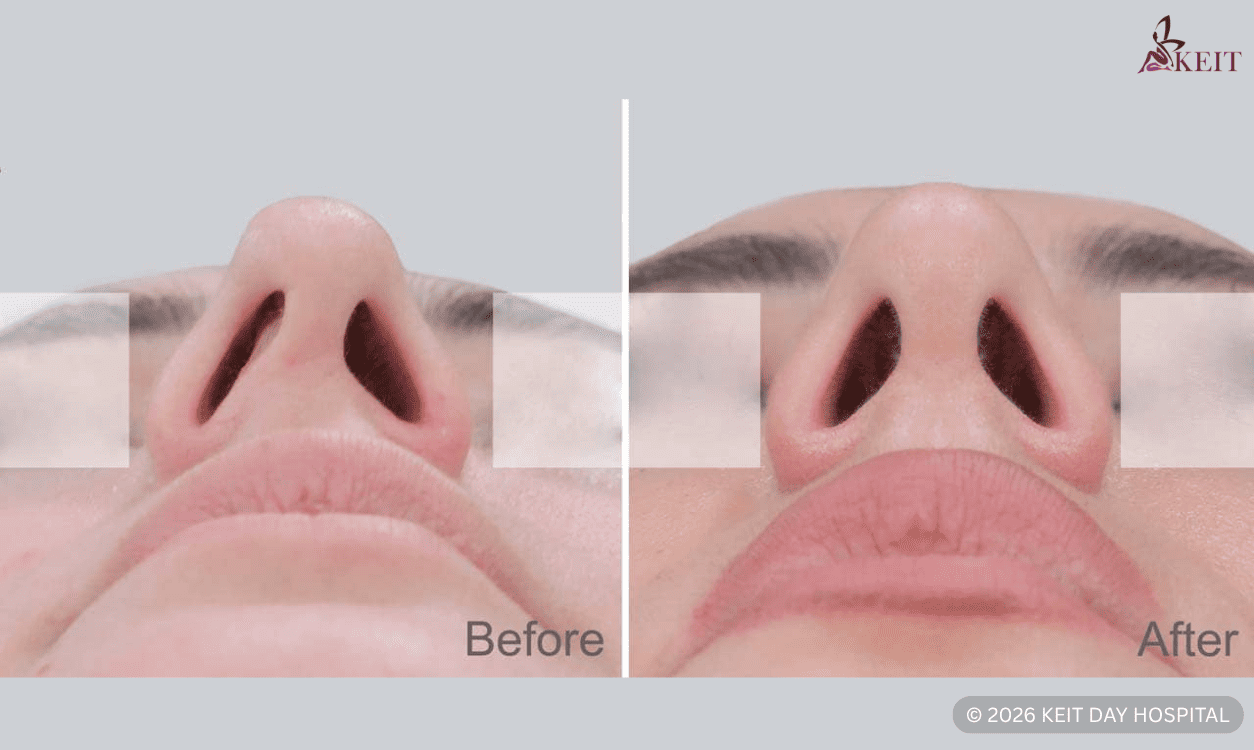
Wide nose rhinoplasty: before and after results
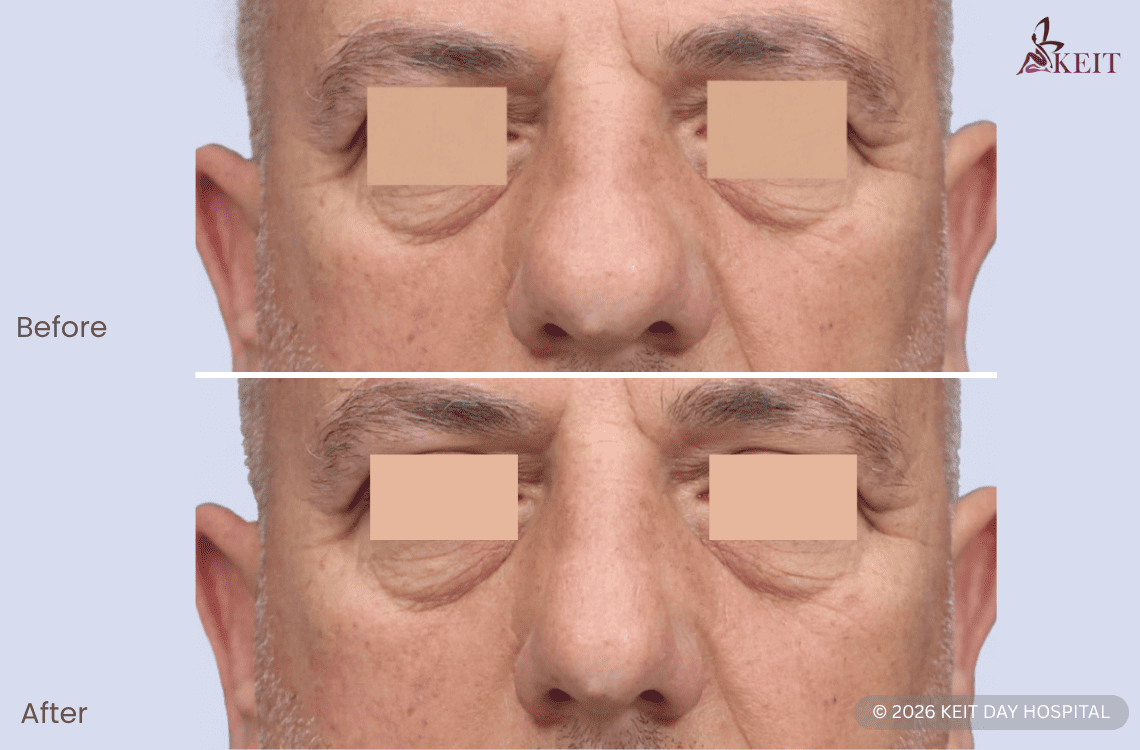
Wide nose rhinoplasty before and after results show a narrower, more refined nose with improved balance between the nasal features and the rest of the face. The improvements achieved depend on the individual nasal anatomy and the areas treated, but may include:
- A narrower nasal bridge with reduced width of the nasal bones.
- A more defined and proportionate nasal tip.
- Reduced nostril width when alar reduction is performed.
- Improved overall facial harmony and nasal proportions.
The final result varies between patients and depends on factors such as skin thickness, cartilage structure and individual healing.
Non-surgical nose job for a wide nose: does it work?
A non-surgical nose job can improve certain nasal contours, but it cannot permanently reduce the width of a wide nose. Injectable fillers may be used to smooth minor irregularities, improve symmetry or create a more balanced nasal profile by adding volume to specific areas. However, fillers cannot:
- narrow wide nasal bones;
- reduce nostril width;
- remove excess nasal tissue;
- reshape the underlying nasal cartilage.
Because of this, non-surgical rhinoplasty has limited applications for patients whose main concern is nasal width.
Wide nose rhinoplasty vs non-surgical nose job: which option is right for you?
The right option depends on the cause of the nasal width and the type of correction required.
- Wide nose rhinoplasty: Provides permanent changes by reshaping the nasal bones, cartilage or nostrils to reduce structural width and improve nasal proportions.
- Non-surgical nose job: Uses dermal fillers to improve minor contour irregularities and enhance nasal shape temporarily, but it cannot narrow the nasal bones, reduce nostril width or change the underlying nasal structure.
Patients seeking actual narrowing of the bridge, tip, or nostrils usually require a surgical approach, while fillers may be considered for minor contour adjustments in selected cases.