Published on:

 Reading Time: 5 min
 Rhinoplasty
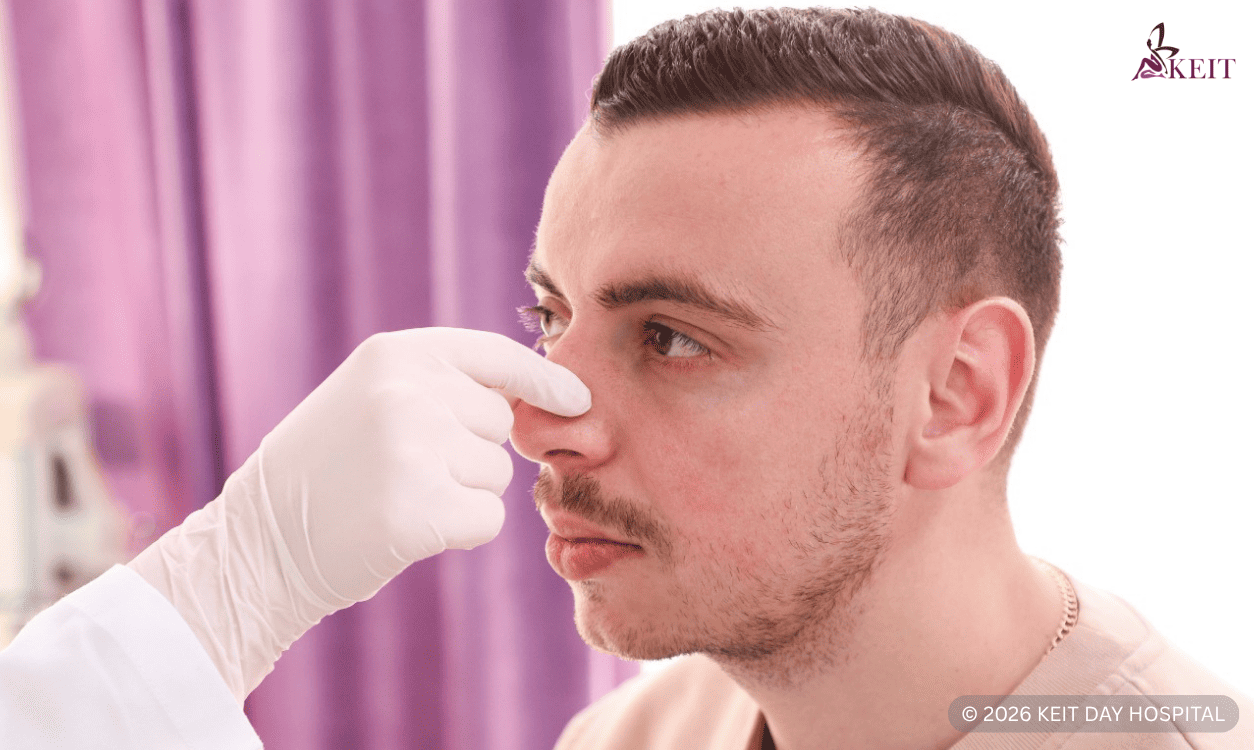
Thick skin rhinoplasty is a nose reshaping procedure adapted to patients with thick nasal skin and underlying soft tissue. Because thicker skin can limit nasal tip definition, the procedure requires careful surgical planning to improve nasal shape and proportions while accounting for the limitations of skin thickness.
 Table of Contents:
-
1
 What is thick skin rhinoplasty?
-
2
Who is a suitable candidate for thick skin rhinoplasty?
-
3
Can rhinoplasty correct a bulbous nasal tip with thick skin?
-
4
How is thick skin rhinoplasty performed?
-
5
Can thick nasal skin be thinned during rhinoplasty?
-
6
What is the recovery process after thick skin rhinoplasty?
-
7
What results can you expect from thick skin rhinoplasty?
-
8
What are the risks of thick skin rhinoplasty?
In this article, we explain what thick skin rhinoplasty is, who is a suitable candidate, and whether it can correct a bulbous nasal tip. We also cover how the procedure is performed, whether thick nasal skin can be thinned, and what to expect during recovery, including the final results and potential risks.
What is thick skin rhinoplasty?
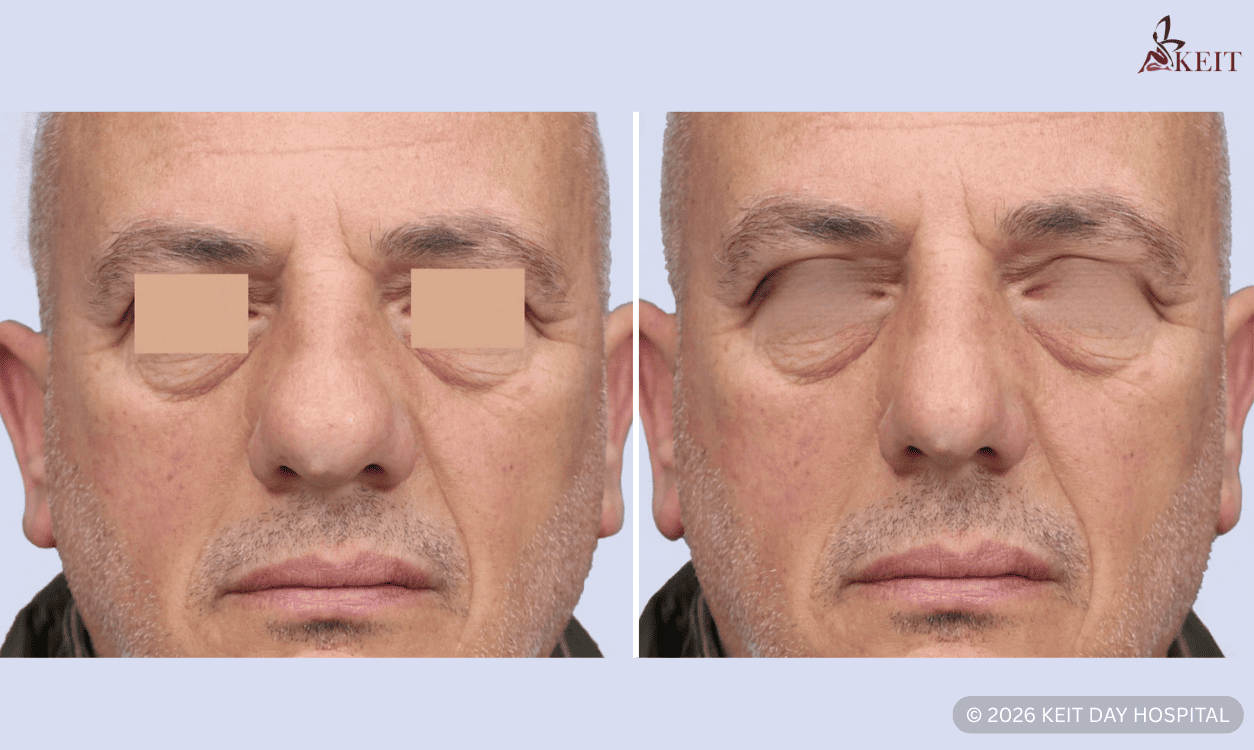
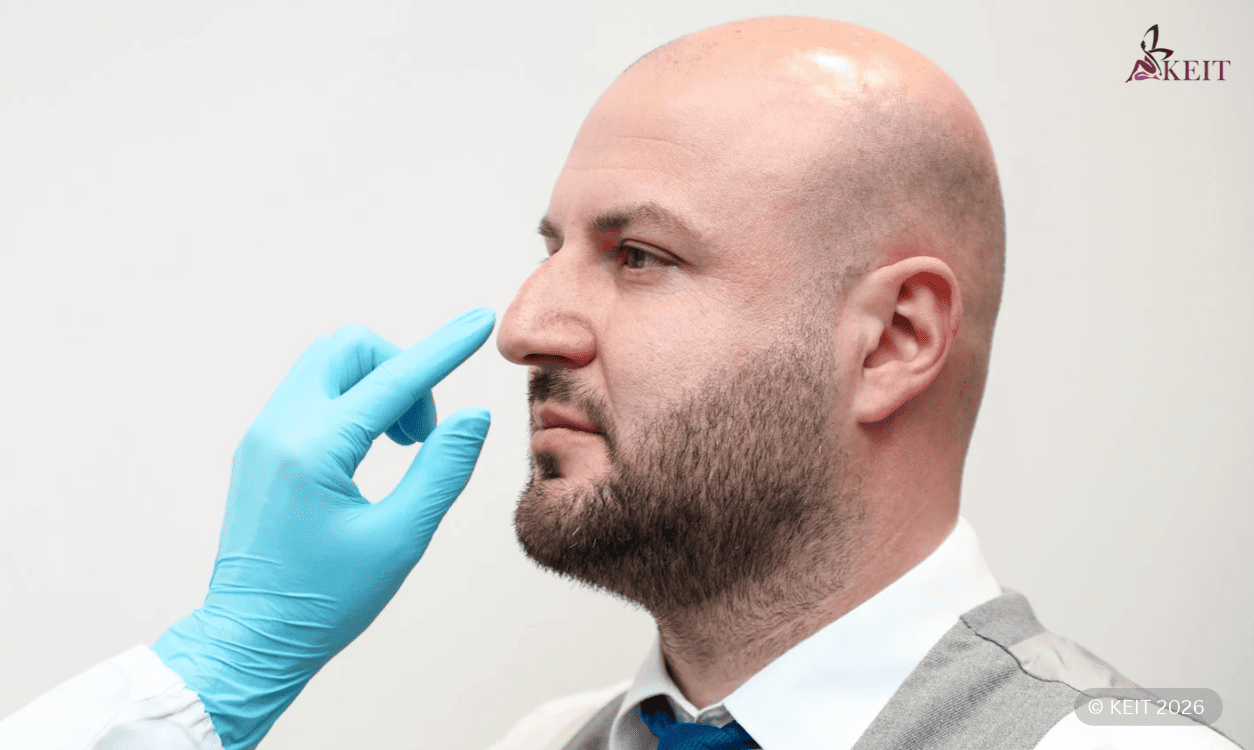
Thick skin rhinoplasty is a specialized approach to nose reshaping for patients with a thicker skin and soft-tissue layer covering the nasal cartilage and bone. Thick nasal skin is characterized by a thicker dermis, more prominent sebaceous (oil-producing) glands, and increased soft tissue beneath the skin, particularly around the nasal tip. These characteristics can make the nose appear wider, rounder, or less defined, even when the underlying cartilage is relatively well shaped.
Rhinoplasty in these patients therefore requires an approach tailored to the thickness of the skin and the structure of the underlying nasal framework.
Who is a suitable candidate for thick skin rhinoplasty?
Suitable candidates for thick skin rhinoplasty are individuals with thick nasal skin who have specific concerns about their nasal shape or function.
Suitable candidates include those who:
- Have a broad or bulbous nasal tip that could benefit from improved shape and definition.
- Have weak nasal cartilage that may require additional structural support.
- Have adequate skin elasticity to adapt to changes in the nasal framework.
- Have healthy nasal skin, without active infections or uncontrolled inflammation.
- Are in good overall health, with no conditions that significantly increase surgical risks.
- Have realistic expectations about the degree of refinement possible with thick nasal skin.
A consultation with a qualified rhinoplasty surgeon is necessary to confirm suitability and assess the achievable result.
Can rhinoplasty correct a bulbous nasal tip with thick skin?
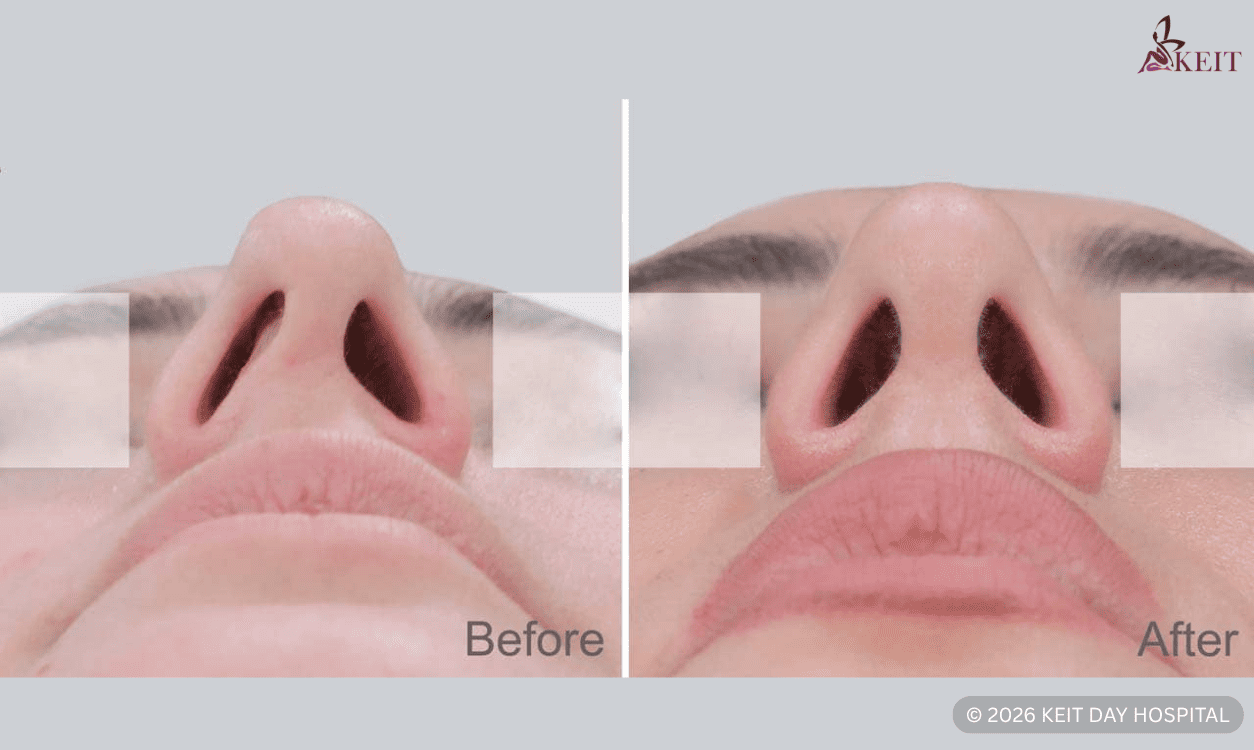
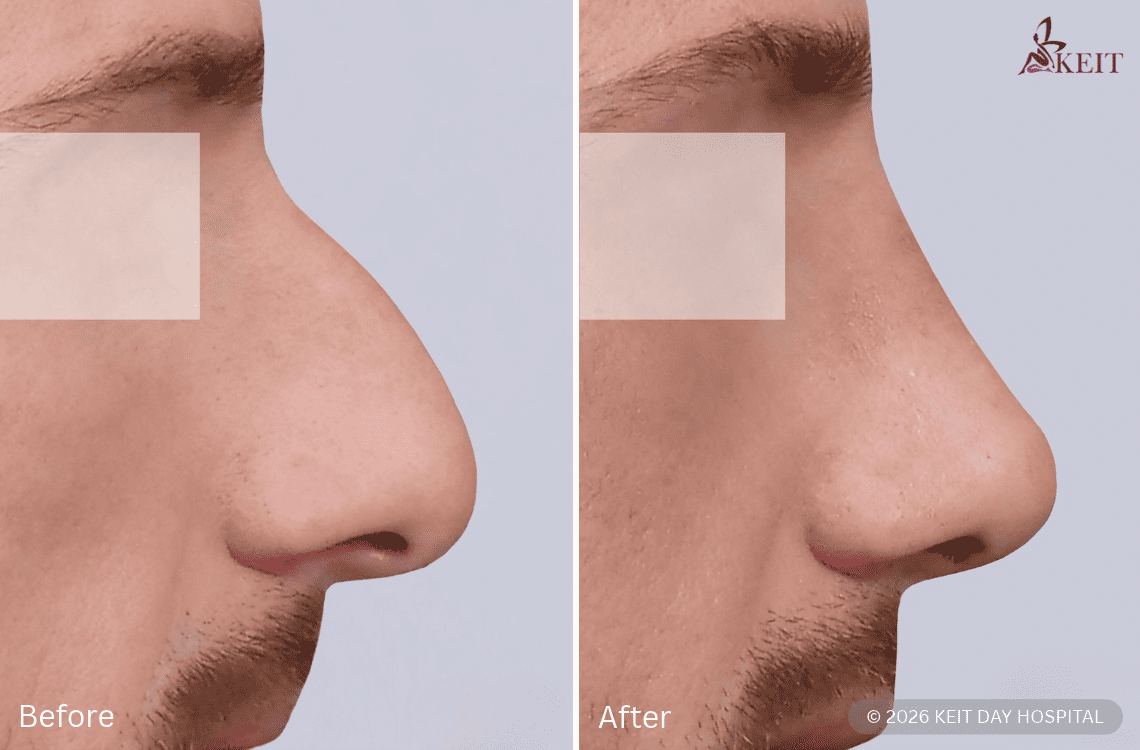
Yes, rhinoplasty can improve a bulbous nasal tip in patients with thick skin, although the degree of refinement depends on skin thickness and the underlying cartilage structure.
A bulbous tip may result from broad or rounded tip cartilages, thick skin, excess soft tissue, or a combination of these factors. In thick skin bulbous tip rhinoplasty, the surgeon can reshape and reposition the tip cartilages and, when necessary, reinforce their support to improve tip definition and proportions.
However, thick skin can limit how clearly the reshaped cartilage is visible, making a very narrow or sharply defined nasal tip difficult to achieve.

How is thick skin rhinoplasty performed?
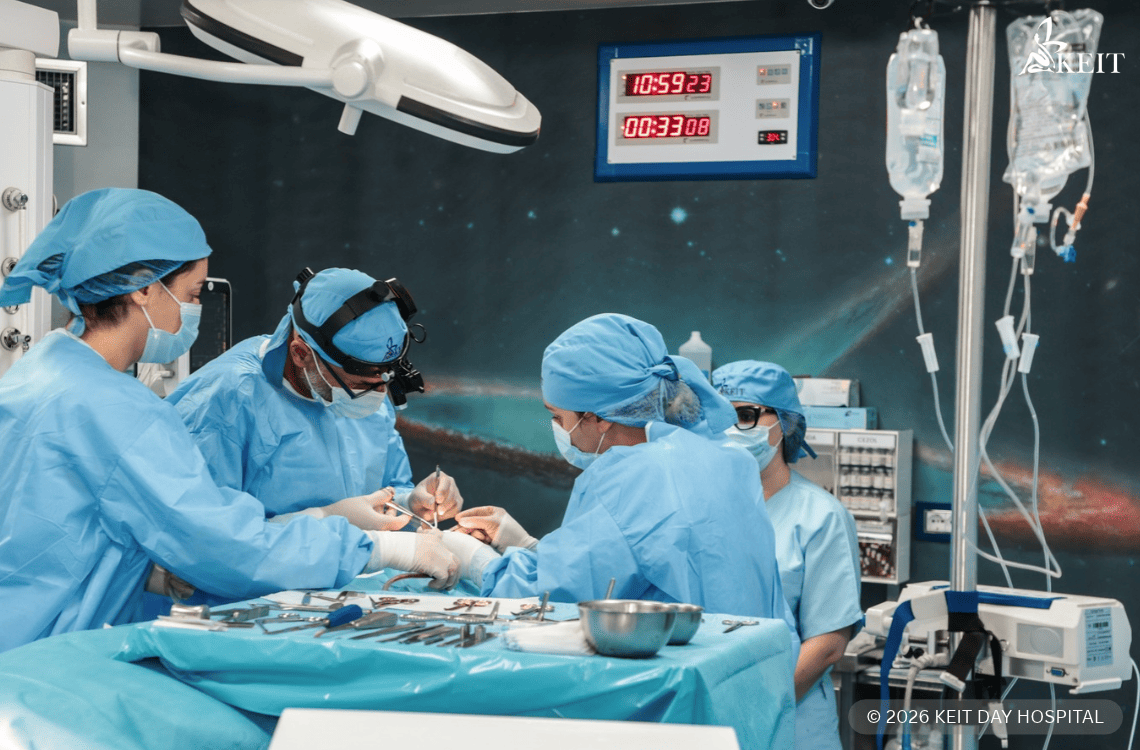
Thick skin rhinoplasty is performed by reshaping the underlying nasal cartilage and bone to improve the nose’s shape and proportions while maintaining sufficient structural support beneath the thicker skin.
During the procedure, the surgeon may reshape and reposition the nasal tip cartilages, use specialized sutures to improve tip definition, and add cartilage grafts when additional support is needed. The nasal bridge and other structures may also be adjusted depending on the patient’s anatomy and aesthetic or functional concerns.
The surgeon may use an open or closed rhinoplasty approach. Open rhinoplasty provides greater exposure of the nasal framework, while closed rhinoplasty uses incisions inside the nostrils. The choice depends on the complexity of the correction.
Can thick nasal skin be thinned during rhinoplasty?
Thick nasal skin itself cannot be significantly thinned during rhinoplasty without risking damage to the skin and its blood supply. In selected patients, the surgeon may carefully remove a small amount of excess fatty or fibrous tissue beneath the skin, particularly around the nasal tip. This can help improve definition, but must be performed conservatively to avoid impaired healing, skin damage, or contour irregularities. Nasal tip definition is therefore improved primarily through structural reshaping and support rather than aggressive skin thinning.
What is the recovery process after thick skin rhinoplasty?
Recovery after thick skin rhinoplasty involves gradual reduction of swelling, with the nasal tip often taking longer to heal and reveal its final shape due to the thicker skin and soft tissue.
- First week: Swelling, bruising, and nasal congestion are common. The external nasal splint is usually removed after 5–10 days.
- Weeks 1–2: Bruising and visible swelling begin to improve, and most patients can return to work and light daily activities.
- Weeks 3–6: Swelling continues to decrease. Strenuous exercise and activities that risk nasal injury should be avoided until cleared by the surgeon.
- Following months: Residual swelling gradually subsides, particularly around the nasal tip, allowing the nasal contour to become more defined.
During recovery, patients should follow their surgeon’s instructions regarding nasal care, sleeping with the head elevated, and follow-up appointments. Nasal taping may also be recommended in selected cases to help manage swelling.
What results can you expect from thick skin rhinoplasty?
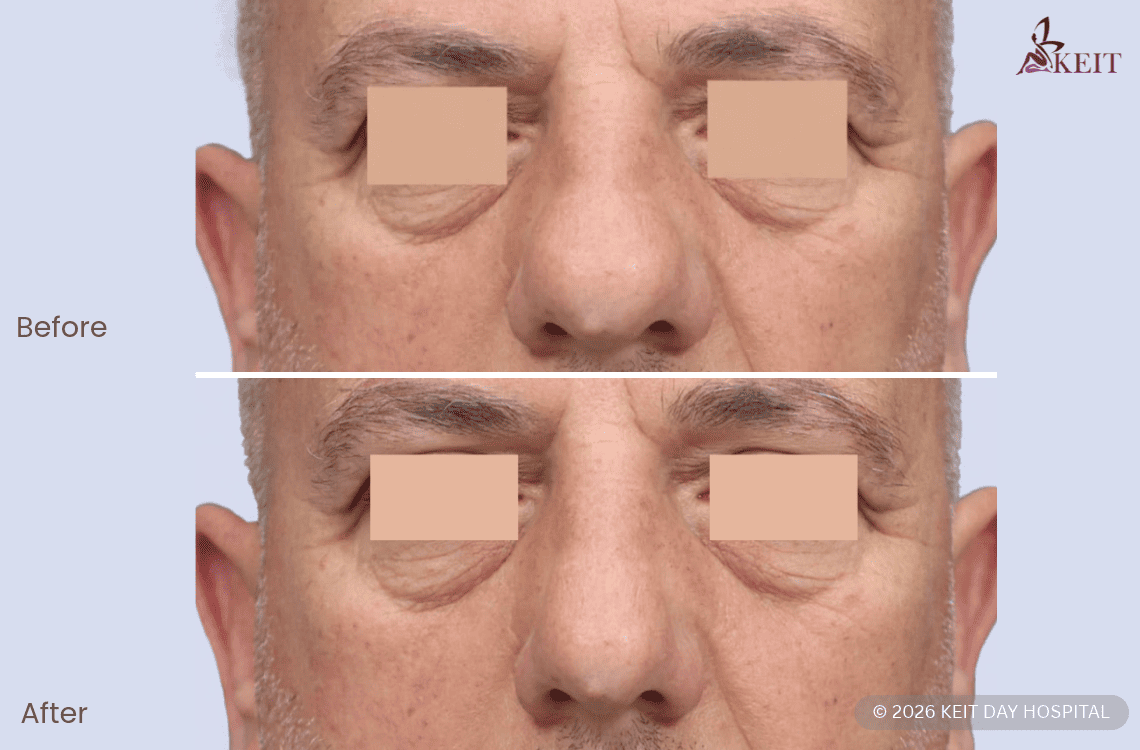
Thick skin rhinoplasty results may include improved nasal shape, proportions, and tip definition, although the degree of refinement depends on skin thickness and the underlying nasal structure. Patients may achieve better nasal symmetry and a more balanced relationship between the nasal bridge and tip. Breathing may also improve if structural obstructions are corrected during surgery.
Results become more apparent as swelling subsides, with the final nasal shape typically taking 12–18 months or longer to develop.
What are the risks of thick skin rhinoplasty?
As with any surgical procedure, thick skin rhinoplasty carries certain risks that patients should understand before undergoing surgery.
Potential risks include:
- Prolonged swelling: Residual swelling may persist longer, especially around the nasal tip.
- Scar tissue formation: Internal scarring may affect nasal contour or definition.
- Asymmetry or contour irregularities: Differences in healing or cartilage position may affect the final appearance.
- Breathing difficulties: Changes to nasal structures may cause or fail to resolve nasal obstruction.
- Bleeding or infection: Uncommon but recognized surgical complications.
- Skin or soft-tissue injury: Excessive tissue manipulation can compromise blood supply and healing.
- Revision surgery: Additional correction may be considered if significant aesthetic or functional concerns remain.
A thorough preoperative assessment, appropriate surgical technique, and careful postoperative follow-up help reduce risks.