Published on:
 Modified on:

 Reading Time: 7 min
 Liposuction
 is a surgical body-contouring procedure that permanently removes stubborn fat deposits that do not respond to diet or exercise. Rather than serving as a weight-loss solution, liposuction reshapes specific areas of the body to improve proportions, definition and overall silhouette. It is commonly performed on the abdomen, flanks, thighs, arms, back, chin and neck, using modern techniques designed to enhance precision, safety and recovery while delivering natural-looking results.
 Table of Contents:
-
1
 What is liposuction?
-
2
How liposuction works: Fat removal surgery explained step by step
-
3
Liposuction by body region: How different areas are contoured
-
4
Key techniques of liposuction explained
-
5
Your liposuction journey: From consultation to fat removal surgery day
-
6
Liposuction before and after results: Setting realistic expectations
-
7
Is liposuction safe? Risks and safety considerations
-
8
Liposuction cost: How much is liposuction UK?
-
9
KEIT Day Hospital in Albania: Structured care in a certified medical facility
-
10
Non-surgical liposuction: What it can and cannot do
In this article, you’ll learn what liposuction is, how the procedure works, which body areas can be treated and which techniques are used. The article also covers the full patient journey, expected results, potential risks, the cost of liposuction in the UK, the limits of non-surgical liposuction and finally, why to choose KEIT Day Hospital in Albania for your liposuction surgery.
What is liposuction?
Liposuction is a cosmetic surgical procedure designed to remove excess fat cells from targeted areas of the body in order to improve contour and proportions. It is intended for individuals who are close to their ideal body weight but struggle with localized fat deposits that remain resistant despite a healthy lifestyle. By permanently removing fat cells, liposuction reshapes the treated area and enhances natural body lines.
How liposuction works: Fat removal surgery explained step by step
Liposuction surgery follows a structured surgical process designed to remove fat safely and precisely while preserving surrounding tissues.
- Small, strategically placed incisions provide access to the subcutaneous fat layer.
- Local anesthesia is used for limited zones, while general anesthesia is preferred for larger or multiple areas.
- A tumescent solution is infiltrated to reduce bleeding and aid fat removal.
- A thin cannula is moved in controlled passes to dislodge fat cells.
- Fat is suctioned out while preserving nerves and blood vessels.
- Mechanical or ultrasound assistance may be used to enhance precision and contour smoothness.
Removed fat cells do not regenerate, making liposuction a permanent fat-reduction solution when combined with stable weight maintenance.
Liposuction by body region: How different areas are contoured
Liposuction is adapted to different body regions based on fat distribution, skin quality and contouring goals.
Upper body liposuction: Arms and back contouring
Upper body liposuction targets persistent fat deposits in the arms and back that often remain resistant to diet and exercise. Arm liposuction removes excess fat responsible for the “bat wing” appearance, resulting in firmer, more toned arms when skin elasticity is adequate. Back liposuction focuses on upper and lower back fat, including bra-line bulges, creating a smoother, more athletic contour and improving how clothing fits across the upper body.
Mid body liposuction: Abdomen and flanks (love handles)
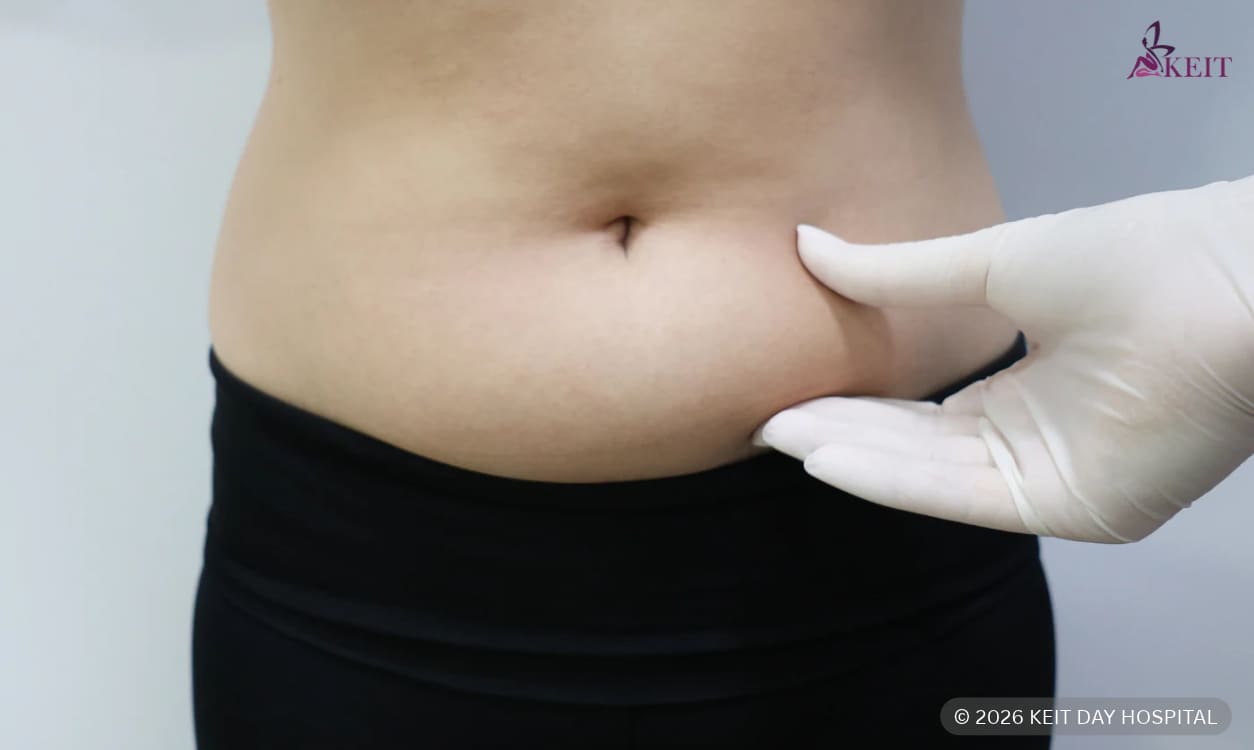
Mid body liposuction focuses on reshaping the core by addressing fat in the abdomen and flanks. Liposuction of tummy removes stubborn fat from the central and lower abdomen, helping flatten the belly and enhance core definition, particularly in patients with localized fat rather than excess skin. Flank liposuction refines the waistline by removing fat from the sides of the torso and, when combined with tummy fat removal, creates a more sculpted, balanced silhouette while improving the waist-to-hip ratio.
Lower body liposuction: Thighs and knees
Lower body liposuction improves leg proportions by targeting fat deposits in the thighs and knees. Inner thigh liposuction reduces bulk and friction, while outer thigh liposuction addresses saddle bags that disrupt hip-to-leg balance. Knee liposuction focuses on small but stubborn fat pockets around the knees and even limited fat removal in this area can significantly enhance leg definition and overall lower-body harmony.
Facial liposuction: Chin and neck definition
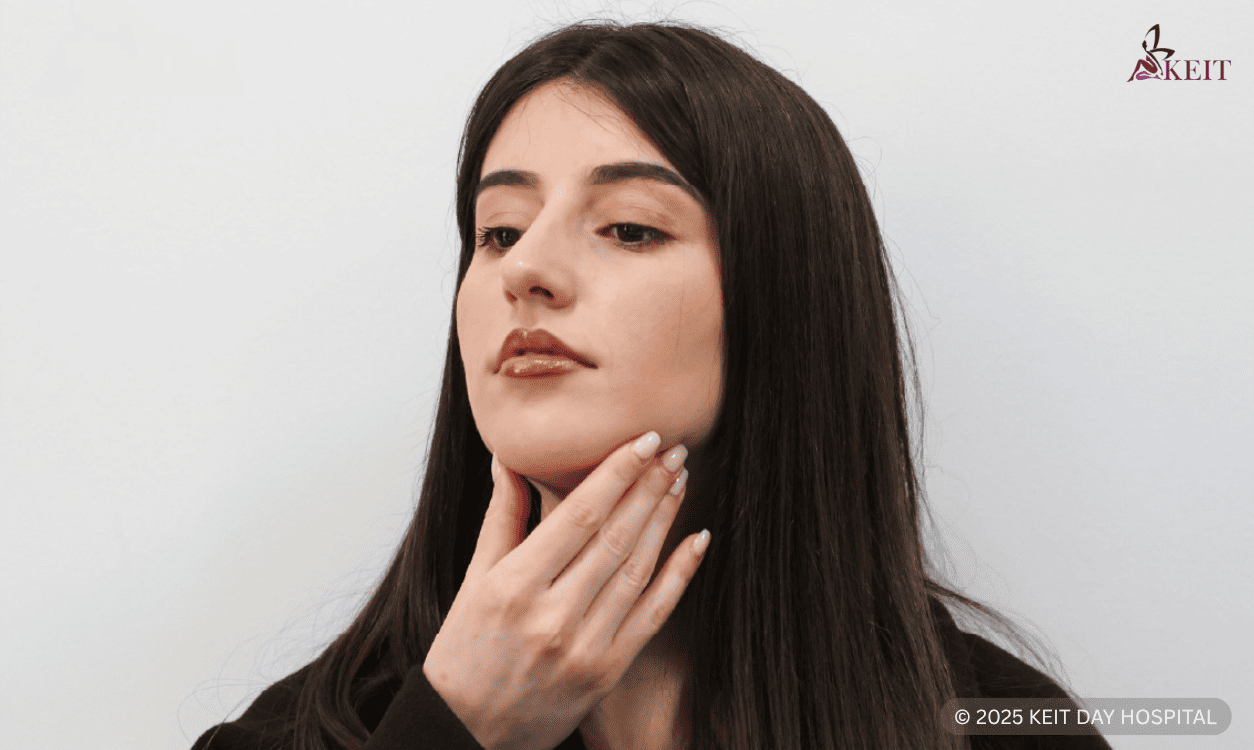
Facial liposuction targets localized fat beneath the chin and along the neck to improve facial profile and jawline definition. By removing excess fat in this small but high-impact area, chin liposuction along with neck liposuction sharpens the cervicomental angle, reduces the appearance of a double chin and creates a more refined, youthful contour, especially when skin elasticity is good.
Gluteal region liposuction: Buttocks sculpting
Gluteal liposuction is performed with the goal of reshaping rather than reducing volume. It focuses on correcting irregularities, smoothing contour transitions and enhancing natural projection to improve overall buttock definition while maintaining a balanced and harmonious lower-body silhouette.
Key techniques of liposuction explained
Several liposuction techniques are available to improve precision, efficiency and recovery, depending on the treatment area and fat characteristics.
- Ultrasound-assisted liposuction (UAL): Uses ultrasound energy to liquefy fat before suction, making fat removal easier in dense or fibrous areas and improving overall smoothness of contours.
- VASER liposuction: An advanced form of ultrasound-assisted liposuction that selectively targets fat cells while sparing surrounding tissues. It is ideal for high-definition sculpting and precise contouring of areas such as the abdomen, arms and chest.
- Laser liposuction: Uses laser energy to break down fat cells and stimulate mild skin tightening. It is best suited for smaller or moderately sized zones where subtle contouring and skin retraction are desired.
Your liposuction journey: From consultation to fat removal surgery day
Liposuction follows a carefully structured pathway to ensure safety and predictable results:
- Consultation and assessment: The surgeon evaluates fat distribution, skin elasticity and overall body proportions.
- Medical evaluation: Includes blood tests, ECG and anesthesiologist and cardiologist assessment to confirm surgical fitness.
- Pre-operative preparation: Patients receive instructions on fasting, medication restrictions, hygiene and lifestyle optimization.
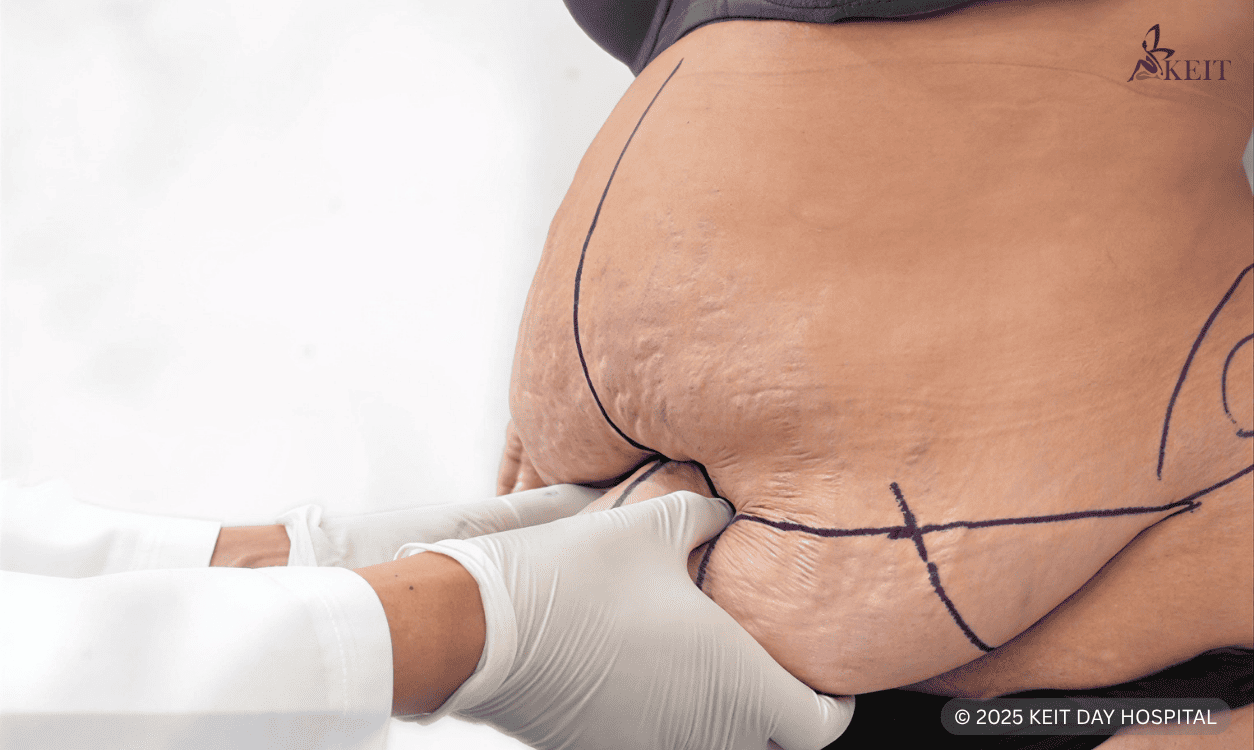
- Procedure day: Surgery lasts 2–4 hours under general or local anesthesia, depending on the body area treated. For safety reasons, fat removal is usually limited to around 3–5 liters in a single session. Small incisions are closed with fine sutures, and a compression garment is applied to support early healing.
Book your FREE
Online Consultation Now

Liposuction before and after results: Setting realistic expectations
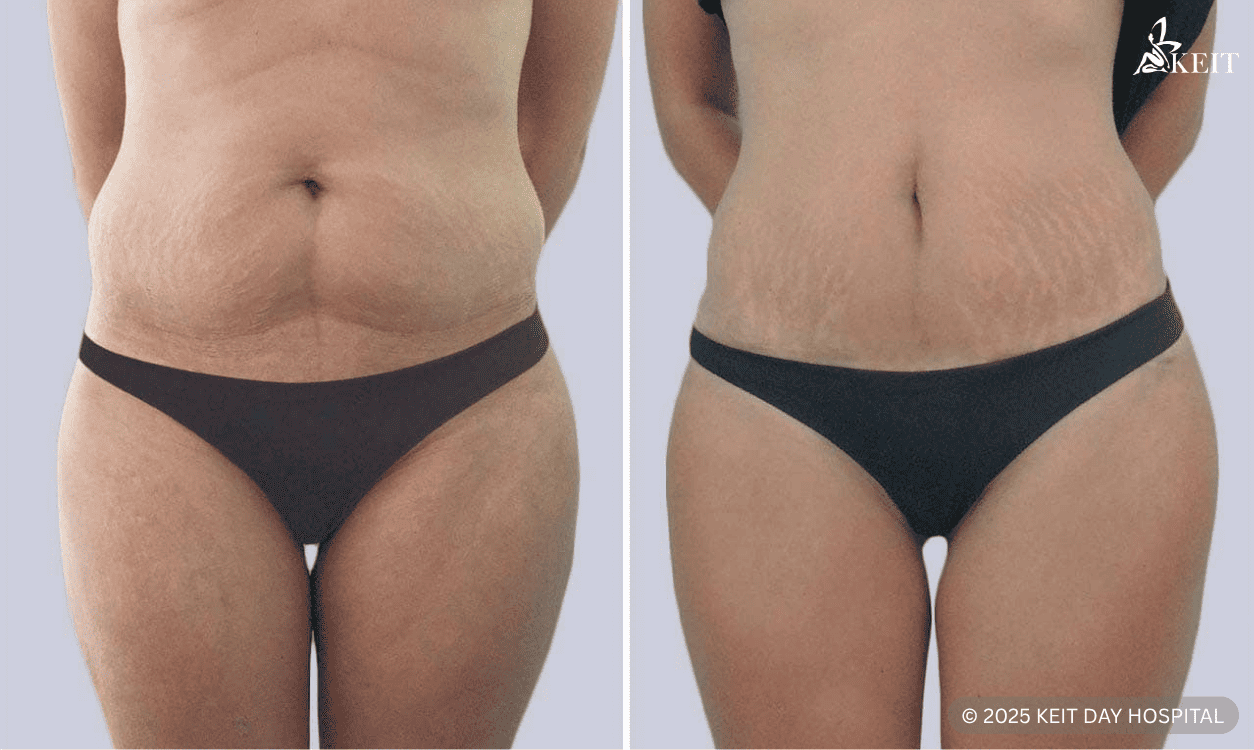
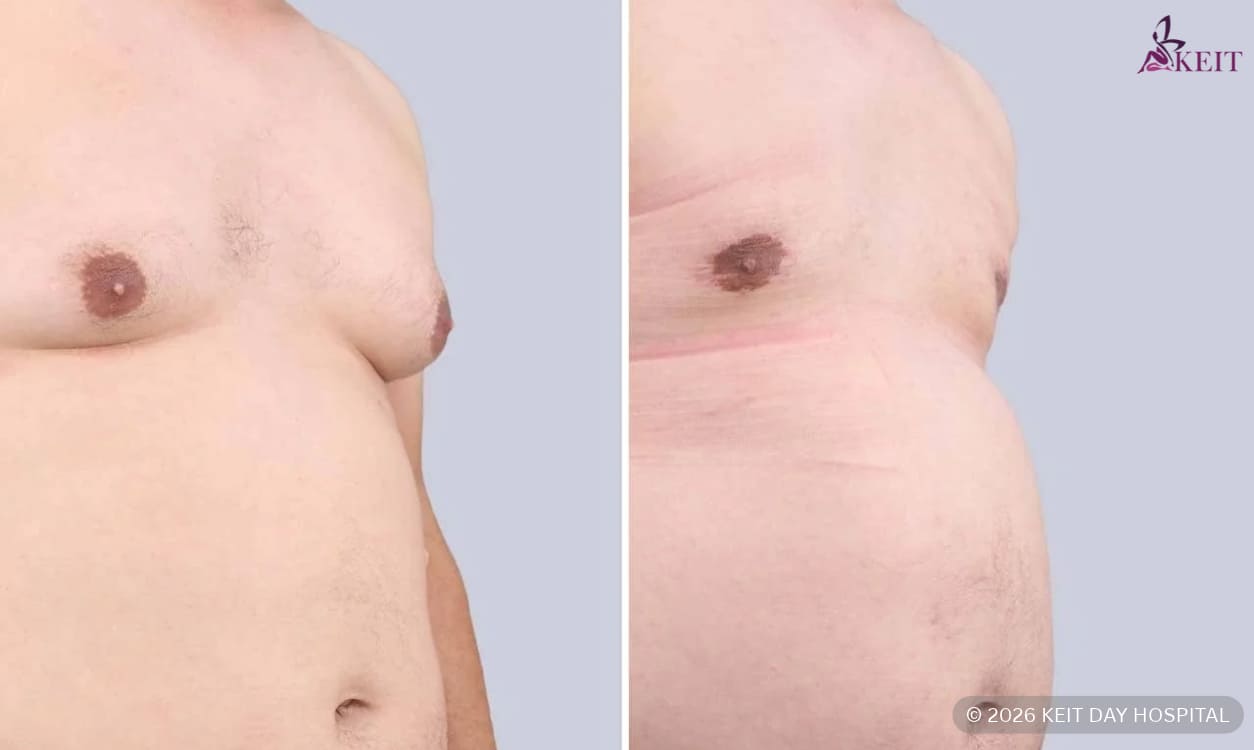
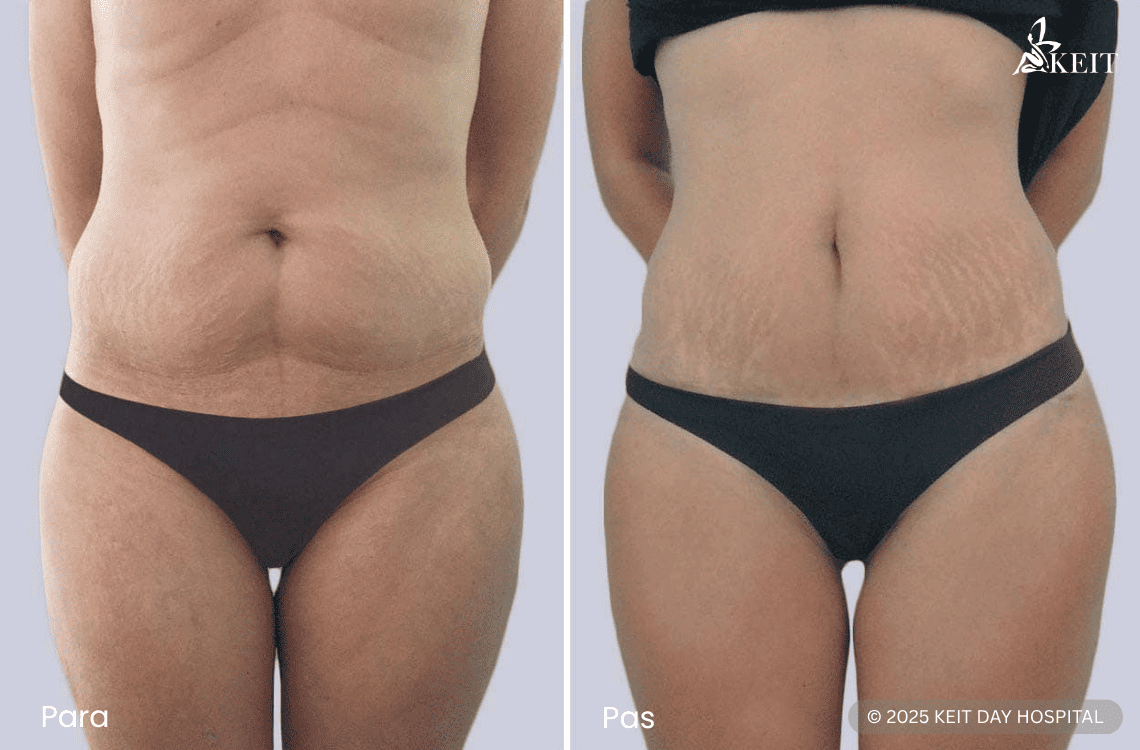
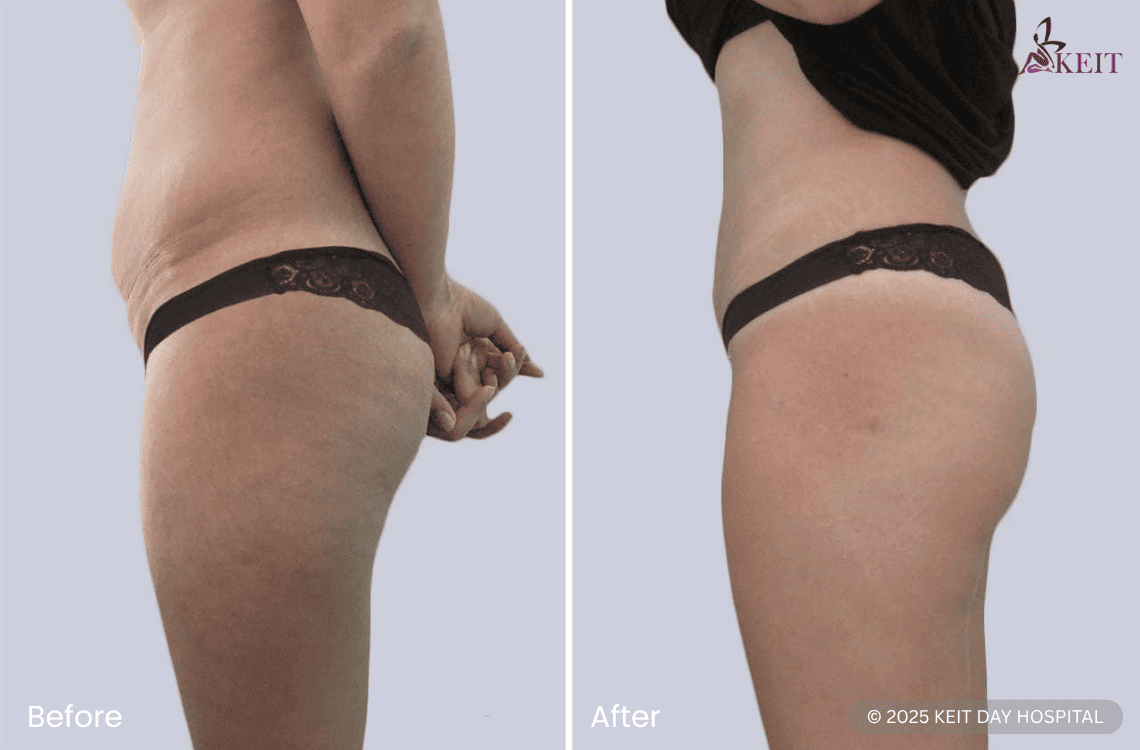
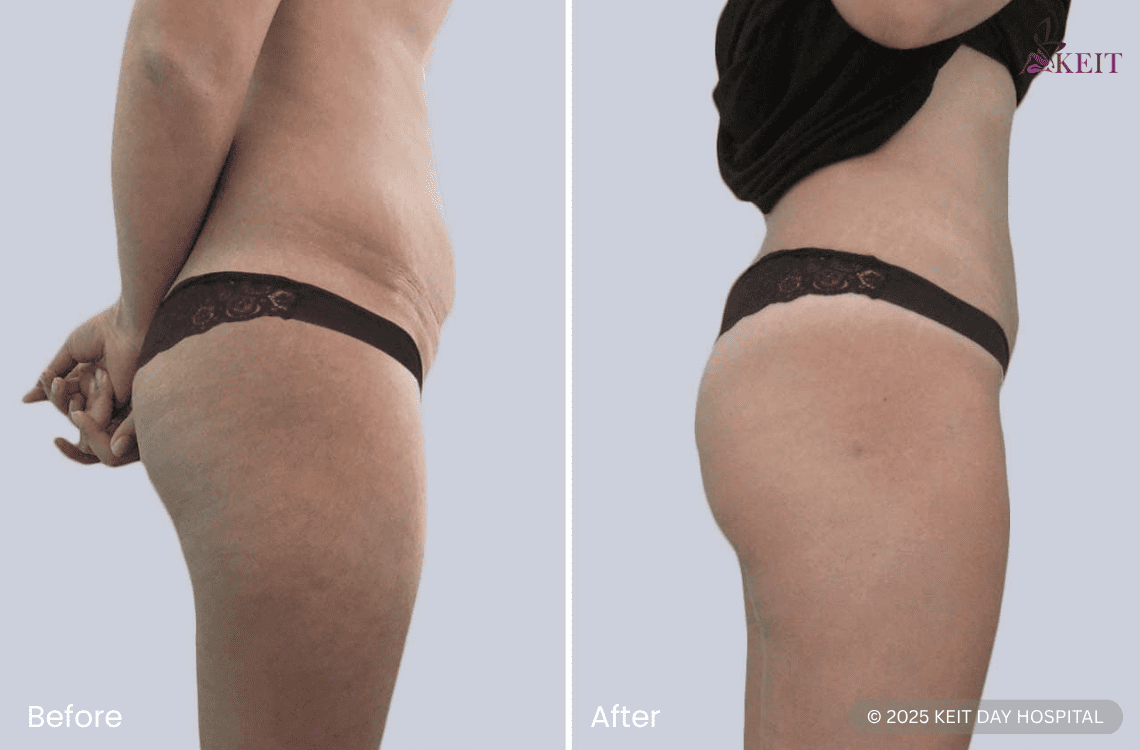
Liposuction results develop gradually rather than instantly. While improvements may be visible shortly after surgery, swelling and fluid retention can temporarily affect appearance. Most patients see their final results within two to three months as swelling subsides and tissues adapt to their new contours. Skin elasticity, fat distribution and adherence to post-operative instructions all play a key role in determining the final outcome.
Is liposuction safe? Risks and safety considerations
Liposuction is usually safe when performed by an experienced surgeon in an accredited medical facility. As with any surgical procedure, certain risks exist and should be clearly understood before treatment.
- Common risks include: Swelling, bruising, temporary numbness or altered sensation, and mild discomfort or tightness. These effects are usually temporary and resolve with proper aftercare.
- More serious risks may include: Infection, contour irregularities or asymmetry, prolonged swelling, seroma (fluid accumulation) and delayed wound healing, which require medical evaluation.
- Rare complications include: Fat embolism, deep vein thrombosis, adverse reactions to anesthesia and significant bleeding, which are uncommon when liposuction is performed under appropriate medical supervision.
Liposuction cost: How much is liposuction UK?
The liposuction cost in the UK varies according to the treated zone, technique used, surgeon experience and clinic location. For smaller zones such as the chin or knees, prices typically start at around 3,500–4,500 euro.
Medium zones like the arms or thighs usually range between 4,500 and 6,000 euro, while larger or combined treatments such as the abdomen with flanks or 360-degree liposuction can reach 8,000-9,500 euro. The final liposuction cost depends on procedural complexity, the use of advanced techniques such as VASER liposuction and the level of aftercare included. A personalized consultation is essential to receive an accurate and transparent quote tailored to individual needs.
KEIT Day Hospital in Albania: Structured care in a certified medical facility
KEIT Day Hospital in Albania is one of Europe’s leading centers for liposuction. All procedures are performed by highly specialized Italian surgeons using general totally intravenous anesthesia for smooth awakening and minimal nausea. Liposuction at KEIT follows a structured, personalized approach, with full support from consultation through recovery.
The cost for liposuction procedure starts from 1,200 to 4,000 euro depending on the number of areas treated. The all-inclusive package includes airport transfers, accommodation at the KEIT hotel and multilingual assistance. Patients benefit from both in-clinic and online follow-ups, along with the official KEIT Guarantee Certificate. With more than 23,000 successful procedures and over 11,000 verified reviews, KEIT is widely recognized as one of Europe’s safest and most trusted destinations for body contouring surgery.
Non-surgical liposuction: What it can and cannot do
Non-surgical liposuction uses non-invasive treatments to reduce localized fat without surgery or anesthesia. These methods damage fat cells, which the body gradually eliminates, making them suitable for body shaping rather than weight loss in patients with small, stubborn fat deposits. Common non-surgical liposuction methods include:
- Cryolipolysis (fat freezing): Uses controlled cooling to destroy fat cells.
- Radiofrequency or infrared treatments: Apply heat to reduce fat and tighten skin.
- Injection lipolysis: Injections (like deoxycholic acid) break down fat cells, commonly used for submental (chin) fat.
- Low-level laser lipolysis: Releases fat from cells for natural elimination.
These treatments typically involve little to no downtime, but results are modest compared to surgical liposuction and often require multiple sessions to achieve visible contour improvement.