Published on:

 Reading Time: 5 min
 Liposuction
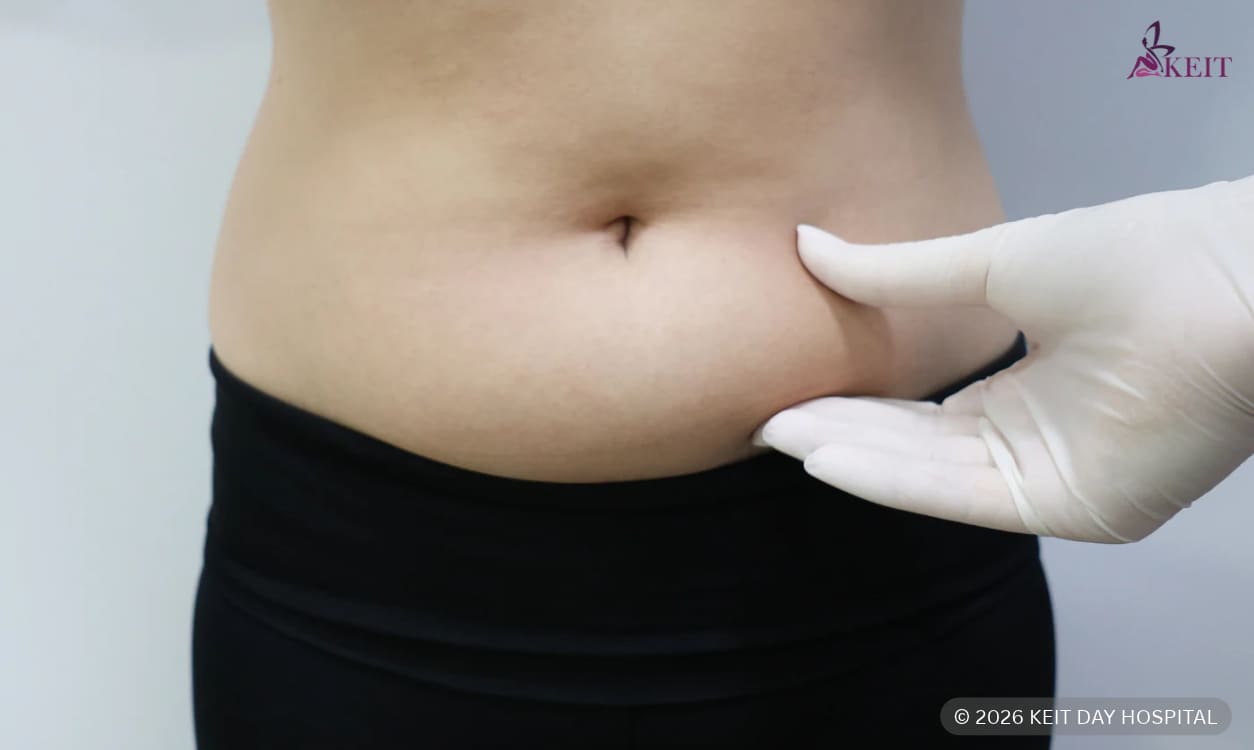
360 liposuction, also known as 360 lipo, is a circumferential liposuction procedure designed to remove localised fat from around the torso. By treating the body from multiple angles, it aims to create a more even and balanced contour rather than focusing on a single area. 360 liposuction is a body-contouring procedure and is not intended as a treatment for weight loss.
 Table of Contents:
-
1
 What is 360 liposuction?
-
2
Which areas does 360 liposuction treat?
-
3
Who is a good candidate for 360 liposuction?
-
4
What is the difference between 360 lipo and traditional liposuction?
-
5
How is 360 liposuction performed?
-
6
What is recovery like after 360 liposuction?
-
7
360 lipo before and after: what results can you expect?
-
8
What are the risks and complications of 360 liposuction?
-
9
How much does 360 liposuction cost and what affects the price?
In this article, we explain what 360 liposuction is, which areas it treats and who may be a suitable candidate. We also cover how the procedure is performed, how it differs from traditional liposuction, what recovery involves, what results to expect, potential risks and cost in the UK.
What is 360 liposuction?
360 liposuction is a form of liposuction that removes unwanted fat from around the torso to improve its overall shape and contour. Unlike liposuction focused on one specific area, it addresses the torso circumferentially, treating the front, sides and back to create a more balanced and uniform contour. The term 360 liposuction refers to the comprehensive treatment of the torso rather than a specific liposuction technique.
Which areas does 360 liposuction treat?
360 liposuction treats excess fat around the torso, covering the front, sides and back of the body. The core areas typically treated include:
- Abdomen: Excess fat across the upper and lower abdomen.
- Flanks: Fat deposits along the sides of the torso, commonly known as love handles.
- Waist: Excess fat around the waist to improve its definition.
- Lower back: Fat deposits around the lower back and waistline.
- Mid-back: Excess fat across the middle portion of the back.
- Upper back: Fat deposits in the upper back that contribute to the overall torso contour.
The exact areas treated can vary according to the individual’s fat distribution and the scope of the procedure.
Who is a good candidate for 360 liposuction?
A good candidate for 360 liposuction is a healthy adult with localised fat deposits, a stable weight and suitable skin elasticity. Suitable candidates include individuals who:
- have excess fat that has not responded adequately to diet and exercise;
- have good skin elasticity and limited skin laxity;
- are in good enough health to undergo surgery safely;
- have realistic expectations about the results;
- understand that liposuction is a body-contouring procedure, not a treatment for significant weight loss.
When significant skin laxity or poor elasticity is present, liposuction alone may be insufficient and can be combined with a skin-removal procedure, such as an abdominoplasty, for optimal outcomes.

What is the difference between 360 lipo and traditional liposuction?
The main difference is the extent of treatment: 360 lipo contours the torso circumferentially, whereas traditional liposuction may focus on one or several specific areas.
| Feature | 360 Liposuction | Traditional Liposuction |
|---|---|---|
| Treatment area | Circumferential treatment of the torso |
Targets specific areas |
| Approach | Treats the body from multiple angles |
Focuses on selected areas |
| Main goal | Creates a balanced torso contour |
Improves the contour of targeted areas |
| Areas treated | Commonly abdomen, waist, flanks and back |
Depends on the individual treatment plan |
| Treatment scope | Broader, more comprehensive contouring |
More localised contouring |
How is 360 liposuction performed?
360 liposuction is performed under local anaesthesia with sedation or general anaesthesia, depending on the extent of the procedure and individual patient factors. After anaesthesia is administered, tumescent fluid is infused into the treatment areas to reduce bleeding, minimise postoperative discomfort and facilitate fat removal. A thin cannula is then inserted through small incisions and moved through the fatty layer to loosen and suction out the targeted fat. The technique is adapted to the patient’s anatomy to help achieve a smooth and natural contour across the treated areas.
What is recovery like after 360 liposuction?
Recovery after 360 liposuction typically involves swelling, bruising and soreness that gradually improve during the healing process. A compression garment is usually worn during the early recovery period to help reduce swelling and support the treated areas. Gentle movement is encouraged, while strenuous exercise and heavy lifting should be avoided until cleared by the surgeon.
The 360 lipo recovery time varies depending on the extent of treatment and the amount of fat removed. Swelling may persist for several weeks or longer, with the final body contour becoming more apparent as the swelling subsides.
360 lipo before and after: what results can you expect?
360 lipo can create a more defined and balanced contour and improve the proportions between the abdomen, waist, flanks and back. Before and after results typically show a reduction in fat volume, a more defined waist and smoother transitions between the treated areas. The outcome varies between patients and depends on factors such as the amount of fat removed, skin elasticity and the individual’s natural body shape. The results are intended to provide long-lasting fat reduction, however, significant weight gain can affect the overall contour and alter the appearance of the result.
What are the risks and complications of 360 liposuction?
360 liposuction is considered a safe procedure when appropriately planned and performed, but, like any surgery, it carries potential risks. Possible complications include:
- bleeding or haematoma;
- infection;
- seroma or fluid accumulation;
- persistent swelling or changes in skin sensation;
- contour irregularities or asymmetry;
- skin discolouration or scarring;
- poor wound healing;
- injury to deeper tissues or structures;
- deep vein thrombosis or pulmonary embolism;
- complications related to anaesthesia.
The risk of complications may increase with more extensive liposuction, making appropriate patient selection and careful control of the amount of fat removed particularly important.
How much does 360 liposuction cost and what affects the price?
In the UK, 360 liposuction costs around 8,900–11,850 euro in private clinics, although the final price may vary depending on the extent of treatment and what is included in the surgical package. The main factors that affect the 360 liposuction cost include:
- the number and extent of areas treated;
- the amount of fat to be removed;
- the liposuction technique used;
- the type of anaesthesia;
- surgeon, hospital and anaesthetic fees;
- compression garments and postoperative care;
- whether additional procedures are performed at the same time.
A personalised quotation is provided after consultation because the extent of 360 liposuction and the services included in the price vary between patients and clinics.