Published on:

 Reading Time: 5 min
 Breast reduction
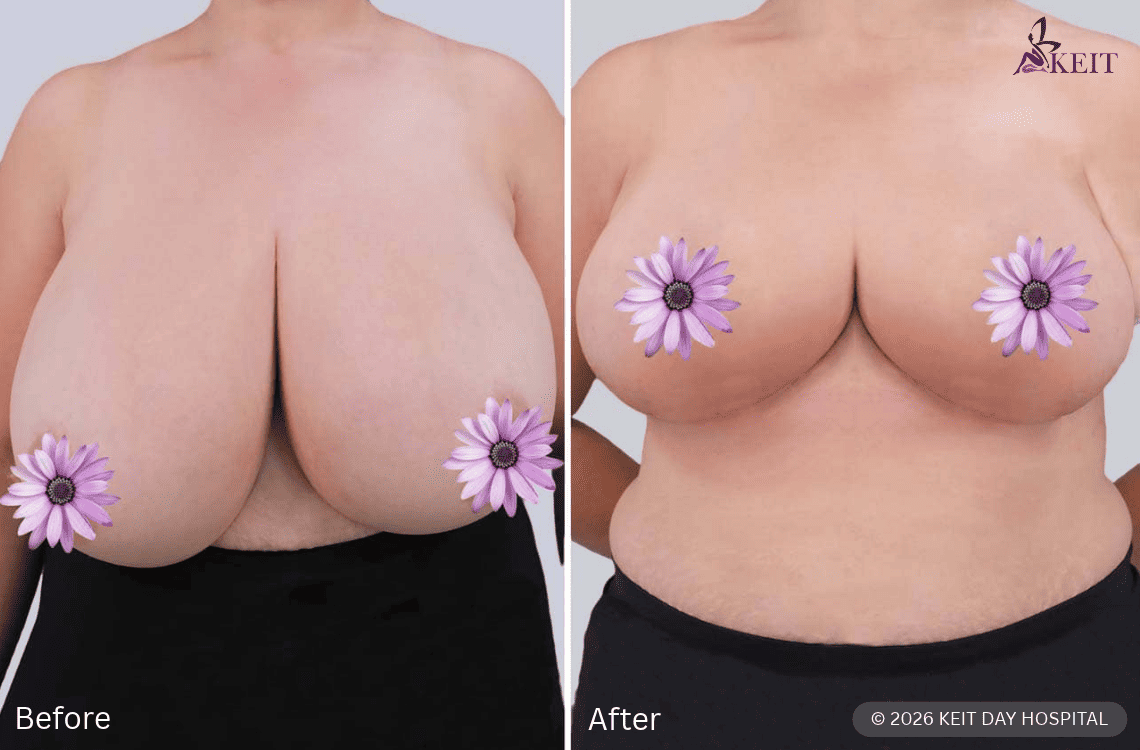
Macromastia is excessive enlargement of the breasts that may cause persistent pain, physical discomfort and limitations in daily activities. Although large breasts are not necessarily a medical problem, disproportionate breast volume can become clinically significant when it affects physical health and quality of life.
In this article, we explain what macromastia is, how it differs from gigantomastia, and its symptoms and causes. We also discuss breast asymmetry, diagnosis, non-surgical management, when breast reduction may be considered, and when to seek medical attention.
What is macromastia and how is it different from gigantomastia?
Macromastia is a medical condition characterized by excessive breast enlargement, resulting in breasts that are disproportionately large in relation to the rest of the body. The increased breast volume and weight can place strain on the neck, shoulders and back, potentially affecting physical comfort and everyday activities.
The main difference between macromastia and gigantomastia is the extent of breast enlargement. Macromastia describes excessively large breasts, while gigantomastia refers to an extreme form of breast enlargement that may develop rapidly and cause more severe physical complications. However, there is no universally accepted size threshold that clearly separates the two conditions.
What are the symptoms of macromastia?
Macromastia can cause a range of physical symptoms and functional limitations due to the excessive size and weight of the breasts.
The most common symptoms include:
- Neck, shoulder and back pain: persistent discomfort associated with the weight of the breasts.
- Breast heaviness: a sensation of excessive weight, tension or discomfort in the breasts.
- Bra-strap grooving: deep indentations on the shoulders caused by pressure from bra straps.
- Skin irritation: chafing, rashes or recurrent inflammation in the folds beneath the breasts.
- Postural discomfort: muscle tension and fatigue associated with supporting heavy breasts.
- Physical limitations: difficulty exercising, running or performing daily activities comfortably.
- Sleep discomfort: difficulty finding a comfortable sleeping position due to breast size and weight.
The severity of symptoms varies according to the degree of breast enlargement and individual factors.
What causes macromastia?
Macromastia can result from genetic factors, hormonal influences or increased fatty tissue in the breasts. However, the exact cause is often unknown.
The main contributing factors include:
- Genetic predisposition: inherited characteristics may influence breast size and the tendency toward excessive breast enlargement.
- Hormonal influences: hormonal changes during puberty or pregnancy can stimulate breast growth, sometimes resulting in excessive enlargement.
- Increased hormonal sensitivity: breast tissue may respond excessively to normal hormone levels, contributing to abnormal growth.
- Weight gain and obesity: increased fatty tissue can contribute to greater breast volume and weight.
- Unknown cause (idiopathic macromastia): excessive breast enlargement may occur without an identifiable underlying cause.
Macromastia does not necessarily indicate a hormonal disorder, and several factors may contribute to its development.
Does macromastia affect both breasts equally?
Macromastia usually affects both breasts, but the degree of enlargement may differ. One breast may be noticeably larger or heavier than the other, resulting in breast asymmetry. This difference can develop during puberty or become more apparent as breast size changes over time. However, some degree of breast asymmetry is common and does not necessarily indicate macromastia.
New, rapid or unexplained enlargement of one breast requires medical assessment to exclude other breast conditions.
How is macromastia diagnosed?
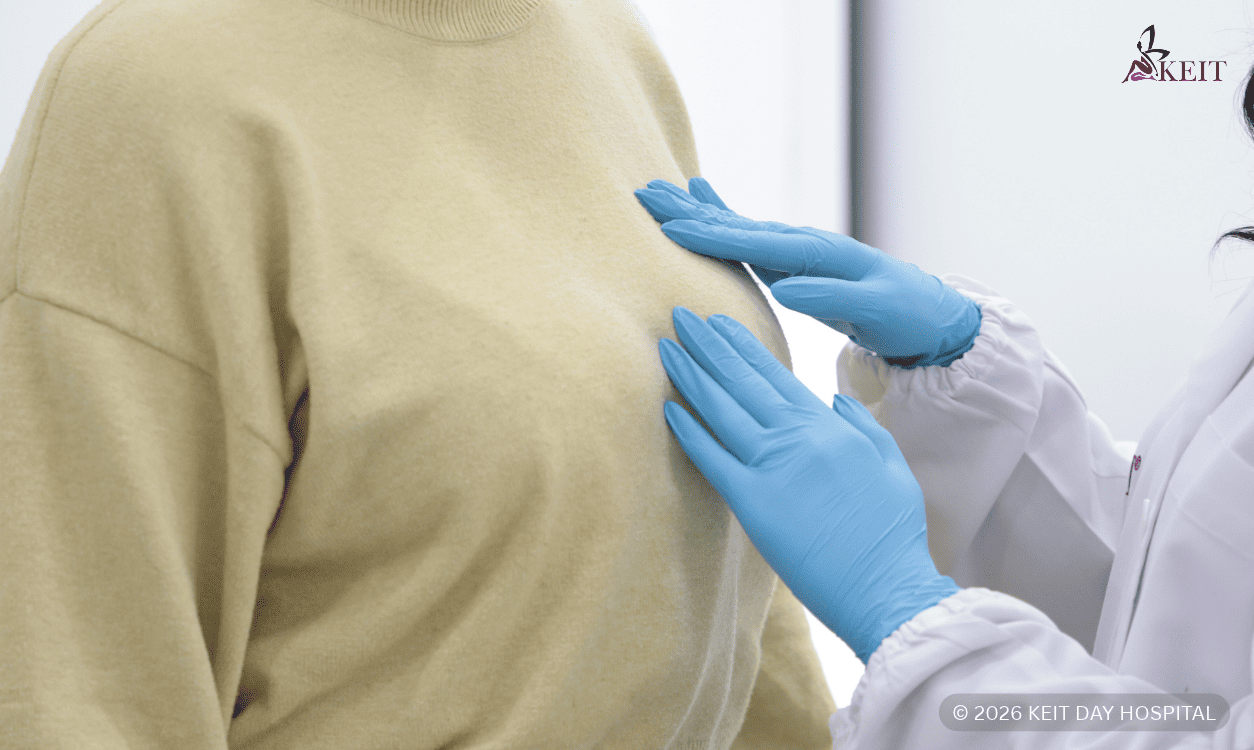
Macromastia is diagnosed through a clinical evaluation of breast size, associated symptoms and their impact on daily activities. There is no specific breast size or single diagnostic test that confirms the condition.
The assessment typically includes:
- Medical history: changes in breast size, development of symptoms and relevant medical conditions.
- Physical examination: evaluation of breast size, shape, symmetry and skin condition.
- Symptom assessment: identification of neck, shoulder or back pain, skin irritation and other related complaints.
- Functional limitations: assessment of how breast size affects physical activity and daily routines.
Breast ultrasound, mammography or additional tests may be recommended when clinically indicated to investigate abnormal findings or exclude other breast conditions.

Can macromastia improve without surgery?
Non-surgical treatments can help relieve symptoms of macromastia, but they generally do not significantly reduce breast size, particularly when enlargement involves excess glandular tissue.
Management options include:
- Supportive bras: properly fitted bras can help reduce breast movement and discomfort.
- Physiotherapy: targeted exercises may help relieve neck, shoulder and back pain.
- Weight management: weight loss may reduce breast volume when fatty tissue contributes to the enlargement.
- Skin care: appropriate hygiene and treatment can help prevent or manage irritation beneath the breasts.
- Pain management: suitable medications may provide temporary relief from associated discomfort.
These measures can improve comfort, but persistent symptoms may require consideration of breast reduction surgery.
When is breast reduction considered for macromastia?
Breast reduction surgery may be considered when macromastia causes persistent physical symptoms, functional limitations or psychological distress, particularly when non-surgical measures provide insufficient relief.
Surgery may be considered for:
- Persistent pain: neck, shoulder or back pain that interferes with daily activities.
- Recurrent skin problems: irritation or inflammation beneath the breasts that persists despite appropriate care.
- Functional limitations: difficulty exercising or performing everyday activities due to breast size and weight.
- Psychological distress: significant self-consciousness, emotional distress or reduced self-esteem related to breast size.
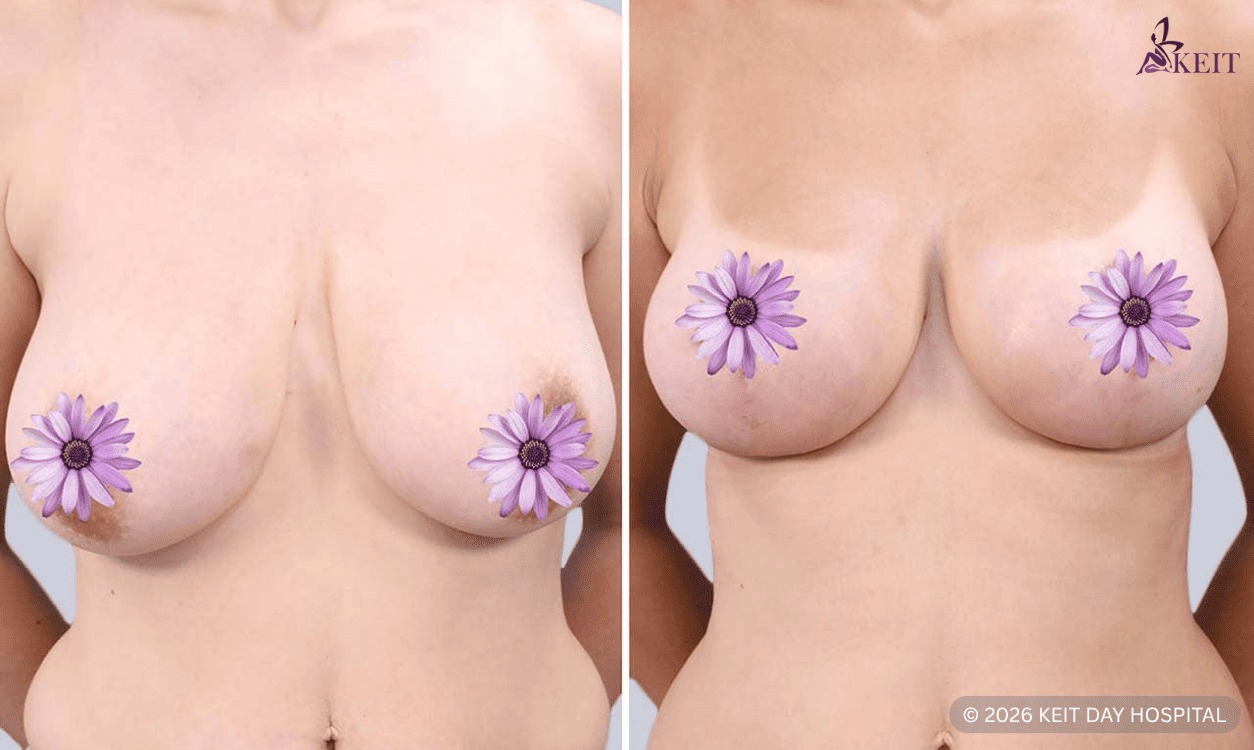
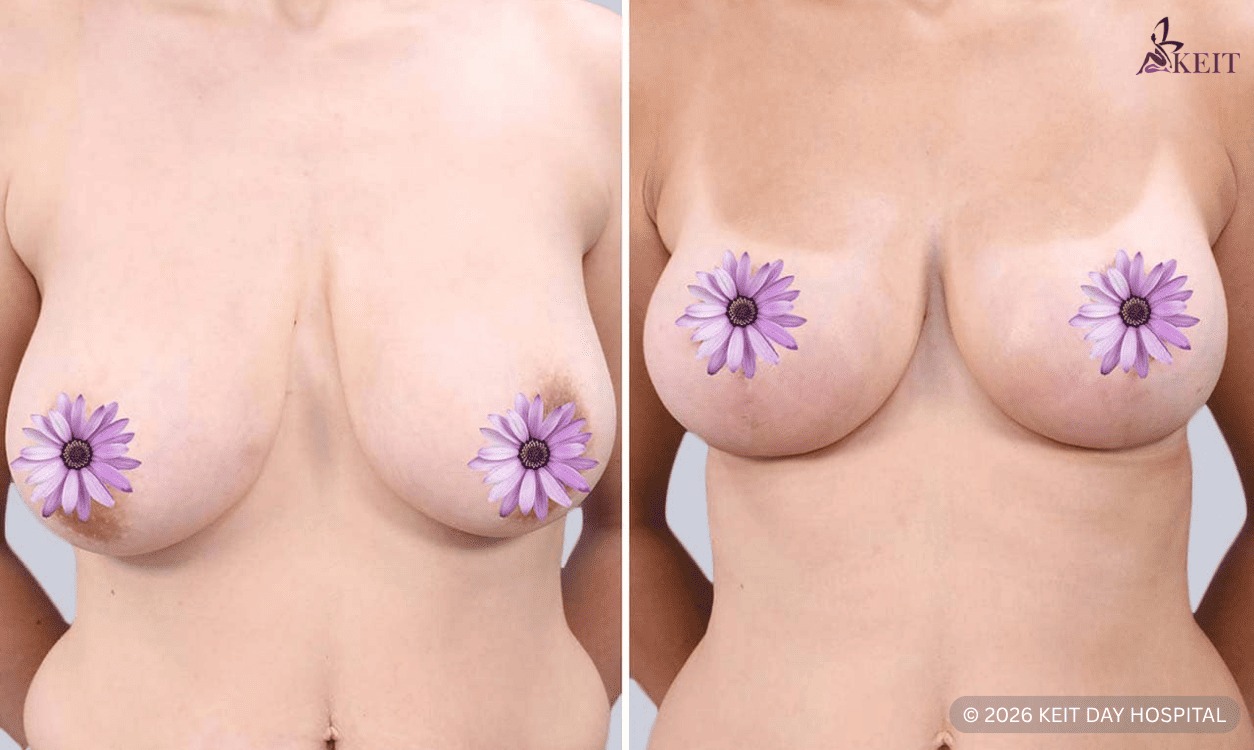
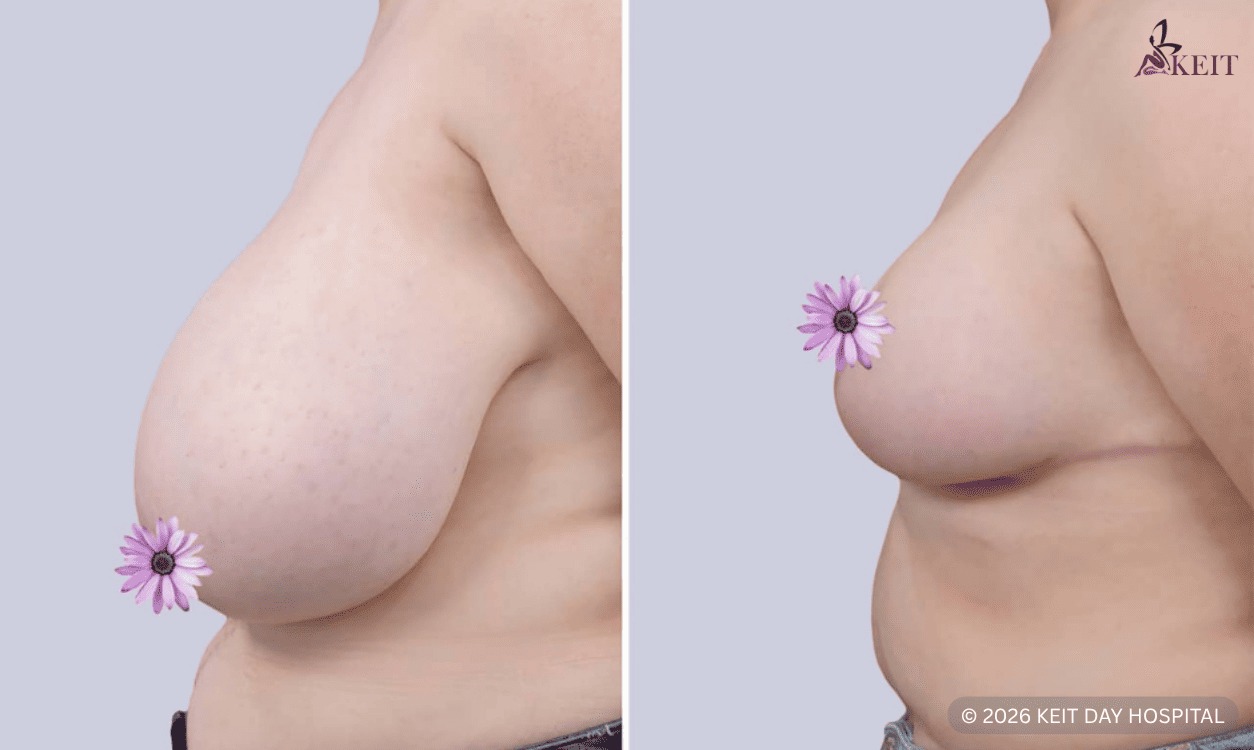
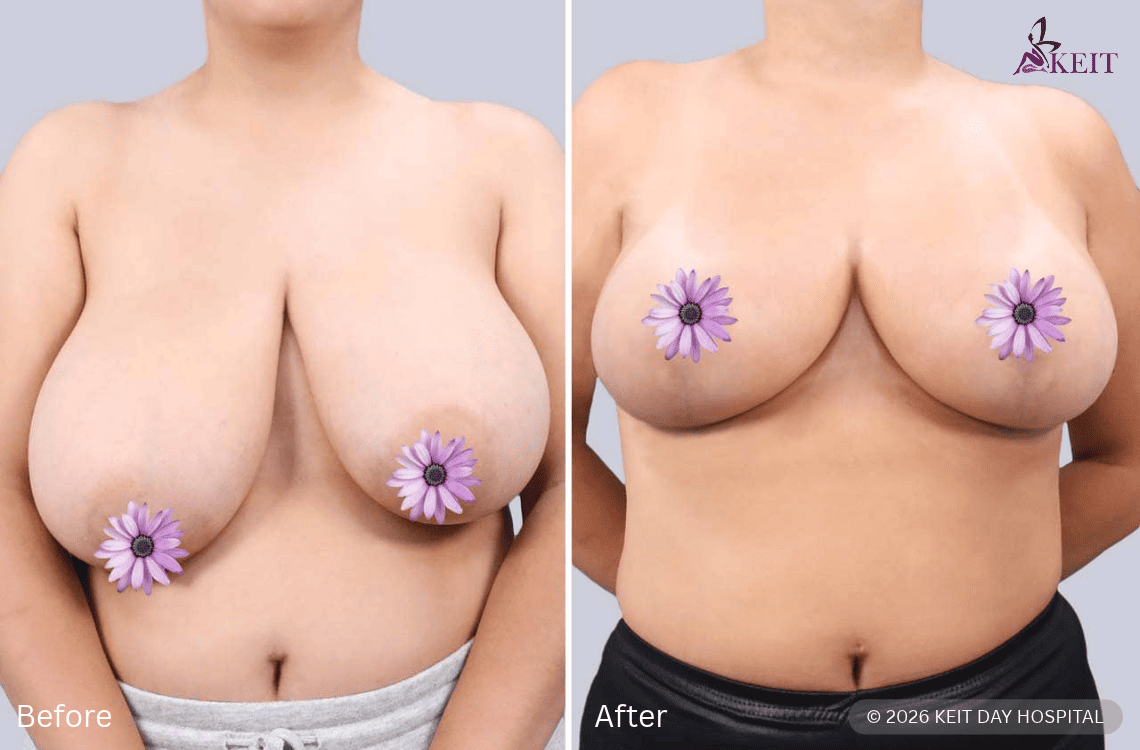
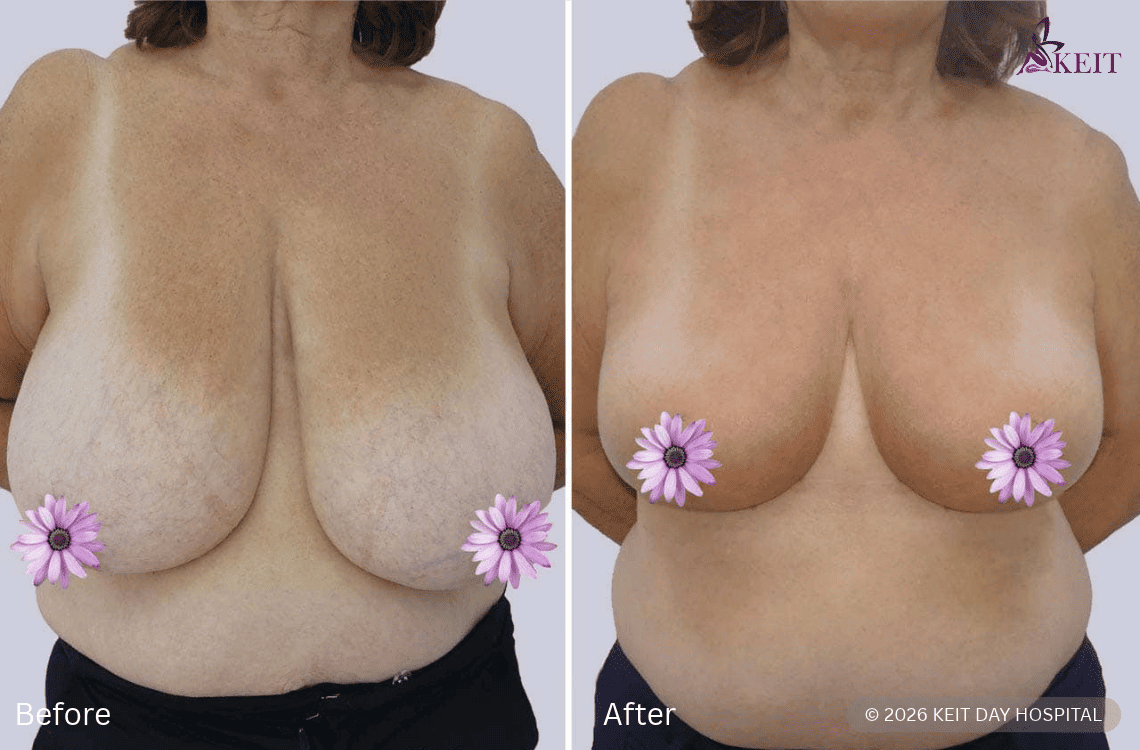
Breast reduction removes excess breast tissue, fat and skin to reduce breast volume and weight. The procedure can relieve physical symptoms and improve quality of life. Suitability for surgery is determined through an individual assessment of symptoms, overall health, breast development and patient preferences.
When should you seek medical attention for breast enlargement?
Medical evaluation is recommended when breast enlargement causes persistent discomfort or if you notice sudden or unusual changes in your breasts. While symptoms associated with macromastia may require treatment, certain changes need prompt evaluation to exclude other breast conditions.
Warning signs that require prompt medical attention include:
- Rapid or unexplained breast enlargement, particularly on one side.
- A new breast lump or persistent thickening.
- Spontaneous nipple discharge, especially if bloody.
- New skin dimpling, nipple retraction or other unusual changes in breast appearance.
- Breast redness, warmth or swelling, particularly when accompanied by pain or fever.
These warning signs may indicate a condition other than macromastia and should be medically assessed.