Published on:

 Reading Time: 5 min
 Rhinoplasty
Nose tip surgery, also called tip rhinoplasty, is a surgical procedure that reshapes the nasal tip to improve its size, definition, projection, or position. It can correct concerns such as a bulbous, wide, droopy, or poorly defined nasal tip by modifying the underlying cartilage while preserving natural facial balance.
 Table of Contents:
-
1
 What is nose tip surgery?
-
2
What concerns can nose tip surgery correct?
-
3
Who is a good candidate for nose tip surgery?
-
4
How is tip rhinoplasty performed?
-
5
Nose tip surgery vs full rhinoplasty: what is the difference?
-
6
Nose tip surgery recovery and swelling timeline
-
7
Nose tip surgery before and after: what results can you expect?
-
8
Risks and considerations of nose tip surgery
-
9
Nose tip surgery cost in the UK: factors affecting the final price
In this article, we explain what nose tip surgery is, which nasal tip concerns it can correct, and who may be a suitable candidate for the procedure. We discuss how tip rhinoplasty is performed, the difference between nose tip surgery and full rhinoplasty, recovery and swelling timeline, expected results, potential risks, and the factors that influence the cost in the UK.
What is nose tip surgery?
Nose tip surgery is a surgical procedure that reshapes the nasal tip to improve its size, shape, and definition. The procedure focuses specifically on the lower part of the nose, modifying the cartilage and soft tissues that determine the appearance of the nasal tip. It is performed to refine the contour of the tip, improve its proportions, and create a more balanced relationship between the nose and facial features.
What concerns can nose tip surgery correct?
Nose tip surgery can correct aesthetic concerns related to the size, shape, projection, and position of the nasal tip. Common concerns treated with tip rhinoplasty include:
- Bulbous nasal tip: A wide or rounded nasal tip caused by cartilage structure, soft tissue volume, or thick skin.
- Wide nasal tip: Excess width of the tip that affects nasal definition and facial balance.
- Droopy nasal tip: A downward-pointing tip that may become more noticeable when smiling or speaking.
- Poorly defined nasal tip: Limited tip contour caused by weak cartilage support or excess soft tissue.
- Asymmetrical nasal tip: Uneven cartilage development or positioning that creates imbalance between the two sides of the nose.
- Low or poorly projected nasal tip: A tip that lacks sufficient forward projection and appears less defined.

Who is a good candidate for nose tip surgery?
Nose tip surgery may be suitable for patients with concerns about the shape or position of the nasal tip. Suitable candidates typically:
- Have a bulbous, wide, droopy, or poorly defined nasal tip.
- Want to refine the nasal tip without major changes to the nasal bridge.
- Have realistic expectations about the outcome.
- Are in good general health and able to undergo surgery.
- Have completed facial growth, usually after adolescence.
How is tip rhinoplasty performed?
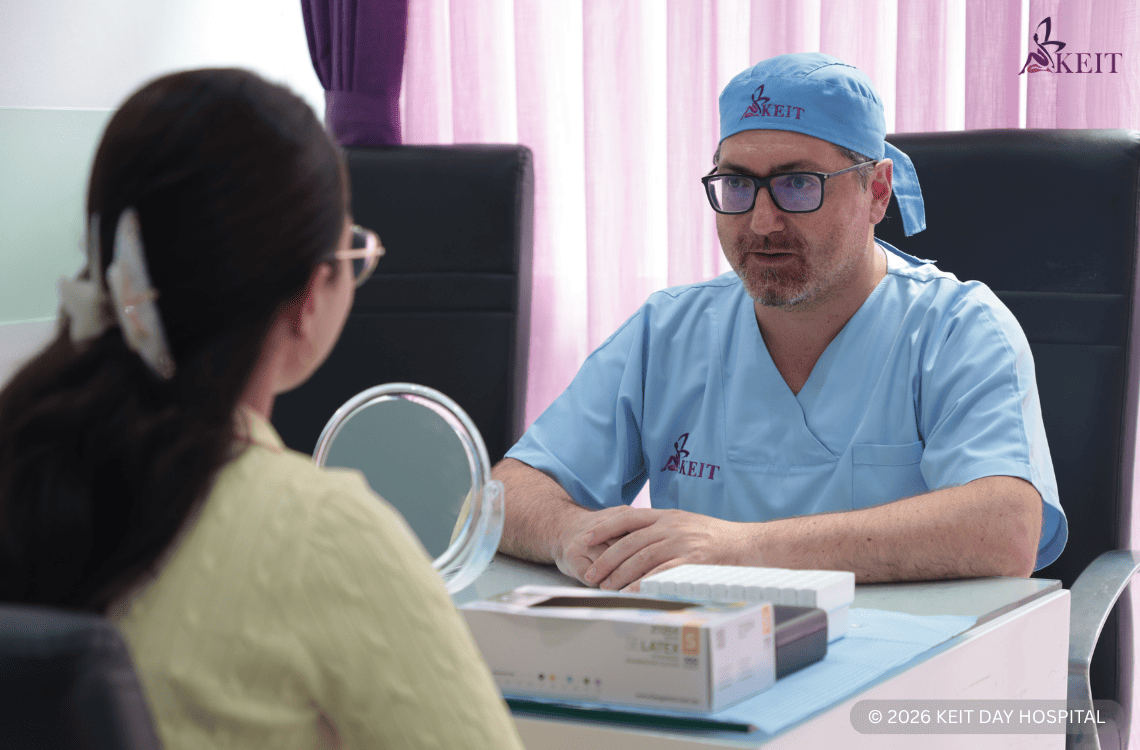
Tip rhinoplasty is performed under general anaesthesia and usually takes around 1–2 hours. Through small incisions, the surgeon accesses the nasal tip cartilage and reshapes the structures responsible for its width, projection, and support. Depending on the patient’s anatomy, this may involve refining the lower lateral cartilages, adjusting their position, or adding cartilage grafts for additional support. In cases of a bulbous nasal tip, the cartilage framework is modified to create a more defined contour while preserving natural structure and nasal function.
Nose tip surgery vs full rhinoplasty: what is the difference?
The main difference is that nose tip surgery reshapes only the nasal tip, while full rhinoplasty can modify the tip, nasal bridge, and nasal bones.
| Feature | Nose tip surgery | Full rhinoplasty |
|---|---|---|
| Treatment area | Focuses only on the nasal tip | Addresses the nasal tip, bridge, and nasal bones |
| Main purpose | Refines tip shape, width, projection, or rotation |
Corrects multiple structural concerns affecting the overall nose |
| Best suited for | Patients whose main concern is the nasal tip |
Patients requiring changes in different areas of the nose |
| Surgical approach | Usually involves more limited modification of the nasal structures |
Requires a more comprehensive reshaping of the nose |
Nose tip surgery recovery and swelling timeline
Recovery after nose tip surgery is gradual, with the nasal tip continuing to refine as swelling decreases over 6–12 months.
- First week: Swelling, bruising, congestion, and mild discomfort are common. A nasal splint may be used.
- Weeks 2–6: Bruising resolves and swelling decreases. Most daily activities can be resumed, while pressure on the nose should be avoided.
- Months 3–6: The nasal tip becomes more defined as deeper swelling reduces and tissues settle.
- Months 6–12: Final tip refinement becomes clearer, especially in patients with thicker skin.
Nose tip surgery before and after: what results can you expect?
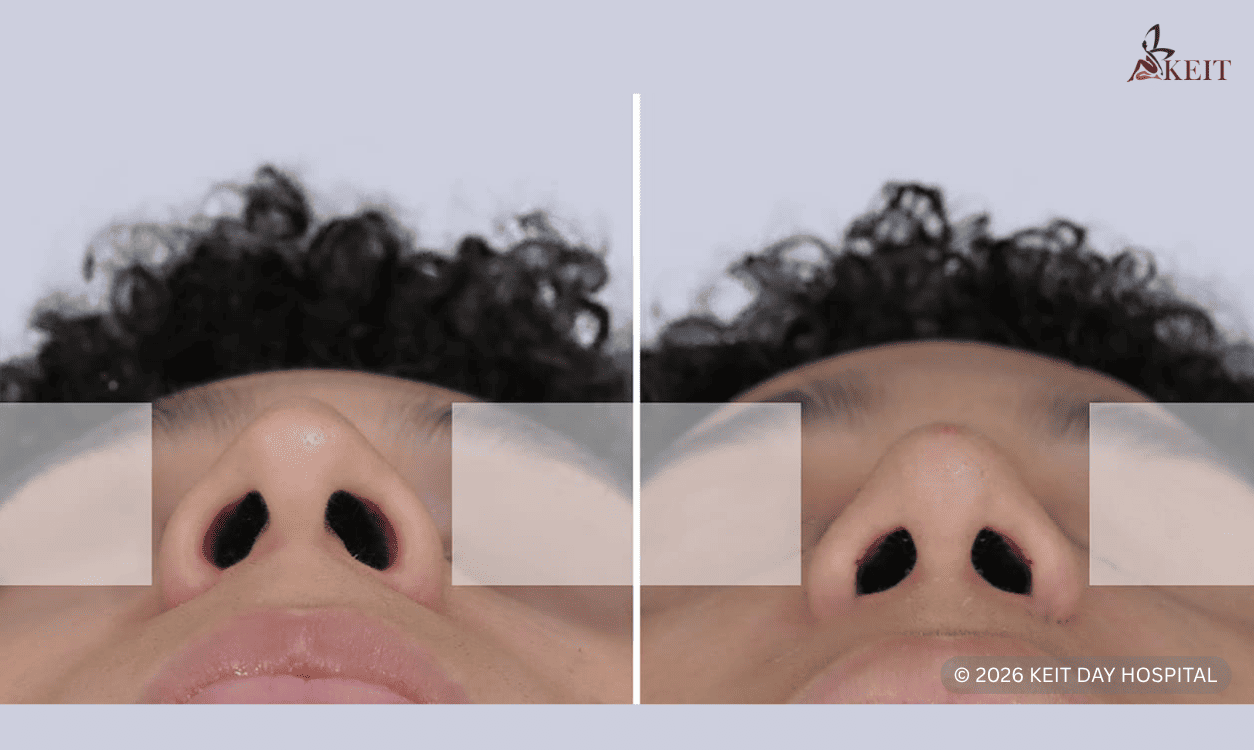
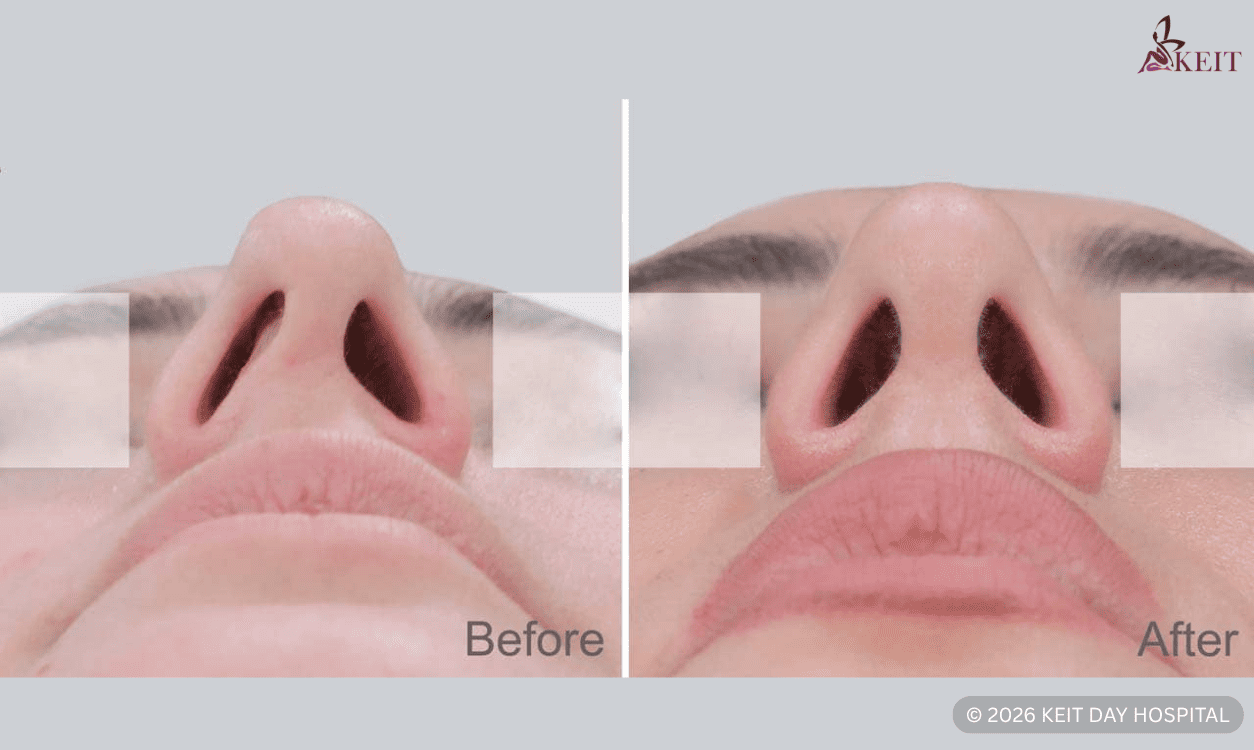
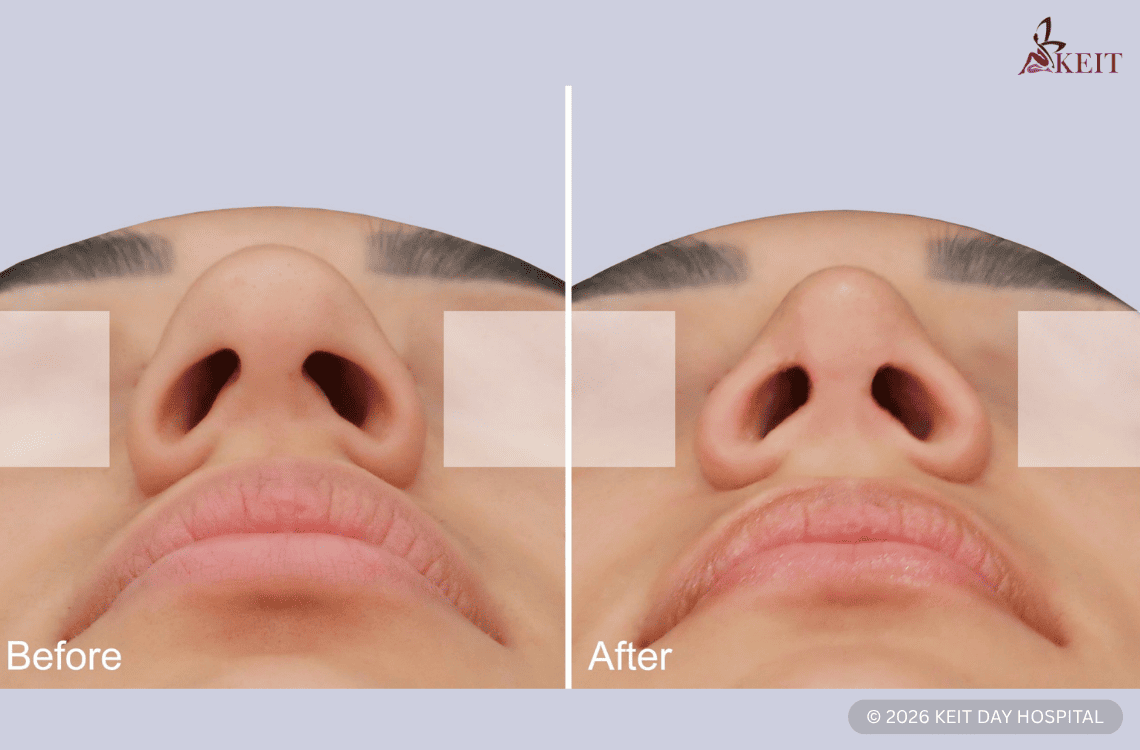
Nose tip surgery aims to create a more refined and balanced nasal tip while maintaining a natural appearance. Patients can expect improved tip definition, proportion, and harmony with the rest of the nose and face. The final result develops gradually as swelling decreases, with the nasal tip continuing to refine during the healing process.The outcome depends on factors such as nasal anatomy, skin thickness, and healing response. Final results are usually assessed after the tissues have fully settled.
Risks and considerations of nose tip surgery
Nose tip surgery is generally safe when performed by an experienced surgeon, but like any surgical procedure, it carries potential risks, including:
- Infection: A rare complication that may require medical treatment.
- Asymmetry: Differences in healing or cartilage response may affect the final shape.
- Persistent swelling: Nasal tip swelling may last longer, particularly in patients with thicker skin.
- Irregularities or contour changes: Uneven healing or cartilage movement may affect tip appearance.
- Breathing changes: Excessive reduction or inadequate structural support can affect nasal airflow.
- Revision surgery: Additional surgery may occasionally be required to refine results or address concerns.
A thorough consultation and careful surgical planning are essential to assess nasal anatomy and achieve a stable result while preserving nasal function.
Nose tip surgery cost in the UK: factors affecting the final price
In the UK, nose tip surgery typically costs between 5,000 and 9,500 euro, depending on the complexity of the procedure and the surgical technique required. The final cost may vary based on:
- Surgical complexity: More advanced cartilage reshaping, structural support, or correction of a bulbous tip may require a more complex procedure.
- Surgeon expertise and clinic facilities: The surgeon’s experience, operating environment, anaesthesia, and post-operative care contribute to the overall cost.
- Additional procedures: Combining tip rhinoplasty with full rhinoplasty or other nasal corrections can increase the price.
A personalised cost is determined after consultation, as the treatment plan depends on the patient’s nasal anatomy, skin thickness, and desired outcome.