Published on:
 Modified on:

 Reading Time: 5 min

 Breast Lift
Sagging breasts, medically known as breast ptosis, occur when breast tissue and the nipple descend due to reduced skin elasticity, ligament support, or volume changes. This condition may occur due to ageing, pregnancy, weight changes, or individual tissue characteristics. Management ranges from supportive measures and non-surgical treatments to surgical correction.
 Table of Contents:
-
1
 What are sagging breasts?
-
2
Sagging breasts: Classification of breast ptosis
-
3
Why do breasts sag? Causes of sagging breasts
-
4
Sagging breasts: How can they be improved?
-
5
Non-surgical treatments for sagging breasts
-
6
Sagging breasts: When should surgery be considered?
-
7
Surgical options for sagging breasts: Mastopexy, augmentation and reduction
-
8
Sagging breasts: Recovery and results after sagging breast surgery
In this comprehensive guide, we explain what sagging breasts are, the classification of breast ptosis, the main causes, how they can be improved, non-surgical treatment options, when surgery is indicated, the available surgical approaches, and recovery and expected results after breast surgery.
What are sagging breasts?
Sagging breasts refer to the downward displacement of breast tissue and the nipple below their normal anatomical position, typically in relation to the inframammary fold. This occurs due to reduced skin elasticity, weakening of the supporting ligaments, and loss or redistribution of breast volume. As ptosis progresses, the breast contour becomes less firm and the nipple may descend, affecting overall breast shape and projection.
Sagging breasts: Classification of breast ptosis
Breast ptosis is classified into grades based on the position of the nipple in relation to the inframammary fold, allowing the degree of sagging to be assessed as mild, moderate, or severe:
- Grade 1 (mild ptosis): The nipple is at the level of the inframammary fold, with minimal descent and generally preserved breast contour.
- Grade 2 (moderate ptosis): The nipple is below the fold but remains above the lower breast contour, with visible loss of upper fullness.
- Grade 3 (severe ptosis): The nipple is significantly below the fold and points downward, with marked loss of support and breast projection.
Why do breasts sag? Causes of sagging breasts
Breasts sag primarily due to structural and biological changes affecting breast support. The main causes include:
- Age-related changes: Collagen and elastin naturally decrease with age, making the skin less firm and elastic.
- Pregnancy: During pregnancy, breast volume increases and the skin stretches. After pregnancy, volume may reduce, leaving looser skin and less upper breast fullness.
- Weight fluctuations: Repeated weight gain and loss can stretch the skin and reduce its ability to recoil, contributing to a more deflated breast contour.
- Breast size: Larger breasts place more strain on the skin and supporting ligaments, which can increase the likelihood of sagging over time.
- Genetics: Genetics influence skin elasticity, breast shape, tissue quality, and how early breast ptosis may develop.
- Hormonal factors: Hormonal changes can affect breast tissue composition, skin quality, and volume, especially after pregnancy, breastfeeding, or menopause.
Causes of sagging breasts at a young age
Although sagging breasts are often associated with ageing, they can also occur earlier in life. The causes of sagging breasts at a young age are often due to genetics, larger breast size, rapid weight changes, pregnancy, breastfeeding, or natural differences in skin elasticity and connective tissue strength. Hormonal changes during puberty may also affect breast shape and firmness. While mild sagging can be normal, sudden or one-sided changes should be checked by a healthcare professional.
Sagging breasts: How can they be improved?
Several conservative measures can help improve breast support and overall appearance, particularly when sagging is mild or related to skin and tissue quality:
- Posture improvement: Strengthening the pectoral, back, and shoulder muscles can improve posture and chest wall support, which may help the breasts appear better supported.
- Supportive bra: Helps support breast weight, especially during exercise or high-impact activity.
- Stable body weight: Reduces repeated stretching and loosening of the skin caused by weight fluctuations.
- Healthy skin support: Balanced nutrition, hydration, and general weight management help maintain skin quality.
Non-surgical treatments for sagging breasts
Non-surgical treatments for sagging breasts focus on improving skin quality, firmness, and overall breast appearance. The main treatments include:
- Radiofrequency and ultrasound-based treatments: Use controlled heat to stimulate collagen production in the skin, helping improve firmness and mild skin laxity.
- Laser treatments: Enhance skin texture and elasticity by promoting collagen remodelling in the superficial layers of the skin.
- Injectable biostimulatory treatments: Stimulate collagen production within the skin, which may improve skin quality and support in selected cases.
- Topical treatments: Support skin hydration and elasticity, contributing to improved skin appearance.
Non-surgical options may be suitable for mild changes or early skin laxity, but they cannot reposition the nipple or remove excess skin, which limits their effectiveness in moderate to severe ptosis.
Sagging breasts: When should surgery be considered?
Surgery is considered when breast ptosis significantly affects breast position, shape, or skin support and cannot be corrected with supportive or non-surgical treatments. It is most appropriate for moderate to severe ptosis, low nipple position, excess skin, marked volume loss, asymmetry, or discomfort related to breast weight. The decision should be based on clinical assessment, anatomy, tissue quality, and realistic expectations.
Surgical options for sagging breasts: Mastopexy, augmentation and reduction
The appropriate surgical option is determined by breast anatomy, degree of ptosis, skin quality, and volume requirements. The main surgical approaches include:
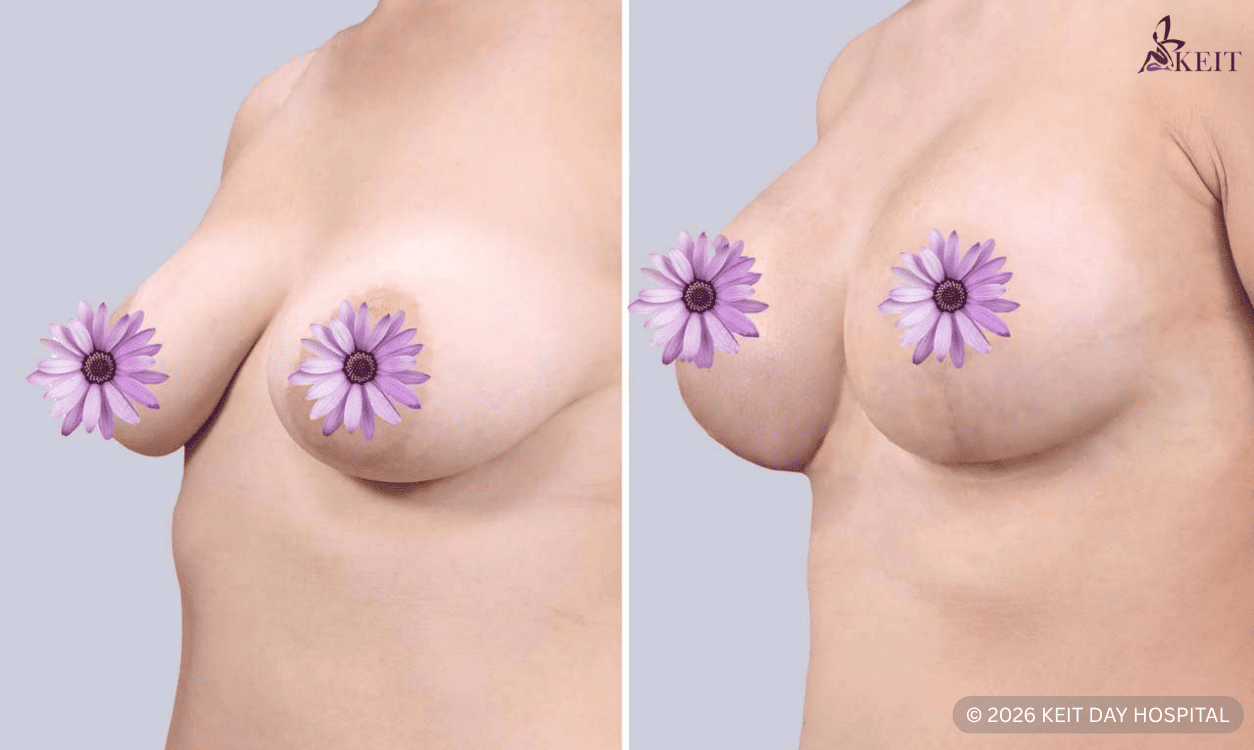
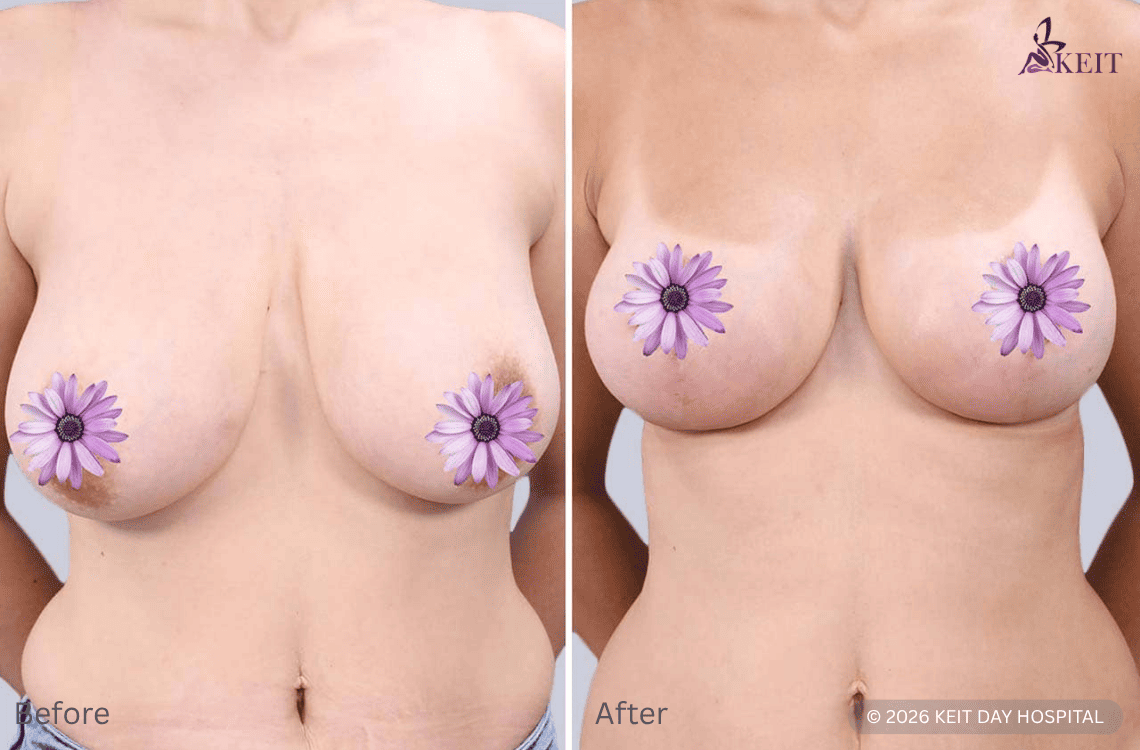
- Mastopexy (breast lift): Indicated when the main concern is low nipple position, excess skin, and loss of breast shape. It removes excess skin, reshapes the breast, and repositions the nipple to a more appropriate level.
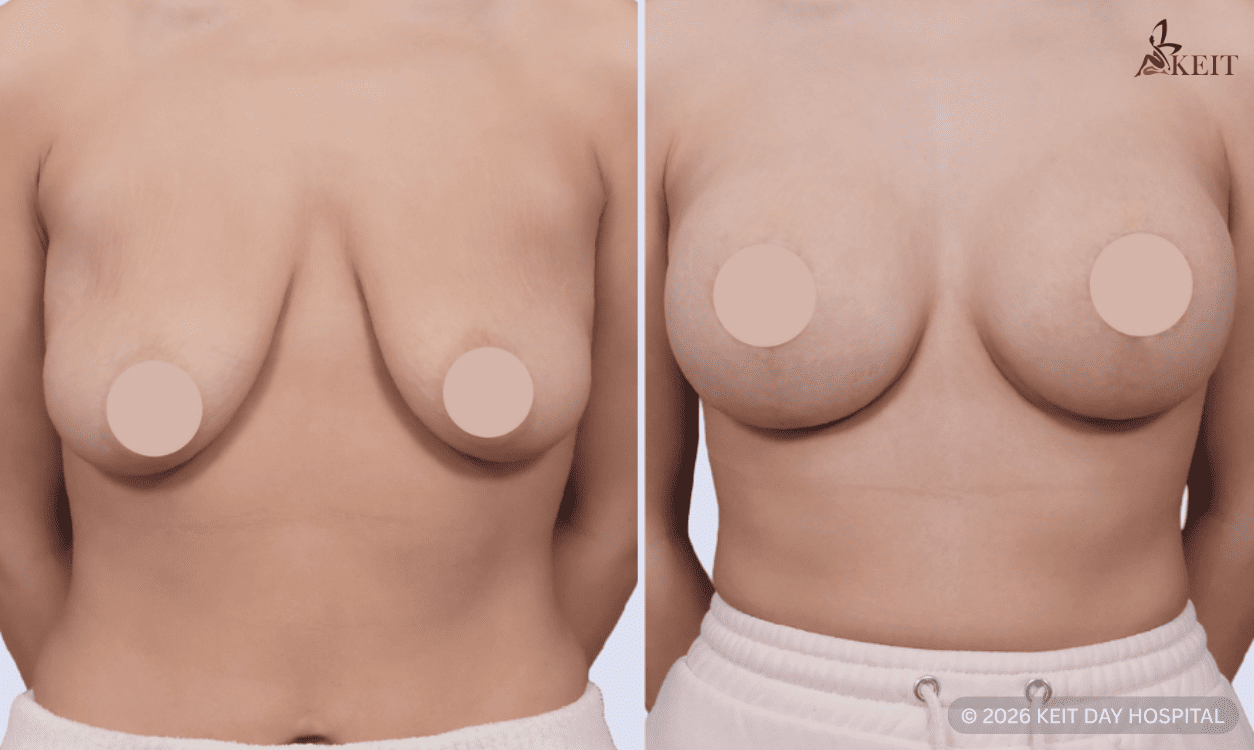
- Breast augmentation: Indicated when sagging is associated with volume loss or upper-pole deflation, usually in mild ptosis. It restores or increases breast volume and may be combined with a lift when skin excess is significant.
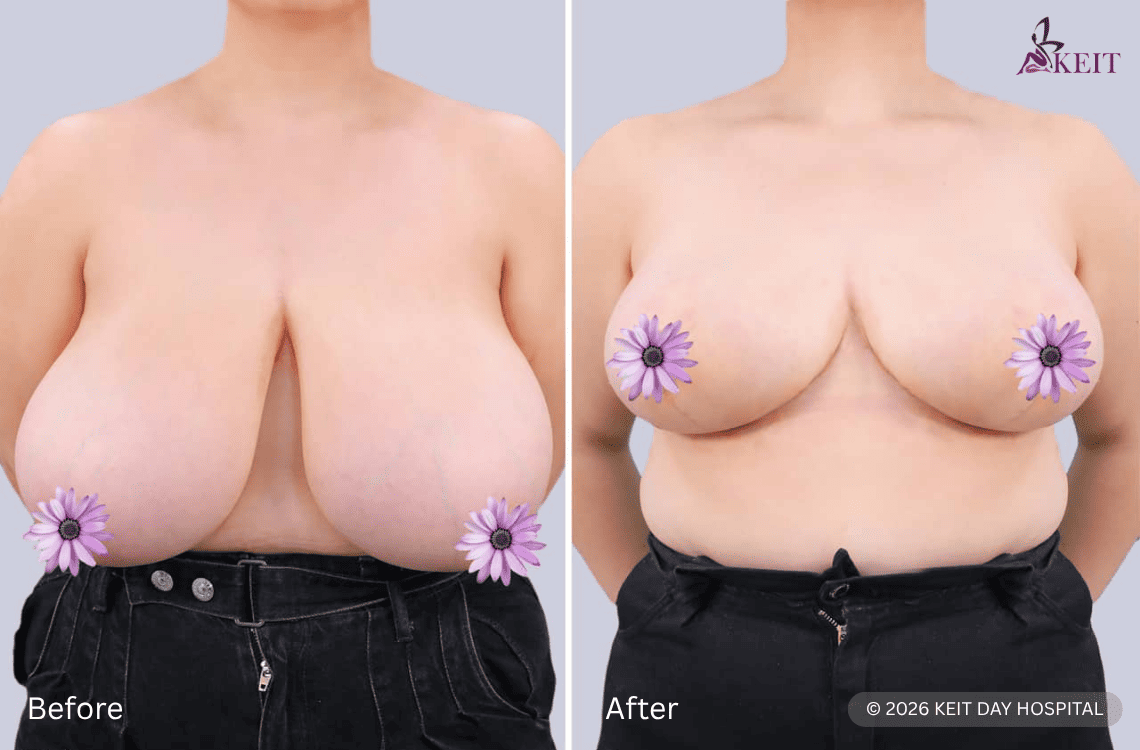
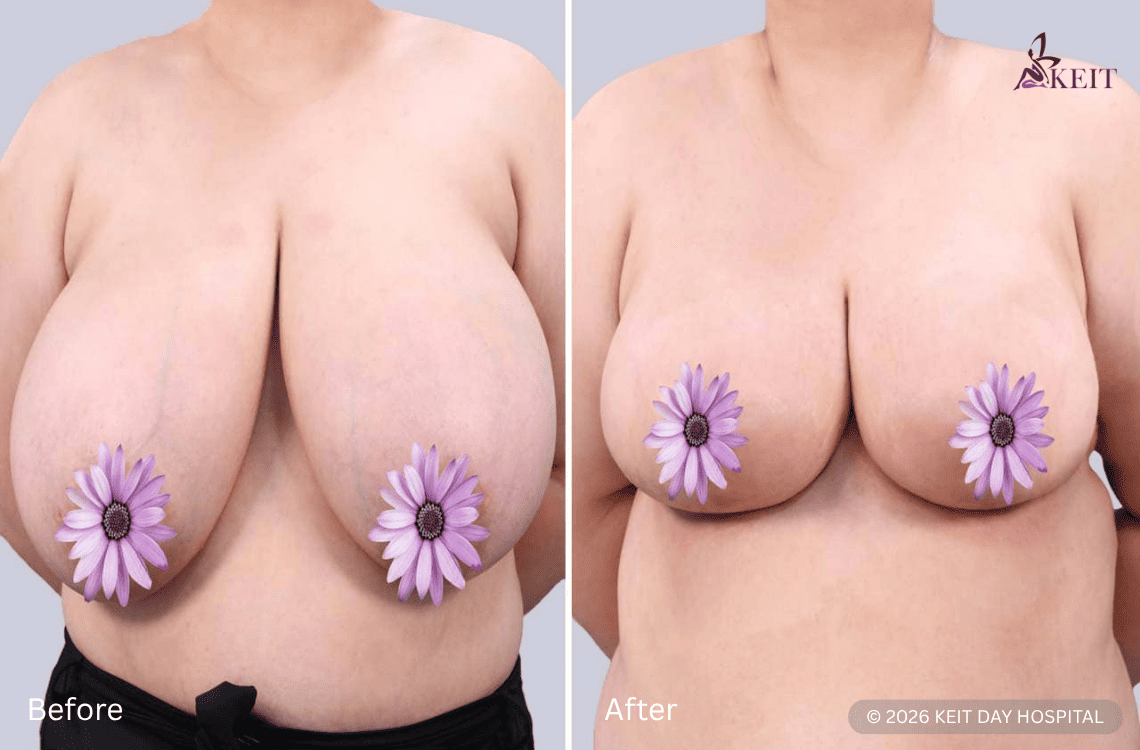
- Breast reduction: Indicated when large, heavy breasts contribute to ptosis, discomfort, or difficulty with support. It reduces breast size and weight while lifting and reshaping the breast.
Book your FREE
Online Consultation Now

Sagging breasts: Recovery and results after sagging breast surgery
Recovery depends on the surgical approach used, whether mastopexy, augmentation, reduction, or a combined procedure, but healing often follows predictable phases:
- First week: Swelling, tightness, bruising, and mild discomfort are expected and gradually improve.
- 2–4 weeks: Most patients resume normal daily activities, depending on the extent of surgery and clinical advice.
- 5–7 weeks: Gradual return to more strenuous activities may be possible if healing is progressing well and the surgeon approves.
- 3–6 months: Breast shape, position, and contour continue to settle as swelling reduces and tissues adapt.
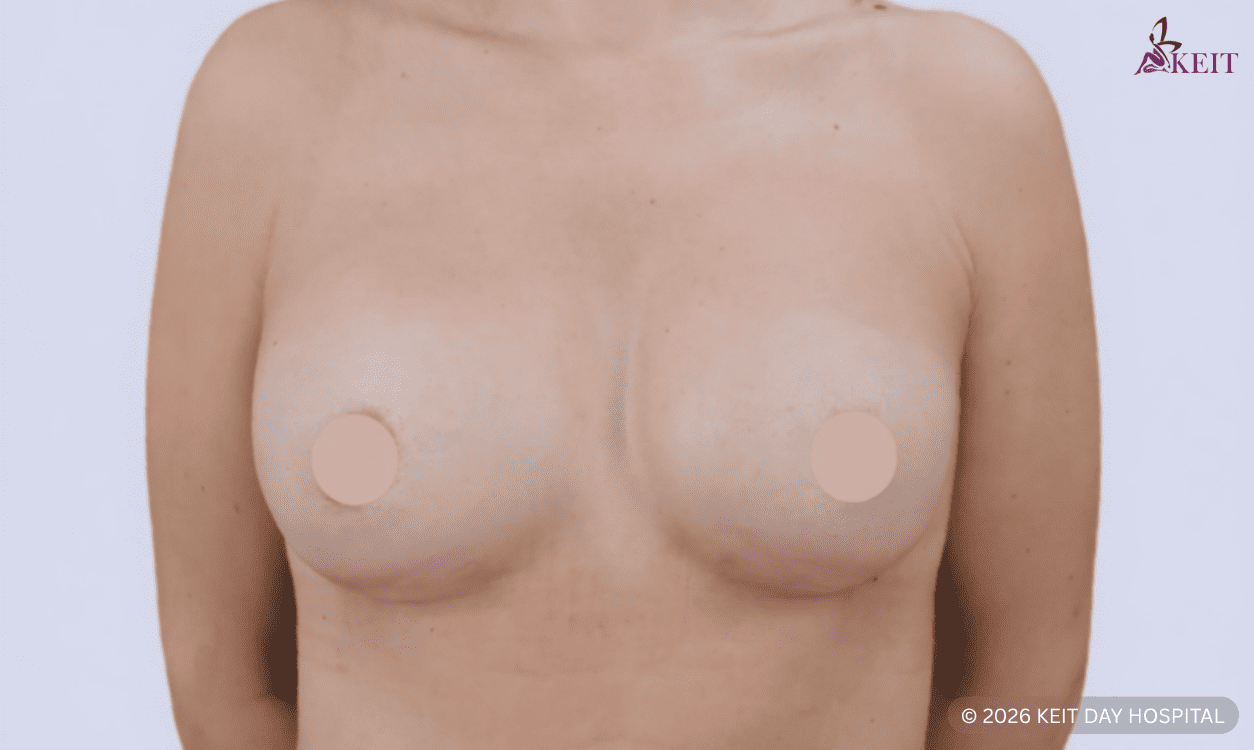
Results show improved breast position, contour, and nipple placement, with the final shape becoming more defined as swelling settles. Outcomes are typically long-lasting, although ageing, pregnancy, and weight changes can influence breast shape over time.