Published on:
 Modified on:

 Reading Time: 6 min

 Scientific Articles
Scar formation is a physiological part of the healing process after any aesthetic surgical procedure, but in some patients it may progress to unsatisfactory outcomes such as hypertrophic scars, keloids, or permanent aesthetic changes. The risk of pathological scarring depends on the interaction between individual factors, characteristics of the surgical procedure, and post-operative management. Available evidence indicates that appropriate preventive measures can reduce the risk of problematic scars and improve the final aesthetic outcome.
 Table of Contents:
-
1
 PubMed search strategy and evidence selection criteria
-
2
Incidence and variability of scar formation after aesthetic surgery
-
3
Risk factors for pathological scarring
-
4
Role of tension in scar formation
-
5
Scar prevention: Evidence-based strategies
-
6
Silicone therapy for scar prevention
-
7
Laser techniques and complementary treatments
-
8
Infection and wound complications as risk factors
-
9
Clinical implications in aesthetic surgery
-
10
Bibliography: PubMed evidence on post-operative scar formation and prevention
PubMed search strategy and evidence selection criteria
A targeted PubMed search was conducted for this review to identify systematic reviews and meta-analyses addressing scar formation after surgical procedures and the main preventive strategies applicable to aesthetic surgery. Studies were included if they analysed factors associated with pathological scar formation, the risk of hypertrophic scars and keloids, the effectiveness of preventive interventions, surgical wound management techniques, and aesthetic outcomes following scar treatment.
The final selection includes meta-analytic evidence on the prevention of surgical scars, the use of silicone, laser therapies, wound closure strategies, and interventions aimed at reducing scar tension.
Incidence and variability of scar formation after aesthetic surgery
Scar formation is a natural stage of the healing process after any surgical procedure, but the final result can vary significantly from one patient to another. In aesthetic surgery, where scar appearance can directly influence the perception of the outcome and patient satisfaction, even scars considered clinically normal may have a relevant aesthetic impact.
The quality of the final scar depends on the interaction of several factors, including:
- Location and characteristics of the surgical incision;
- Tension applied to the wound edges;
- Individual characteristics of the skin and tissues;
- Surgical technique used;
- Inflammatory response and the patient’s healing capacity.
Individual variability in scar formation is therefore one of the main aspects to consider in the planning and post-operative management of aesthetic surgery.
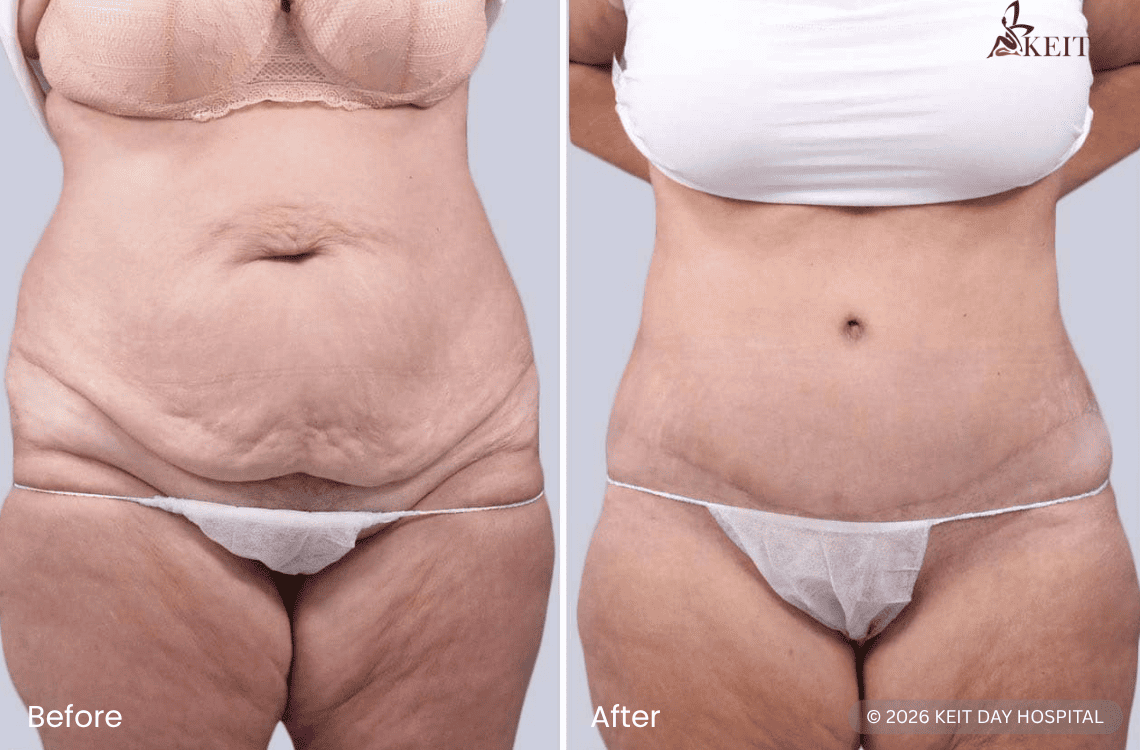
Risk factors for pathological scarring
Available evidence indicates that pathological scar formation is a multifactorial process influenced by the interaction between individual patient characteristics and factors related to the surgical procedure.
Individual patient factors
The biological healing response varies significantly between individuals and is one of the main determinants of final scar quality. Factors associated with a higher risk include:
- Previous formation of keloids or hypertrophic scars;
- Genetic predisposition;
- Patient age;
- Skin and tissue characteristics;
- Conditions that may interfere with the normal healing process.
Surgical factors
Operative technique and wound management also play a fundamental role in determining the final appearance of the scar. The most relevant factors include:
- Tension applied to the wound edges;
- Position and orientation of the incision;
- Suture technique used;
- Tissue handling during surgery;
- Presence of infection or post-operative complications.
Appropriate assessment of both individual and surgical factors can reduce the risk of problematic scarring and optimise the final aesthetic outcome.
Role of tension in scar formation
Mechanical tension on the wound is one of the main factors involved in the development of more visible or pathological scars. Excessive traction on the wound edges can negatively affect the healing process and promote a more pronounced scar response.
Surgical strategies aimed at reducing tissue tension may help improve scar quality, particularly in procedures involving extensive dissection or greater mechanical stress, such as:
- Abdominoplasty;
- Facelift surgery;
- Breast surgery;
- Body contouring surgery.
Appropriate management of tension during wound closure is therefore an important factor in optimising the final scar outcome.
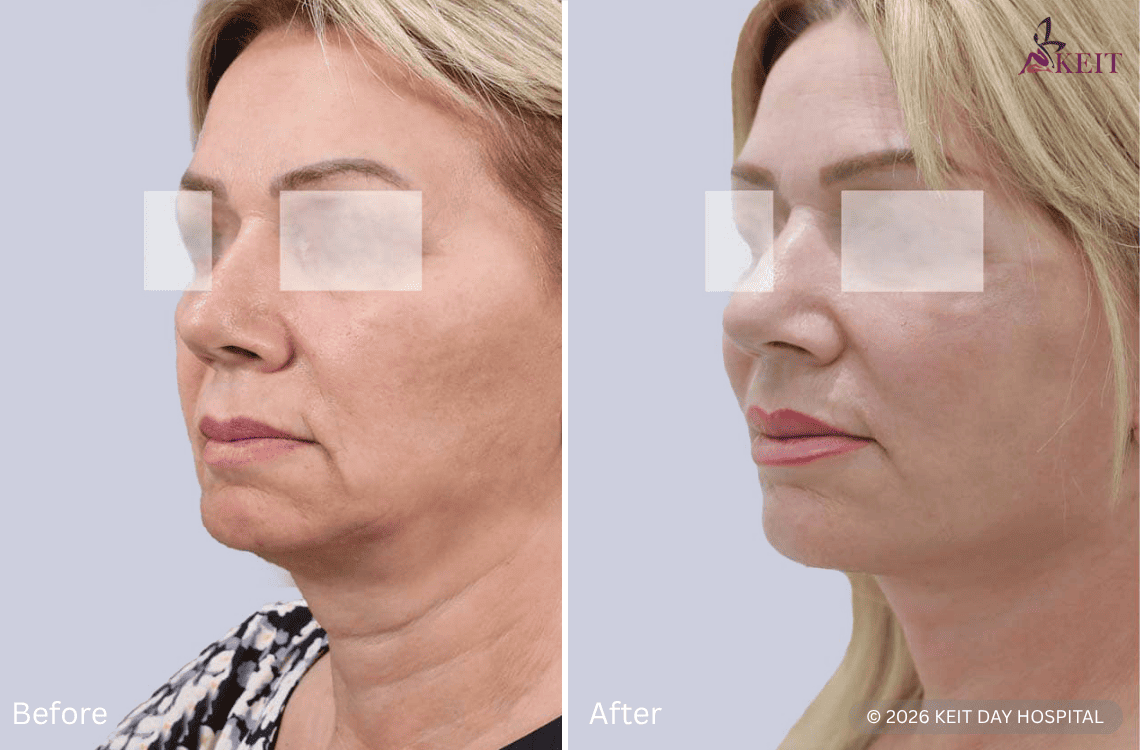
Scar prevention: Evidence-based strategies
Prevention of problematic scars requires a multimodal approach that begins during surgery and continues throughout the post-operative period. The most widely studied strategies include:
- Use of silicone gel or silicone sheets;
- Appropriate wound care and dressing;
- Reduction of tension on the scar edges;
- Protection of the scar from sun exposure;
- Early treatment of abnormal scar development.
Available meta-analyses indicate that silicone is one of the preventive strategies with the strongest scientific support for reducing the risk of hypertrophic scars and improving scar appearance during the healing process. However, the effectiveness of prevention depends on the integration of several factors, including appropriate surgical technique, adequate wound management, and early monitoring of scar development.
Silicone therapy for scar prevention
The use of silicone in gel or sheet form is one of the most extensively studied and commonly used preventive strategies in scar management after aesthetic surgery.
Available evidence suggests potential benefits in improving scar quality, including:
- Reduction in scar thickness;
- Improvement in overall aesthetic appearance;
- Reduction in erythema, stiffness, and changes in skin texture.
Treatment effectiveness depends mainly on correct application, duration of use, and consistency throughout the post-operative period. Silicone is therefore considered a simple, non-invasive preventive option with good scientific support for reducing the risk of problematic scarring.
Laser techniques and complementary treatments
Laser therapies have been studied both as preventive tools and as treatment options for improving the appearance of established surgical scars.
Available evidence suggests potential benefits in improving several scar characteristics, including:
- Skin colour and uniformity;
- Texture and thickness;
- Tissue elasticity;
- Overall aesthetic quality.
However, treatment effectiveness may vary depending on the type of scar, stage of healing, device used, and individual patient characteristics. The timing of treatment and the choice of the most appropriate laser technology should therefore be individualised according to the clinical presentation.
Infection and wound complications as risk factors
Surgical wound complications can interfere with the normal healing process and negatively affect the quality of the final scar.
In particular, conditions such as:
- wound infection;
- dehiscence of the surgical wound edges;
- delayed healing;
- prolonged inflammation;
may promote a more pronounced scar response and increase the risk of more visible or pathological scars. Prevention and prompt management of wound complications are therefore essential for optimising scar outcomes after aesthetic surgery.
Clinical implications in aesthetic surgery
Prevention of problematic scars in aesthetic surgery requires an individualised approach that considers both patient characteristics and the technical aspects of the procedure.
The main elements for optimising scar outcomes include:
- Individual assessment of scar risk;
- Precise surgical technique and careful tissue handling;
- Reduction of wound tension;
- Appropriate post-operative management;
- Early identification and treatment of abnormal scar changes.
The evidence indicates that final scar quality does not depend on a single factor, but on the interaction between the patient’s biological characteristics, surgical technique, and preventive strategies used throughout the care pathway. An integrated approach can therefore reduce the risk of pathological scarring and improve patient satisfaction with the aesthetic outcome.
Bibliography: PubMed evidence on post-operative scar formation and prevention
Wang F, Li X, Wang X, Jiang X. Efficacy of topical silicone gel in scar management: A systematic review and meta-analysis of randomised controlled trials. International Wound Journal. 2020;17(3):765-773. PMID: 32119763.
Yenyuwadee S, Achavanuntakul P, Phisalprapa P, Levin M, Saokaew S, Kanchanasurakit S, Manuskiatti W. Effect of Laser and Energy-based Device Therapies to Minimize Surgical Scar Formation: A Systematic Review and Network Meta-analysis. Acta Dermato-Venereologica. 2024;104:adv18477. PMID: 38189223.
Wang Z, Chen Y, Yang X, Pan B, Xie H, Bi H. Safety and Effectiveness of Laser or Intense Pulsed Light Treatment for Early Surgical Scar: A Systematic Review and Meta-analysis. Aesthetic Plastic Surgery. 2024;48(2):228-235. PMID: 37620564.
Cai Y, Zeng X, Ying J, Zhu Y, Qiu Y, Xiang W. Efficacy and safety of pulsed dye laser for the treatment of surgical scars: a systematic review and meta-analysis. Lasers in Medical Science. 2022;37(2):1273-1282. PMID: 34351564.
Wang L, Guo X, Tian L, et al. The Safety and efficacy of botulinum toxin type A injection for postoperative scar prevention: A systematic review and meta-analysis. Journal of Cosmetic Dermatology. 2020;19(8):1936-1944. PMID: 31513335.