Published on:
 Modified on:

 Reading Time: 4 min

 Scientific Articles
This 2024–2025 evidence review synthesizes recent PubMed-indexed systematic reviews and meta-analyses examining Breast Implant Illness (BII) as a clinical phenomenon reported in patients with breast implants. The selected publications analyze symptom patterns, immunological and inflammatory hypotheses, associations with autoimmune disease, and outcomes following implant removal. Together, these studies provide an updated, evidence-based overview of what is currently known and not known about Breast Implant Illness in contemporary clinical practice.
 Table of Contents:
-
1
 How the evidence was selected: Criteria for the latest reviews
-
2
Defining Breast Implant Illness in recent meta-analyses
-
3
Symptom patterns associated with Breast Implant Illness
-
4
Immunological and inflammatory hypotheses
-
5
Autoimmune disease associations in pooled analyses
-
6
Outcomes after breast implant explantation
-
7
Limitations and uncertainty in current evidence
-
8
Key findings across meta-analyses
-
9
Clinical implications: What the evidence means for practice
-
10
Bibliography: Recent PubMed-indexed meta-analyses considered
How the evidence was selected: Criteria for the latest reviews
A targeted literature search was conducted using PubMed and PubMed Central to identify publications between 2024 and 2025 addressing Breast Implant Illness. Inclusion criteria were restricted to systematic reviews and meta-analyses evaluating symptom prevalence, immunologic associations, autoimmune risk or clinical outcomes following explantation in patients with breast implants.
Narrative reviews, single-center case series, opinion articles and non-pooled analyses were excluded. Only studies with structured methodology and pooled statistical evaluation were retained, ensuring relevance to evidence-based clinical interpretation.
Defining Breast Implant Illness in recent meta-analyses
Recent meta-analyses confirm that Breast Implant Illness is not defined as a single disease entity, but rather as a constellation of systemic symptoms reported by some patients following breast implantation. Across pooled analyses, BII is characterized by patient-reported symptoms without a unifying diagnostic biomarker.
Meta-analytical evidence consistently emphasizes:
- Absence of a universally accepted diagnostic criterion.
- Heterogeneity in symptom presentation and severity.
- Overlap with symptoms seen in autoimmune, inflammatory and functional disorders.
Current evidence therefore frames BII as a clinical syndrome of reported symptoms, rather than a formally defined pathological diagnosis.
Symptom patterns associated with Breast Implant Illness
Across meta-analyses evaluating thousands of patients, the most frequently reported symptoms include:
- Fatigue and chronic exhaustion.
- Cognitive complaints (“brain fog,” memory or concentration difficulties).
- Musculoskeletal pain (joint and muscle pain).
- Skin manifestations (rashes, pruritus, dryness).
- Sicca symptoms (dry eyes and mouth).
- Gastrointestinal complaints.
- Anxiety, mood changes and sleep disturbances.
Pooled symptom analyses demonstrate significant variability in symptom clusters, with no symptom or group of symptoms specific enough to distinguish BII from other systemic conditions.

Immunological and inflammatory hypotheses
Meta-analytical evidence supports the hypothesis that immune system modulation, rather than direct toxicity, may underlie BII in susceptible individuals.
Proposed mechanisms include:
- Chronic immune stimulation related to silicone or implant shell components.
- Adjuvant-like immune activation leading to sustained inflammatory signaling.
- B-cell activation and cytokine dysregulation within peri-implant tissues.
- Genetic susceptibility influencing immune response patterns.
Importantly, meta-analyses do not demonstrate a consistent causal mechanism applicable to all patients, suggesting individual immune variability plays a central role.
Autoimmune disease associations in pooled analyses
Several meta-analyses have examined the relationship between breast implants and autoimmune or connective tissue diseases. Key findings include:
- A modestly increased relative risk for certain autoimmune conditions (e.g., Sjögren’s syndrome, rheumatoid arthritis) in pooled population-based analyses.
- Considerable heterogeneity between studies.
- Absence of consistent absolute risk elevation across all autoimmune diseases.
These findings suggest that breast implants may act as a trigger in predisposed individuals, rather than serving as a universal causal factor for autoimmune disease.
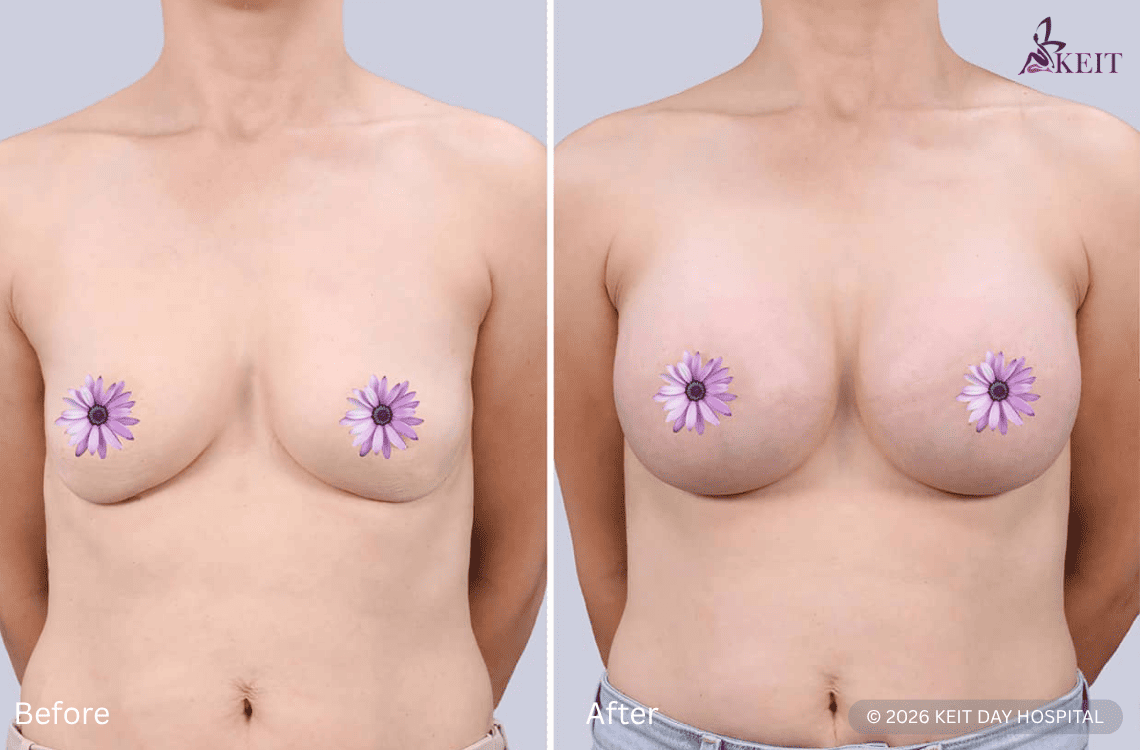
Outcomes after breast implant explantation
Meta-analyses evaluating explantation outcomes consistently report symptom improvement in a majority of patients following implant removal. Across pooled data:
- Approximately 70–85% of patients report partial or complete symptom improvement.
- Improvement is reported regardless of whether total capsulectomy is performed.
- No clear evidence supports capsulectomy as superior to implant removal alone for systemic symptom resolution.
These findings suggest that symptom improvement may reflect removal of an immune stimulus, placebo effects, regression to the mean, or multifactorial psychosomatic mechanisms.
Limitations and uncertainty in current evidence
Across all reviewed meta-analyses, important limitations persist:
- Heavy reliance on self-reported symptoms.
- Lack of objective biomarkers for diagnosis or monitoring.
- Potential reporting and selection bias.
- Variability in implant type, duration and surgical context.
- Absence of randomized controlled trials.
As a result, current evidence supports neither dismissal nor definitive confirmation of BII as a discrete pathological disease.
Key findings across meta-analyses
Consistent conclusions across pooled evidence include:
- Breast Implant Illness represents a symptom-based clinical phenomenon.
- Immune and inflammatory pathways are plausible but not definitively proven.
- Autoimmune associations appear modest and population-dependent.
- Explantation is associated with symptom improvement in most—but not all—patients.
- Individual susceptibility likely determines risk and response.
Clinical implications: What the evidence means for practice
- Breast Implant Illness should be approached as a patient-reported systemic symptom syndrome, not a confirmed implant-specific disease.
- Thorough evaluation is essential to exclude alternative medical causes.
- Patient counseling should emphasize uncertainty, variability and individualized risk.
- Explantation may be considered when symptoms are significant and persistent, with realistic expectations regarding outcomes.
- Current evidence supports shared decision-making, not protocolized treatment.
Bibliography: Recent PubMed-indexed meta-analyses considered
- Ferreira S. Breast Implant Illness: Symptoms, Outcomes with Explantation and Potential Etiologies. A Systematic Review and Meta-Analysis. Aesthetic Plastic Surgery. 2025. PMID: 40788544.
- Bouhadana G. Defining Breast Implant Illness: A Systematic Review and Meta-Analysis of Patient-Reported Symptoms. Plast Reconstr Surg Glob Open. 2025. PMID: 40391348.
- Trabilsy M. Exploring Breast Implant Illness and Its Comorbid Conditions: A Systematic Review and Meta-Analysis. Journal of Plastic, Reconstructive & Aesthetic Surgery. 2025. PMID: 40203657.
- Kabir R. Breast Implant Illness as a Clinical Entity: A Systematic Review of the Literature. Aesthet Surg J. 2024. PMID: 38636098.
- Gichuru TW. Connective Tissue and Autoimmune Diseases Associated With Postsurgical Breast Augmentation: An Updated Review. Cureus. 2024. PMID: 39282477.