Published on:
 Modified on:

 Reading Time: 5 min
 Scientific Articles
This 2024–2025 evidence review synthesizes recent PubMed- and PubMed Central–indexed meta-analyses and systematic reviews examining capsular contracture following breast implant surgery. The selected publications analyze biological mechanisms, implant-related variables, surgical factors and patient-dependent contributors associated with capsular contracture development after aesthetic breast augmentation and reconstructive breast procedures. Together, these studies provide an updated, evidence-based overview of the mechanisms that drive capsular contracture and the factors that increase or mitigate its risk in contemporary clinical practice.
 Table of Contents:
-
1
 How the evidence was selected: Criteria for the latest reviews
-
2
Incidence of capsular contracture reported in recent studies
-
3
Pathophysiology of capsular contracture
-
4
Implant-related risk factors influencing capsular contracture
-
5
Surgical and procedural risk factors
-
6
Role of bacterial contamination and biofilm formation
-
7
Patient-related contributors to capsular contracture
-
8
Prevention strategies supported by current evidence
-
9
Key predictors of capsular contracture identified across studies
-
10
Clinical implications: What the evidence means for practice
-
11
Bibliography: Recent PubMed-indexed meta-analyses considered
How the evidence was selected: Criteria for the latest reviews
A focused literature search was conducted using PubMed and PubMed Central to identify publications between 2024 and 2025 addressing capsular contracture after breast implantation. Inclusion criteria comprised systematic reviews and meta-analyses evaluating pathophysiology, risk factors or prevention strategies related to capsular contracture in aesthetic or reconstructive breast surgery.
Narrative reviews, isolated technical reports and studies without pooled statistical analysis were excluded. The final selection reflects methodologically robust evidence directly applicable to clinical risk assessment and prevention.
Incidence of capsular contracture reported in recent studies
Recent meta-analyses confirm that capsular contracture remains a relevant and persistent complication after breast implant surgery. Across pooled analyses:
- Capsular contracture rates generally range between 5% and 15% in aesthetic breast augmentation.
- Higher incidence is consistently reported in reconstructive cases, particularly following mastectomy and radiotherapy.
- Long-term follow-up demonstrates that capsular contracture risk increases over time, rather than remaining confined to the early post-operative period.
- These findings support the interpretation of capsular contracture as a progressive biological process rather than a short-term post-operative event.
Pathophysiology of capsular contracture
Current meta-analytical evidence supports a multifactorial pathophysiological model of capsular contracture. Mechanisms consistently identified across reviews include:
- Chronic inflammatory signaling at the implant–tissue interface.
- Activation and persistence of myofibroblasts.
- Excessive collagen deposition and capsular thickening.
- Subclinical bacterial contamination and biofilm formation.
These processes interact over time, contributing to progressive capsular tightening and deformation.
Implant-related risk factors influencing capsular contracture
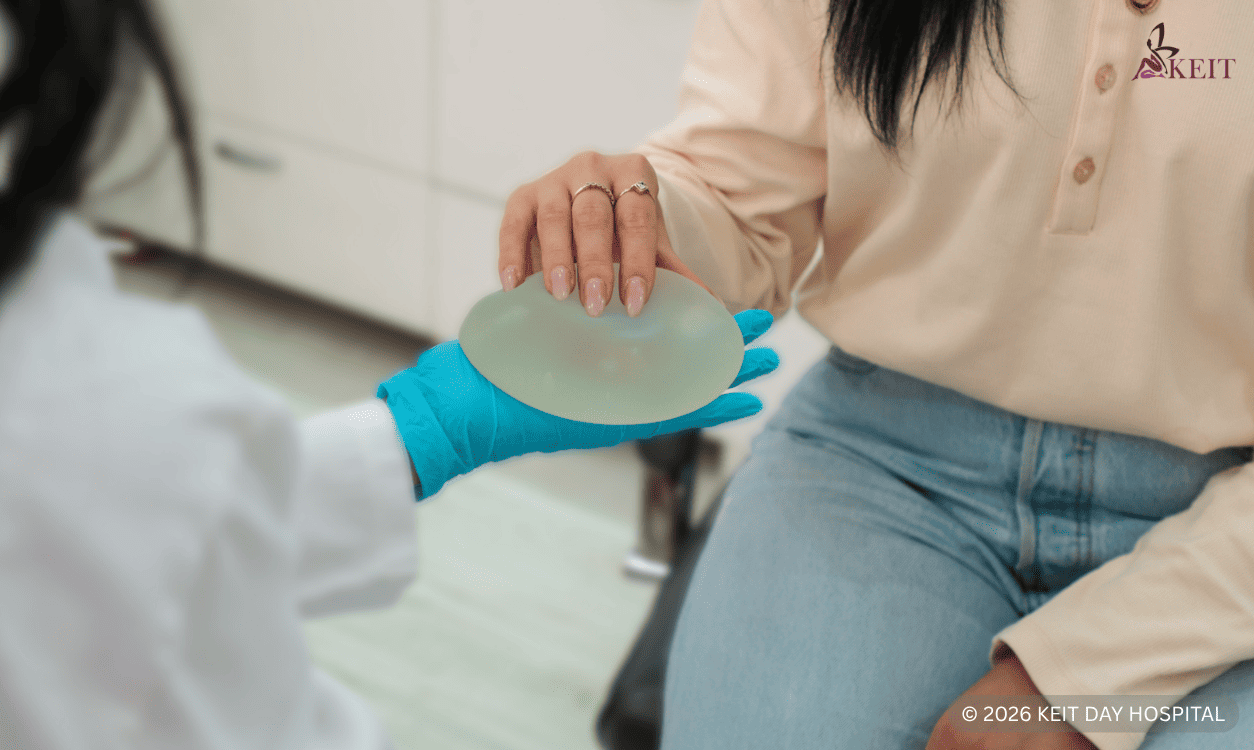
Meta-analyses consistently identify implant surface texture as a relevant modifier of capsular contracture risk. Findings indicate:
- Smooth implants are associated with higher capsular contracture rates compared to textured implants.
- No implant surface demonstrates complete protection, and the relative benefit of texturing appears to decrease with longer follow-up.
These results suggest that implant surface influences risk but does not eliminate the biological processes underlying contracture.
Implant fill and material
Pooled data demonstrate a modest but consistent association between silicone gel implants and higher capsular contracture incidence compared with saline-filled implants. This difference is thought to reflect variations in implant shell behavior, inflammatory response and long-term tissue interaction rather than rupture alone.
Surgical and procedural risk factors
Surgical technique and peri-operative management play a significant role in capsular contracture development. Meta-analyses identify the following factors as clinically relevant:
- Implant placement: Subglandular placement is associated with higher contracture rates compared with submuscular or dual-plane positioning.
- Surgical indication: Reconstructive surgery demonstrates higher contracture incidence than cosmetic augmentation.
- Post-operative hematoma or seroma: Strongly associated with subsequent capsular fibrosis.
- Drain usage: Appropriately selected drain use may reduce contracture risk in higher-risk cases.
These findings emphasize the importance of early healing conditions in long-term capsular outcomes.
Role of bacterial contamination and biofilm formation
Rather than causing acute infection, biofilm is thought to maintain low-grade inflammation, promoting fibroblast activity and progressive capsule thickening. Evidence across meta-analyses indicates:
- A consistent association between biofilm presence and capsular contracture development.
- Lower contracture rates in studies using antibiotic pocket irrigation, suggesting reduced bacterial load may reduce fibrotic risk.
- Reduced incidence in series applying minimal-touch or no-touch insertion, consistent with contamination control principles.
Biofilm does not inevitably lead to contracture, but pooled findings suggest it significantly increases risk, especially when combined with other triggers such as bleeding or radiotherapy.
Patient-related contributors to capsular contracture
Meta-analytical evidence identifies patient factors linked to increased capsular contracture risk, likely by influencing the strength and persistence of the inflammatory–fibrotic response:
- Radiotherapy exposure: Strongly associated with increased capsular fibrosis and contracture, consistent with radiation-induced tissue remodeling and chronic inflammation.
- Smoking: Associated with impaired microcirculation and wound biology, potentially amplifying inflammatory persistence and collagen dysregulation.
- Autoimmune or chronic inflammatory conditions: Linked to immune dysregulation and altered healing behavior in selected populations.
- Individual predisposition to fibrotic healing: Suggested by variability in capsule behavior even with comparable implants and technique.
Prevention strategies supported by current evidence
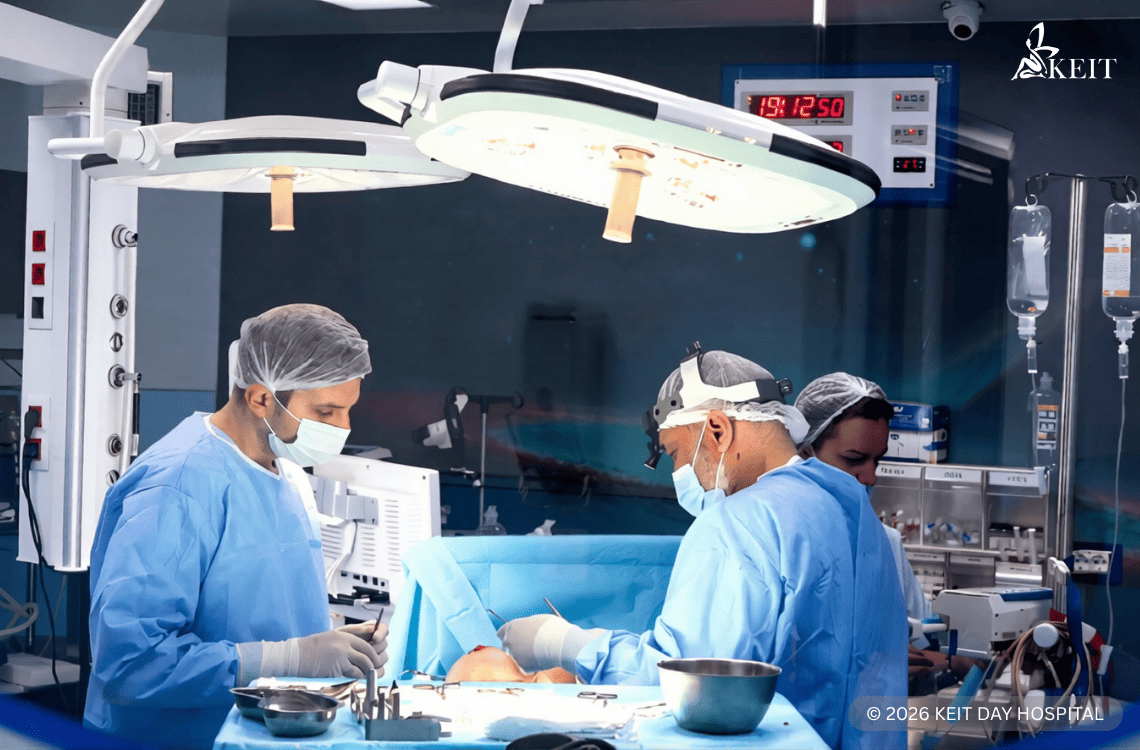
Across reviewed meta-analyses, preventive strategies associated with reduced capsular contracture rates include:
- Submuscular or dual-plane implant placement.
- Strict antibiotic irrigation protocols.
- Minimization of implant handling.
- Meticulous hemostasis to prevent hematoma formation.
- Structured patient selection and risk stratification.
No single intervention is sufficient in isolation; prevention appears to be protocol-dependent and cumulative.
Key predictors of capsular contracture identified across studies
Consistent predictors reported across meta-analyses include:
- Implant surface characteristics and placement plane.
- Bacterial contamination and biofilm formation.
- Post-operative bleeding or fluid accumulation.
- Radiotherapy exposure.
- Individual healing variability.
Capsular contracture is therefore consistently shown to be multifactorial, rarely attributable to a single determinant.
Clinical implications: What the evidence means for practice
- Capsular contracture reflects a biological foreign-body response influenced by contamination risk, tissue environment and patient healing behavior, not technical failure alone.
- Risk reduction is most credible when embedded in standardized protocols, particularly those addressing contamination control and hematoma prevention.
- Implant selection should be interpreted together with placement strategy, surgical indication (augmentation vs reconstruction) and risk context (radiotherapy).
- Patient counseling is strongest when framed around risk mitigation and realistic probability, rather than absolute prevention, especially in high-risk reconstruction settings.
- Current evidence supports a system-based prevention model: structured technique, disciplined intra-operative protocols and individualized risk stratification.
Bibliography: Recent PubMed-indexed meta-analyses considered
- Haas E. Capsular Contracture After Breast Augmentation: A Systematic Review and Meta-Analysis. Aesthet Surg J Open Forum. 2025. PMID: 39989707.
- Wells HJ. Implant Texture and Capsular Contracture: A Review of Cellular and Molecular Pathways. Plast Reconstr Surg Glob Open. 2024. PMID: 38746946.
- Engels E. A Meta-analysis of Breast Implant Irrigation Solutions’ Effect on Infection and Capsular Contracture Frequencies. Ann Plast Surg. 2025. PMID: 40167092.
- Christodoulou N. Capsular Contracture in Breast Reconstruction: A Systematic Review and Meta-Analysis. J Plast Reconstr Aesthet Surg. 2024. PMID: 39244792.
- Li D-D. Advances in Etiology and Prevention of Capsular Contracture After Breast Implantation. Aesthetic Plast Surg. 2025. PMID: 39586860.