Published on:
 Modified on:

 Reading Time: 5 min
 Breast augmentation
Recovery after breast augmentation follows well-defined and progressive phases. Swelling, tightness and temporary discomfort are normal during the first weeks, while breast implants gradually settle through the drop and fluff process. With appropriate aftercare, realistic expectations and structured medical follow-up, recovery is usually smooth and predictable, leading to stable and natural long-term results.
 Table of Contents:
-
1
 Is recovery after breast augmentation painful?
-
2
How to prepare for breast augmentation recovery
-
3
What happens in the first hours, days and weeks after breast augmentation surgery
-
4
Medications, drains and pain management
-
5
Post-surgical bra and sleeping position after breast augmentation
-
6
Implant settling explained: The drop & fluff process
-
7
Scar care, massage and skin management after surgery
-
8
When to contact your surgeon during breast augmentation recovery
-
9
How to support a smooth breast augmentation recovery
This comprehensive guide explains recovery time after breast augmentation, what patients typically experience, the week-by-week healing process and breast implant settling over time. It also covers pain management, essential aftercare measures, warning signs that require attention and ways to actively support a smooth healing recovery journey.
Is recovery after breast augmentation painful?
Recovery after breast augmentation is often perceived as discomfort rather than severe pain, especially when managed correctly. Most patients describe a sensation of tightness, pressure or muscle soreness, particularly during the first days. Discomfort tends to be more noticeable when implants are placed under the muscle or in a dual plane, as the pectoral muscle needs time to relax and adapt. Above-the-muscle placement is usually associated with a faster and less intense recovery.
How to prepare for breast augmentation recovery
Proper preparation before breast augmentation surgery helps reduce stress, discomfort and limitations during the first days of recovery. Before breast enlargement, it is recommended to prepare:
- Comfortable clothing that opens at the front.
- Extra pillows to maintain an inclined sleeping position.
- Prescribed medications already available at home.
- Light meals and adequate hydration.
- A support person available for at least the first 24 hours.
Reducing stress and minimizing physical effort in the immediate post-operative period allows the body to focus on healing and supports more predictable recovery.
Book your FREE
Online Consultation Now

What happens in the first hours, days and weeks after breast augmentation surgery
The post-operative phase is characterized by different physical responses as the body heals and adapts to the implants. Sensations such as swelling, tightness or muscle soreness are expected during this period and evolve gradually as recovery progresses.
- First hours: After surgery, patients typically experience chest tightness, pressure and general fatigue related to anesthesia. Arm movement is limited, a post-surgical bra is applied to stabilize the implants and most patients are discharged the same day under medical supervision.
- First 3–5 days: Swelling and muscular tension peak, especially with submuscular or dual plane placement. Soreness is expected but well controlled with prescribed medication.
Breast augmentation recovery week by week
- Week 1: Discomfort gradually decreases, although swelling remains present. Light daily activities can be resumed with caution, while lifting, stretching and upper-body strain are avoided.
- Weeks 2–3: Mobility improves significantly. Driving and light routines are usually possible, though implants may still appear high and firm as tissues adapt.
- Weeks 4–6: Swelling continues to subside, breast softness increases and light physical activity can be gradually reintroduced, excluding direct chest exercises.
- Weeks 6–12: The breasts feel more natural, residual tension resolves and implants settle closer to their final position as the healing process stabilizes.
Medications, drains and pain management
Post-operative pain management is based on tailored medication protocols designed to control discomfort and reduce inflammation. Analgesics are commonly prescribed and antibiotics may be prescribed according to the surgeon’s post-operative protocol.
In selected cases, temporary drains are placed to prevent fluid accumulation and are usually removed within 24–48 hours. Proper pain control also helps reduce muscle tension, supporting smoother implant settling and more comfortable recovery.
Post-surgical bra and sleeping position after breast augmentation
The post-surgical bra plays a critical role in stabilizing implants while tissues heal. It provides uniform support, limits excessive movement and protects incisions. An ideal post-operative bra should be:
- Wire-free.
- Supportive without excessive compression
- Adjustable to accommodate swelling reduction.
- Breathable and comfortable for continuous wear.
Sleeping on the back with the upper body slightly elevated is recommended during the first weeks. Side sleeping should be avoided initially, as it may apply uneven pressure on the implants.
Implant settling explained: The drop & fluff process
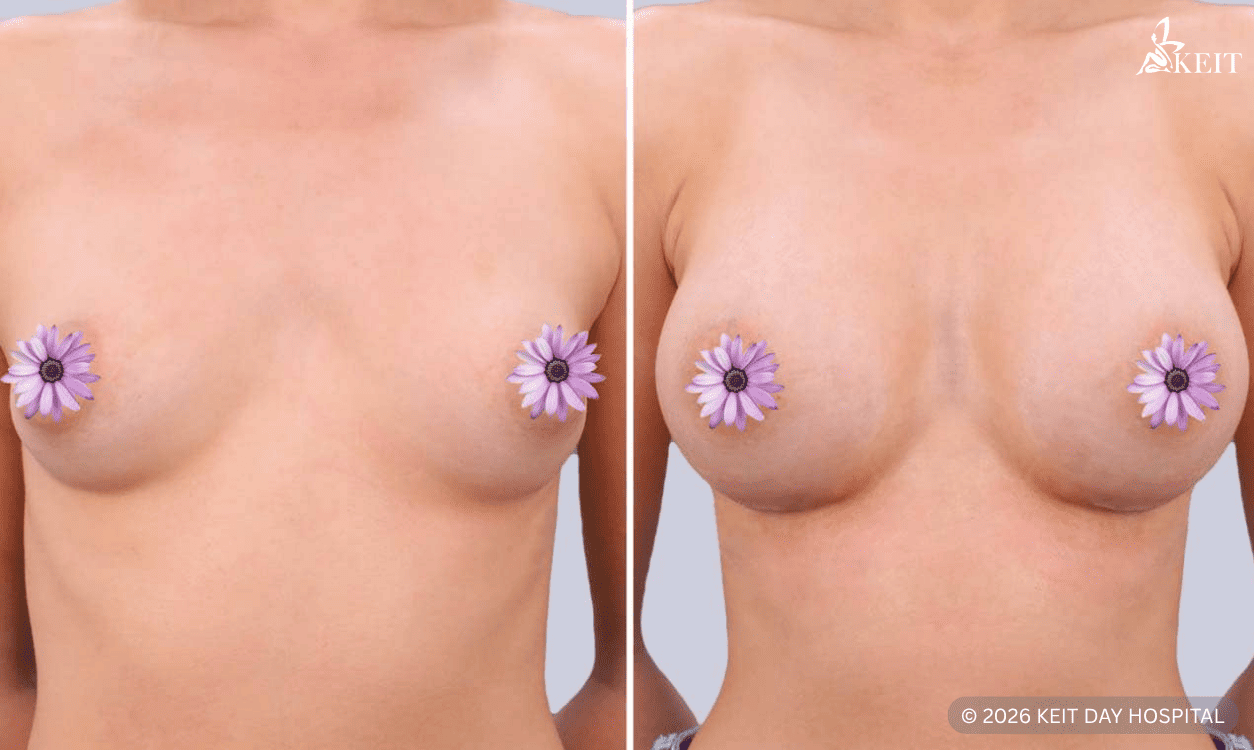
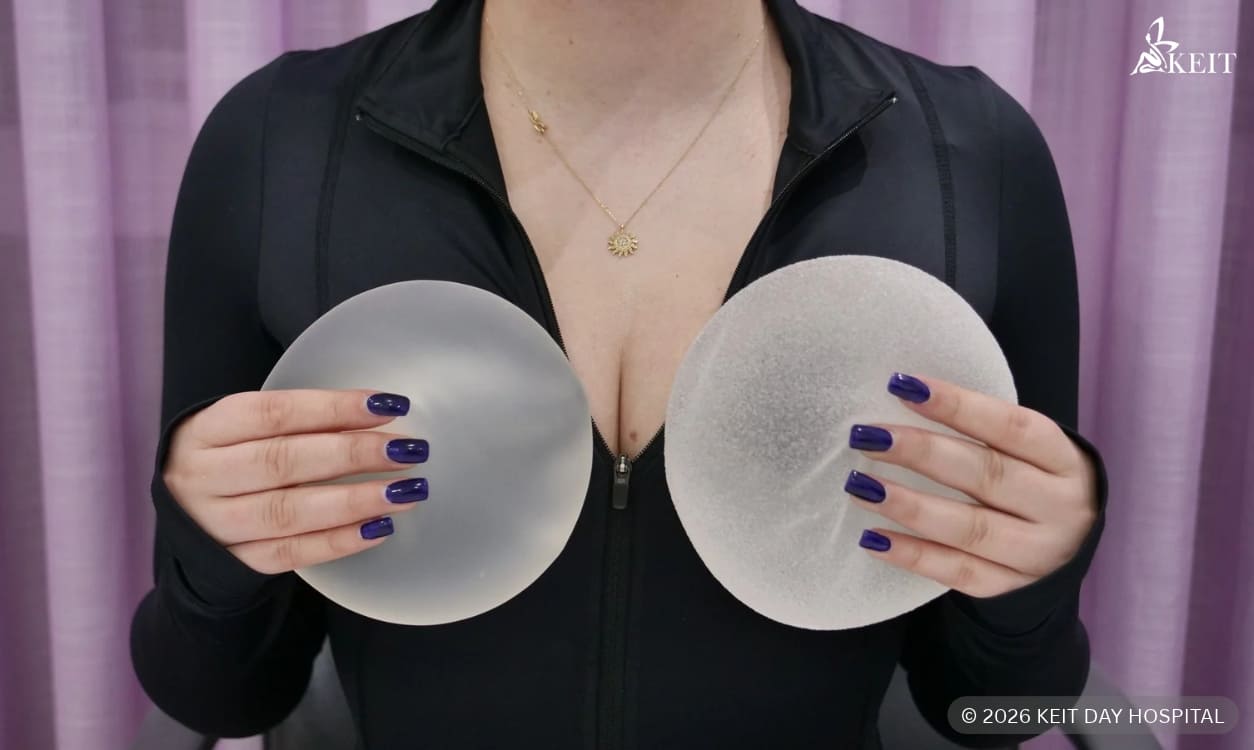
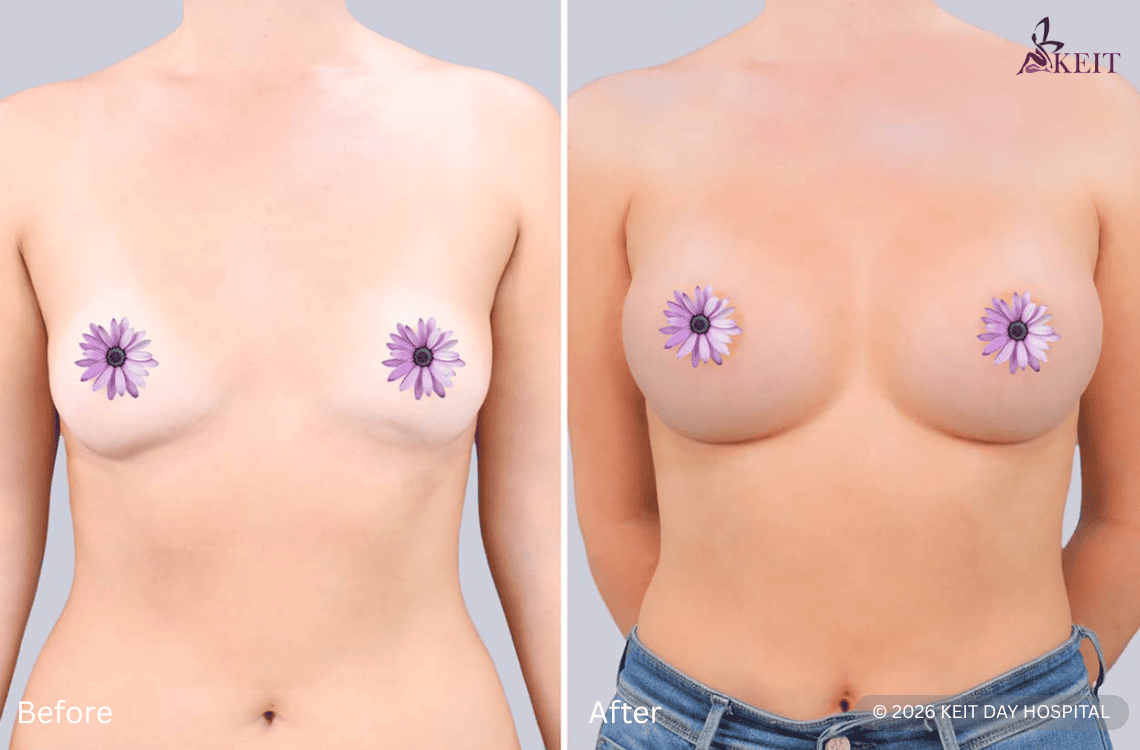
Many patients worry when implants initially appear high, firm or unnatural. This is a normal phase of recovery known as drop and fluff. As swelling decreases and muscles relax, implants gradually descend (“drop”) and soften (“fluff”). This process typically occurs between 6 and 12 weeks, though it may take longer in submuscular placements.The pace of settling depends on surgical technique, implant placement and individual tissue characteristics. The final breast shape becomes progressively more natural over time.
Scar care, massage and skin management after surgery
Scar healing follows a natural maturation process. Silicone gels or sheets are commonly recommended to keep scars soft and reduce visibility. Sun protection is essential to prevent pigmentation changes. Massage is not required in all cases and should only be performed if recommended by the surgeon. Timing matters, as premature massage may irritate healing tissues rather than help them.
When to contact your surgeon during breast augmentation recovery
While most recovery symptoms are normal, certain cases require prompt medical evaluation.
- Persistent or worsening discomfort instead of the expected gradual improvement over time.
- Sudden swelling or noticeable asymmetry that was not present previously.
- Elevated temperature or general signs of inflammation, such as increasing redness or warmth.
- Progressive breast firmness that does not soften as healing advances.
- Changes in breast shape that worsen rather than stabilize during recovery.
More serious concerns
In rare cases, excessive scar tissue may affect implant softness over time. This is typically identified through follow-up visits and changes in breast firmness during healing. A detailed explanation of capsular contracture, including causes and long-term management, is covered separately in our breast augmentation risks guide.
How to support a smooth breast augmentation recovery
Recovery outcomes depend largely on patient cooperation after surgery, rather than surgical technique or implant selection.
- Following all post-operative guidelines.
- Wearing the recommended post-surgical bra.
- Attending scheduled follow-up visits.
- Avoiding heavy lifting and strenuous activity early.
- Respecting recovery timelines.
Consistent aftercare and supervision help ensure stable, long-lasting results.