Published on:
 Modified on:

 Reading Time: 5 min
 Breast augmentation
Breast implant illness (BII) refers to a collection of symptoms, including fatigue, joint pain, brain fog and headaches that some individuals experience after breast augmentation. Although not yet an officially recognized medical diagnosis, research suggests these symptoms may result from an inflammatory or autoimmune response to the breast implants. Diagnosis focuses on ruling out other causes and many patients notice improvement after implant removal.
 Table of Contents:
-
1
 What is breast implant illness (BII)?
-
2
What causes breast implant illness?
-
3
How common is breast implant illness?
-
4
Most common symptoms of breast implant illness
-
5
Breast implant illness test and diagnosis: How it’s evaluated
-
6
Treatment for breast implant illness
-
7
Breast implant illness before and after: Recovery after implant removal
-
8
How much does breast implant removal for BII cost in the UK?
In this article, we’ll explain what breast implant illness (BII) is, explore its possible causes, how common it is and the rare implant-related risks sometimes associated with breast augmentation. You’ll also discover the most common symptoms of your body rejecting breast implants, how the condition is diagnosed and treated, what recovery after implant removal involves and the average removal cost in the UK, helping you make an informed, confident decision.
What is breast implant illness (BII)?
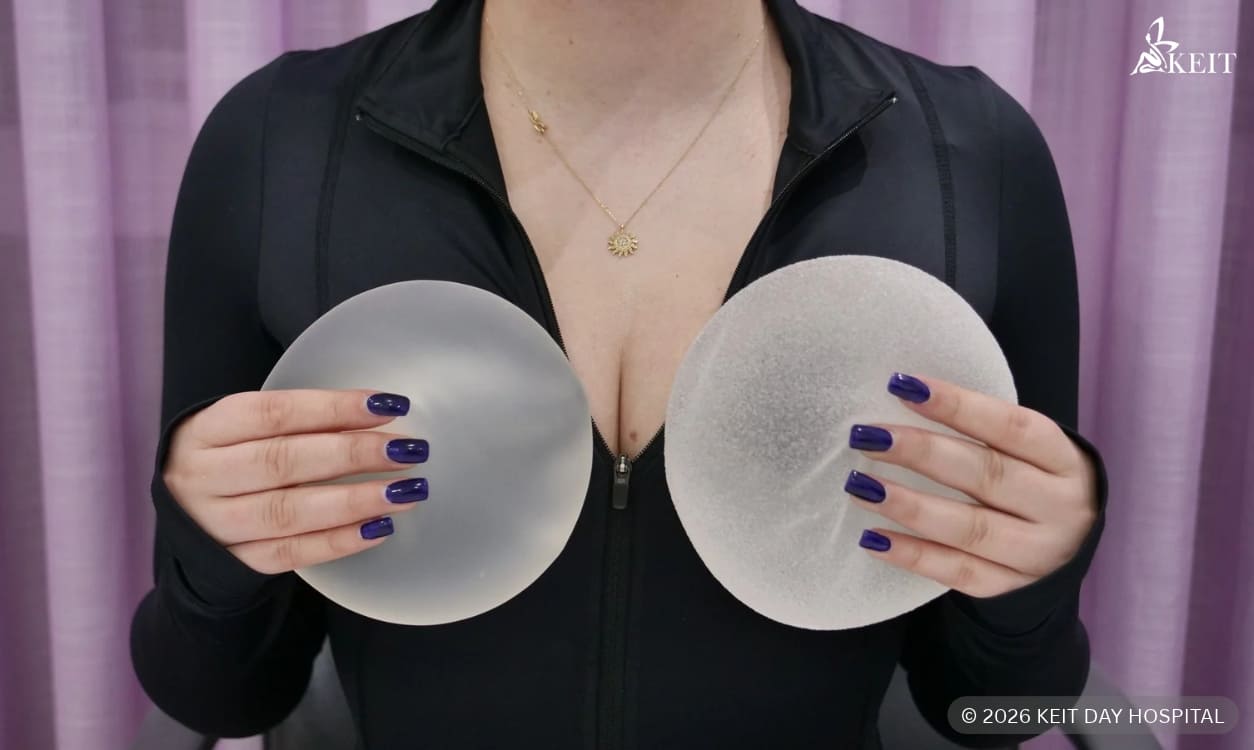
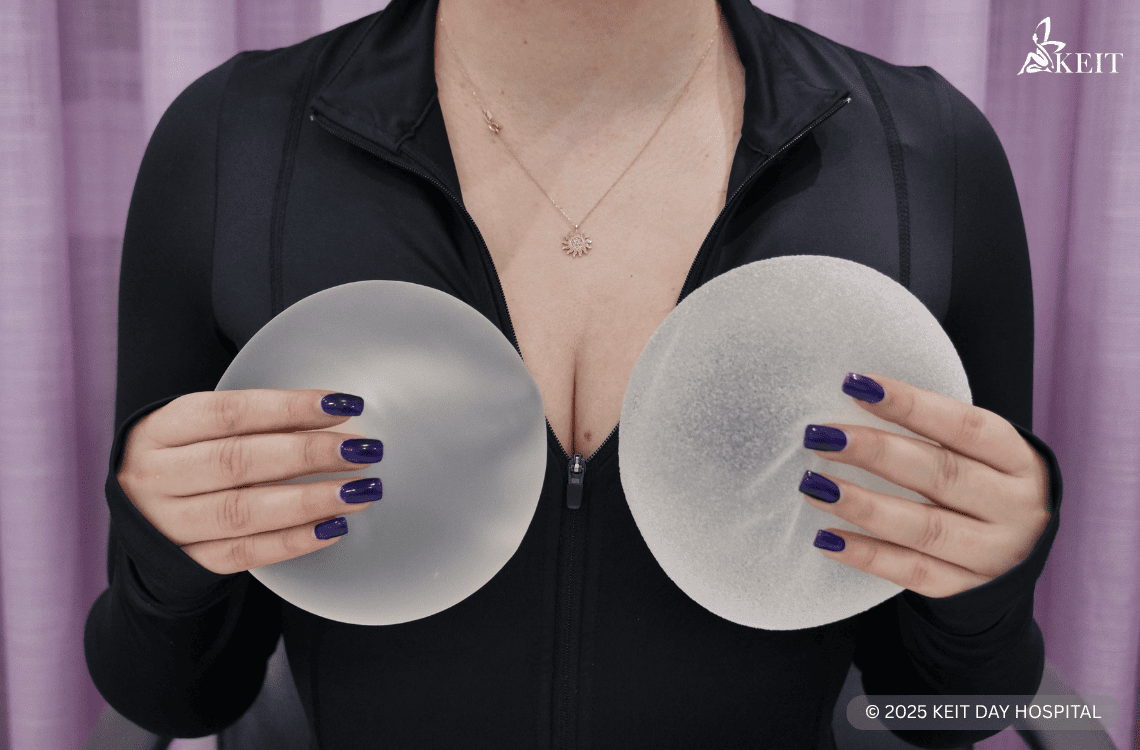
Breast implant illness (BII), also known as breast augmentation illness, describes a range of symptoms that may appear after receiving silicone or saline breast implants. Although not officially recognized as a distinct disease, it has gained attention due to reports of patients improving once their implants are removed. Medical experts believe BII may involve the body’s immune or inflammatory reaction to certain implant materials. Symptoms can develop months or even years after surgery, ranging from mild fatigue to more complex systemic effects.
What causes breast implant illness?
The exact cause of breast implant illness remains unclear, but several biological mechanisms have been identified:
- Immune sensitivity to implant materials: Some individuals develop an immune or autoimmune-like response to silicone or chemical compounds in the implants, leading to persistent inflammation.
- Bacterial biofilm formation: A low-grade bacterial layer can form on the implant surface, constantly activating the immune system and causing fatigue or systemic reactions.
- Silicone particle migration: Tiny silicone particles may migrate into nearby tissue, provoking irritation or inflammation.
- Inflammatory predisposition: Patients with autoimmune tendencies may react more strongly to foreign materials introduced into the body.
These mechanisms may act alone or together, explaining the wide range of symptoms and timeframes observed among patients.
How common is breast implant illness?
While not every patient with breast implants experiences symptoms, awareness of BII has grown significantly. Clinical data suggest that 1–10% of women with breast implants report persistent or systemic symptoms consistent with BII. Rates vary depending on implant type, surface texture and individual immune responses. Although relatively uncommon, the impact on quality of life can be substantial, which is why surgeons now include BII in their post-operative discussions and assessments.

Rare implant-related risks: BIA-ALCL and BIA-SCC
Beyond mechanical and systemic complications, rare malignancies have been identified in association with breast implants.
- Breast implant-associated anaplastic large cell lymphoma (BIA-ALCL) occurs mainly in patients with textured implants, with an estimated incidence of 1 in 3,000–14,000.
- Breast implant-associated squamous cell carcinoma (BIA-SCC) is even rarer, reported only in isolated cases worldwide.
For more medically-reviewed information on breast implant safety and risk factors, visit the American Society of Plastic Surgeons (ASPS) Breast Implant Safety page.
Can a ruptured breast implant kill you?
A ruptured breast implant is not life-threatening, but it should never be ignored. Silicone leakage can cause inflammation, capsular contracture, chronic pain and progressive hardening of the breast. Because many ruptures are silent and continue to irritate tissue without symptoms, prompt medical evaluation is essential to confirm the rupture, assess silicone spread and determine whether removal or replacement is needed to protect long-term breast health.
Most common symptoms of breast implant illness
The breast implant illness symptoms can affect multiple systems and often overlap with other medical conditions. The following breast implant illness symptoms list includes the most commonly reported issues:
- Systemic and neurological symptoms: fatigue, brain fog, headaches, dizziness, joint or muscle pain and difficulty concentrating.
- Skin-related symptoms: rashes, redness, itching, or unexplained hives.
- Hormonal and metabolic symptoms: hair thinning, dry skin, thyroid imbalance, weight fluctuations, or temperature sensitivity.
- Psychological symptoms: anxiety, insomnia, mood changes, or depression.
Since many symptoms, including symptoms of silicone poisoning, can stem from other health issues, proper medical evaluation is crucial before attributing them to breast implants.
Breast implant illness test and diagnosis: How it’s evaluated
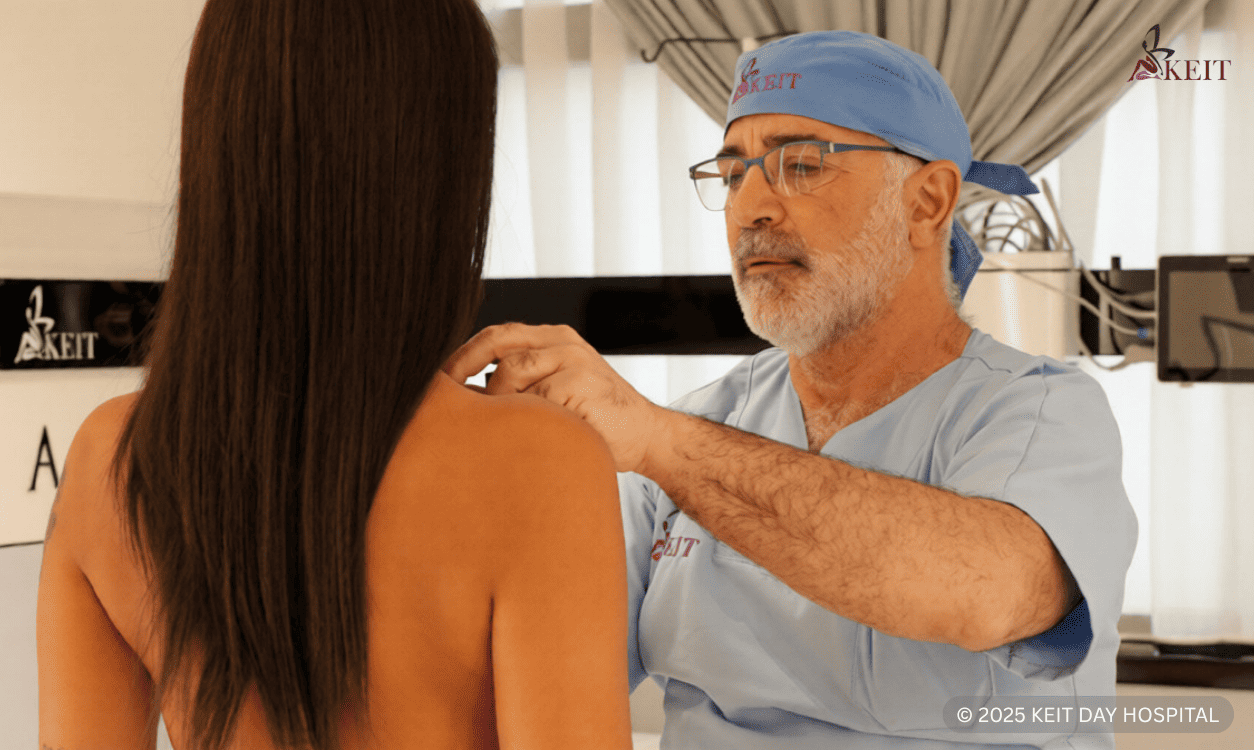
There is no single test that confirms BII. Diagnosis typically involves a detailed medical history, physical examination and laboratory or imaging studies to rule out other causes. Blood tests may assess inflammation or autoimmune markers, while ultrasound or MRI can detect rupture or leakage. In some cases, allergy or sensitivity testing may be considered. Often, the clearest confirmation comes when symptoms improve following implant removal.
Treatment for breast implant illness
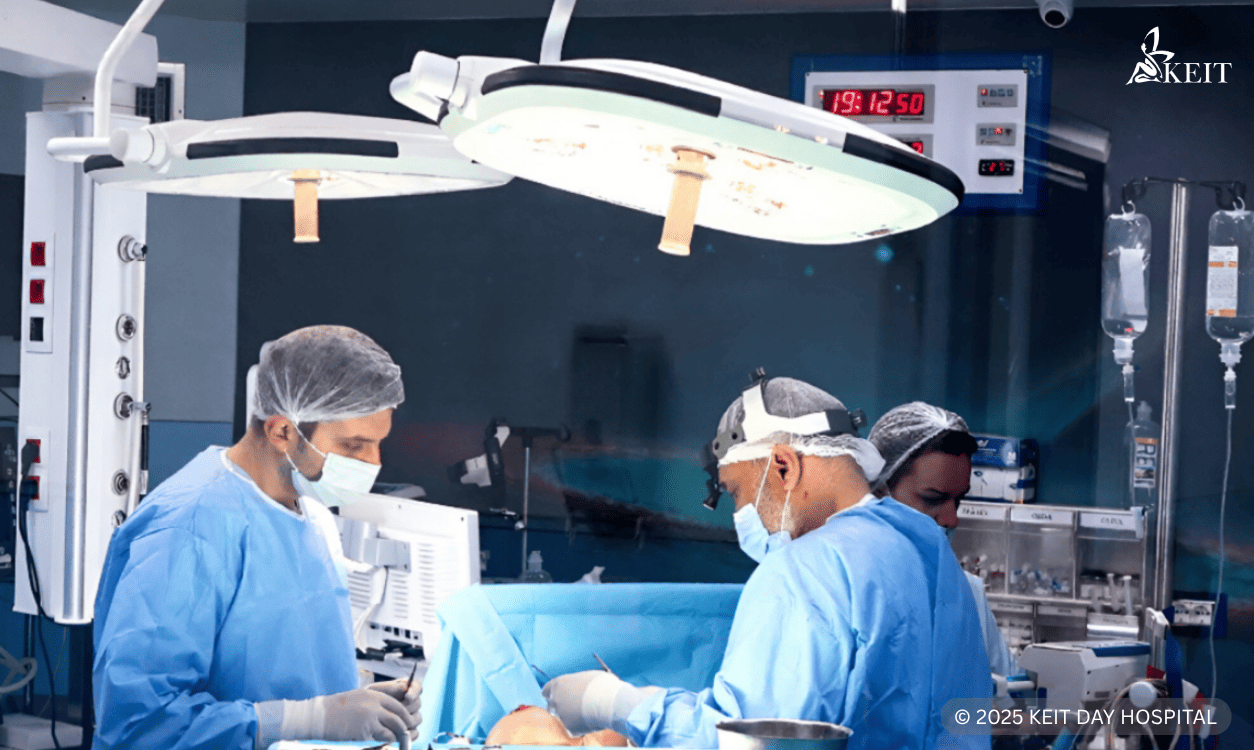
The primary treatment for breast implant illness is explant surgery, also known as implant removal. In most cases, surgeons perform an en bloc capsulectomy or total capsulectomy, removing the implant together with the entire surrounding capsule to reduce inflammation and eliminate potential irritants. This technique allows complete removal of silicone debris, biofilm or capsular tissue that may contribute to systemic symptoms. Depending on the patient’s anatomy, the procedure may also include reshaping the breast or lifting the tissue to restore a natural contour after implant removal.
Breast implant illness before and after: Recovery after implant removal
Recovery timelines vary but are usually straightforward. Mild swelling and tightness may occur during the first week, with light activities resuming after two to three weeks. By three to six months, scars soften and the body fully adjusts. Scars are discreetly placed in natural folds and fade over time. Within six to nine months, most patients report significant physical and emotional improvement, including restored energy and comfort.
How much does breast implant removal for BII cost in the UK?
In the UK, breast implant removal surgery typically costs between 5,000 and 8,000 euro, depending on the complexity of the case, the surgeon’s expertise and clinic’s location. In major cities such as London, costs can reach 9,000 euro, especially for en bloc capsulectomy or combined revision procedures. This usually includes surgical and anesthesia fees, use of the operating theatre, compression garments and follow-up appointments, though details may vary between clinics.