Published on:

 Reading Time: 4 min

 Breast augmentation
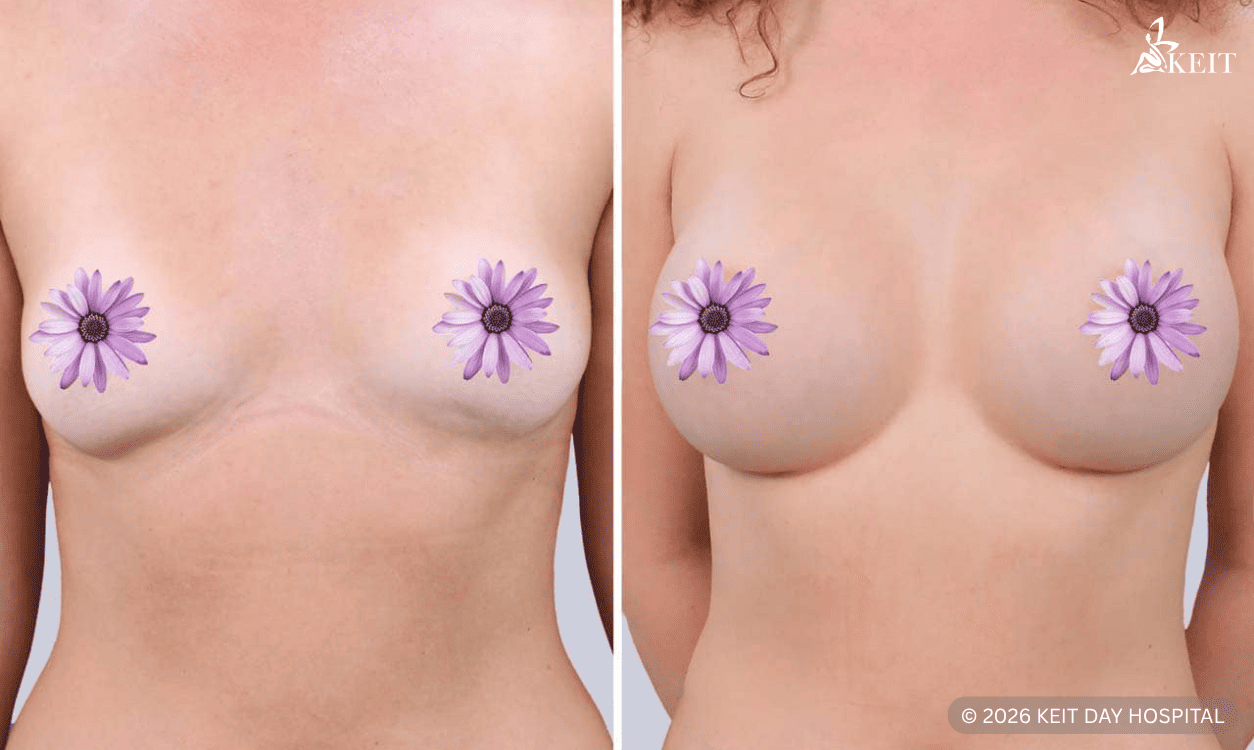
Breast implant replacement is a surgical procedure that removes existing breast implants and replaces them with new implants when changes are needed for medical, aesthetic, or personal reasons. The procedure may be performed to address implant ageing, complications, changes in breast appearance, or a patient’s preference for a different implant size or shape.
 Table of Contents:
-
1
 What is breast implant replacement?
-
2
Why do patients replace breast implants?
-
3
Breast implant removal vs replacement: what is the difference?
-
4
How is breast implant replacement surgery performed?
-
5
Do you need a breast lift after implant replacement?
-
6
Breast implant replacement before and after: recovery timeline
-
7
Risks and complications of breast implant replacement
-
8
How much does breast implant replacement cost?
In this article, we explain what breast implant replacement involves, why patients choose to replace their implants, and the difference between implant removal and replacement. We also cover how the surgery is performed, when a breast lift may be required, recovery expectations, possible risks, and the factors that influence breast implant replacement cost.
What is breast implant replacement?
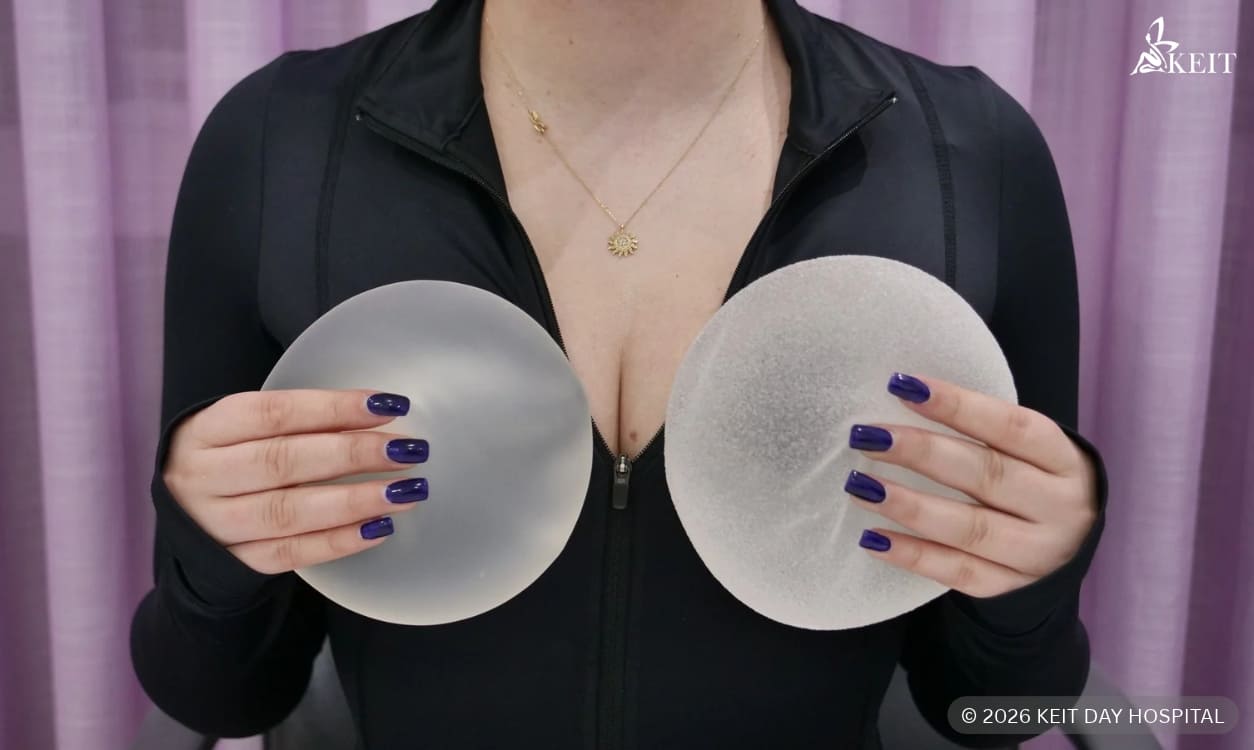
Breast implant replacement is a surgical procedure that removes existing breast implants and replaces them with new implants when a change in breast volume, shape, or implant condition is required. The procedure, also known as breast implant exchange or breast reaugmentation, may be performed to replace older implants, correct implant-related concerns, or achieve a different aesthetic result.
Why do patients replace breast implants?
Patients replace breast implants due to medical complications, changes in breast appearance, or personal preferences regarding their breast size and shape. Common reasons include:
- Implant rupture or damage: A damaged implant may require removal and replacement.
- Capsular contracture: Excessive scar tissue formation around the implant can cause firmness, pain, or changes in breast shape.
- Pain or infection: Persistent pain, discomfort, or infection around the implant may require assessment, treatment, and possible implant removal or replacement.
- Changes in breast appearance: Ageing, pregnancy, weight changes, or tissue stretching can alter breast shape over time.
- Desire for a different implant size or shape: Some patients choose replacement to increase, reduce, or modify breast volume.
Breast implants do not always need to be replaced after a specific period. The decision depends on implant condition, symptoms, breast changes, and individual goals.
Breast implant removal vs replacement: what is the difference?
The main difference is that breast implant removal eliminates existing implants, while breast implant replacement removes old implants and inserts new ones to maintain or change breast volume.
- Breast implant removal (explant surgery) may be chosen by patients who no longer want implants, experience implant-related concerns, or prefer a natural breast appearance. A breast lift may sometimes be recommended after removal.
- Breast implant replacement is chosen when patients want to continue having implants but need to address issues such as rupture, capsular contracture, changes in breast shape, or a desire for different implants.
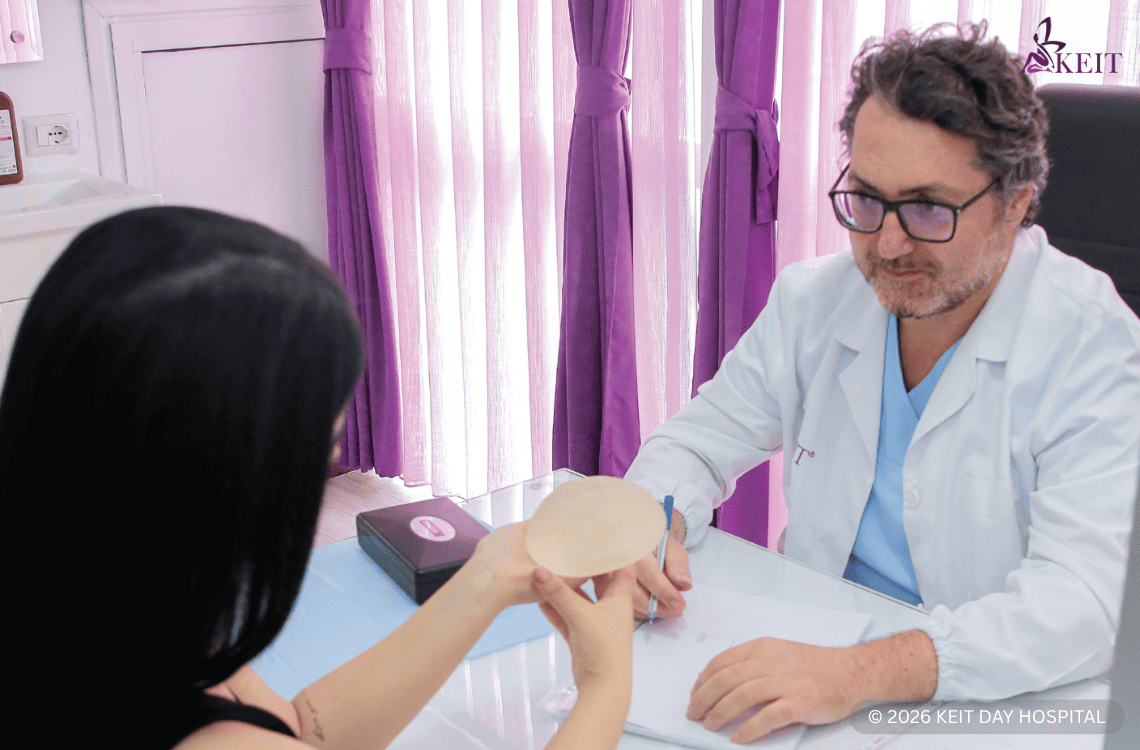
How is breast implant replacement surgery performed?
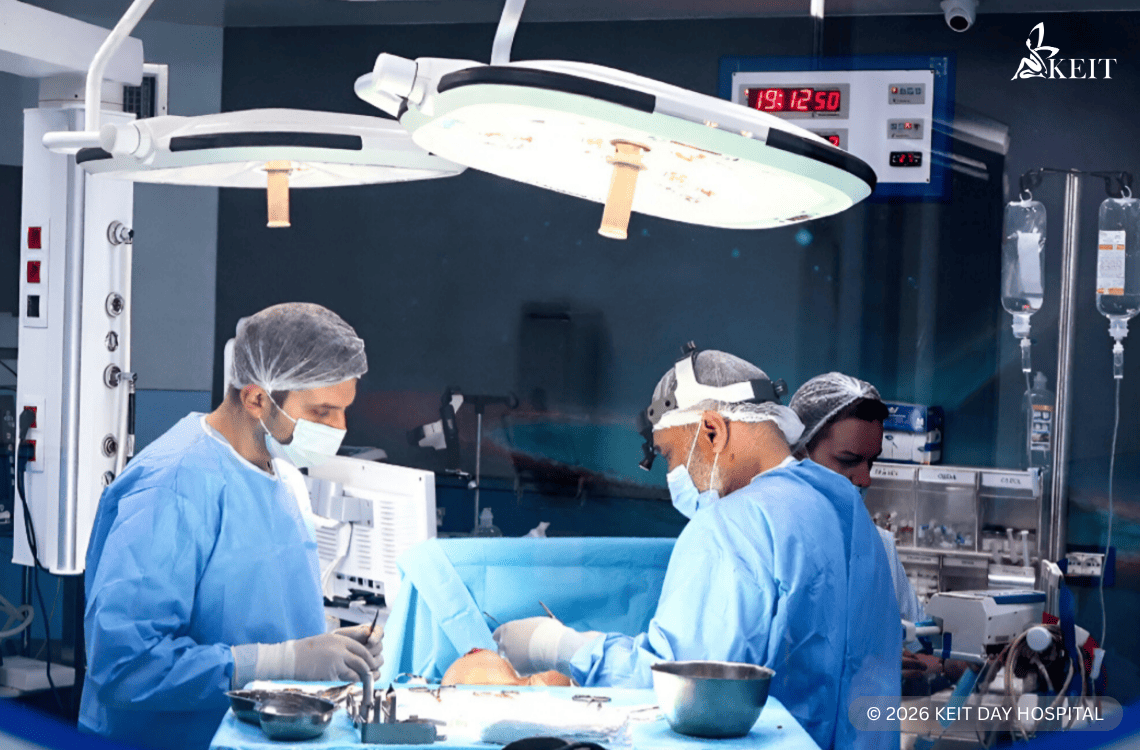
Breast implant replacement is performed under general anaesthesia and usually takes around 1–3 hours, depending on the complexity of the procedure. The surgeon removes the existing implants through the previous incision when possible, assesses the surrounding capsule tissue, and places new implants according to the planned size, shape, and desired outcome. If required, additional procedures such as capsulectomy or a breast lift may be performed to improve the final result.
Do you need a breast lift after implant replacement?
A breast lift may be recommended after implant replacement when excess skin, breast sagging, or changes in nipple position affect the breast shape. A breast implant replacement alone may be sufficient when the breast tissue maintains good elasticity and shape. A breast lift may be added when:
- The breasts have dropped over time.
- There is loose or stretched skin after implant removal.
- The nipple position needs correction.
- Additional reshaping or improved breast contour is desired.
Breast implant replacement before and after: recovery timeline
Breast implant replacement recovery takes several weeks, with most swelling improving within the first few months and final results becoming visible within 6–12 months.
- First days: Swelling, bruising, and discomfort are common. Pain medication and supportive garments are used to improve comfort during recovery.
- First weeks: Daily activities can gradually resume, but strenuous exercise and heavy lifting should be avoided.
- First months: Swelling continues to improve, and the implants settle into their final position as the breast shape becomes more natural.
- 6–12 months: Final results become clearer as the tissues fully heal and the breasts achieve their final appearance.

Risks and complications of breast implant replacement
Breast implant replacement is generally safe when performed by experienced surgeons, but like any surgery, it carries potential risks and complications.
- Capsular contracture: Scar tissue around the implant can harden, causing firmness, discomfort, or changes in breast shape.
- Implant rupture: Damage to the implant may occur over time and require further treatment.
- Infection or healing problems: Surgical site infection or delayed wound healing can affect recovery.
- Changes in sensation: Temporary or permanent changes in breast or nipple sensitivity may occur.
- Asymmetry: Differences in healing or breast tissue response may affect symmetry.
- Revision surgery: Additional surgery may sometimes be needed to address complications or refine results.
How much does breast implant replacement cost?
Breast implant replacement in the UK typically costs between 6,000 and 12,000 euro, with the final price depending on the complexity of the surgery and the procedures required. Factors influencing the cost include the type of implants used, the need for capsulectomy, whether a breast lift is performed, surgeon expertise, clinic facilities, anaesthesia, and post-operative care.