Published on:

 Reading Time: 6 min

 Breast augmentation
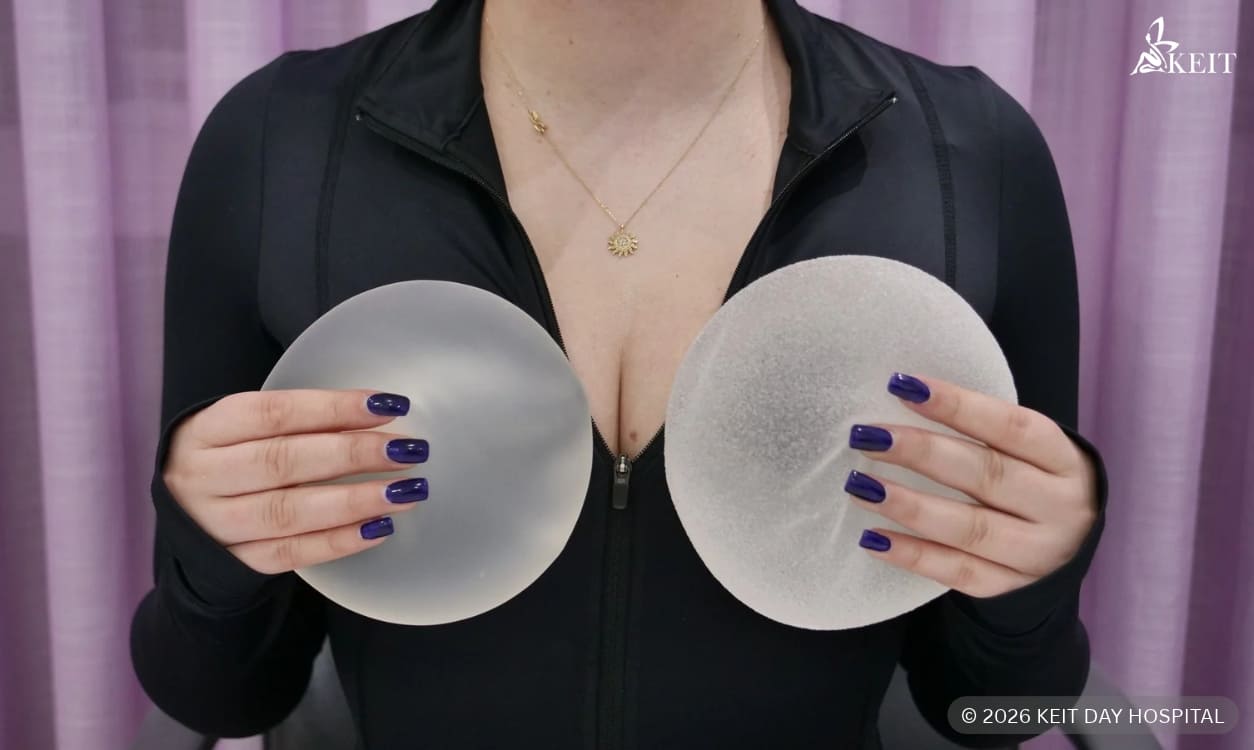
Breast implant removal is a surgical procedure that removes existing breast implants, with or without replacing them. It may also be combined with capsulectomy or a breast uplift to improve breast shape, relieve implant-related complications, or achieve the patient's desired result.
 Table of Contents:
-
1
 What is breast implant removal?
-
2
Why do patients choose to remove breast implants?
-
3
Breast implant removal vs breast implant replacement: which option is suitable?
-
4
Breast implant removal and uplift: when is a breast lift needed?
-
5
Breast implant removal surgery: how is explant surgery performed?
-
6
Breast implant removal recovery: healing timeline and aftercare
-
7
Breast implant removal before and after: what results can you realistically expect?
-
8
Breast implant removal risks and side effects
-
9
Breast implant removal cost in the UK: what influences the final price?
In this article, we explain what breast implant removal involves, why patients choose explant surgery, and how it compares with breast implant replacement. We also cover breast implant removal with uplift, how the surgery is performed, when capsulectomy is needed, recovery, before and after results, risks, side effects, and cost in the UK.
What is breast implant removal?
Breast implant removal, also known as explant surgery, is a surgical procedure that removes existing breast implants from the breast pocket. Depending on the patient’s condition, the surgery may involve removing the implant alone or removing the implant together with part or all of the surrounding capsule, which is the scar tissue that naturally forms around an implant.
Why do patients choose to remove breast implants?
Patients choose breast implant removal for medical, aesthetic, or personal reasons. Common reasons for explant surgery include:
- Implant age: implants may need review, removal, or replacement as they get older.
- Capsular contracture: the capsule around the implant can tighten, causing firmness, distortion, or discomfort.
- Implant rupture: a damaged saline or silicone implant may need to be removed.
- Aesthetic changes: some patients prefer a smaller, lighter, or more natural breast shape.
- Breast shape changes: pregnancy, weight changes, and ageing can affect how augmented breasts look.
- Safety concerns: some patients choose explant surgery because of symptoms they believe may be related to their implants.
Breast implant removal vs breast implant replacement: which option is suitable?
Choosing between breast implant removal and breast implant replacement depends on the condition of the implants, the patient’s aesthetic goals, and whether there are complications such as implant rupture or capsular contracture.
Breast implant removal: the existing implants are taken out without placing new implants. This may suit patients who want to remain implant-free or prefer a smaller, lighter breast shape.
Breast implant replacement: the existing implants are removed and replaced with new implants. This may suit patients who want to maintain breast volume, change implant size, or treat implant rupture or ageing.

Breast implant removal and uplift: when is a breast lift needed?
Breast implant removal and uplift may be recommended when the breasts are expected to look loose, flat, or low after the implants are removed. A breast lift may be needed when there is:
- Skin elasticity: the skin has stretched around the implant and may not tighten enough after removal.
- Nipple position: the nipple sits low on the breast or points downward.
- Reduced breast support: the breast tissue may lack shape once implant volume is removed.
- Large or long-standing implants: larger implants can stretch the skin and soft tissues over time.
- Pregnancy or weight-related changes: the breast skin and tissue may already be lax before implant removal.
Breast implant removal surgery: how is explant surgery performed?
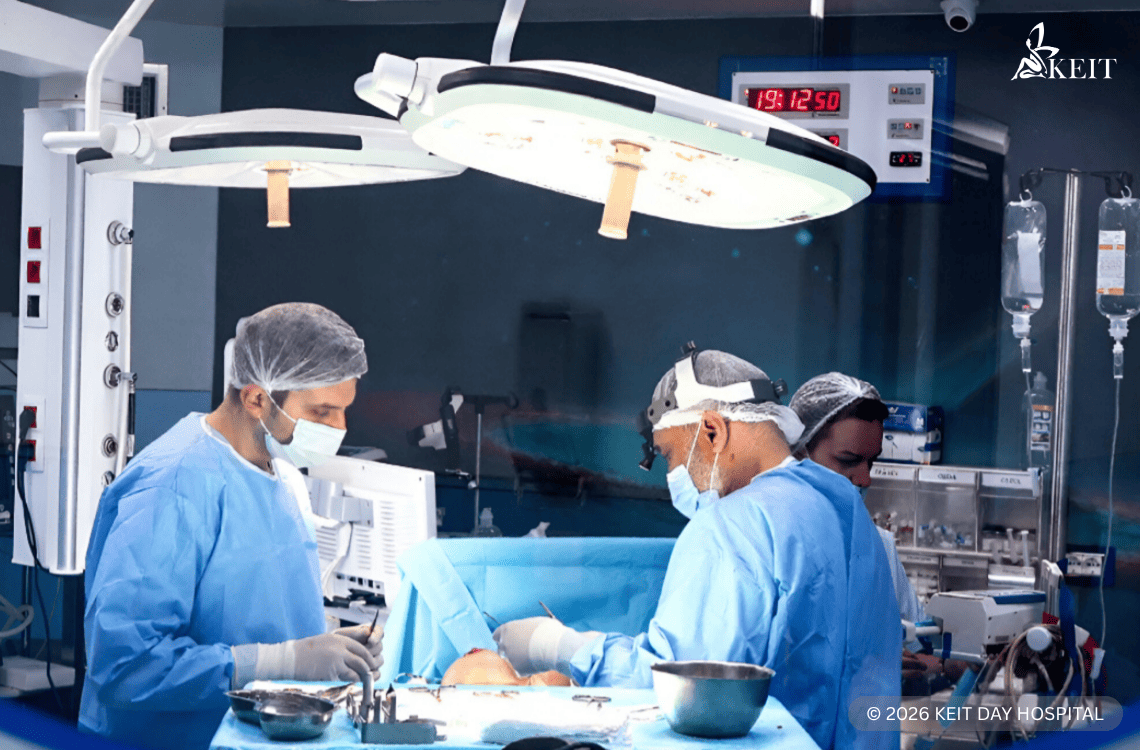
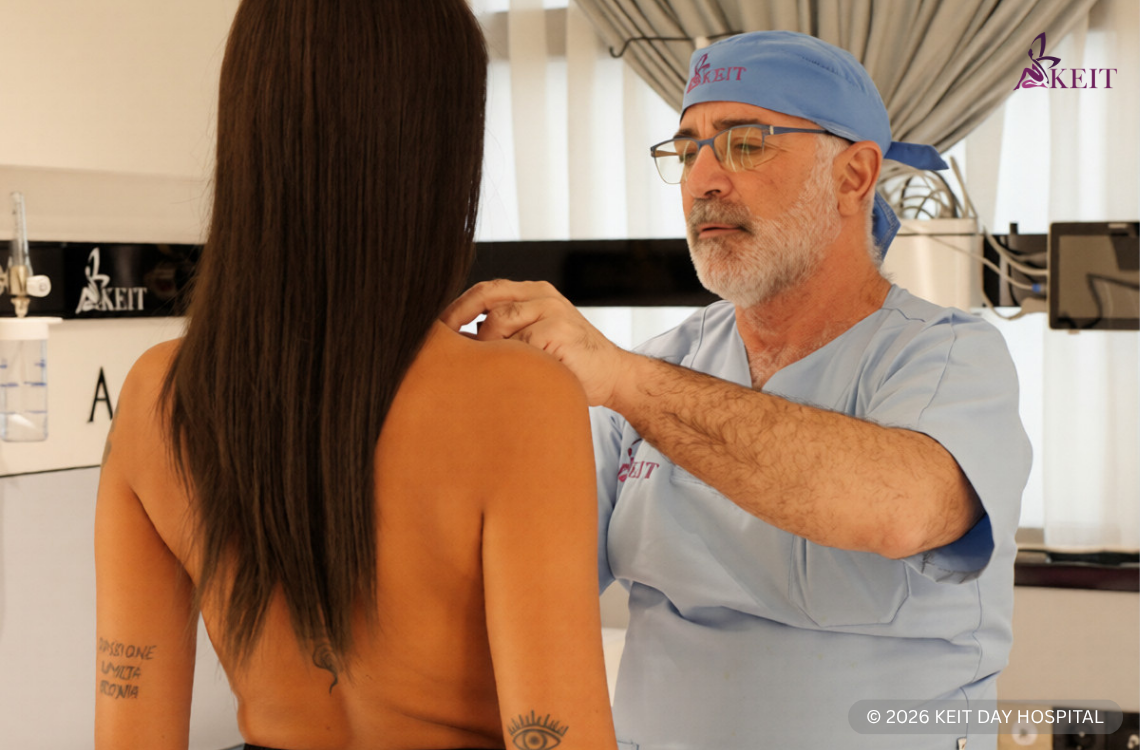
Breast implant removal surgery is performed under general anaesthesia and usually takes 1–3 hours, depending on the complexity of the procedure. The surgeon works through the existing incision, opens the breast pocket, and removes the implant. If clinically indicated, part or all of the capsule surrounding the implant may also be removed. The pocket is then checked, bleeding is controlled, and the incision is closed with sutures. Drains may be used in selected cases.
If replacement is planned, new implants are placed during the same operation. If an uplift is needed, excess skin is removed and the breast is reshaped before closure.
Capsulectomy during breast implant removal: when is it needed?
Capsulectomy is the removal of scar tissue that naturally forms around a breast implant. It may be needed when the capsule is thickened, calcified, painful, contracted, ruptured implant material is present, or there is another clinical concern. Not every breast implant removal requires a full capsulectomy. Removing the entire capsule can make surgery more complex, so the decision should be based on implant condition, capsule quality, symptoms, and surgical safety.
Breast implant removal recovery: healing timeline and aftercare
Breast implant removal recovery follows a gradual healing process as swelling resolves and the breast tissues settle.
- Days 1–3: Swelling, bruising, tightness, and discomfort are most noticeable. A supportive surgical bra is worn to support healing.
- Days 4–7: Discomfort continues to improve, and light daily activities can often be resumed.
- Weeks 2–4: Swelling continues to subside, bruising resolves, and the breasts begin to settle into their new shape.
- Weeks 4–6: Activity is gradually increased, depending on healing and surgeon guidance.
- Months 3–6: The breasts continue to soften, scars mature, and the final breast shape becomes more defined.
Aftercare includes wearing a supportive surgical bra, avoiding heavy lifting, keeping incisions clean and dry, taking prescribed medication, and attending follow-up appointments.
Breast implant removal before and after: what results can you realistically expect?
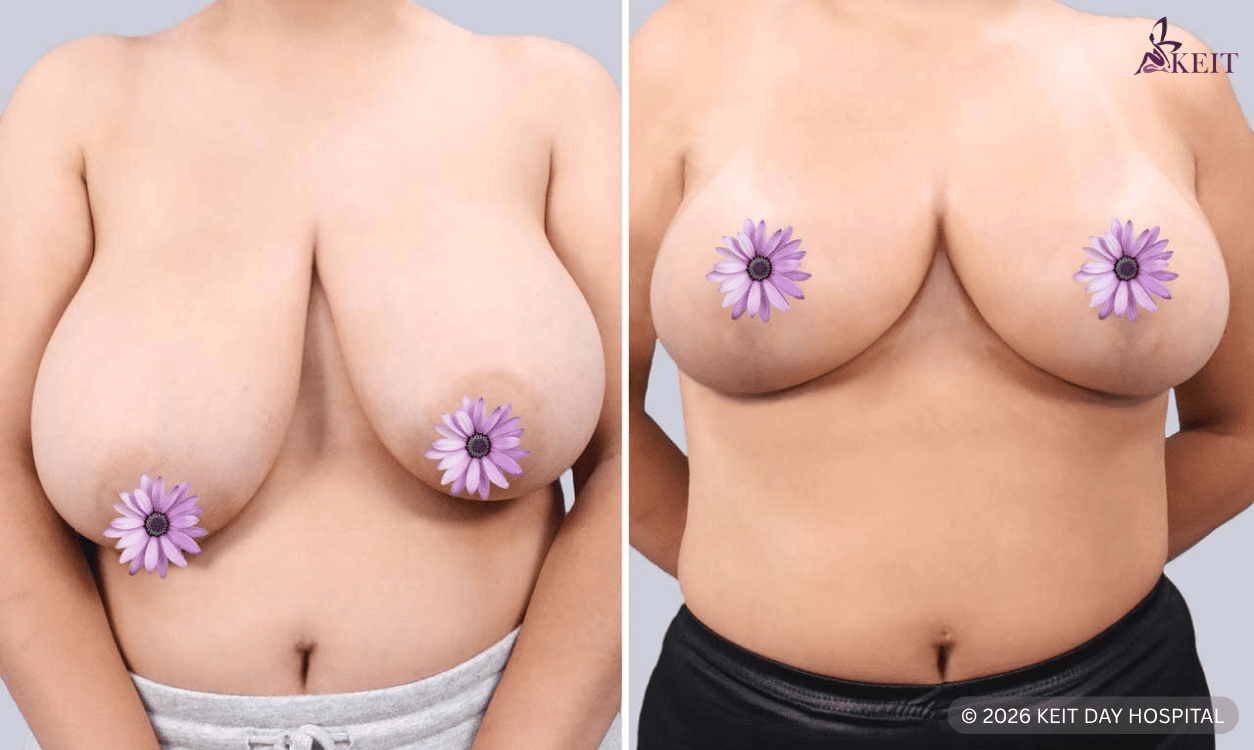
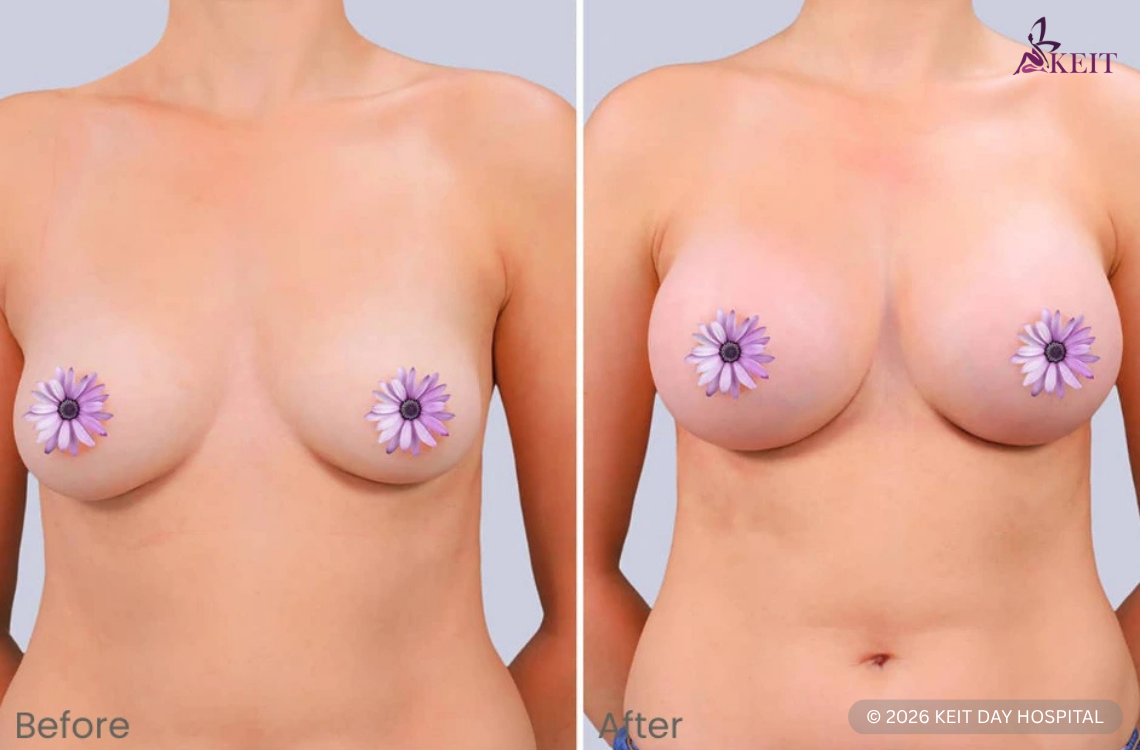
Breast implant removal before and after results depend on implant size, skin elasticity, natural breast tissue, and whether a breast uplift is performed. After implant removal, the breasts are smaller and may appear flatter, softer, or less full than before. Patients with stretched skin or low nipple position often achieve a better breast shape when implant removal is combined with a breast uplift.
Breast implant removal risks and side effects
Breast implant removal is generally safe when performed by an experienced surgeon, but like any surgical procedure, it carries potential risks and temporary side effects, including:
- Swelling and bruising: expected during the early stages of recovery.
- Bleeding or haematoma: blood collecting around the surgical site may require drainage or further treatment.
- Seroma: fluid can accumulate in the breast pocket after implant or capsule removal.
- Infection: may require antibiotic treatment or, in some cases, further surgery.
- Scarring: scars gradually soften and fade, although their final appearance varies between patients.
- Changes in breast or nipple sensation: temporary or permanent changes in sensation can occur.
- Asymmetry: differences in breast shape, size, or nipple position may become more noticeable after implant removal.
- Loose skin or reduced breast volume: more common after removal of large or long-standing implants.
- Revision surgery: further surgery may be required to improve breast shape, treat complications, or achieve the desired result.
Breast implant removal cost in the UK: what influences the final price?
Breast implant removal in the UK typically costs between 4,500 and 8,500 euro for a standard, straightforward procedure. The final cost is influenced by:
- Surgeon’s experience: specialist expertise and surgical complexity.
- Clinic location: prices are generally higher in major cities.
- Anaesthesia and facility fees: hospital and operating theatre costs.
- Capsulectomy: partial or total capsule removal increases surgical complexity.
- Additional procedures: breast implant replacement or breast uplift increase the overall cost.
- Aftercare: follow-up appointments, dressings, and post-operative support.