Published on:
 Modified on:

 Reading Time: 5 min
 Liposuction
Buccal fat removal is a facial contouring surgery that removes part of the buccal fat pad from the lower cheeks. It creates a slimmer, more contoured facial contour in suitable patients with naturally prominent buccal fat pads.
 Table of Contents:
-
1
 What is buccal fat removal?
-
2
What is buccal fat and why does it affect face shape?
-
3
Buccal fat removal: who is a suitable candidate?
-
4
Buccal fat removal surgery: how is it performed?
-
5
Buccal fat removal recovery: swelling, healing and aftercare
-
6
Buccal fat removal before and after: what results can you realistically expect?
-
7
Buccal fat removal ageing: can results change over time?
-
8
Buccal fat removal risks: what should patients know?
-
9
Buccal fat removal cost in the UK: what affects the price?
In this article, we explain what buccal fat removal is, where the buccal fat pad sits, who may be suitable, and how buccal fat removal surgery is performed. We also cover recovery, before and after results, ageing concerns, potential risks, and cost in the UK.
What is buccal fat removal?
Buccal fat removal is a surgical procedure that reduces fullness in the lower cheeks by removing part of the buccal fat pad. It is also called buccal fat pad removal or buccal fat extraction. The goal is to reduce lower-cheek fullness and create a slimmer, more defined cheek contour in patients whose face appears round or full because of prominent buccal fat pads.
Buccal fat removal is not a general weight-loss treatment and does not remove fat from the whole face. It targets a specific deep fat pad inside the cheek.
What is buccal fat and why does it affect face shape?
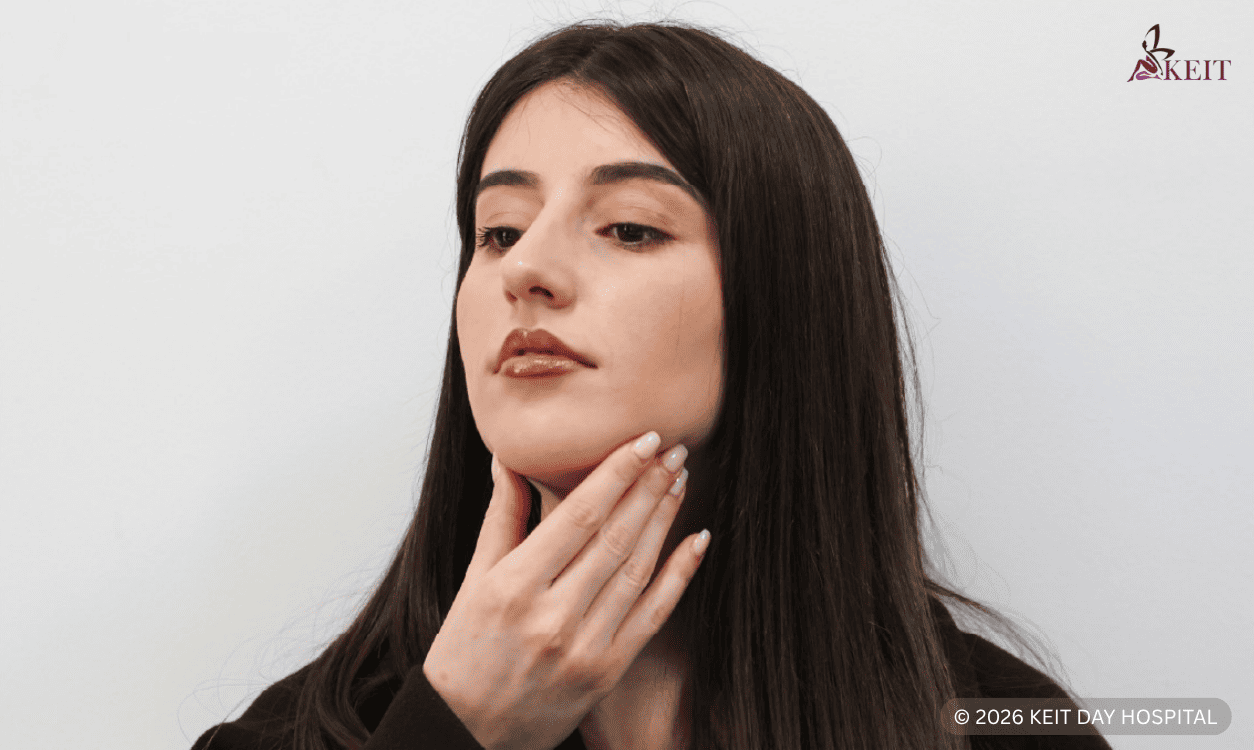
Buccal fat is a deep fat pad located in the lower cheek, between the facial muscles. It contributes to cheek fullness and influences the transition between the cheekbones, lower cheeks, and jawline. When the buccal fat pad is naturally prominent, the lower face may appear rounder or fuller, even in patients with a stable weight. Its size and position can affect how defined the cheekbones and lower facial contours appear.
Buccal fat removal: who is a suitable candidate?
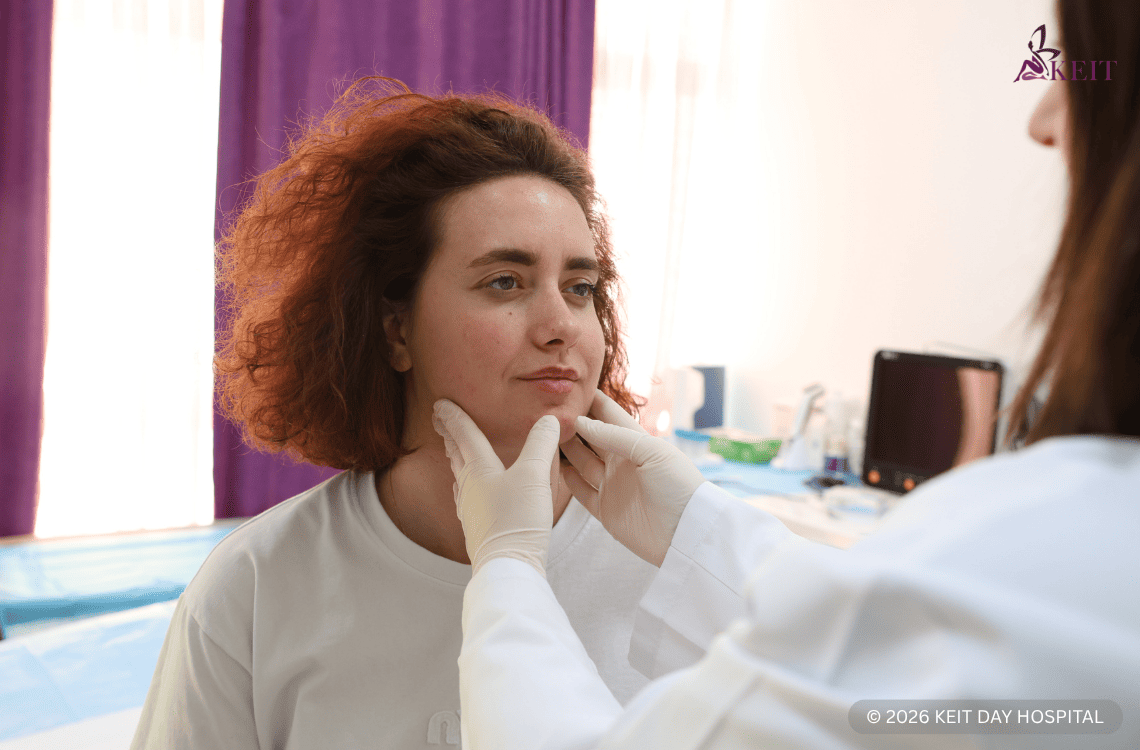
Buccal fat removal is most suitable for patients with persistent lower-cheek fullness caused by prominent buccal fat pads. Suitability is assessed based on:
- Full or rounded lower cheeks despite stable weight.
- Prominent buccal fat pads that reduce cheek definition.
- Adequate facial volume, without existing hollowing.
- Good skin elasticity and facial tissue support.
- A naturally fuller face shape rather than an already slim or hollow face.
- Good general health and no active oral or facial infection.
- Realistic expectations for subtle to moderate facial contouring.
Buccal fat removal may not be suitable for patients with a narrow face, visible cheek hollowing, significant facial volume loss, or progressive age-related thinning. In these cases, removing buccal fat can make the face look older over time.

Buccal fat removal surgery: how is it performed?
Buccal fat removal surgery is performed through small incisions inside the mouth, so it does not usually leave visible external scars. It is performed under local anaesthesia with sedation or general anaesthesia, depending on the surgical plan. The surgeon makes a small incision inside each cheek, accesses the buccal fat pad, removes a controlled amount of fat, and closes the incision with dissolvable stitches. The procedure usually takes around 30–60 minutes, when performed as a standalone procedure.
Buccal fat removal recovery: swelling, healing and aftercare
Buccal fat removal recovery happens in stages as swelling reduces and the incisions inside the mouth heal.
- First 2–3 days: Swelling, cheek tenderness, and mild intraoral discomfort are most noticeable. A soft diet is usually recommended.
- Week 1: The inner-cheek incisions start to heal, and swelling begins to decrease. Careful oral hygiene helps reduce infection risk.
- Weeks 2–4: Swelling continues to improve, and the lower-cheek contour becomes more visible. Mild firmness or residual puffiness may remain.
- Months 1–6: the tissues fully settle, and the final cheek contour becomes clearer.
Aftercare usually includes mouth rinses, a soft diet during early healing, avoiding smoking, and following the surgeon’s instructions on eating, medication, and oral hygiene.
Buccal fat removal before and after: what results can you realistically expect?
Buccal fat removal before and after results show reduced lower-cheek fullness and a more defined cheek contour. The change is typically subtle to moderate, not a dramatic reshaping of the whole face. Results are usually more noticeable in patients with naturally prominent buccal fat pads and good skin elasticity.

Buccal fat removal ageing: can results change over time?
Buccal fat removal results can change over time because the face naturally loses volume with age. This is one of the most important considerations before surgery. Removing too much buccal fat or performing the procedure on a naturally slim face, can increase the risk of a hollow or prematurely aged appearance later. A conservative surgical plan is usually preferred to preserve facial balance while reducing excessive cheek fullness.
Buccal fat removal risks: what should patients know?
Buccal fat removal is generally safe when performed by an experienced surgeon, but it carries possible surgical risks, which include:
- Swelling and bruising: expected during early healing and usually temporary.
- Bleeding or haematoma: blood collection under the skin may require treatment.
- Infection: possible because the incisions are made inside the mouth.
- Asymmetry: one cheek may heal differently or appear less defined than the other.
- Altered sensation: temporary numbness or sensitivity can occur in the cheek area.
- Salivary duct injury: uncommon, but possible because of the anatomy inside the cheek.
- Facial nerve injury: rare, but may affect facial movement.
- Over-resection: removing too much buccal fat can create hollowing or a prematurely aged appearance.
- Unsatisfactory result: undercorrection, overcorrection, or contour imbalance may require further treatment.
Buccal fat removal cost in the UK: what affects the price?
Buccal fat removal in the UK typically costs around 2,000–5,500 euro, depending on the clinic, surgeon, anaesthesia type, and whether it is performed alone or combined with other facial procedures. The final price is influenced by the surgeon’s experience, clinic location, pre-operative assessment, anaesthesia fees, facility costs, and aftercare. Combined treatments, such as chin liposuction or facial contouring, can increase the total cost.