Published on:
 Modified on:

 Reading Time: 5 min
 Aesthetic Treatments
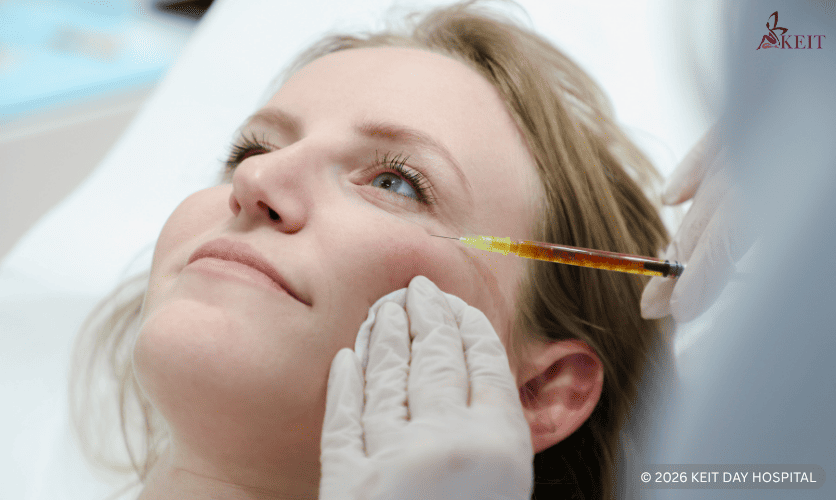
Cheek filler is a non-surgical injectable treatment that uses dermal filler to restore cheek volume, enhance cheekbone definition, improve mid-face support, and soften early facial hollowing.
 Table of Contents:
-
1
 What is cheek filler and what does it do?
-
2
Who is a suitable candidate for cheek filler?
-
3
Cheek filler placement: mid-cheek, lateral cheek and cheekbones
-
4
How much cheek filler do you need: 1ml vs 2ml vs 3ml?
-
5
Cheek filler recovery: swelling, bruising and settling time
-
6
Cheek filler before and after: what results can you realistically expect?
-
7
How long does cheek filler last?
-
8
Cheek filler risks: side effects, overfilling and bad results
-
9
Cheek filler cost: what affects the price?
-
10
How to choose the right cheek filler treatment
In this article, we explain what cheek filler is, who it is suitable for, and how placement affects the result. We also cover how much filler may be needed, what recovery involves, before and after results, how long cheek filler lasts, possible risks, cost, and how to choose the right treatment.
What is cheek filler and what does it do?
Cheek filler is an injectable dermal filler treatment used to restore volume and improve definition in the cheek and cheekbone area. It is commonly made from hyaluronic acid and is placed beneath the skin to support facial contours without surgery. Cheek filler can:
- Restore lost volume in the mid-face.
- Enhance cheekbone definition.
- Improve facial balance and symmetry.
- Support mild lower-face heaviness.
- Soften nasolabial folds caused by volume loss.
- Create a more lifted and refreshed facial contour.
Who is a suitable candidate for cheek filler?
A suitable candidate for cheek filler has volume loss, mild facial hollowing, reduced cheek definition, or naturally flatter cheek contours. Cheek filler may be suitable if you have:
- Visible volume loss in the mid-face or cheek area.
- Flat or underdefined cheekbones.
- Hollowing beneath the eyes caused by reduced cheek support.
- Mild descent of the mid-face tissues.
- Nasolabial folds partly related to cheek volume loss.
- Reduced facial definition after ageing or weight change.
- Good skin quality with no active infection or inflammation.
- Realistic expectations for natural, moderate enhancement.

Cheek filler placement: mid-cheek, lateral cheek and cheekbones
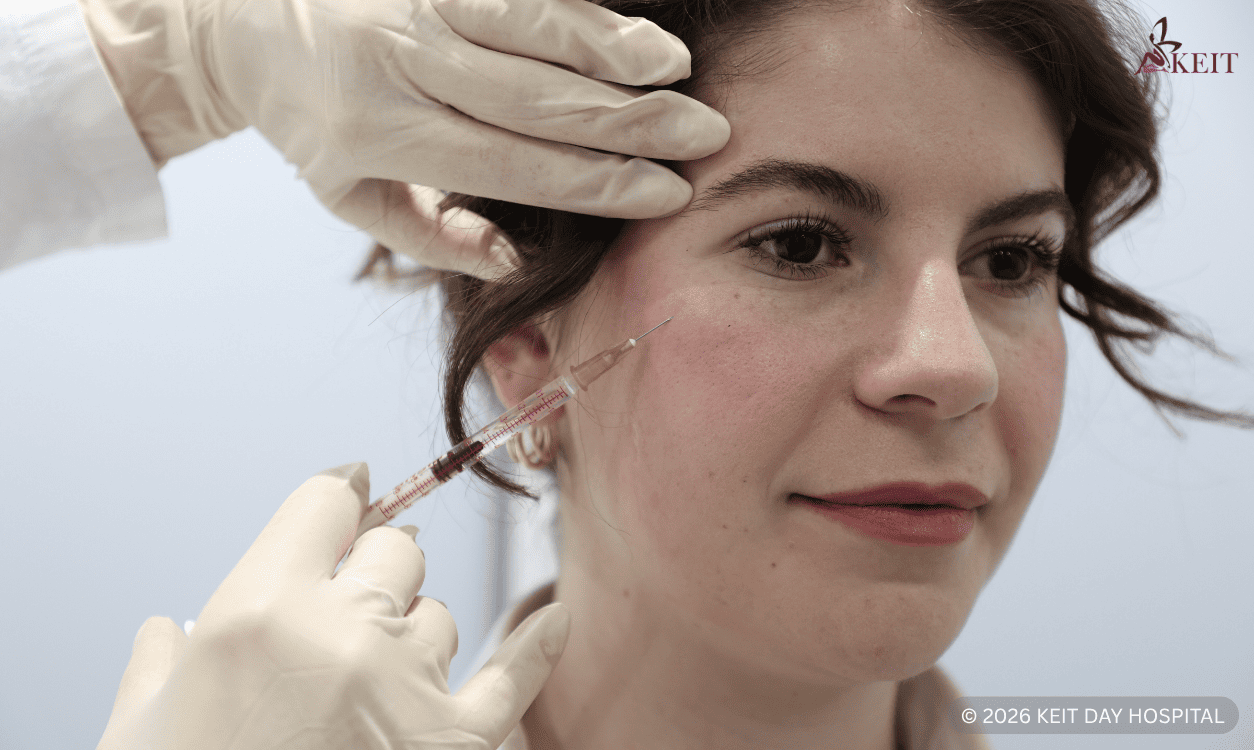
Cheek filler placement is planned according to the patient’s facial anatomy, volume loss, and desired level of cheek definition.
- Mid-cheek filler: placed in the central cheek to restore lost volume and improve support beneath the under-eye area and nasolabial folds.
- Lateral cheek filler: placed toward the outer cheek to enhance facial contour, improve projection, and provide subtle lifting support.
- Cheekbone filler: placed along the cheekbone area to define the zygomatic contour and create a more structured facial profile.
Correct placement is essential for a natural result. When cheek filler is placed too superficially, too heavily, or in the wrong area, the face may look puffy, uneven, or overfilled.
How much cheek filler do you need: 1ml vs 2ml vs 3ml?
The right amount of cheek filler depends on the patient’s existing cheek volume, facial proportions, skin quality, and desired level of definition.
- 1ml cheek filler: suitable for subtle enhancement, minor asymmetry, or light cheekbone definition.
- 2ml cheek filler: often used when both cheeks need balanced volume restoration and more visible mid-face support.
- 3ml cheek filler: may be appropriate for more noticeable volume loss, flatter cheek structure, or stronger cheekbone contouring, when the facial anatomy can support it naturally.
Cheek filler recovery: swelling, bruising and settling time
Cheek filler recovery is mild, with most temporary effects settling within the first few days to two weeks.
- First 24 hours: mild swelling, redness, tenderness, or a feeling of pressure in the treated area.
- Days 2–3: swelling may be more noticeable, and minor bruising can appear.
- Days 4–7: swelling and tenderness usually begin to reduce, and the cheeks start to look more balanced.
- Weeks 1–2: the filler continues to settle, and any mild firmness or unevenness usually improves.
- After 2 weeks: the final result is more visible, although small changes may continue as the tissue adapts.
After treatment, patients are usually advised to avoid firm pressure on the cheeks, facial massage, intense exercise, excessive heat, and alcohol for the period recommended by their practitioner.
Cheek filler before and after: what results can you realistically expect?
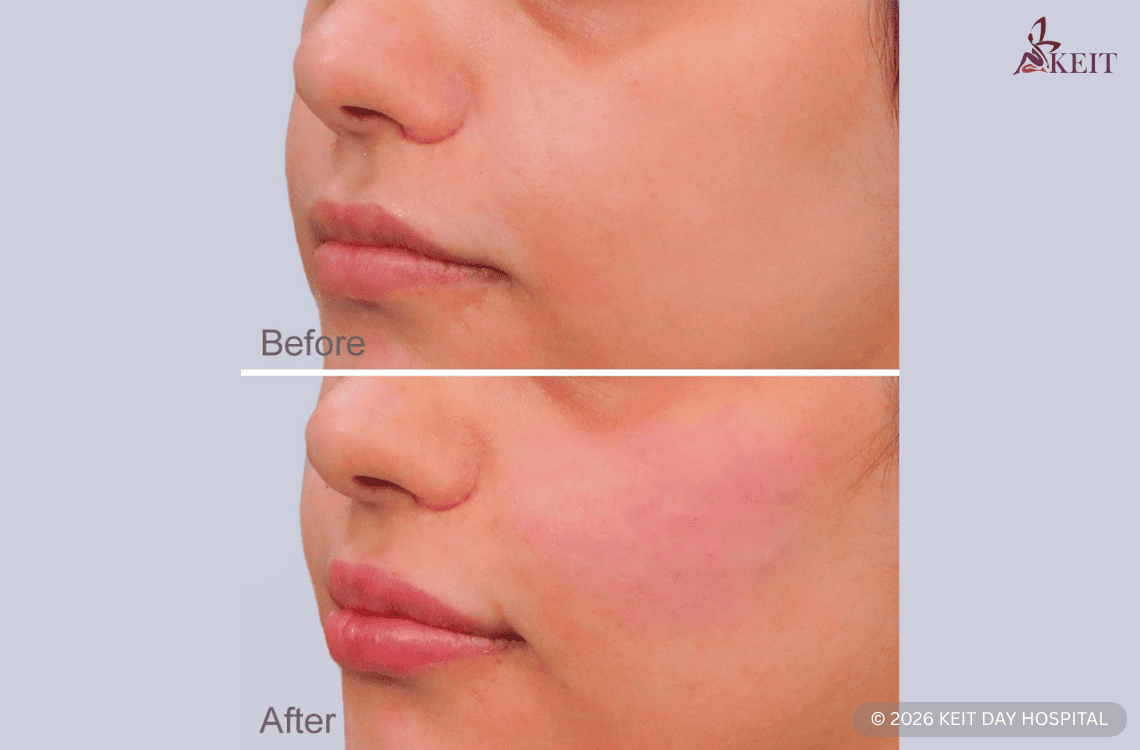
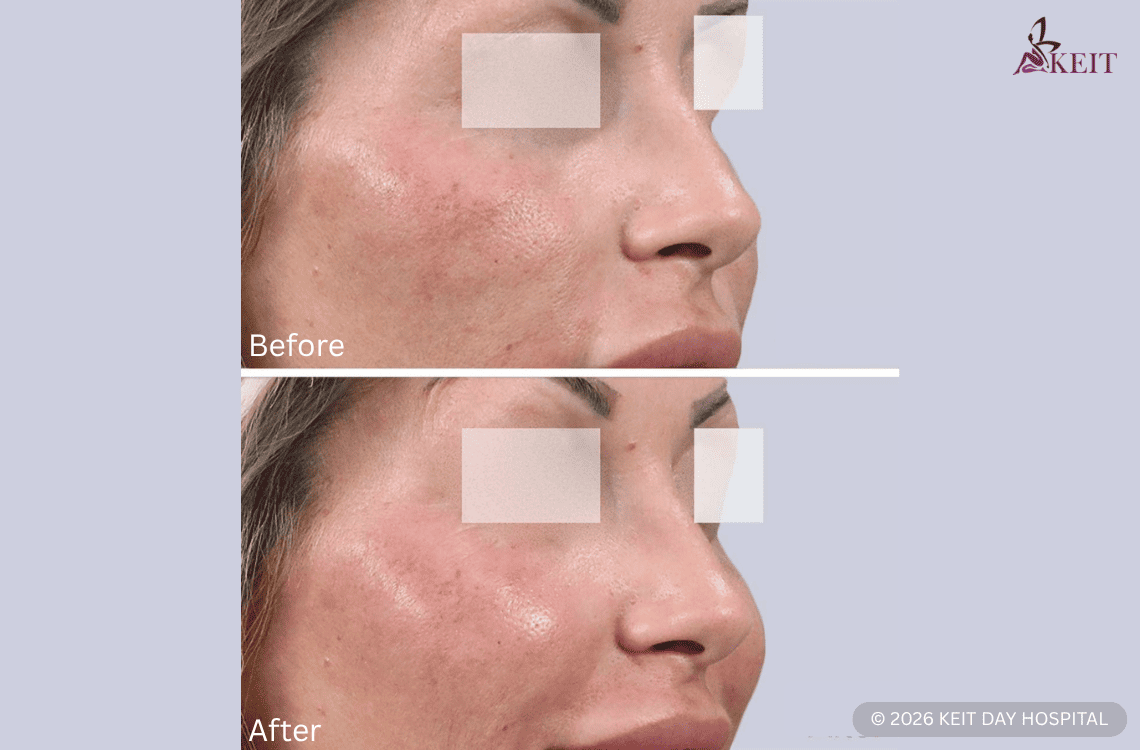
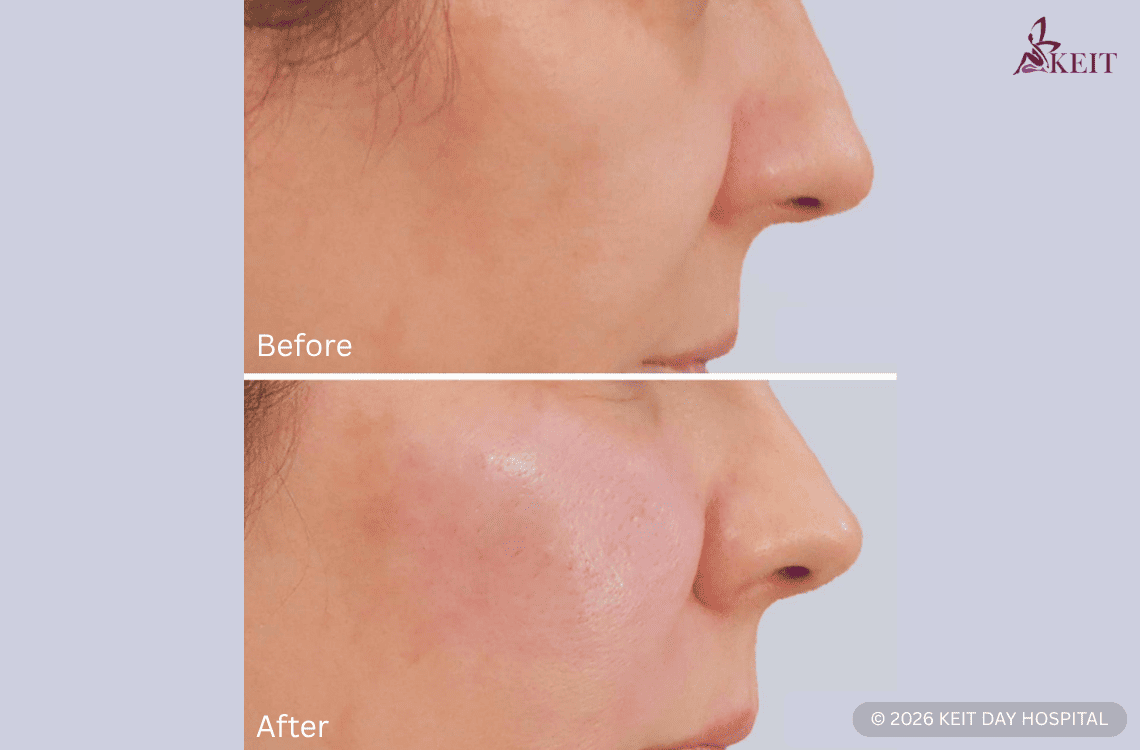
Cheek filler before and after results should show restored cheek volume, improved cheekbone definition, and better mid-face support. The result should look natural, not overfilled.
The final outcome depends on facial anatomy, skin quality, filler placement, and amount used. Cheek filler can also soften nasolabial folds and support mild lower-face heaviness, but it cannot replace surgery when there is significant skin laxity.
How long does cheek filler last?
Cheek filler typically lasts 9 to 18 months, depending on the filler type, injection depth, metabolism, and maintenance plan. Fillers placed in the cheeks often last longer than fillers in highly mobile areas because the mid-face moves less than the lips or mouth area. Longevity also depends on product density, amount injected, lifestyle factors, and how quickly the body naturally breaks down the filler.
Cheek filler risks: side effects, overfilling and bad results
Cheek filler is generally well tolerated, but it can cause temporary side effects and, rarely, more serious complications. Possible side effects and risks include:
- Swelling and bruising: common after injection and usually settles as the filler integrates.
- Redness or tenderness: may appear around the injection sites for a few days.
- Minor asymmetry: can occur during the early swelling phase.
- Lumps or firmness: may develop if the filler settles unevenly or is placed too superficially.
- Infection: uncommon, but requires medical review.
- Vascular complications: rare but serious, and need urgent treatment.
Overfilling or poor placement can make the cheeks look heavy, puffy, uneven, or unnatural. Bad cheek filler results are usually linked to excessive product, unsuitable filler choice, or inadequate facial assessment.
Cheek filler cost: what affects the price?
Cheek filler in the UK typically costs around 300–1,000 euro per session, depending on the amount of filler used and the level of cheek enhancement required. The final price is influenced by:
- Amount needed: larger volume restoration or cheekbone enhancement may require more product.
- Type of filler: different fillers vary in formulation and longevity.
- Treatment complexity: facial anatomy and the degree of correction can affect the overall treatment plan.
- Practitioner expertise: experienced medical injectors may charge higher fees.
- Clinic location: treatment costs vary between clinics and geographical areas.
- Follow-up care: review appointments or additional adjustments may be included in the overall cost.
How to choose the right cheek filler treatment
The right cheek filler treatment should be planned according to facial anatomy, volume loss, skin quality, and the level of cheek definition needed. A safe treatment plan should include:
- Racial assessment from multiple angles.
- Review of medical history and previous filler.
- Evaluation of cheekbone structure and mid-face support.
- Conservative filler planning.
- Clear explanation of risks, aftercare, and expected results.
Choose a qualified medical practitioner with experience in facial anatomy, safe injection technique, and filler complication management.