Published on:
 Modified on:

 Reading Time: 6 min
 Aesthetic Treatments
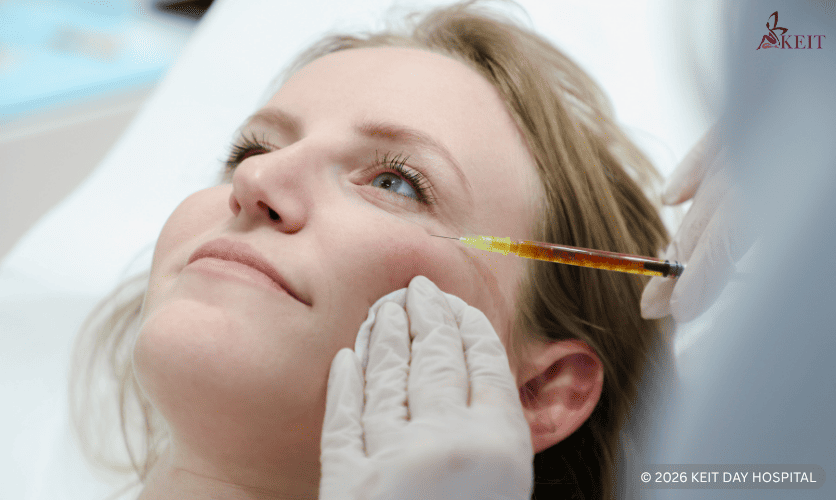
Tear trough filler is an injectable treatment used to reduce hollowing between the lower eyelid and upper cheek. It is performed with hyaluronic acid filler to soften under-eye shadows, improve volume loss, and create a smoother transition between the eye area and midface.
 Table of Contents:
-
1
 What is tear trough filler?
-
2
What are tear troughs and why do they appear?
-
3
Who is a good candidate for tear trough dermal filler?
-
4
Tear trough filler: How is the under eye filler performed?
-
5
Tear trough filler before and after: What results to realistically expect
-
6
Tear trough filler: Recovery time, swelling and aftercare
-
7
Is tear trough filler safe? Potential risks and side effects
-
8
Botched tear trough filler: Signs, causes, and correction
-
9
Tear trough filler cost in the UK: What affects the total price?
In this guide, we explain what tear trough filler is, why tear troughs appear, suitable candidates, and how the procedure is performed. We also cover expected results, recovery and aftercare, potential risks, correction of botched tear trough filler, and UK cost.
What is tear trough filler?
Tear trough filler is a non-surgical injectable treatment used to improve under eye hollows and shadowing caused by volume loss. It uses small amounts of hyaluronic acid under the eyes to soften the tear trough, the groove between the lower eyelid and upper cheek. When performed correctly, tear trough dermal filler creates a smoother, more rested under-eye appearance while keeping the result natural.
What are tear troughs and why do they appear?
Tear troughs are the natural grooves between the lower eyelid and upper cheek that become more noticeable when this area loses volume, the skin is thin, or facial anatomy creates shadowing under the eyes. They may appear due to:
- Genetics: Some people naturally have deeper tear troughs or hollow under eyes because of inherited bone structure, lower-eyelid anatomy, or midface support.
- Ageing: Loss of subcutaneous fat, reduced skin thickness, and midface volume loss can make the tear trough appear deeper over time.
- Thin skin: The skin in this area is delicate, so underlying vessels, shadows, and hollowness can become more noticeable.
- Fat pad changes: Lower-eyelid fat can shift or protrude, making the groove beneath it look deeper and creating a stronger shadow.
- Facial structure: Limited cheek projection or weaker midface support can make under eye hollows more visible, even in younger patients.
Who is a good candidate for tear trough dermal filler?
A good candidate for tear trough dermal filler is someone with mild to moderate under eye hollows, with good skin quality and minimal puffiness. Tear trough filler may be suitable for individuals with:
- Hollowing between the lower eyelid and upper cheek.
- Dark shadows caused by volume loss, not pigmentation.
- A visible tear trough groove without significant eye bags.
- Good lower-eyelid support and stable under-eye skin.
- Minimal fluid retention or morning puffiness.
- Realistic expectations for subtle, natural-looking improvement.
It may not be suitable for patients with prominent eye bags, loose lower-eyelid skin, malar oedema, active infection, or persistent swelling. A board-certified dermatologist or qualified aesthetic doctor can assess whether tear trough filler or another under-eye treatment is more appropriate.

Tear trough filler: How is the under eye filler performed?
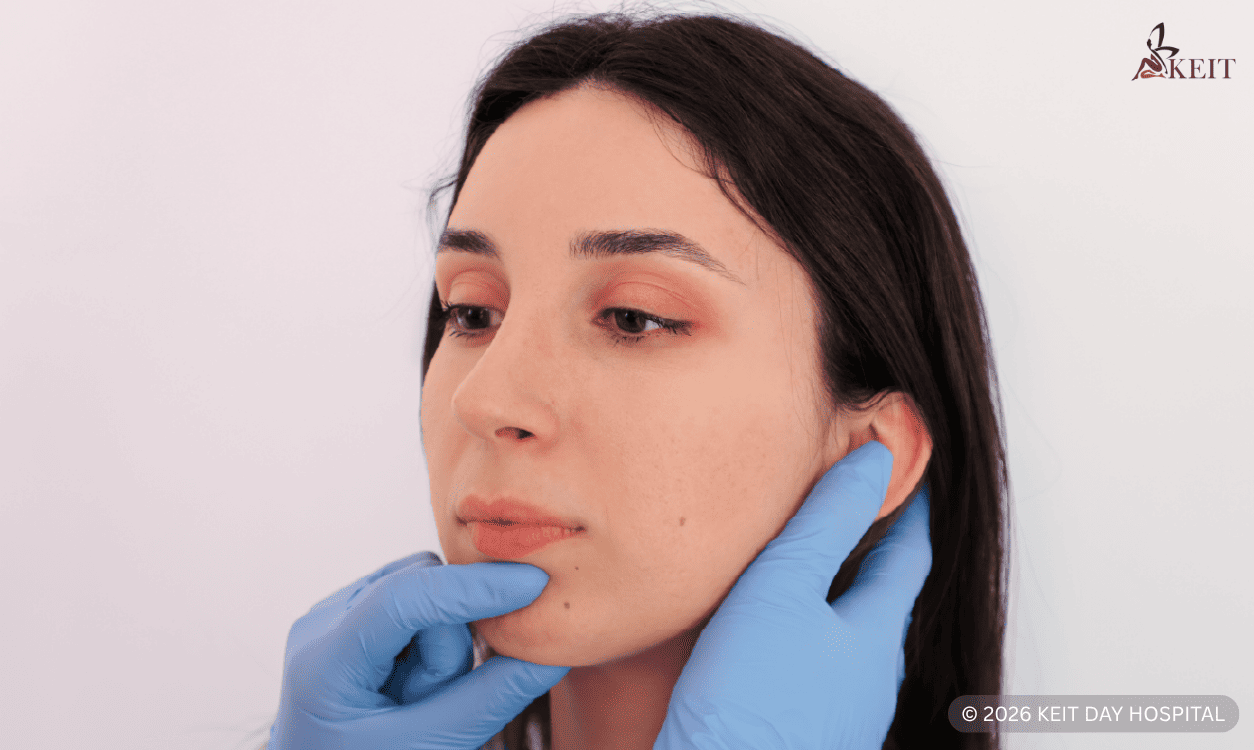
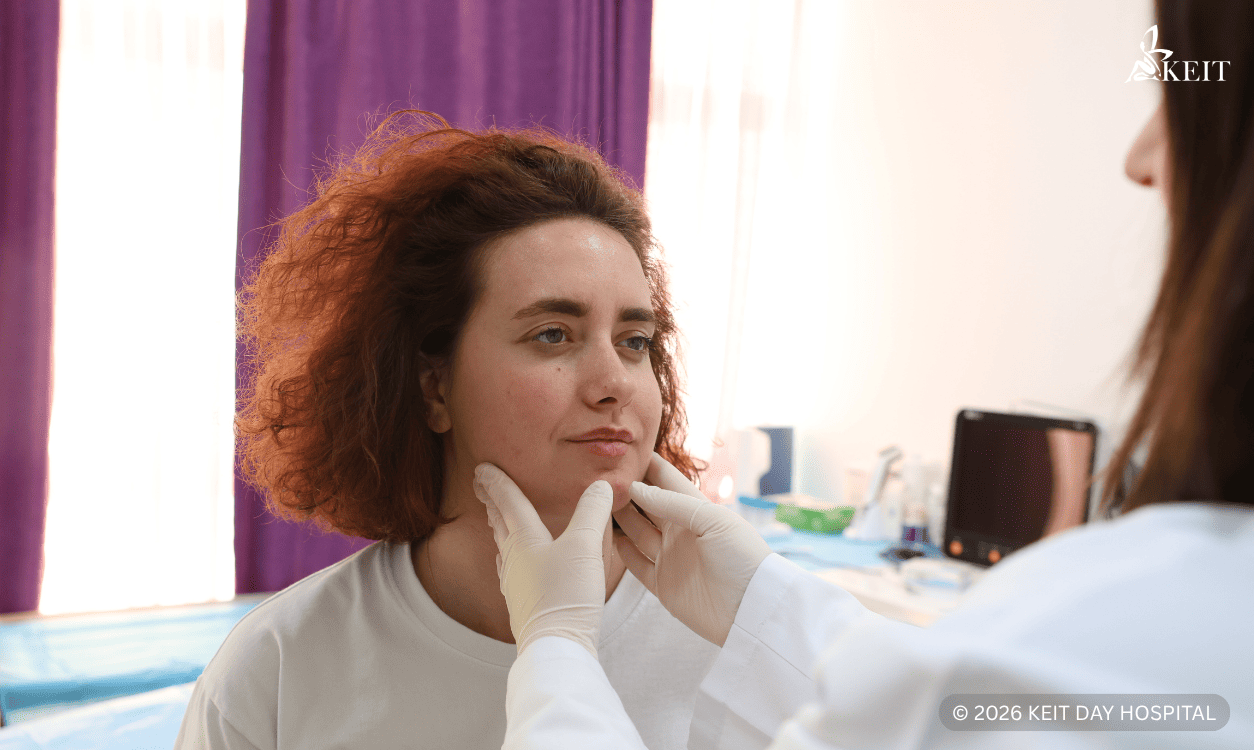
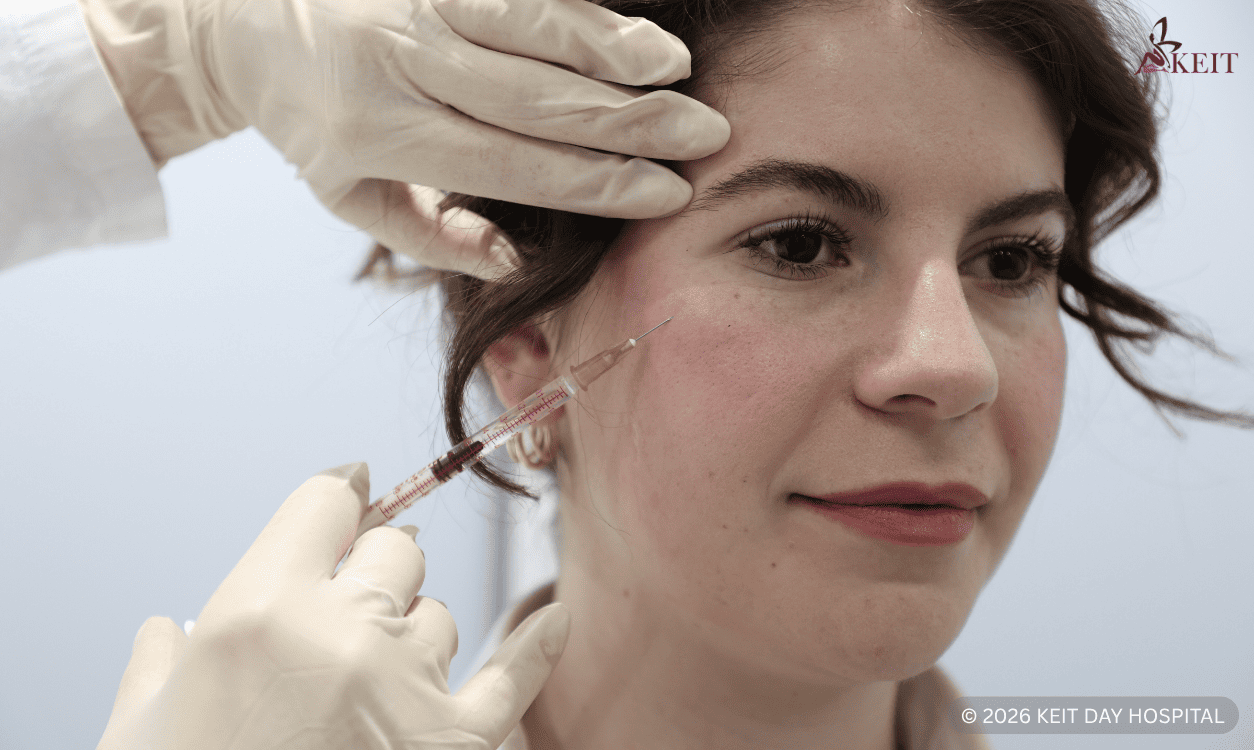
Tear trough filler is performed after assessing the under-eye hollow, cheek support, skin thickness, and tendency for swelling. The area is cleaned, and a small amount of hyaluronic acid filler is placed under the eyes using a fine needle or cannula. The filler is positioned along the tear trough or lower eyelid-cheek junction to soften hollowing and improve the transition between these areas.
The treatment usually takes 20–30 minutes. Conservative placement is important because the under-eye area is delicate, and too much filler can cause puffiness, lumps, or an unnatural result.

Tear trough filler before and after: What results to realistically expect
Tear trough filler before and after results show softer under-eye hollows, reduced shadowing, and a smoother lower eyelid-to-cheek transition. The result should look natural, not flat, puffy, or overfilled. Results are usually visible soon after treatment, but the final appearance becomes clearer once swelling settles. Before and after tear trough filler photos should be assessed with consistent lighting, facial position, and expression.
How long does tear trough filler last?
Tear trough filler usually lasts around 9–18 months, depending on the filler type, placement, metabolism, anatomy, and lifestyle. Under eye fillers may last longer than fillers in more mobile areas of the face because the tear trough region has less movement. Some patients need maintenance earlier, while others retain results for longer.
Tear trough filler: Recovery time, swelling and aftercare
Recovery from tear trough filler is typically brief, though the delicate nature of the under-eye area makes mild swelling, bruising, or tenderness common.
- First 24–48 hours: Mild swelling, tenderness or bruising may appear around the injection area.
- Days 3–7: Swelling usually reduces, while bruising may take slightly longer to settle.
- Weeks 1–2: The filler integrates with the tissue, and the under-eye contour begins to look more stable.
- After 2 weeks: Results can usually be assessed more accurately once swelling has resolved.
Tear trough filler aftercare includes avoiding pressure on the area, intense exercise, alcohol, heat exposure and facial massage for the first 24–48 hours. Persistent swelling, visible lumps, increasing pain or unusual colour changes should be reviewed by the treating clinician.

Is tear trough filler safe? Potential risks and side effects
Tear trough filler is considered safe when performed by a qualified medical professional, but it carries specific risks because the under-eye area has delicate skin, blood vessels, and lymphatic drainage. Possible risks include:
- Swelling and bruising: Mild swelling or bruising is common because the under-eye skin is thin and highly vascular.
- Lumps or uneven texture: Small irregularities may occur if filler is placed too superficially, unevenly, or in an unsuitable patient.
- Tyndall effect: A blue-grey tint may appear when hyaluronic acid filler is placed too close to the skin surface.
- Filler migration: Filler may move beyond the intended area, causing puffiness or fullness under the eyes.
- Persistent puffiness: Patients prone to fluid retention or lymphatic swelling may develop longer-lasting under-eye swelling.
- Asymmetry: One side may settle differently due to natural anatomy, swelling, or filler placement.
- Vascular complications: Rare but serious complications can occur if filler affects a blood vessel and requires urgent medical treatment.
Botched tear trough filler: Signs, causes, and correction
Botched tear trough filler typically presents with persistent puffiness, visible lumps, asymmetry, blue-grey discolouration, or an overfilled under-eye appearance after the normal recovery period. Common causes include overfilling, superficial filler placement, incorrect product selection, poor injection technique, or treating unsuitable patients with significant eye bags or fluid retention. Correction depends on the underlying issue. Hyaluronic acid filler can often be dissolved with hyaluronidase when appropriate, followed by reassessment before considering further treatment.
Tear trough filler cost in the UK: What affects the total price?
Tear trough filler cost in the UK ranges from approximately 400–900 euro per session, while London prices are commonly around 500–1,100 euro. The final price is mainly affected by:
- Clinic location: London clinics often have higher prices due to higher operating costs and stronger demand for specialist aesthetic treatments.
- Injector expertise: Tear trough filler requires advanced under-eye anatomy knowledge, so experienced medical injectors usually charge higher fees.
- Filler product: Softer hyaluronic acid fillers designed for the tear trough area may cost more than standard facial fillers.
- Treatment complexity: Thin skin, previous filler, asymmetry, swelling tendency, or weak cheek support can make treatment more complex.
- Amount of filler used: Some patients need only a small volume, while others may need cheek support before treating the tear trough directly.
- Aftercare included: Follow-up appointments, review visits, and correction policies can affect the total treatment price.