Published on:
 Modified on:

 Reading Time: 5 min
 Aesthetic Treatments
Dermal fillers are injectable, non-surgical treatments used to improve facial contour, soften static lines, and enhance definition. They are commonly used in areas such as the cheeks, lips, chin, jawline, tear trough, and nasolabial folds, with results varying according to the product used, the treatment area, and individual anatomy.
 Table of Contents:
-
1
 What are dermal fillers and what do they do?
-
2
Who is a suitable candidate for dermal filler treatment?
-
3
Types of dermal fillers: What are the main options and how do they differ?
-
4
Dermal fillers: Which areas can be treated?
-
5
Dermal filler treatment: How is the procedure performed?
-
6
Dermal fillers: Swelling, bruising and recovery time
-
7
Dermal fillers before and after: What results can be expected and how long do they last?
-
8
Are dermal fillers safe? Risks and side effects
-
9
Dermal fillers cost in the UK: What affects the final price?
In this guide, we explain what dermal fillers are, who is suitable for treatment, the main filler types, how the procedure is performed, what recovery and results to expect, the possible risks, and the factors that affect cost in the UK.
What are dermal fillers and what do they do?
Dermal fillers are gel-like, injectable substances used in non-surgical cosmetic procedures to restore lost volume, improve facial structure, and soften static lines. They are most commonly composed of hyaluronic acid, a substance naturally present in the skin that binds water and provides hydration, volume, and support.
Dermal fillers are used to:
- Restore volume in the mid-face and enhance cheek projection.
- Improve definition of the chin and jawline.
- Treat under-eye hollowing in the tear trough area.
- Soften nasolabial folds and marionette lines.
- Enhance facial balance and symmetry.
Who is a suitable candidate for dermal filler treatment?
Dermal filler treatment is suitable for individuals seeking non-surgical improvement of facial contour, volume deficiency, or mild asymmetry. Suitable candidates often include:
- Patients with volume loss in areas such as the cheeks, temples, or under eyes.
- Individuals with static lines and folds, including the nasolabial folds and marionette lines.
- Patients seeking improved definition of the chin, jawline, or other facial contours.
- Individuals in good general health with realistic expectations about outcome and longevity.
Suitability should be confirmed through clinical assessment, as treatment depends on anatomy, skin quality, and medical history.
Types of dermal fillers: What are the main options and how do they differ?
Dermal fillers are classified based on their composition and mechanism of action, with each type selected according to the treatment area and desired outcome.
- Hyaluronic Acid (HA) Fillers: The most commonly used fillers. They provide immediate volume, are available in different densities for different facial areas, and can be dissolved if needed.
- Calcium Hydroxylapatite (CaHA) Fillers: Used for deeper structural support and contouring, particularly in areas such as the cheeks and jawline. They also stimulate collagen to a limited extent.
- Poly-L-lactic Acid (PLLA) Fillers: A biostimulatory filler that works by stimulating collagen production over time. It does not create the same immediate volumising effect as hyaluronic acid fillers.
- Polymethylmethacrylate (PMMA) Fillers: A longer-lasting filler containing microspheres suspended in a carrier gel. Because it is not readily reversible, its use requires careful patient selection.
Dermal fillers: Which areas can be treated?
Dermal fillers can be used in multiple facial areas to improve contour, support soft tissue, and address localised volume deficiency. Common treatment areas include:
- Lips: Enhance volume, shape, and definition.
- Cheeks: Restore mid-face volume and enhance cheekbone definition.
- Chin: Increase projection and improve lower-face balance.
- Jawline: Strengthen definition and refine the lower facial contour.
- Under eyes (tear trough): Reduce the appearance of hollows, dark circles and tired-looking eyes.
- Nasolabial folds and marionette lines: Soften deeper folds around the mouth.
- Temples: Improve hollowing and restore lateral facial support.
- Forehead and brow area: Used selectively for structural support in carefully chosen cases.
Dermal filler treatment: How is the procedure performed?
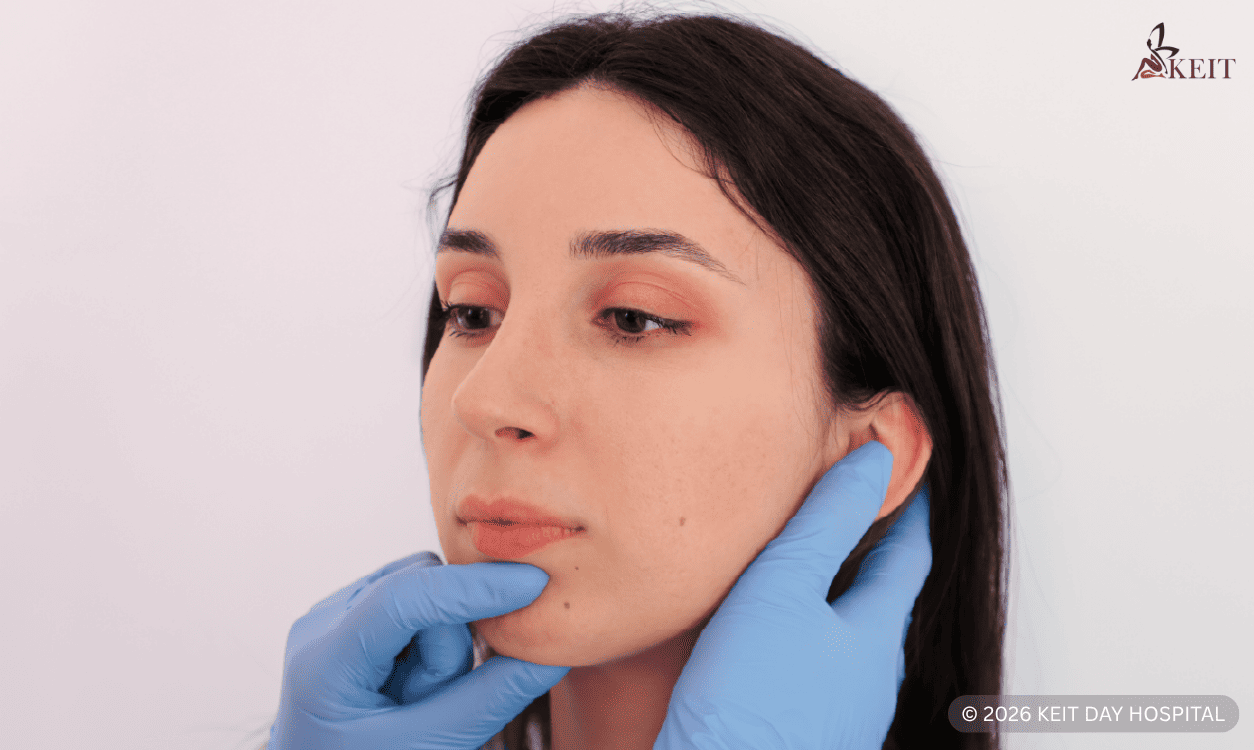
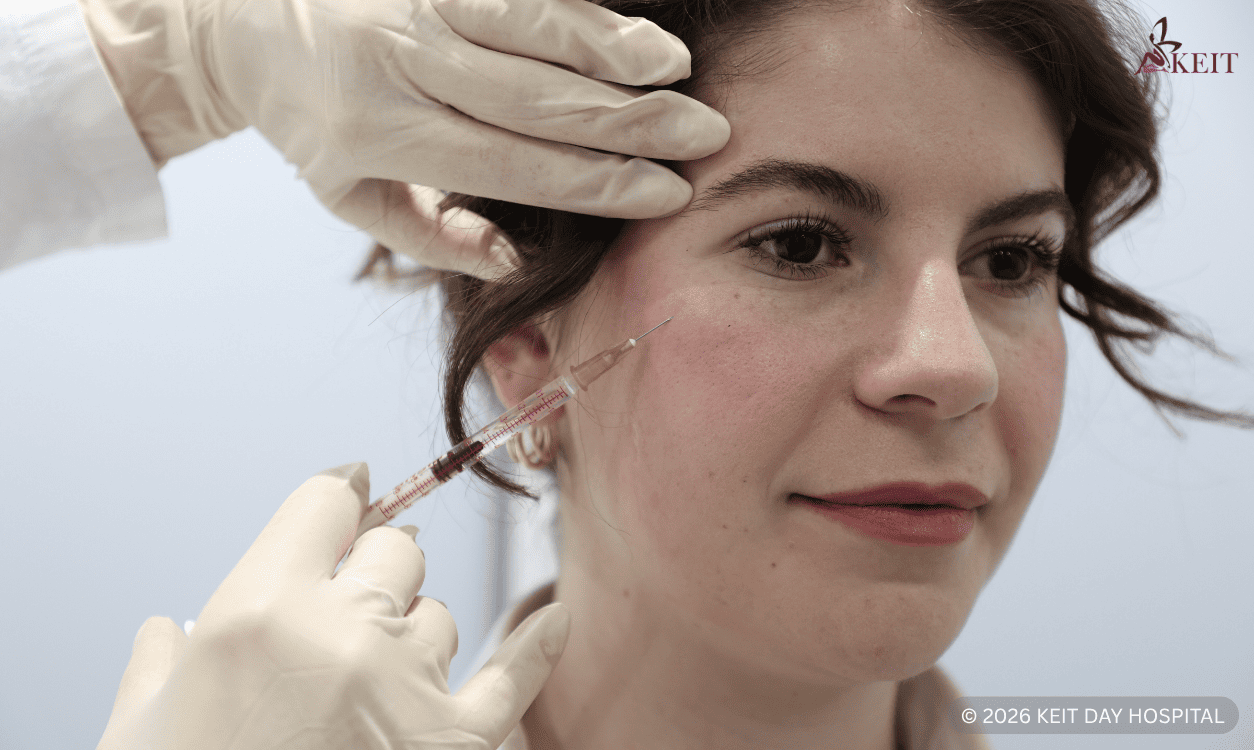
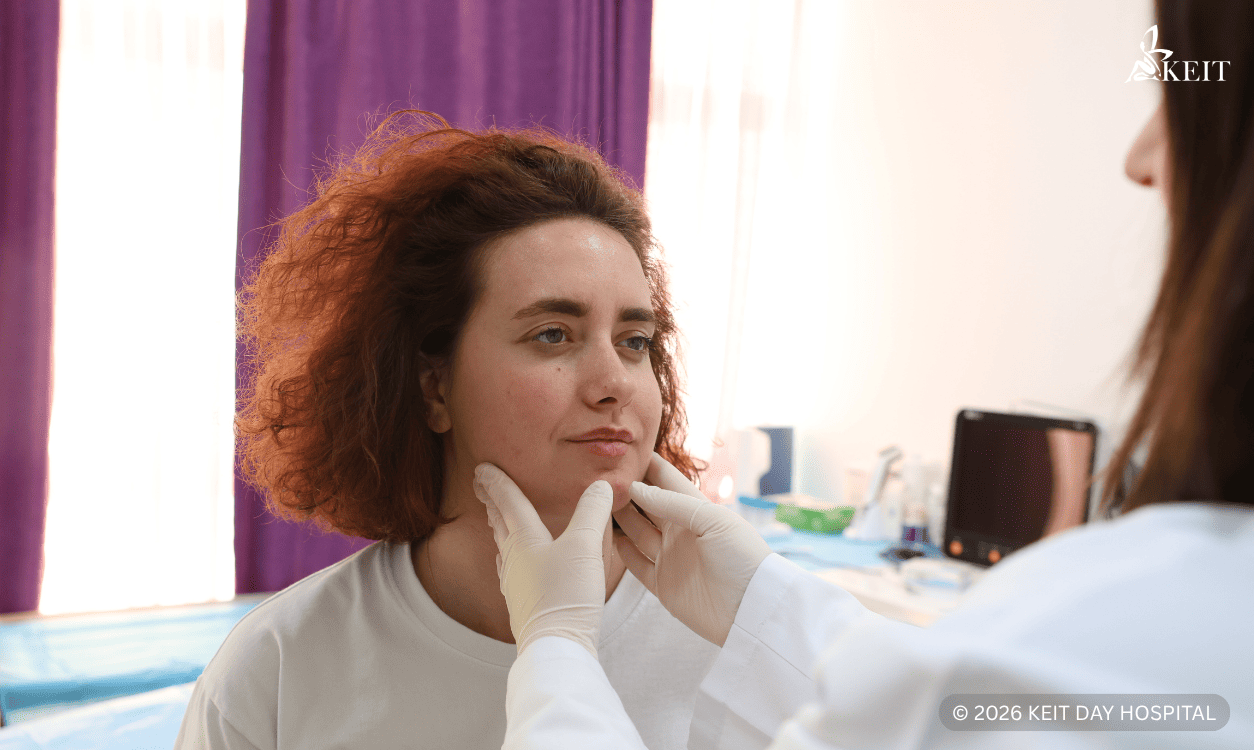
Dermal filler treatment begins with facial assessment and treatment planning. The injector evaluates anatomy, volume loss, symmetry, and the area to be treated, then selects the appropriate filler, volume, and injection technique.
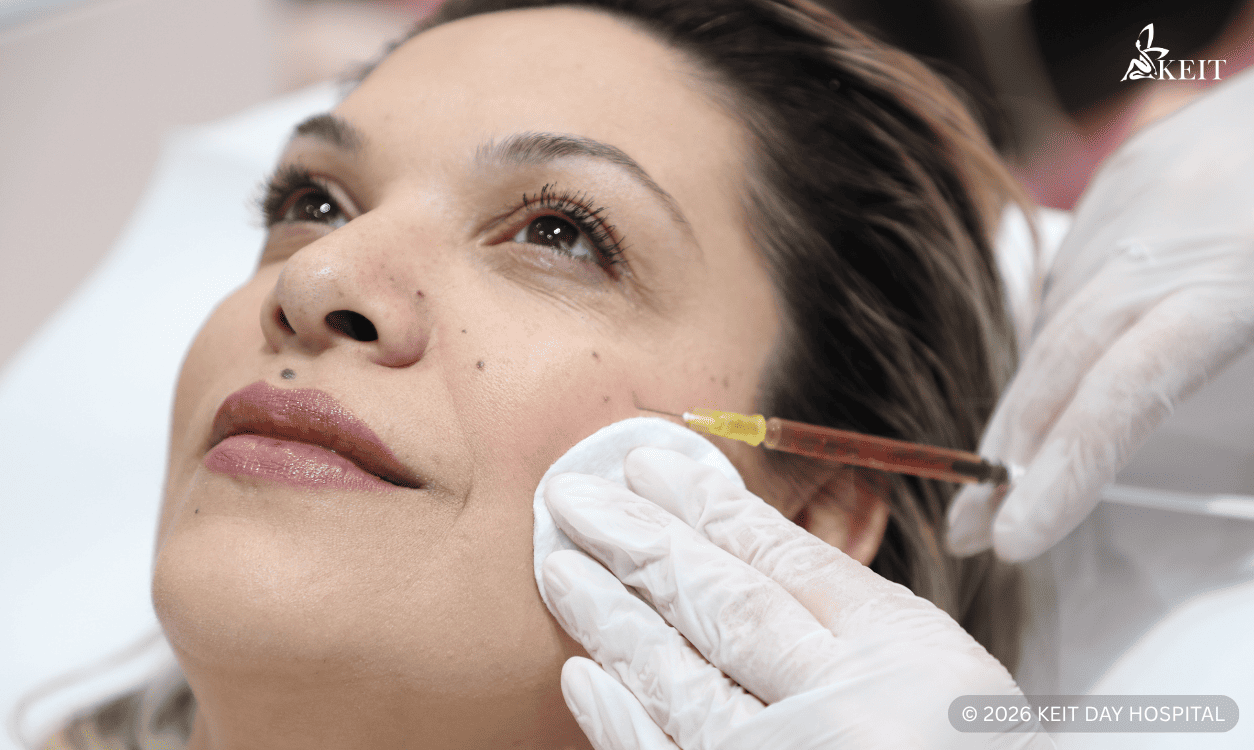
After skin cleansing, a topical anaesthetic may be applied and the product is injected with a needle or cannula at the required tissue level in controlled amounts. The result is assessed during the procedure to maintain accuracy, balance, and a natural contour. The procedure usually takes around 20 to 40 minutes, depending on the areas treated.
Dermal fillers: Swelling, bruising and recovery time
Recovery after dermal filler treatment is usually straightforward, with most early effects resolving within the first two weeks.
- First 24–48 hours: Mild swelling, redness, tenderness, and localised sensitivity at the injection sites are common.
- Days 2–5: Bruising may become more apparent before gradually improving.
- 1–2 weeks: Swelling continues to reduce, bruising fades, and the result becomes more stable as the filler settles.
Most patients can return to normal daily activity shortly after treatment, although recovery can vary slightly depending on the area treated and the extent of injection.
Dermal fillers before and after: What results can be expected and how long do they last?
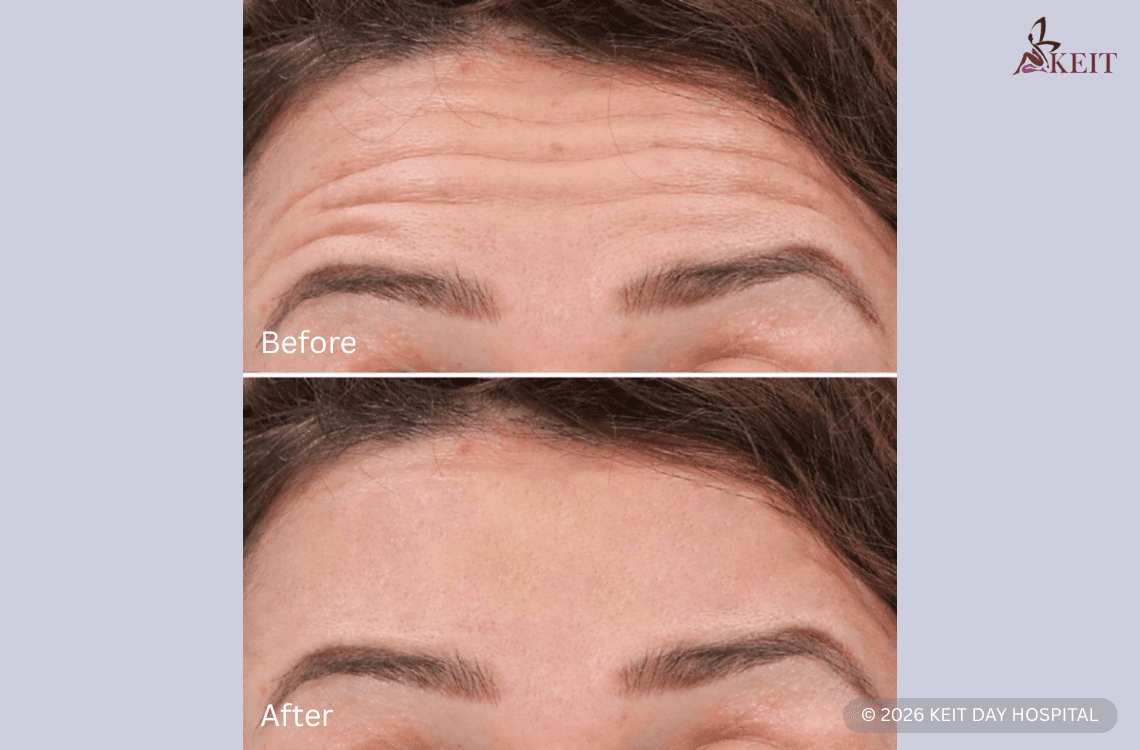
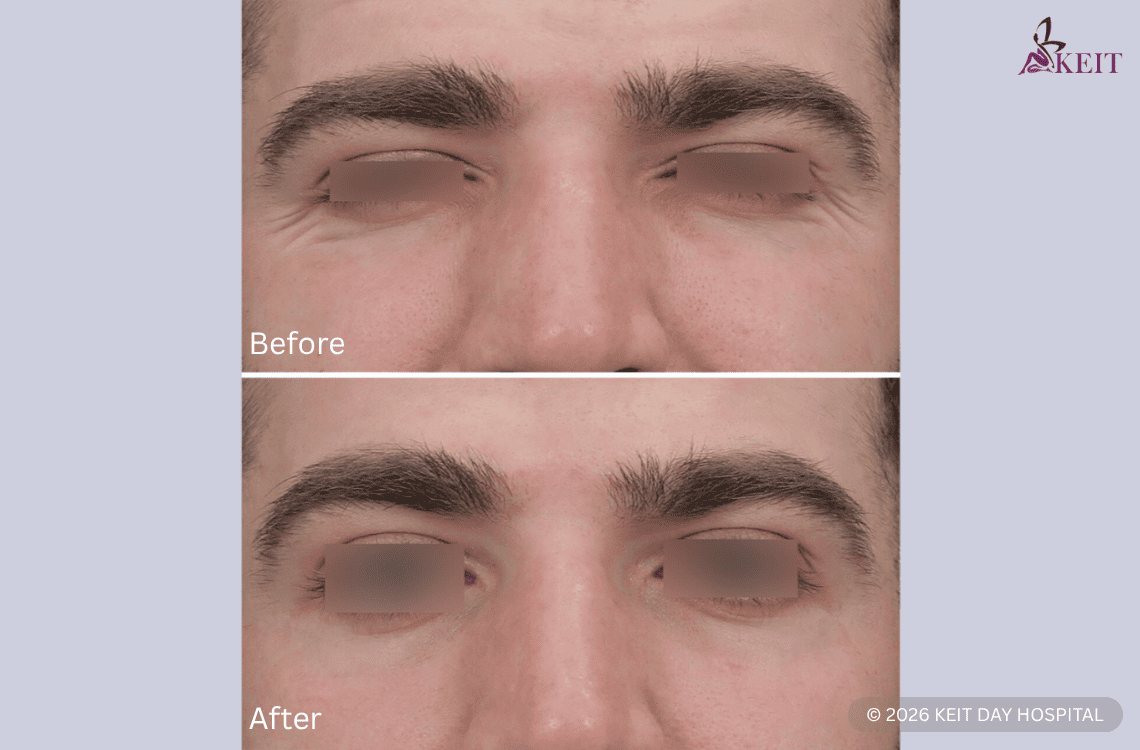
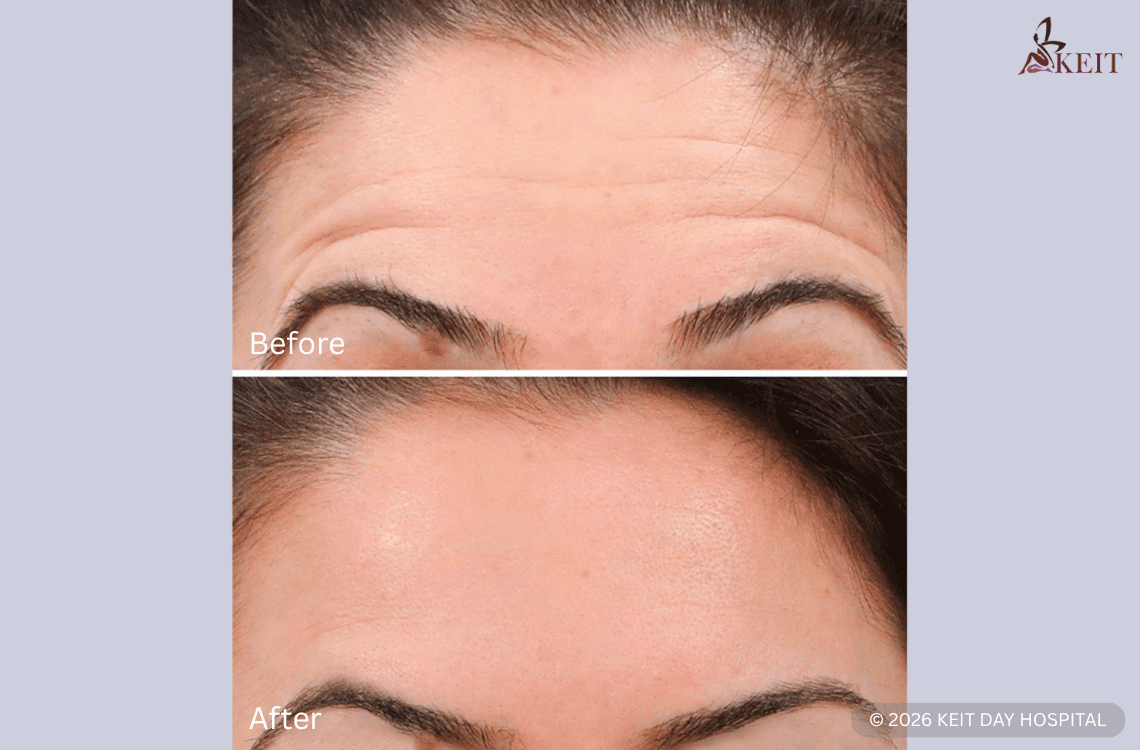
Dermal fillers offer an immediate visible effect, improving contour, definition, and the appearance of static lines in the treated area. The result becomes clearer once early swelling settles, usually over the first few days to two weeks.
The longevity of dermal fillers varies according to the type of filler, the area treated, and individual metabolic factors. Results generally last between 6 and 18 months, with some treatments lasting up to 24 months, although some areas may require earlier maintenance while others retain correction for longer.
Are dermal fillers safe? Risks and side effects
Dermal fillers are generally considered safe when administered by qualified professionals, but risks and complications can occur.
- Swelling, redness, and tenderness: Common early reactions at the injection site, usually temporary.
- Bruising and haematoma: Bleeding into the soft tissue may occur following injection, particularly in vascular areas.
- Lumps or irregularities: Uneven texture or palpable product may occur, particularly during the early settling phase.
- Asymmetry: Variations in contour may result from uneven placement or differential swelling.
- Infection: Localised infection is uncommon but may require medical treatment if it develops.
- Vascular occlusion: A rare but serious complication caused by inadvertent intravascular injection, which can lead to tissue ischaemia and requires immediate management.
Book your FREE
Online Consultation Now

Dermal fillers cost in the UK: What affects the final price?
In the UK, dermal fillers generally cost between 250 and 450 euro per 1 ml syringe, although the final price varies depending on several factors, including:
- Amount of filler required: Larger areas or more structural correction may require more than one syringe.
- Type and brand of filler: Product selection affects both cost and treatment planning.
- Practitioner expertise and reputation: Fees are usually higher when treatment is performed by an experienced injector with advanced anatomical knowledge and a strong clinical track record.
- Clinic location: Prices are often above the national average for dermal fillers in London and other high-rent areas.
- Complexity of treatment: Multi-area treatment or more advanced contouring usually increases the total price.