Published on:

 Reading Time: 4 min
 Abdominoplasty (small)
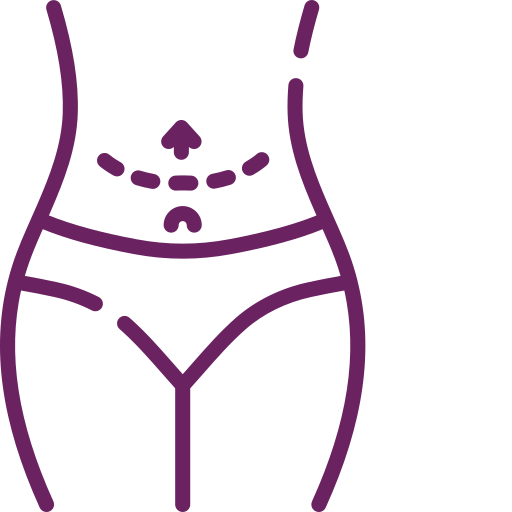
A Fleur de Lis tummy tuck, also known as FDL tummy tuck, is an advanced abdominoplasty technique that removes excess abdominal skin in both horizontal and vertical directions. It is commonly performed after significant weight loss when loose skin cannot be corrected with a traditional tummy tuck alone.
 Table of Contents:
-
1
 What is a Fleur de Lis tummy tuck?
-
2
Who is a suitable candidate for a Fleur de Lis tummy tuck?
-
3
Fleur de Lis tummy tuck vs regular tummy tuck: what is the difference?
-
4
How is Fleur de Lis tummy tuck performed?
-
5
Recovery after Fleur de Lis tummy tuck
-
6
Fleur de Lis tummy tuck: expected results
-
7
What are the risks and complications of Fleur de Lis tummy tuck?
-
8
How much does a Fleur de Lis tummy tuck cost?
In this article, we explain what a Fleur de Lis tummy tuck is, who may be a suitable candidate, and how it differs from a regular tummy tuck. We also cover how the procedure is performed, recovery timeline, expected results, potential risks, and the cost of Fleur de Lis abdominoplasty in the UK.
What is a Fleur de Lis tummy tuck?
A Fleur de Lis tummy tuck is an advanced abdominoplasty technique that removes excess abdominal skin through both horizontal and vertical incisions. It is designed to correct significant abdominal skin laxity, particularly when excess skin is present both below the abdomen and along the central abdominal area. Unlike a regular tummy tuck, which mainly addresses lower abdominal skin, the Fleur de Lis technique includes an additional vertical incision to allow greater skin removal and abdominal contour correction.
Who is a suitable candidate for a Fleur de Lis tummy tuck?
A Fleur de Lis tummy tuck may be suitable for patients with:
- Significant excess abdominal skin after major weight loss.
- Loose skin extending both vertically and horizontally across the abdomen.
- Skin folds that cannot be adequately corrected with a standard tummy tuck.
- A stable body weight before surgery.
- Good general health and realistic expectations.
During consultation, the surgeon assesses skin excess, abdominal anatomy, medical history, and aesthetic goals to determine whether this technique is appropriate.

Fleur de Lis tummy tuck vs regular tummy tuck: what is the difference?
The main difference between a Fleur de Lis tummy tuck and a regular tummy tuck is the incision pattern used to address excess abdominal skin and improve contour. A regular tummy tuck uses a horizontal incision in the lower abdomen to remove excess skin and tighten the abdominal area, mainly addressing lower abdominal laxity. A Fleur de Lis tummy tuck combines a horizontal incision with a vertical midline incision, allowing the surgeon to correct excess skin that extends both below and above the abdomen, which is common after significant weight loss.
How is Fleur de Lis tummy tuck performed?
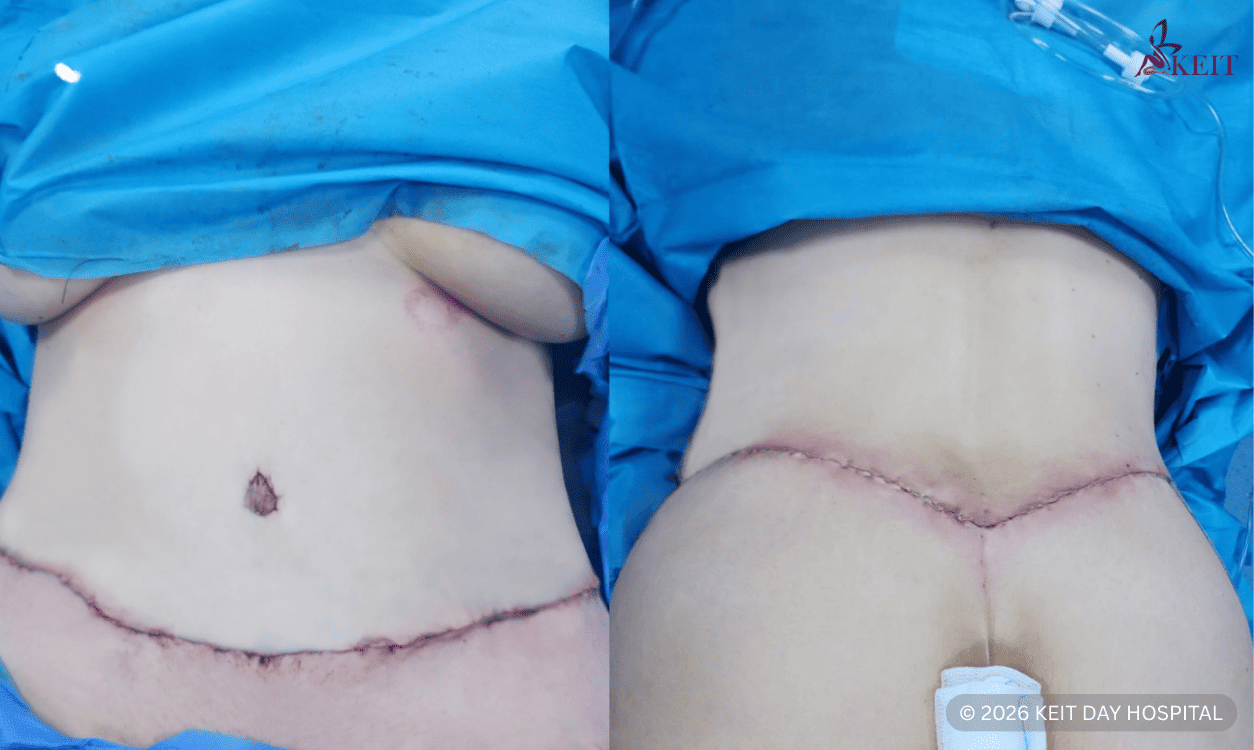
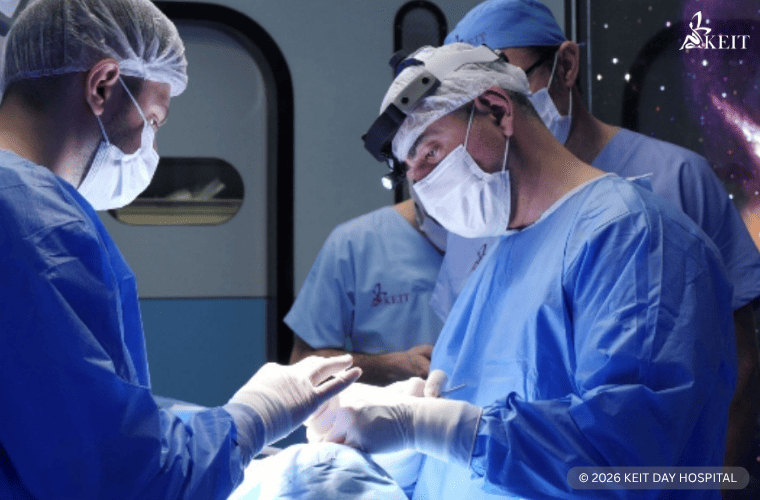
A Fleur de Lis tummy tuck is performed under general anaesthesia and involves removing excess abdominal skin, improving abdominal contour, and tightening the abdominal wall when required. During the procedure, the surgeon makes a horizontal incision in the lower abdomen and an additional vertical midline incision to address skin laxity across different areas of the abdomen. The abdominal tissues are reshaped, and the skin is repositioned to achieve a flatter abdominal contour. If abdominal muscle separation (diastasis recti) is present, the abdominal wall may also be repaired. The procedure usually takes around 3–5 hours, depending on the extent of correction required.
Recovery after Fleur de Lis tummy tuck
Recovery after Fleur de Lis tummy tuck follows a gradual timeline as the abdominal tissues heal and swelling decreases.
- First 1–2 weeks: Swelling, bruising, tightness, and discomfort are expected. Patients should follow incision care instructions and avoid activities that strain the abdominal area.
- Weeks 3–6: Most patients gradually return to normal daily activities, but heavy lifting and strenuous exercise should still be avoided.
- Months 3–6: Swelling continues to improve, abdominal tissues settle, and the contour becomes more defined.
- 6–12 months: Scars continue to mature, and the final abdominal appearance becomes clearer.
Recovery varies depending on the extent of surgery, individual healing, and whether additional procedures were performed.
Fleur de Lis tummy tuck: expected results
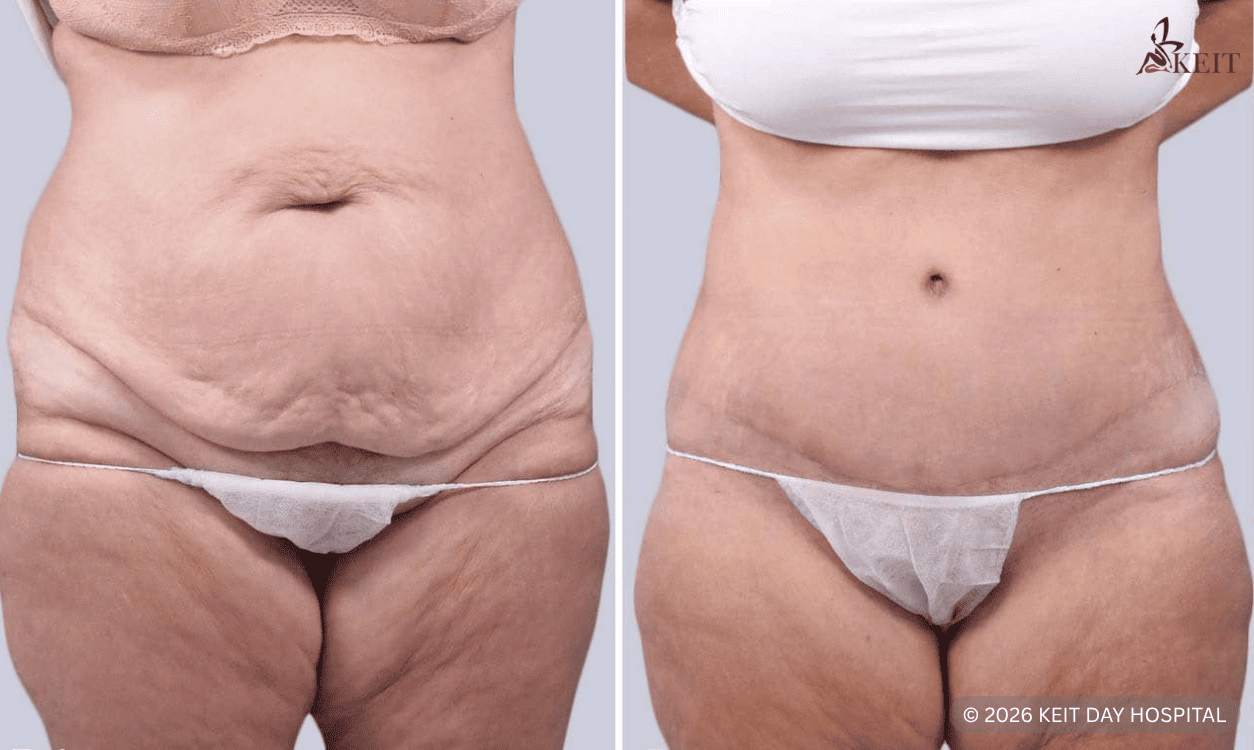
Fleur de Lis tummy tuck results show reduced abdominal skin excess, improved abdominal contour, and better definition of the waistline after major weight loss. Expected changes include:
- Removal of excess abdominal skin and correction of loose skin folds.
- A flatter abdominal contour through removal of redundant tissue and abdominal reshaping.
- Improved waistline definition and body proportion.
- A smoother abdominal appearance after healing.
What are the risks and complications of Fleur de Lis tummy tuck?
Fleur de Lis tummy tuck carries risks related to surgery, tissue healing, and the larger incision pattern required for this technique. Possible complications include:
- Infection: May affect the incision sites and require antibiotic treatment or further management.
- Bleeding or seroma: Blood or fluid accumulation may occur after surgery and may require further treatment.
- Delayed wound healing: Healing problems may occur, especially around the area where the vertical and horizontal incisions meet.
- Changes in skin sensation: Numbness or altered sensation around the abdomen may occur and usually improves over time.
- Scarring: The procedure creates both horizontal and vertical scars, which may remain visible depending on individual healing.
- Contour irregularities: Uneven healing or tissue changes may affect the final abdominal shape.
- Revision surgery: Additional procedures may occasionally be needed to address complications or refine the result.

How much does a Fleur de Lis tummy tuck cost?
A Fleur de Lis tummy tuck in the UK generally costs between 10,000 and 15,000 euro. The final cost depends on the complexity of the procedure, the extent of skin removal required, whether abdominal muscle repair is needed, and the associated surgical and facility fees. A personalised consultation is required to determine the exact cost based on the patient’s anatomy and surgical plan.