Published on:
 Modified on:

 Reading Time: 6 min
 Hair transplant
A hairline transplant is a minimally invasive procedure that restores the natural shape and density of the hairline by transferring healthy follicles to thinning or receding areas. It improves facial symmetry, enhances confidence and delivers permanent, natural-looking results.
 Table of Contents:
-
1
 What is a hairline transplant?
-
2
Who is a good candidate for hairline transplant
-
3
Hairline transplant female: Restoring a natural, feminine hairline
-
4
From consultation to hairline transplant procedure: The patient’s journey
-
5
Main hairline transplant techniques explained
-
6
How many grafts are needed for a hairline transplant
-
7
Hairline transplant before and after: Setting real expectations
-
8
Hair transplant for receding hairline: Recovery and aftercare explained
-
9
Hairline transplant: Potential risks to consider
-
10
Hairline transplant cost UK: What influences the price and what to expect
In this article, we’ll cover everything about hairline transplant, including how does hairline surgery work, who makes an ideal candidate and the difference between male and female hairline transplant. You’ll learn about the main FUE, DHI and FUT techniques, how many grafts are needed, hairline transplant before and after results and key recovery steps. We’ll also explain potential risks and what factors influence your final hairline transplant price, helping you make an informed and confident choice.
What is a hairline transplant?
A hairline transplant, also known as hairline restoration, is a cosmetic procedure designed to rebuild or lower the natural hairline in areas affected by thinning or recession. Its main goal is to restore facial harmony and a youthful frame by enhancing the density and shape of the frontal scalp. Hairline replacement is ideal for men and women who have experienced hairline loss due to genetics, aging, or hormonal factors. Using modern techniques such as FUE and DHI, surgeons can achieve natural-looking results with minimal scarring and a quick recovery, ensuring the new hairline blends seamlessly with the existing hair.
For more details on surgical methods and medical standards in hair restoration, visit the International Society of Hair Restoration Surgery (ISHRS), a leading global authority on hair transplant procedures.
Who is a good candidate for hairline transplant
The ideal candidate for a hairline surgery is someone with localized frontal hair loss, stable hair loss patterns, good health and adequate donor density for strong graft survival. Men usually undergo the procedure to restore a receding or uneven hairline, while women seek to refine the frontal contour or correct thinning from hormonal or traction causes. A detailed assessment of the donor area, scalp and goals ensures suitability and patients with realistic expectations achieve the most natural, lasting results.
Hairline transplant female: Restoring a natural, feminine hairline
Female hairline transplant focuses on lowering a naturally high hairline or restoring density in the frontal region affected by hormonal or traction-related thinning. It requires precise graft placement and softer density to maintain a natural feminine contour. Advanced FUE and DHI methods allow surgeons to design rounded, delicate hairlines that complement each patient’s facial proportions. As seen in female hairline transplant before and after results, the transformation enhances harmony without over-densifying the frontal area. Results are long-lasting and blend seamlessly with surrounding hair.
From consultation to hairline transplant procedure: The patient’s journey
The hairline transplant process is straightforward and carefully structured to ensure comfort, safety and natural-looking results from start to finish.
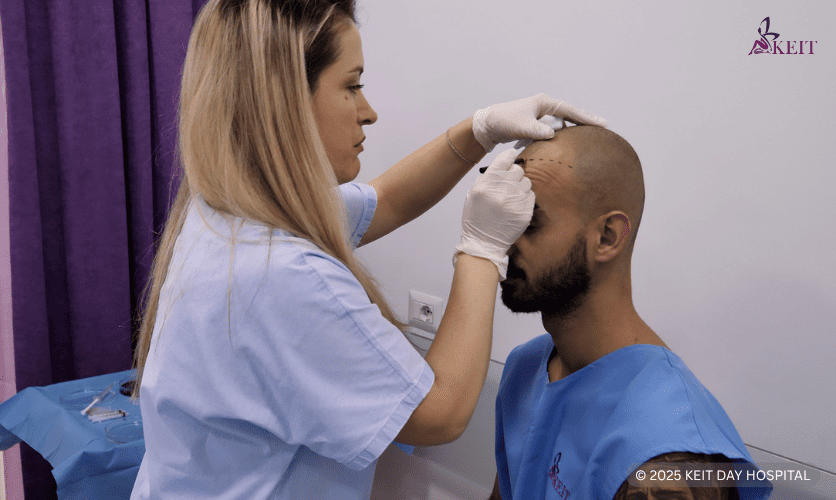
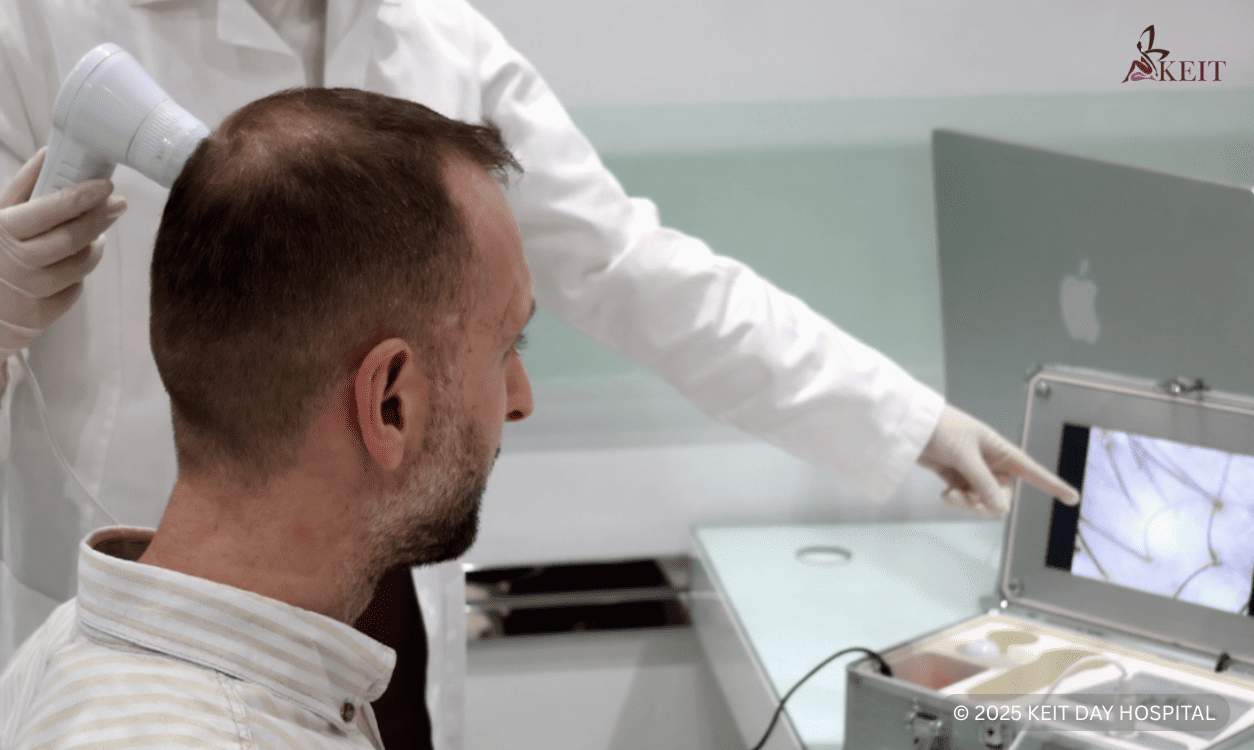
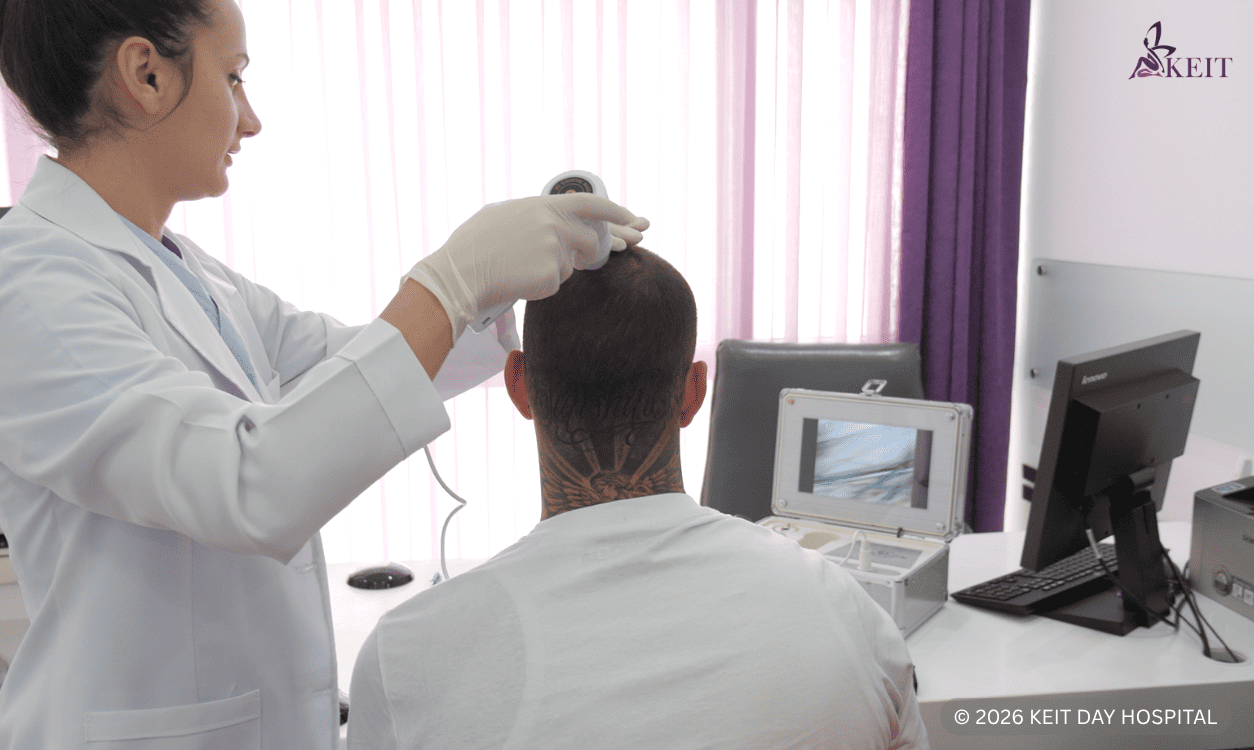
- Consultation and design: The journey starts with a detailed scalp and donor area evaluation. The surgeon designs a personalized hairline that suits your facial proportions and discusses density goals, expected results and the best technique for your case.
- Preparation: A customized treatment plan is provided, including the chosen method (FUE, DHI, or FUT), estimated graft number and pre-surgery instructions such as avoiding smoking, alcohol and blood-thinning medications.
- Surgery day: On the day of the procedure, the donor area is trimmed and sterilized and local anesthesia with light sedation ensures comfort. The surgeon extracts and prepares healthy grafts, then makes tiny incisions in the frontal area to implant them following the natural hair direction. The procedure takes around four to six hours and patients can return home the same day with aftercare guidance.

Main hairline transplant techniques explained
Three main surgical methods are used to restore a natural hairline. Each offers distinct advantages depending on the patient’s needs, donor availability and density goals.
FUE (Follicular Unit Extraction)
This is the most widely performed method today. Individual follicles are extracted from the donor area using micro-punch tools and implanted into recipient sites one by one. FUE leaves tiny dot-like scars that are virtually invisible and allows a fast recovery.
DHI (Direct Hair Implantation)
DHI uses a Choi implanter pen to insert grafts directly into the scalp without creating pre-made incisions. This ensures precise control over angle and density, ideal for creating a soft, natural hairline. Recovery is quick, with minimal trauma to the scalp.
FUT (Follicular Unit Transplantation)
Also known as the strip method, FUT involves removing a narrow strip of scalp from the donor area, dissecting it into grafts and closing the incision with fine sutures. It’s efficient for covering large areas but leaves a thin linear scar, best hidden under longer hair.
How many grafts are needed for a hairline transplant
The number of grafts required depends on the size of the area, hair type and desired density. For slight recession or hairline refinement, 500–1,500 grafts are usually sufficient. Moderate receding cases require 1,500–2,500 grafts, while extensive restorations may need 3,000 or more. Since each graft contains multiple hairs, a 2,000-graft procedure can restore up to 6,000 individual hairs. The exact count is determined during consultation, ensuring a natural, age-appropriate result.
Hairline transplant before and after: Setting real expectations
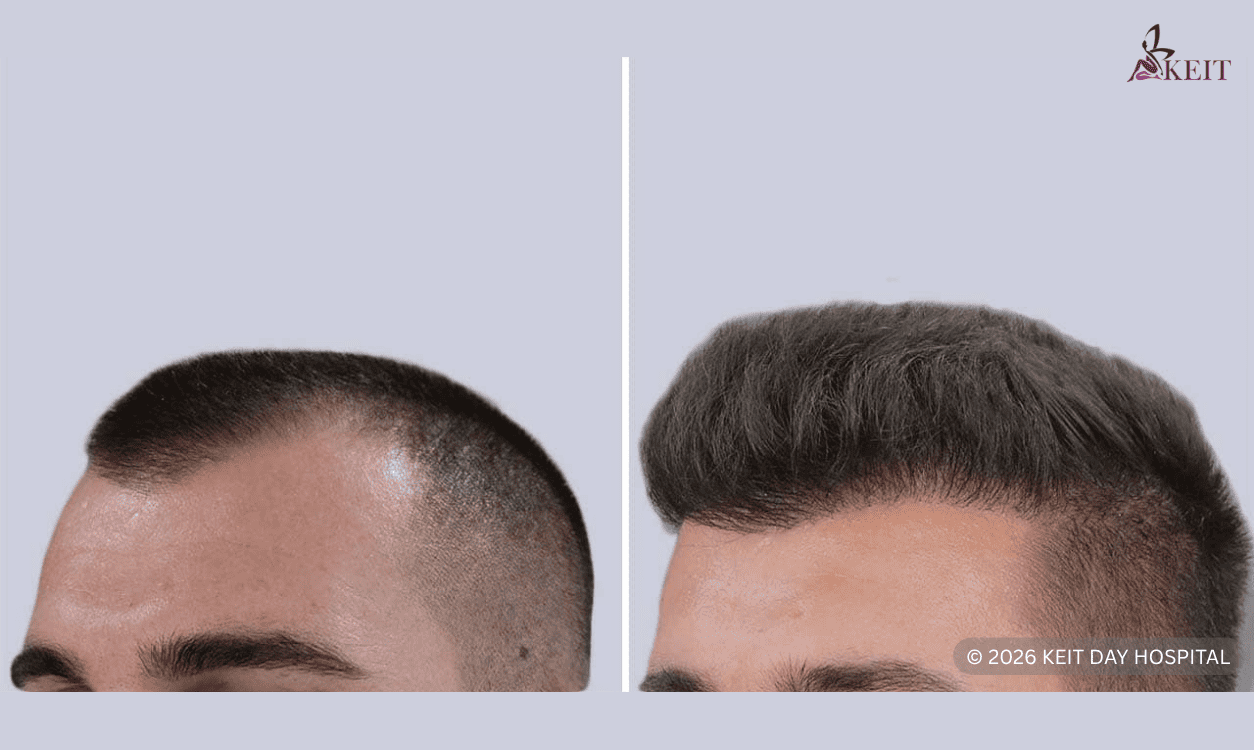
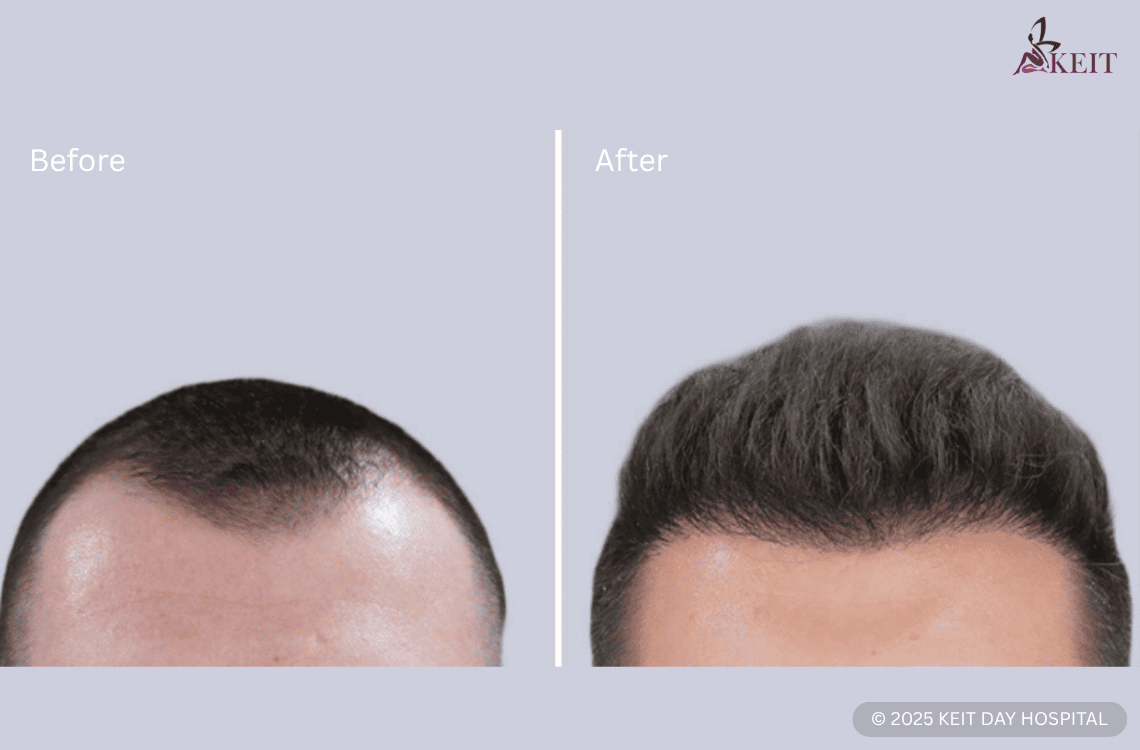
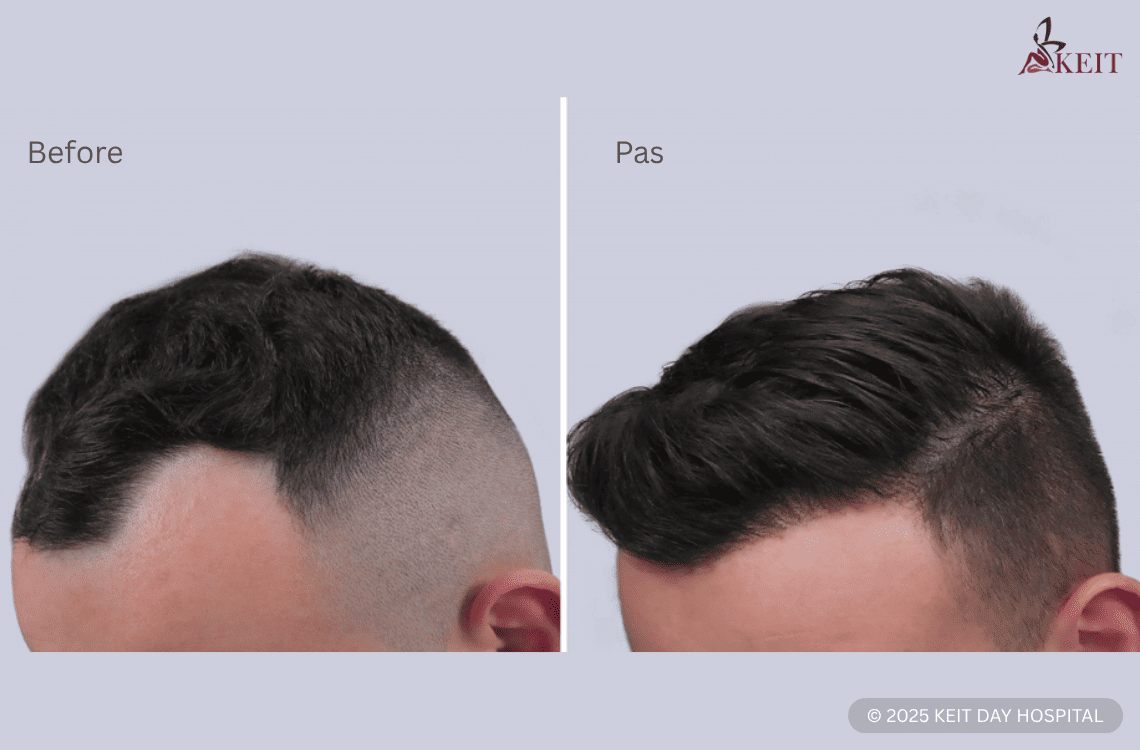
The difference achieved through a hairline transplant is both subtle and striking. Before treatment, the forehead often appears higher and the facial proportions less defined. After the procedure, the new hairline naturally frames the face, restoring youthful balance and harmony. The final result blends seamlessly with existing hair, creating a confident and refreshed appearance that enhances overall facial symmetry.
Hair transplant for receding hairline: Recovery and aftercare explained
Recovery after hairline transplant is straightforward and well-tolerated. Mild redness and swelling fade within a week and scabs fall naturally within 10–12 days. Between the first and third month, transplanted hairs enter a temporary shedding phase before new growth starts. By month six, noticeable density appears and the final result stabilizes within a year. Following aftercare guidelines, such as gentle cleansing, avoiding scratching and protecting the scalp from sunlight ensures optimal healing and growth.
Hairline transplant: Potential risks to consider
Like all cosmetic surgeries, hairline transplant carries some potential risks, though they are usually minimal when performed by an experienced specialist.
- Common risks include temporary redness, mild swelling, itching, or slight discomfort in the treated areas, which typically resolve within a few days.
- More serious but uncommon risks may involve uneven growth, minor bleeding, or a temporary shedding of transplanted hairs that usually recovers over time.
- Rare complications include infection, visible scarring, or folliculitis (inflammation of the graft sites). In rare cases, a revision hair transplant might be required to refine density or correct minor irregularities.
Hairline transplant cost UK: What influences the price and what to expect
How much is a hairline transplant? The hairline transplant cost depends on the clinic’s location, the surgeon’s experience and the number of grafts required to restore your natural hairline. On average, hairline transplant London prices start from around 5,000 euro and can reach up to 10,000 euro, depending on the complexity of the case and chosen technique. Across the rest of the UK, the cost typically ranges from 4,000 to 7,000 euro. For those exploring options abroad, hair transplant in Turkey usually ranges between 1,800 and 4,000 euro, but it’s important to verify what’s included in the package and prioritize regulated care, qualified surgeons and proper follow-up for safe and lasting results.