Published on:
 Modified on:

 Reading Time: 4 min
 Liposuction
 risks include common, temporary effects such as swelling, bruising, short-term numbness and temporary skin irregularities during healing. Less common complications include seroma, delayed healing, infection, and contour irregularities or asymmetry. Rare risks include excessive bleeding, blood clots, fat embolism, anesthesia-related complications, and very rarely internal injury. Careful planning and choosing an experienced surgeon are key to minimizing risk and supporting a safe outcome.
 Table of Contents:
-
1
 Is liposuction safe?
-
2
Common liposuction side effects: Normal and temporary
-
3
Real liposuction risks and complications
-
4
Liposuction gone wrong: Why does it happen?
-
5
Anesthesia risks in liposuction surgery
-
6
Liposuction risks by patient profile
-
7
UAL, VASER and laser liposuction: Are they safer?
-
8
When to worry about liposuction risks?
-
9
How to reduce liposuction risks?
This article explains whether liposuction is safe and the normal side effects during recovery. It then covers the real risks and complications, why unfavorable outcomes occur, and how anesthesia impacts risk. Finally, we outline how different techniques influence recovery, when to seek medical attention and risk reduction with careful planning and aftercare.
Is liposuction safe?
Modern liposuction is significantly safer than in the past due to improved surgical techniques, careful fluid control, and advanced anesthesia monitoring. These advances help reduce trauma to surrounding tissues and improve recovery.
When performed by an experienced, board-certified plastic surgeon in an accredited medical facility, liposuction surgery has a low overall complication rate. Large clinical studies consistently show that serious complications are uncommon, while the majority of post-operative effects are temporary and improve with appropriate medical care.
Common liposuction side effects: Normal and temporary
After a liposuction procedure, certain side effects are normal, temporary and expected as part of the body’s natural healing process.
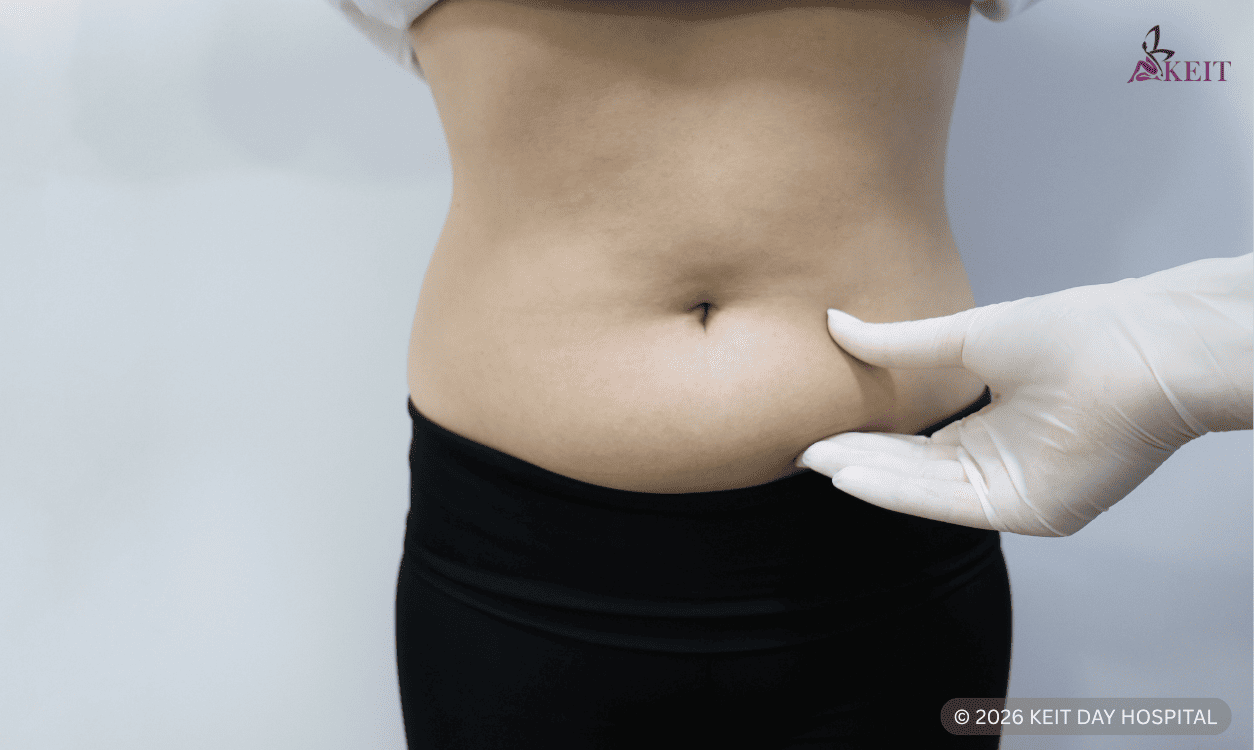
- Swelling and bruising: Very common after liposuction; peaks in the first days and gradually improves over 2–6 weeks.
- Temporary numbness: Caused by irritated small nerves; sensation typically returns over weeks.
- Mild pain or discomfort: Soreness or tightness is expected and is usually controlled with prescribed medication and compression.
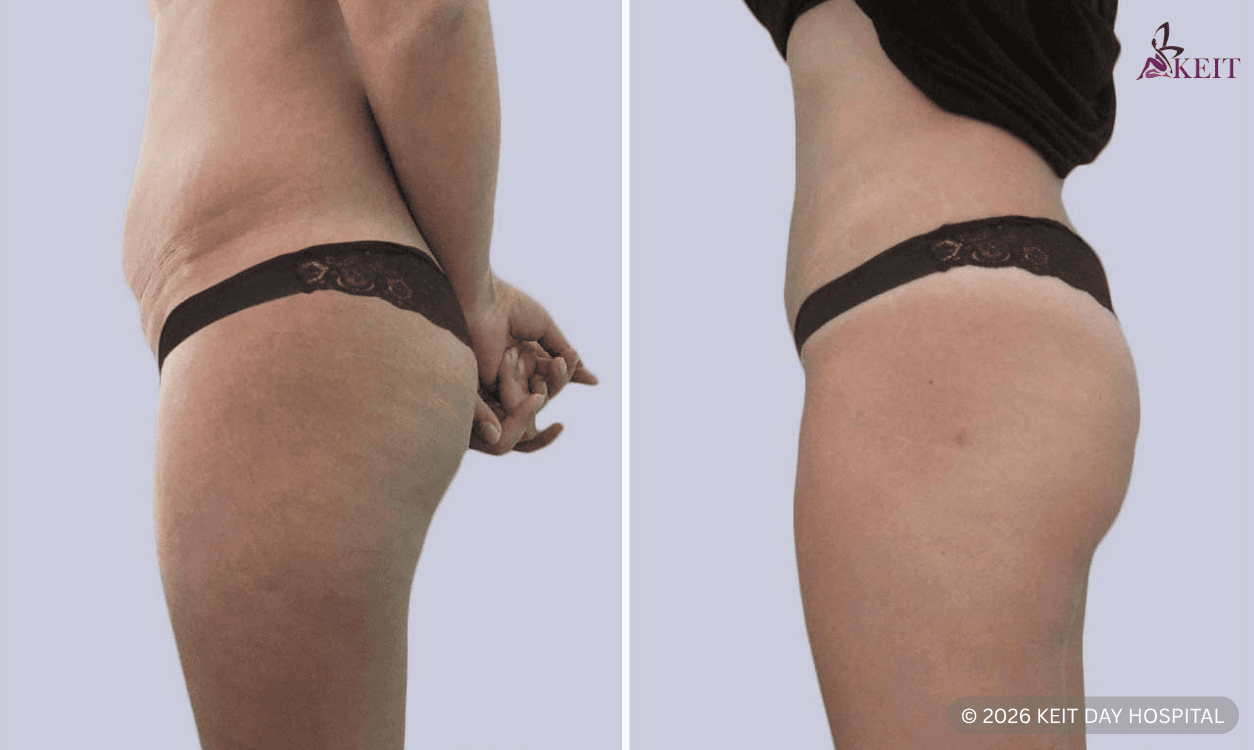
- Temporary skin irregularities: Small lumps, firmness, or waviness can appear while swelling settles; massages and compression garments often help and smoothness improves with time.
- Minor scarring from liposuction: Incisions are small, so scars are minimal and fade over months with proper care (sun protection and scar management).
Real liposuction risks and complications
Although uncommon, true liposuction complications can occur and should be clearly understood before undergoing the procedure.
Surgical (medical) risks
These are the most serious complications related directly to liposuction surgery. They include infection, excessive bleeding, fat embolism, blood clots and, very rarely, organ injury. While uncommon when performed in accredited facilities by experienced surgeons, these represent the primary medical risks of liposuction.
Aesthetic risks
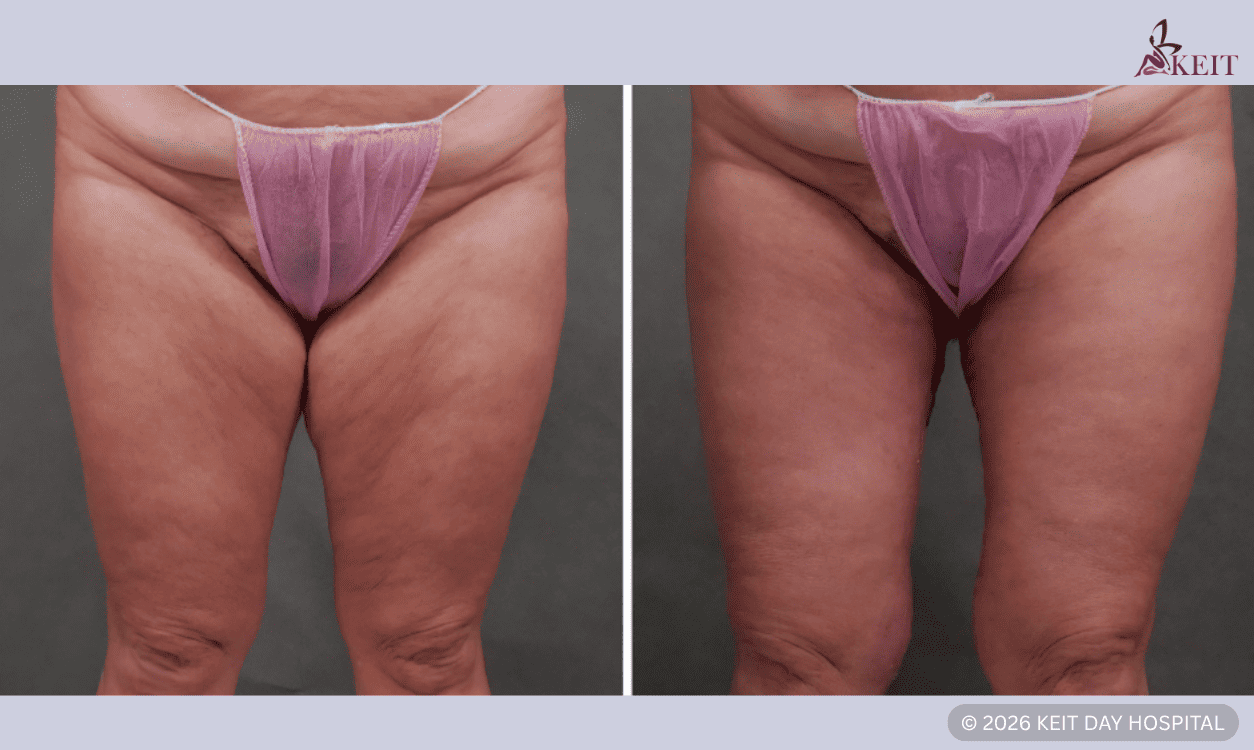
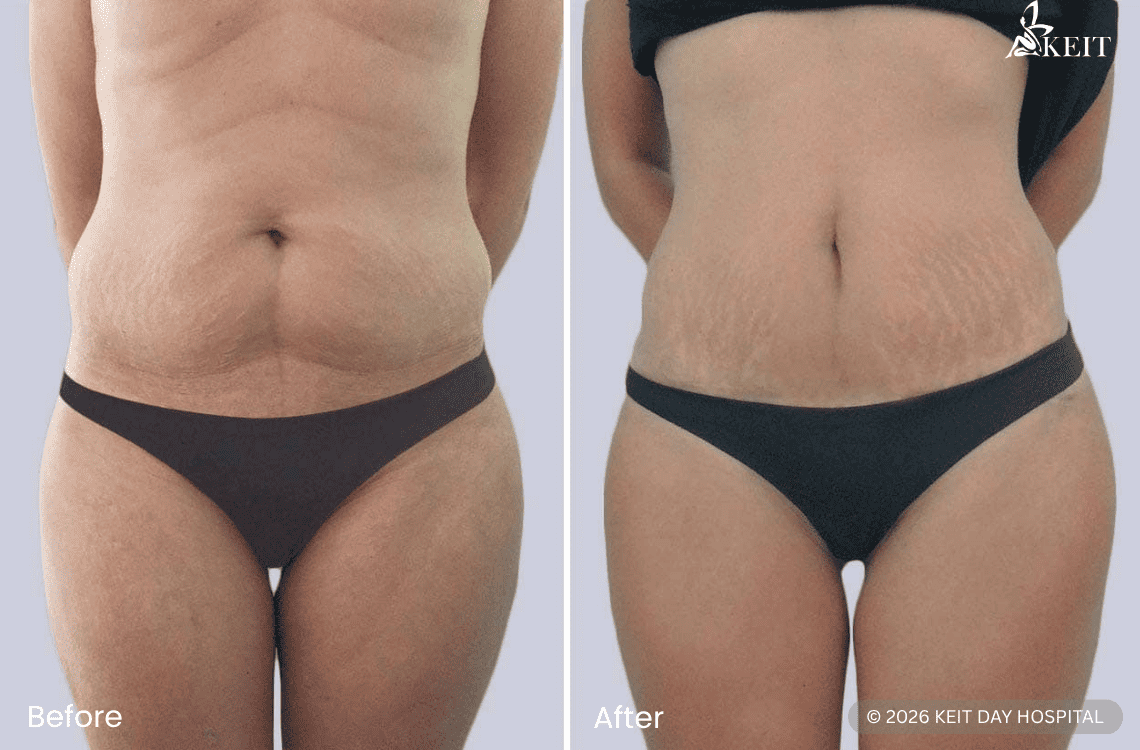
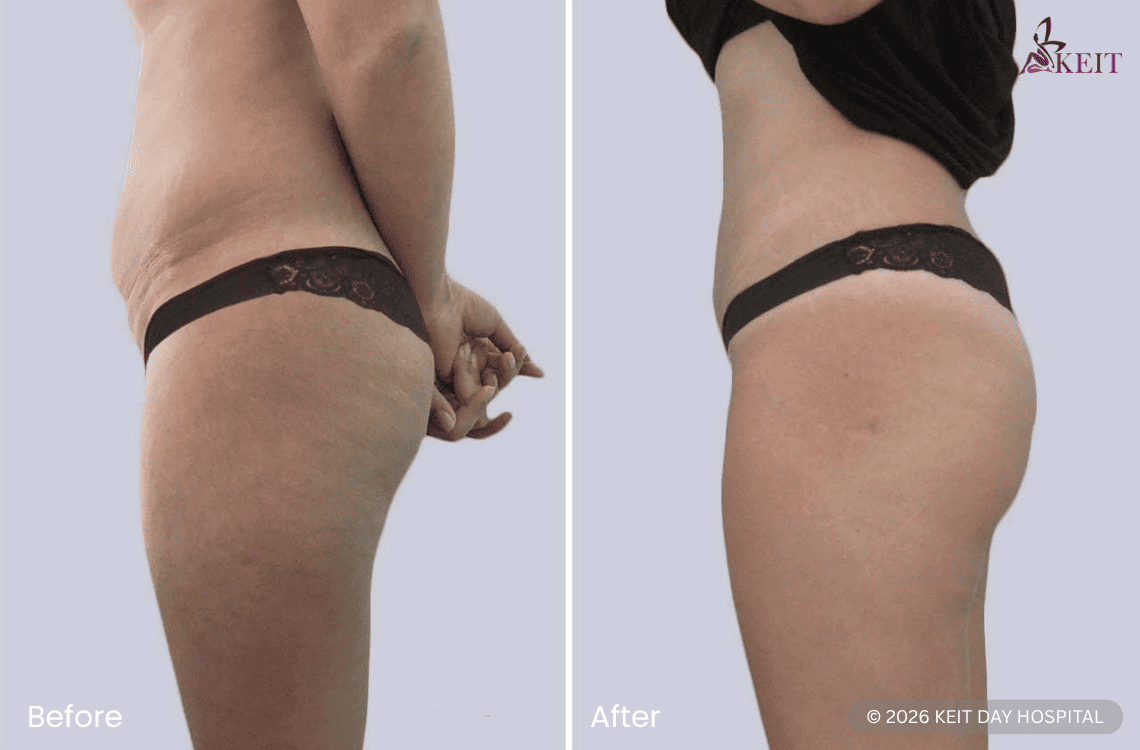
These risks affect the final appearance rather than medical safety. They include contour irregularities, asymmetry, dents, waviness, and skin looseness, often linked to technique, skin quality, and realistic expectations rather than the procedure alone.
Functional risks
Functional risks affect how the treated area feels or behaves rather than how it looks. They may include prolonged numbness, nerve irritation, fluid accumulation (seroma), delayed healing, or changes in skin sensitivity. Most functional issues are temporary and improve with proper recovery.
Book your FREE
Online Consultation Now

Liposuction gone wrong: Why does it happen?
Adverse outcomes are usually associated with identifiable factors rather than unpredictable events, such as:
- Limited surgeon experience.
- Outdated operative techniques.
- Over-aggressive fat removal.
- Poor surgical planning and assessment.
- Inadequate infection control.
- Lack of structured post-operative follow-up.
Anesthesia risks in liposuction surgery
Liposuction is performed under local anesthesia for smaller areas, or under general anesthesia for larger treatment zones and higher-volume fat removal. When administered by qualified anesthesiologists in accredited facilities with proper monitoring, modern anesthesia for liposuction is highly safe. Most patients experience only temporary, manageable effects.
- Common short-term effects may include nausea, drowsiness or mild dizziness that usually resolve within hours to a couple of days.
- Serious anesthesia-related complications are rare, particularly in healthy individuals, with reported incidence well below 1%.
Liposuction risks by patient profile
Individual patient characteristics can affect both the level of surgical liposuction risk and the recovery process, and some profiles require additional precautions:
- Smokers: Reduced blood flow increases the risk of delayed healing and infection.
- Patients with obesity: Higher surgical stress and clot risk, especially with larger-volume liposuction.
- Individuals with diabetes: Slower healing and higher infection, particularly if sugar control is poor.
- Patients with heart or lung disease: Higher anesthesia risk and lower tolerance to fluid shifts.
- Those with clotting disorders: Increased risk of bleeding or blood clots.
Personalized surgical planning is essential to minimize risks and ensure a safe outcome.
UAL, VASER and laser liposuction: Are they safer?
UAL, VASER liposuction, and laser liposuction are designed to improve precision and tissue handling, offering several potential advantages, including:
- More targeted fat removal: Energy-assisted disruption makes fat easier to remove in selected areas.
- Improved contour control: Better precision helps reduce unevenness when properly performed.
- Potential skin tightening: Laser and ultrasound energy offer mild tightening in suitable candidates.
- Less mechanical trauma: These methods reduce manual force compared to traditional techniques.
While no method is completely risk-free, these technologies can support greater control and a smoother recovery when used appropriately by experienced surgeons.
When to worry about liposuction risks?
While most post-operative symptoms after liposuction surgery are expected and temporary, certain signs require medical assessment:
- Fever or signs of infection.
- Increasing pain instead of gradual improvement.
- Breathing difficulties that worsen over time rather than improve.
- Sudden swelling or asymmetry.
- Excessive or heavy bleeding.
- Persistent or increasing fluid leakage.
Early evaluation of concerning symptoms is essential to prevent more serious complications.
How to reduce liposuction risks?
Risk reduction starts before the surgery and extends through the entire recovery period. The most important safety measures include:
- Choosing a board-certified plastic surgeon specialized in liposuction.
- Ensuring surgery is performed in an accredited medical facility that meets established safety standards.
- Undergoing a comprehensive pre-operative medical evaluation to assess overall health and identify potential risk factors.
- Avoiding large-volume liposuction unless medically justified and safely indicated.
- Following all pre- and post-operative instructions carefully.