Published on:
 Modified on:

 Reading Time: 6 min
 Otoplasty
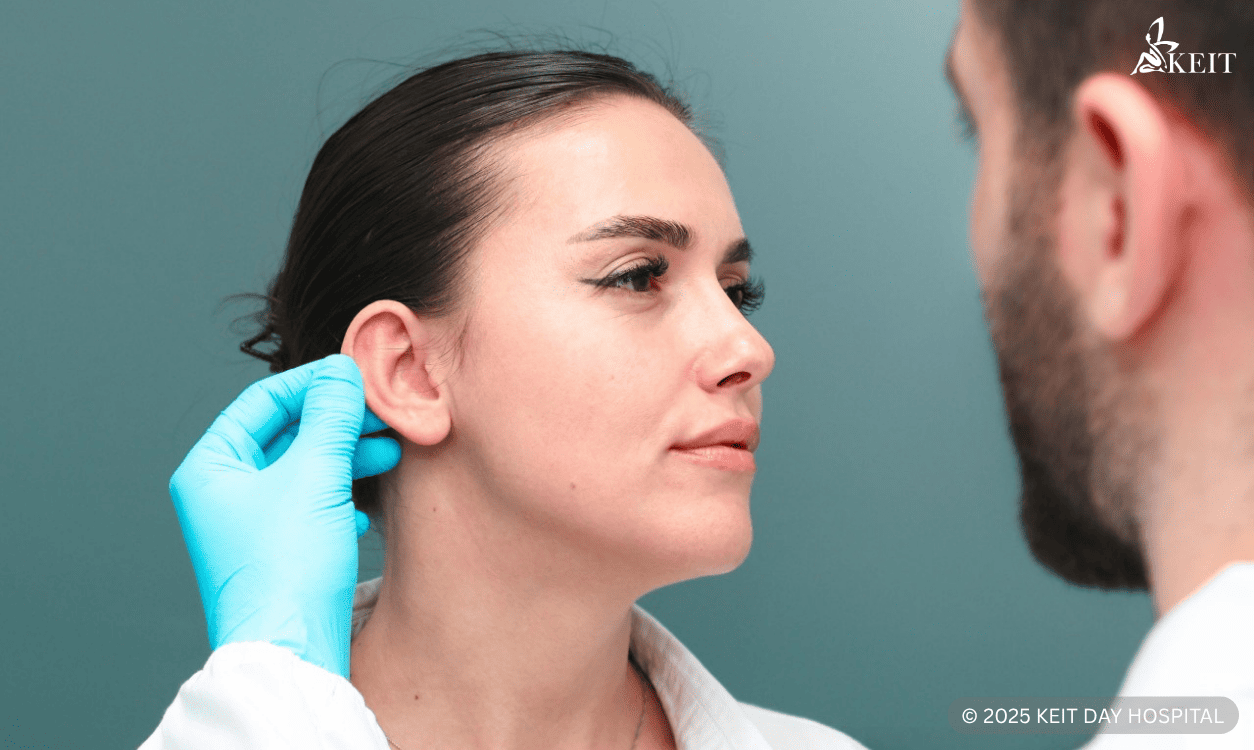
, also called ear pinning surgery, is a cosmetic ear procedure designed to reshape the cartilage and correct prominent ears. While it’s not a medical issue, protruding ears can affect confidence and facial harmony. Modern cosmetic ear surgery techniques, both surgical and minimally invasive, offer safe, natural and lasting results with minimal recovery time.
 Table of Contents:
-
1
 What otoplasty corrects: Bringing balance and proportion to the ears
-
2
Understanding otoplasty: Procedure overview and ideal candidates
-
3
Preparing for otoplasty: From consultation to surgery day
-
4
Ear pinning surgery: Main techniques explained
-
5
Cost of otoplasty surgery: How much do you spend in the UK?
-
6
Otoplasty recovery: The journey to your final results
-
7
Otoplasty before and after: Setting real expectations
-
8
Otoplasty surgery: Possible risks and complications
In this article, we will analyze everything you need to know about otoplasty, from understanding what causes prominent ears and who makes an ideal candidate to how to prepare for surgery, the different ear pinning techniques available, recovery timelines, costs in the UK, expected otoplasty before and after results and potential risks, helping you make an informed and confident decision about ear correction surgery.
What otoplasty corrects: Bringing balance and proportion to the ears
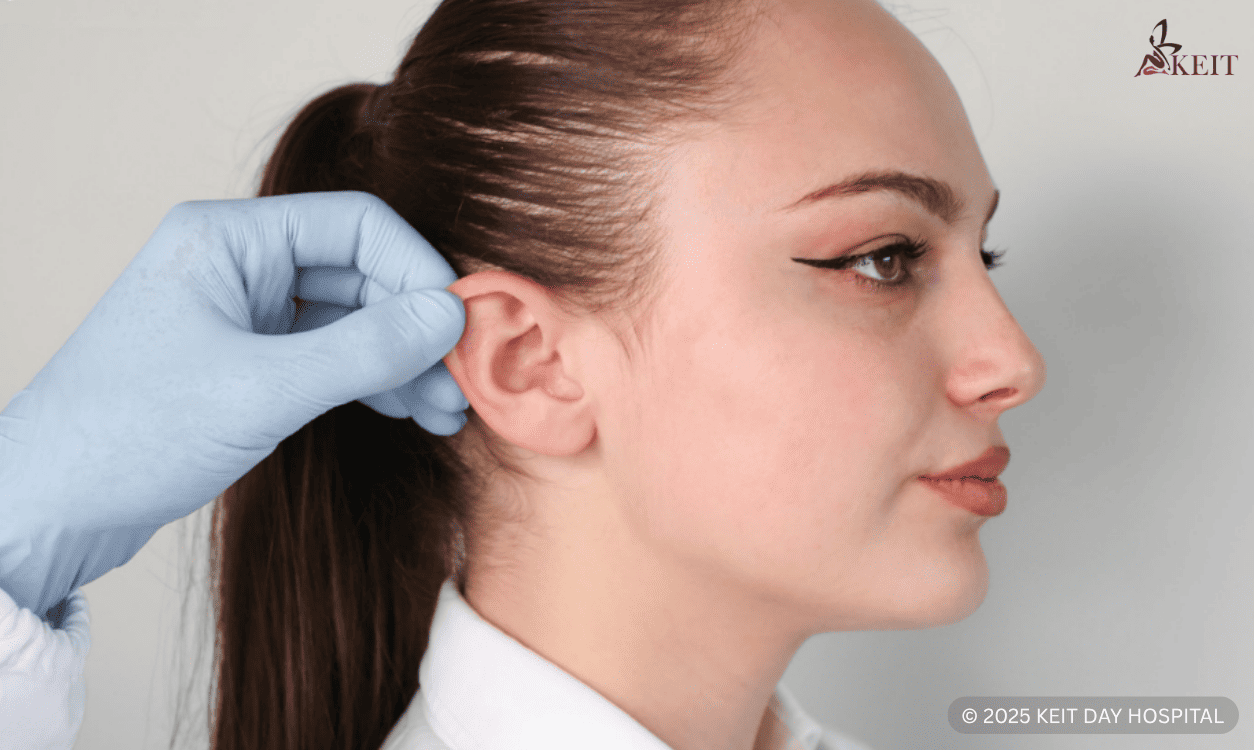
Otoplasty, also known as pinning ears back surgery, is designed to correct ears that appear prominent, asymmetrical, or disproportionate to the face by addressing the angle and projection rather than the size, creating a more balanced and natural contour. The procedure can reshape an underdeveloped cartilage fold or correct ear deformities caused by genetics, trauma, or previous surgery. While it doesn’t affect hearing, many people choose ear pinning surgery to enhance confidence and restore natural proportions, making otoplasty surgery one of the most popular and rewarding cosmetic ear procedures in the UK and abroad.
Understanding otoplasty: Procedure overview and ideal candidates
Otoplasty (also known as ear correction surgery or pinnaplasty) reshapes and repositions the ear cartilage to bring the ears closer to the head for a more natural appearance. This procedure, often described as having the ears tucked back, involves making a small incision behind the ear to reshape or fold the cartilage with fine sutures, creating a smooth and refined contour. The incision is closed carefully, leaving a discreet scar. The surgery takes about one to two hours under local anesthesia (with optional sedation) and most patients return home the same day wearing a light dressing or headband for protection and healing.
This procedure is ideal for individuals with prominent, asymmetrical, or large ears, or those looking to correct issues caused by injury or previous surgery. It’s suitable for both children (from age five) and adults in good overall health who have realistic expectations about the results. For safety and natural-looking outcomes, otoplasty should always be performed by an experienced surgeon specializing in ear plastic surgery or ear reshaping procedures.
Preparing for otoplasty: From consultation to surgery day
Proper preparation helps ensure a smooth surgery, quick recovery and the best possible results. Follow these key steps before you ear pinning surgery:
- Consultation: Discuss your goals, have a physical exam, review your medical history and receive pre-operative instructions.
- Medical evaluation: Complete any required laboratory tests to confirm you’re fit for surgery.
- Medications: Stop blood thinners, aspirin and certain supplements as advised by your surgeon.
- Lifestyle: Quit smoking two weeks before and avoid alcohol for 48 hours before surgery. Stay hydrated.
- Home preparation: Stock up on medications, dressings and soft foods. Set up a comfortable rest area.
- Surgery day: Follow fasting rules (no food ~ 8 hours before), wash your hair the night before, wear loose clothing and arrive with your caregiver.

Ear pinning surgery: Main techniques explained
Depending on the degree of protrusion and ear structure, the surgeon may perform either a traditional surgical otoplasty or a minimally invasive otoplasty. Both techniques provide natural, lasting improvements tailored to each patient.
Traditional otoplasty surgery
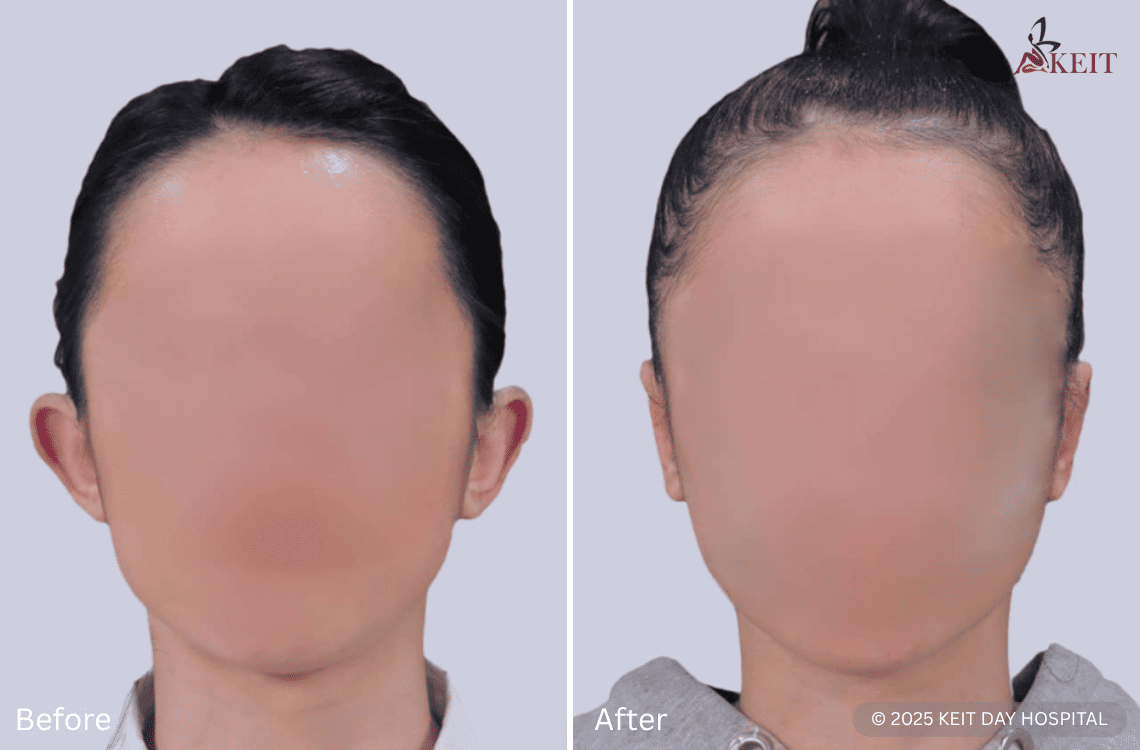
In traditional otoplasty, also called surgical ear pinning, a small incision is made behind the ear to access and reshape the cartilage. The surgeon may fold, remove, or reposition parts of the cartilage to reduce ear projection and achieve a balanced, natural contour effectively resulting in the ears pinned back. The operation typically lasts 45 – 60 minutes under local anesthesia, with scars discreetly hidden behind the ears. Since the cartilage heals in its new shape, results are long-lasting and ideal for patients with prominent or asymmetric ears.
Minimally invasive (Earfold technique)
The Earfold technique offers a faster, minimally invasive alternative for patients with mild to moderate prominence. Small, biocompatible titanium clips are inserted beneath the skin to reshape and reposition the ears instantly.
The procedure takes about 30 minutes under local anesthesia and patients usually resume normal activities within 24 – 48 hours. This incisionless otoplasty is perfect for those seeking non-surgical ear pinning. For more severe cases, traditional otoplasty remains the most effective and precise technique.
Cost of otoplasty surgery: How much do you spend in the UK?
The cost of otoplasty surgery depends on several factors, including the surgeon’s expertise, the technique used and the location of the clinic. In the UK, the average price ranges from 2,500 to 4,500 euro for both ears, while in London, where specialist demand is higher, fees may exceed 5,000 euro.
People often research terms like “Otoplasty cost UK” or “Ear pinning cost UK” when comparing clinics. Final pricing can vary based on the complexity of the correction, the type of anesthesia used and whether one or both ears are treated. Above all, patients should focus on finding a qualified, experienced surgeon and a reputable clinic to ensure a safe ear pinning surgery.
For a full breakdown of prices in different countries, check out our complete article on otoplasty cost in the UK, Turkey and Albania.
Otoplasty recovery: The journey to your final results
Recovery after otoplasty (ear pinning surgery) is typically quick and comfortable. A protective headband is worn continuously for the first 5 – 7 days, then only at night for an additional two weeks. Most patients return to normal routines within 7 – 10 days. Avoid sports or activities that could impact the ears for about one month. Mild, temporary swelling or sensitivity is common. Recovery is typically shorter with the Earfold technique compared to traditional surgery.
The table below summarizes the typical otoplasty recovery timeline and key aftercare steps:
| Timeframe | Key requirement | Expected outcome |
|---|---|---|
| First 5 – 7 days | Continuous headband (24/7) | Initial swelling protection; secure new ear position. |
| First 7 – 10 days | Return to normal routine | Most patients can resume work/school. |
| Next 2 weeks | Night-time headband only | Continued support while sleeping. |
| First month | Avoid contact activities | No sports or activities that could impact ears. |
| Beyond 1 month | Final results | Swelling and sensitivity resolve; long-lasting results visible. |
Otoplasty before and after: Setting real expectations
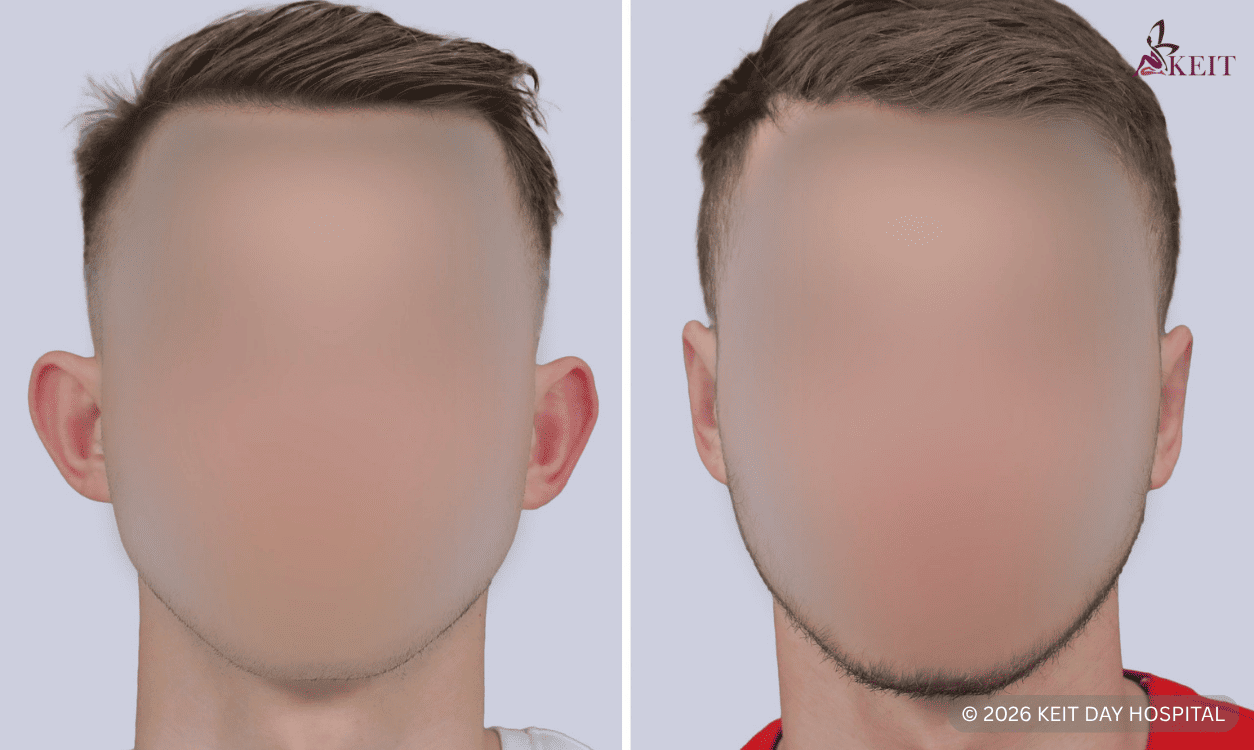
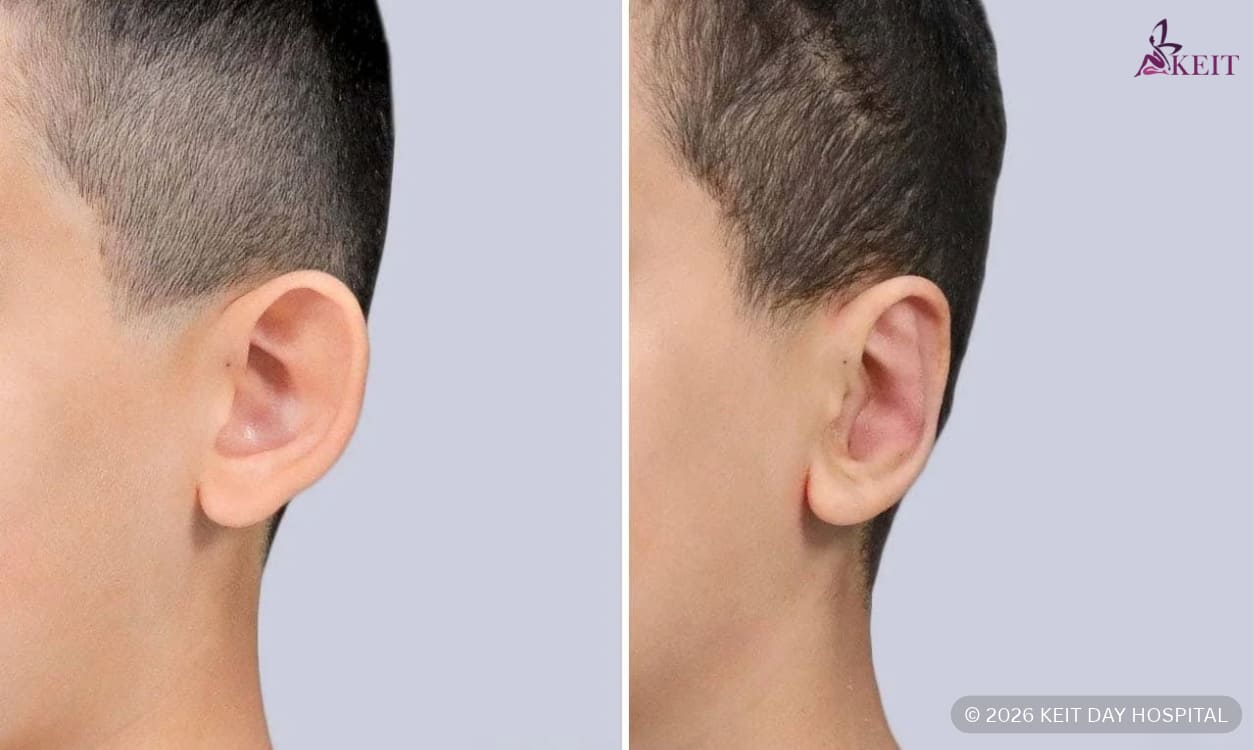
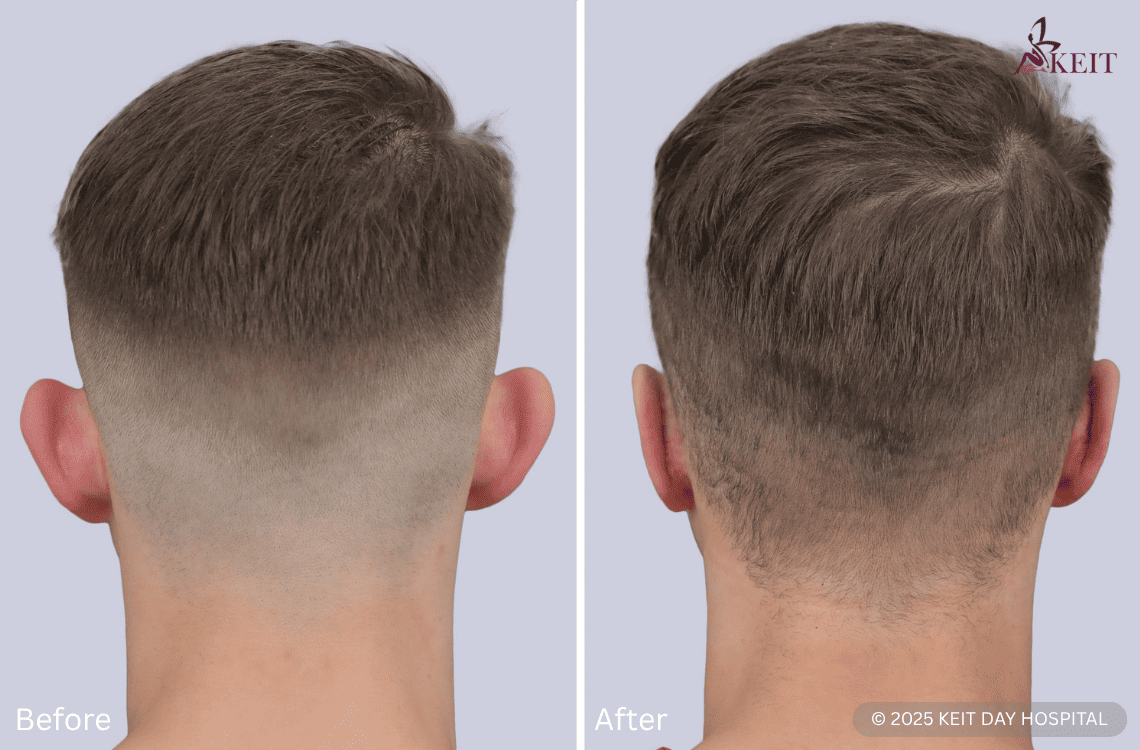
Otoplasty before and after results are visible soon after bandage removal, revealing more symmetrical and natural-looking ears. While minor swelling may last for a few weeks, the final shape becomes apparent quickly. Scars are discreetly hidden behind the ears and gradually fade over time. Ear pinning surgery before and after photos show improved facial balance and harmony without drastic change, resulting in a subtle yet confident appearance.
Otoplasty surgery: Possible risks and complications
Otoplasty is a safe and effective procedure, though, like any surgery, it carries some potential risks.
- Common risks: Include mild swelling, bruising, or discomfort, which usually resolve within one to two weeks. Some patients may also experience temporary numbness or tingling around the ears, which improves as healing progresses.
- More serious risks: Include infection, asymmetry if one ear heals differently, or visible scarring in rare cases. Occasionally, a hematoma (blood buildup) or delayed wound healing may occur, particularly if aftercare instructions aren’t followed properly.
- Rare risks: Include recurrence of ear prominence if sutures loosen or cartilage shifts and prolonged numbness or skin sensitivity, which typically improve over time. Allergic reactions to anesthesia or sutures are extremely rare.