Published on:
 Modified on:

 Reading Time: 4 min
 Otoplasty
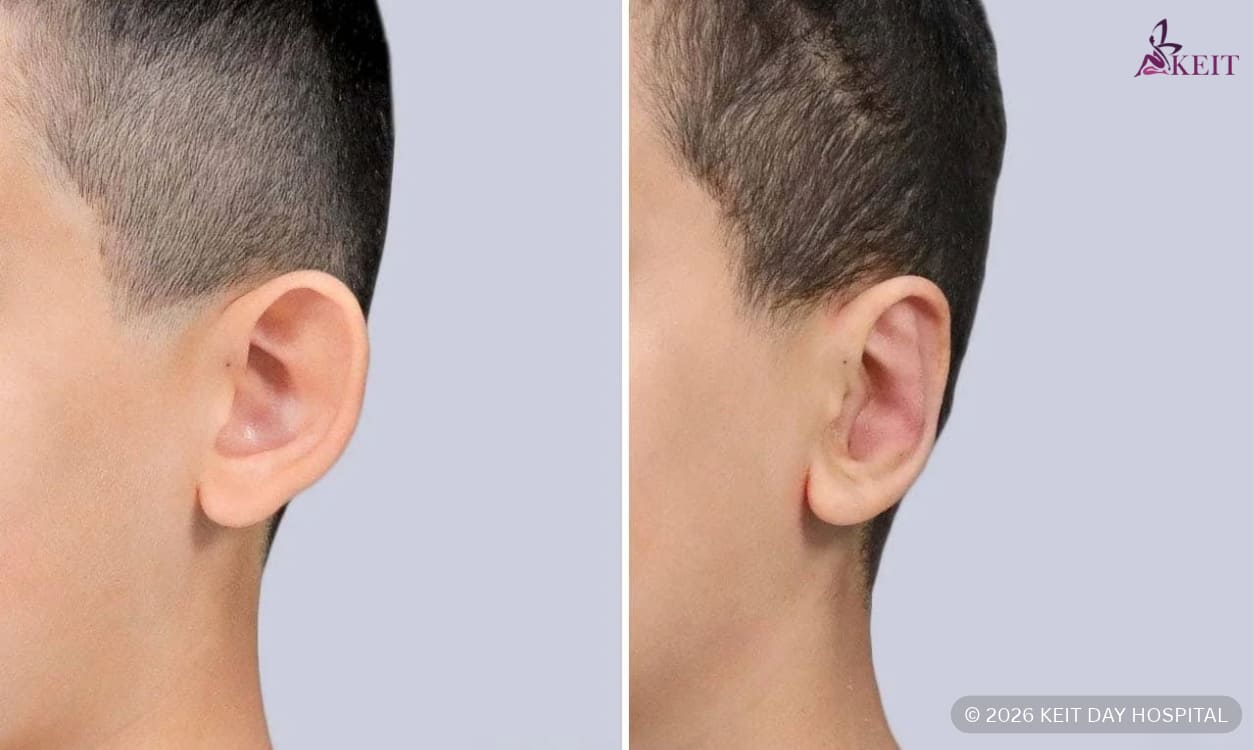
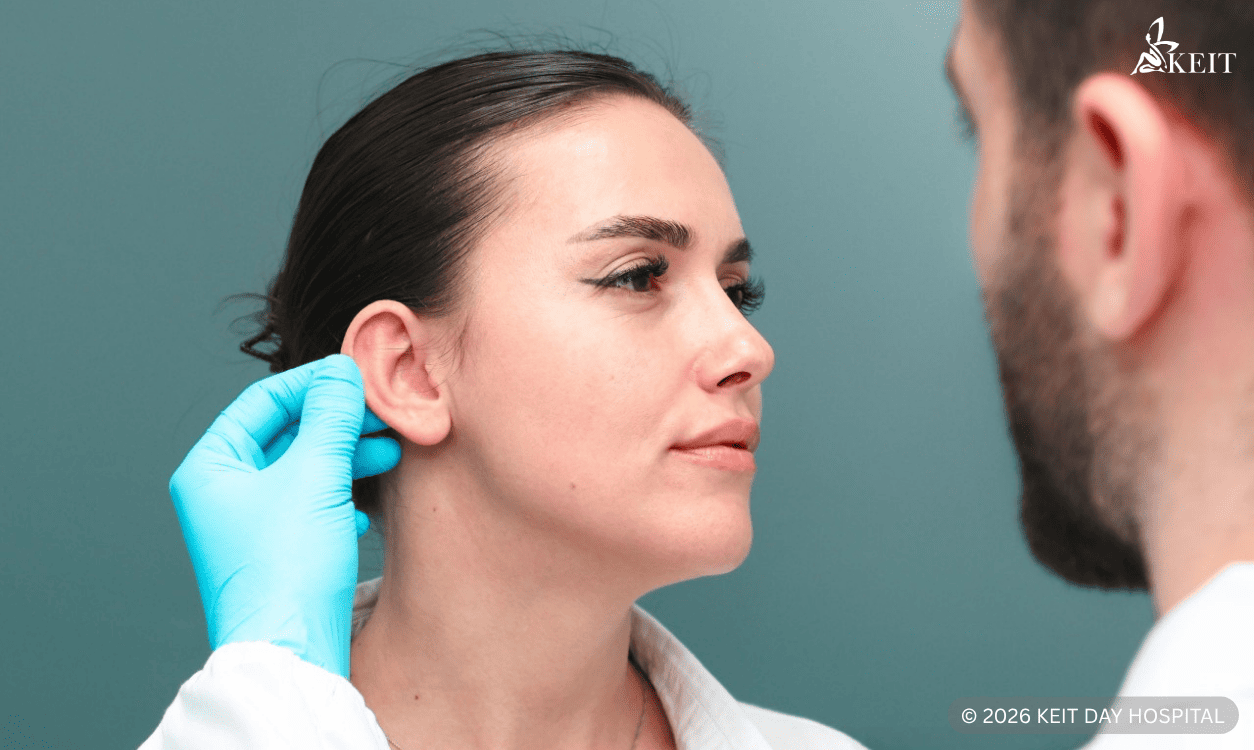
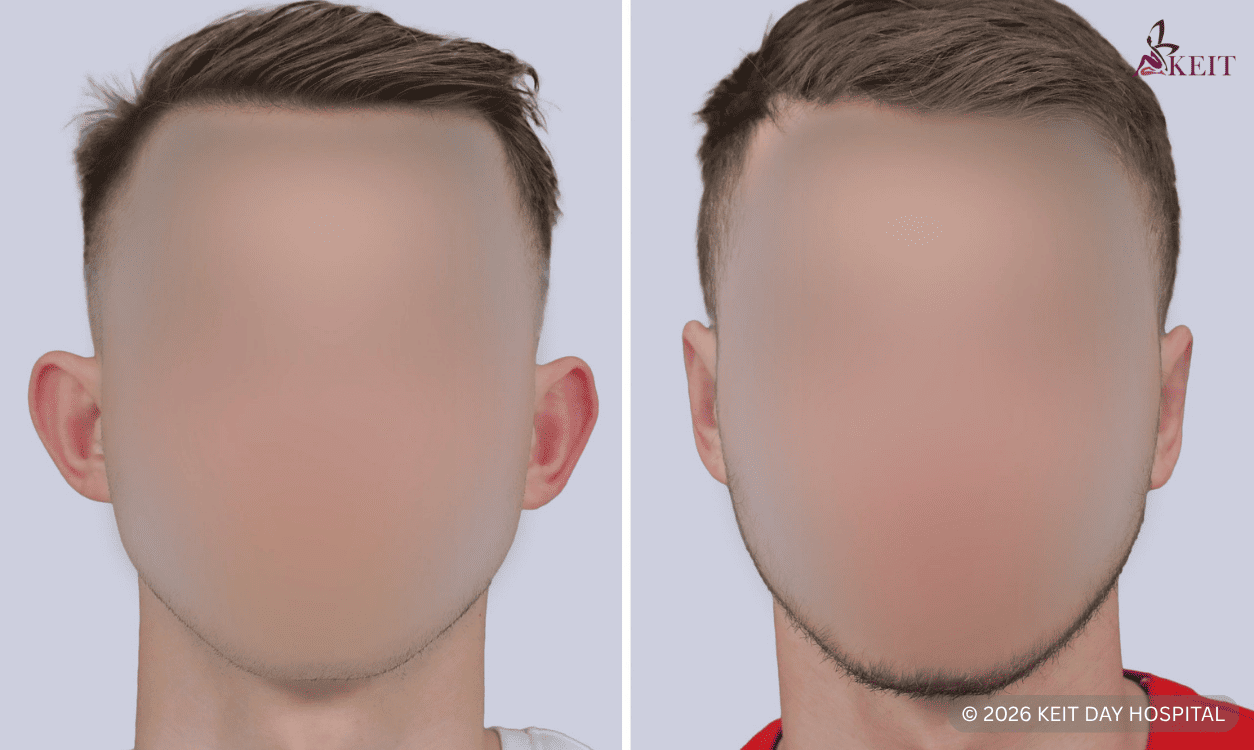
 recovery progresses through distinct phases of healing. Swelling, mild discomfort, and temporary numbness around the ears are common during the initial days and weeks. With proper aftercare, adherence to post-operative instructions, and regular follow-up, the recovery process is smooth and predictable, ensuring that the ears settle into their corrected position and the desired aesthetic results are achieved over time.
 Table of Contents:
-
1
 What to expect immediately after otoplasty surgery
-
2
Otoplasty recovery: What happens in the first hours, days, and weeks
-
3
Otoplasty recovery: Discomfort and pain management
-
4
Swelling and bruising during otoplasty recovery
-
5
Otoplasty recovery: Headband use and sleeping position
-
6
What to do to support optimal healing during otoplasty recovery
-
7
What to avoid during otoplasty recovery
-
8
When to contact your surgeon during otoplasty recovery
This comprehensive guide covers the key aspects of otoplasty recovery, including immediate post-surgery expectations, recovery timeline, pain management, swelling, and sleeping position. It explains what to do for optimal healing, what to avoid, and when to contact your surgeon during recovery.
What to expect immediately after otoplasty surgery
In the first few hours following otoplasty surgery, patients typically experience some common post-operative sensations as the anesthesia wears off and the body begins the healing process. These include:
- Grogginess and dizziness as the effects of anesthesia wear off.
- Pain or discomfort around the ears, usually managed with prescribed medication.
- Swelling and bruising, with swelling typically peaking within the first 48 hours.
- Headband placement to support the ears and minimize movement during the initial recovery.
- Mild numbness or tightness around the ears, which is temporary and improves over time.
Otoplasty recovery: What happens in the first hours, days, and weeks
The recovery timeline after otoplasty progresses through specific phases:
- First 24 hours: Initial swelling, bruising, and mild discomfort are normal. The headband or bandages must be worn continuously to support the ears and minimize movement.
- Days 2–7: Swelling and bruising may increase slightly, pain begins to subside and discomfort is typically manageable with prescribed medication.
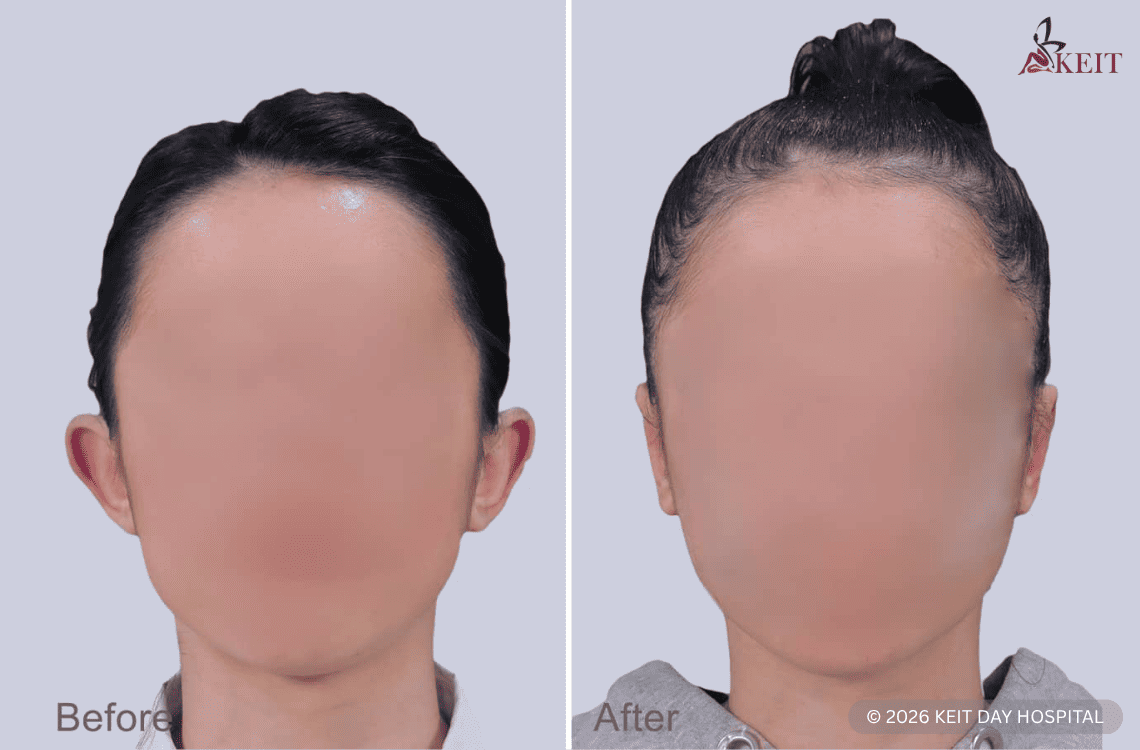
- Week 1: Bandages are typically removed, and your surgeon will evaluate the recovery process. Swelling continues to decrease, and discomfort should significantly diminish.
- Weeks 2–4: Swelling improves markedly, and bruising fades. By the end of week 4, the overall shape and contour of the ears become more evident, indicating significant progress in the healing process.
Otoplasty recovery: Discomfort and pain management
Postoperative discomfort following otoplasty is common, with pain usually ranging from mild to moderate. This discomfort can be effectively managed using prescribed analgesics or over-the-counter pain relievers, as advised by your surgeon. Adhering to the surgeon’s pain management instructions is crucial to ensure a smooth recovery and minimize unnecessary discomfort during the healing process.
Book your FREE
Online Consultation Now

Swelling and bruising during otoplasty recovery
Swelling and bruising are natural physiological responses to otoplasty surgery. The body reacts to the surgical manipulation by increasing blood flow to the area, which causes the tissues to swell. This is most prominent during the first 48 hours, as the body starts to heal.
Bruising, a result of small blood vessels being disrupted during surgery, typically fades within 7–10 days. To manage these reactions, it is essential to adhere to the prescribed headband use to prevent excessive movement and elevate the head to promote fluid drainage and reduce swelling.
Otoplasty recovery: Headband use and sleeping position
After otoplasty surgery, wearing a supportive headband is essential to protect the repositioned ears and maintain their corrected position. The headband should be worn continuously for the first 1–2 weeks, including during sleep, and then only at night for the next 3–6 weeks.
Patients should sleep on their back with the head elevated, which helps reduce pressure on the ears, minimize swelling, and protect the surgical site. Sleeping on the side or stomach should be avoided until a surgeon advises otherwise, as lateral pressure can increase swelling and potentially affect the surgical outcome.
What to do to support optimal healing during otoplasty recovery
To promote optimal recovery after otoplasty, it is important to follow these steps:
- Following prescribed headband use: Wearing the compression headband as directed helps maintain ear position, reduce swelling, and prevent movement during the initial recovery phase.
- Sleeping with the head elevated: Keeping the head elevated during sleep minimizes swelling and promotes proper fluid drainage around the ears.
- Keeping the surgical area clean: Gently cleaning the area as instructed prevents infection and supports healing.
- Taking medications as prescribed: Using pain medications and antibiotics exactly as instructed by the surgeon to manage discomfort and prevent infection.
- Ensuring adequate hydration and nutrition: Proper hydration and a balanced diet support tissue repair and reduce recovery time.
What to avoid during otoplasty recovery
To ensure proper healing and avoid complications during otoplasty recovery, the following activities should be avoided:
- Touching or adjusting the ears: Refraining from touching the surgical area is essential to prevent introducing bacteria or disrupting the healing process.
- Intense physical activity: Strenuous activities, including exercise or sports, should be avoided during the initial recovery phase to prevent strain or injury to the ears.
- Pressure on the ears: Sleeping on the side, wearing tight hats, or placing pressure on the ears should be avoided to prevent distortion and prolonged swelling.
- Smoking and nicotine: Nicotine restricts blood flow and impairs healing, which can increase the risk of complications.
- Alcohol consumption: Alcohol can exacerbate swelling and interfere with the healing process, particularly in the first few days.
- Sun exposure: The ears should be protected from direct sunlight to prevent pigmentation changes and swelling.
When to contact your surgeon during otoplasty recovery
Monitoring the recovery process is essential. Contact your surgeon if any of the following occur:
- Excessive pain or swelling that does not improve with prescribed medication.
- Signs of infection, such as redness, pus, or fever.
- Changes in ear shape or severe asymmetry that are not part of the normal
- healing process.
- Uncontrolled bleeding or hematoma that does not resolve.