KEIT Day Hospital protocols

Protocols designed around patient care and safety

Our protocols uphold the highest standards of patient safety, regulatory compliance, and professional conduct across every department of KEIT Day Hospital.

Preoperative Assessment and Fitness for Surgery
Preoperative Assessment and Fitness for Surgery Patient Safety

Preoperative Assessment and Fitness for Surgery

Defines the preoperative assessment required to determine whether a patient is medically fit to undergo surgery.

Learn more
Informed Consent, Transparency and Patient Communication
Informed Consent, Transparency and Patient Communication Patient Safety

Informed Consent, Transparency and Patient Communication

Ensures patients receive clear information about the procedure, risks, limitations, costs and documentation before providing informed consent.

Learn more
Quality, Incident Reporting and Clinical Audit
Quality, Incident Reporting and Clinical Audit Patient Safety

Quality, Incident Reporting and Clinical Audit

Defines processes for monitoring clinical quality, reporting incidents and conducting audits to support continuous improvement.

Learn more
Safety in Procedures Involving Implants and Prostheses
Safety in Procedures Involving Implants and Prostheses Surgical Control

Safety in Procedures Involving Implants and Prostheses

Establishes safety checks and traceability requirements for procedures involving implants and prostheses.

Learn more
Management of Surgical Emergencies During Surgery
Management of Surgical Emergencies During Surgery Surgical Control

Management of Surgical Emergencies During Surgery

Defines the coordinated surgical and anaesthetic response to intraoperative emergencies, including patient stabilisation, escalation and documentation.

Learn more
WHO Surgical Safety Checklist, Time Out, Sign Out and Material Count
WHO Surgical Safety Checklist, Time Out, Sign Out and Material Count Surgical Control

WHO Surgical Safety Checklist, Time Out, Sign Out and Material Count

Standardises Sign In, Time Out, Sign Out and surgical item counts for all procedures performed in the operating theatre.

Learn more
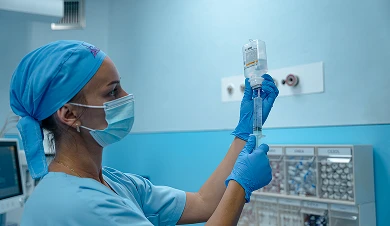
Total Intravenous Anaesthesia (TIVA) and Perioperative Monitoring
Total Intravenous Anaesthesia (TIVA) and Perioperative Monitoring Anaesthetic Safety

Total Intravenous Anaesthesia (TIVA) and Perioperative Monitoring

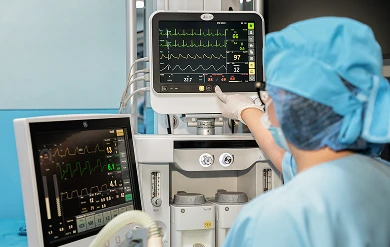
Defines the TIVA pathway, including intravenous anaesthesia, dedicated infusion pumps and continuous perioperative monitoring.

Learn more
Prevention and Management of Postoperative Nausea and Vomiting
Prevention and Management of Postoperative Nausea and Vomiting Anaesthetic Safety

Prevention and Management of Postoperative Nausea and Vomiting

Sets out PONV risk assessment, multimodal prophylaxis, postoperative monitoring and rescue treatment.

Learn more
Management of the Difficult Airway
Management of the Difficult Airway Anaesthetic Safety

Management of the Difficult Airway

Defines the assessment and management of anticipated or unexpected difficult airways.

Learn more
Prevention and Management of Malignant Hyperthermia
Prevention and Management of Malignant Hyperthermia Anaesthetic Safety

Prevention and Management of Malignant Hyperthermia

Defines the early recognition and emergency management of malignant hyperthermia, including dantrolene administration and intensive monitoring.

Learn more
Management of Anaesthetic Emergencies
Management of Anaesthetic Emergencies Anaesthetic Safety

Management of Anaesthetic Emergencies

Establishes the team response to anaesthetic emergencies, including early recognition, role assignment, stabilisation and emergency algorithms.

Learn more
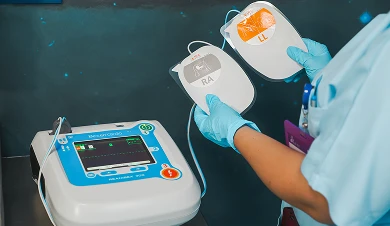
BLS-D / ALS and In-Hospital Cardiac Arrest
BLS-D / ALS and In-Hospital Cardiac Arrest Anaesthetic Safety

BLS-D / ALS and In-Hospital Cardiac Arrest

Defines BLS-D / ALS response for in-hospital cardiac arrest, including rapid resuscitation and clinical escalation.

Learn more
Prevention and Control of Healthcare-Associated Infections
Prevention and Control of Healthcare-Associated Infections Hospital Infection Control

Prevention and Control of Healthcare-Associated Infections

Establishes measures to prevent, identify and control healthcare-associated infections within the facility.

Learn more
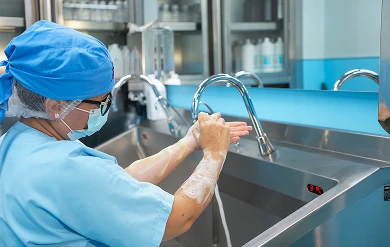
Hand Hygiene, Sterile Barriers and Skin Preparation
Hand Hygiene, Sterile Barriers and Skin Preparation Hospital Infection Control

Hand Hygiene, Sterile Barriers and Skin Preparation

Defines requirements for hand hygiene, sterile barriers and skin preparation to reduce infection risk.

Learn more
Surgical Antibiotic Prophylaxis
Surgical Antibiotic Prophylaxis Hospital Infection Control

Surgical Antibiotic Prophylaxis

Defines the appropriate use and timing of antibiotic prophylaxis for surgical procedures.

Learn more
Operating Theatre Ventilation and Air Handling Unit (AHU) Management
Operating Theatre Ventilation and Air Handling Unit (AHU) Management Hospital Infection Control

Operating Theatre Ventilation and Air Handling Unit (AHU) Management

Sets standards for operating theatre ventilation and Air Handling Unit (AHU) management to maintain controlled air quality.

Learn more
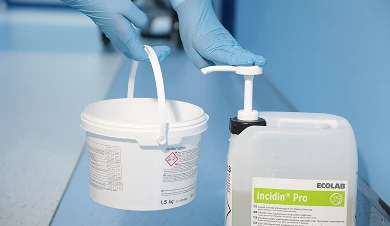
Environmental Sanitisation and Microbiological Surveillance
Environmental Sanitisation and Microbiological Surveillance Hospital Infection Control

Environmental Sanitisation and Microbiological Surveillance

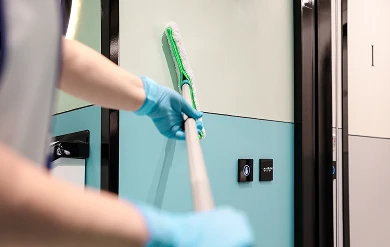
Defines environmental sanitisation procedures and microbiological surveillance to verify cleaning effectiveness.

Learn more
Instrument Sterilisation and Traceability
Instrument Sterilisation and Traceability Hospital Infection Control

Instrument Sterilisation and Traceability

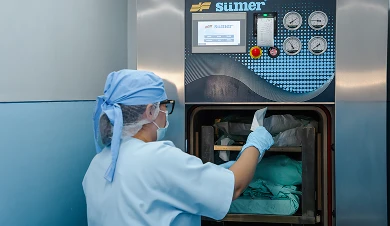
Defines instrument sterilisation, documentation and traceability throughout the reprocessing cycle.

Learn more
Anaesthesia Machine and Medical Equipment Checks
Anaesthesia Machine and Medical Equipment Checks Medication & Equipment

Anaesthesia Machine and Medical Equipment Checks

Establishes pre-use checks for the anaesthesia machine and medical equipment to confirm safe operation.

Learn more
Management of High-Risk Medications
Management of High-Risk Medications Medication & Equipment

Management of High-Risk Medications

Defines the identification, storage, labelling, double-checking, administration and monitoring of high-risk medications.

Learn more
Prevention of Venous Thromboembolism
Prevention of Venous Thromboembolism Prevention & Management of Complications

Prevention of Venous Thromboembolism

Defines measures for assessing and reducing the risk of venous thromboembolism in surgical patients.

Learn more
Safety in the Recovery Room / PACU
Safety in the Recovery Room / PACU Prevention & Management of Complications

Safety in the Recovery Room / PACU

Defines structured PACU handoff, continuous postoperative monitoring, management of early complications and safe discharge criteria.

Learn more
Management of Ward Emergencies and Patient Alarm Systems
Management of Ward Emergencies and Patient Alarm Systems Prevention & Management of Complications

Management of Ward Emergencies and Patient Alarm Systems

Sets procedures for checking alarm systems, responding to ward emergencies, clinical escalation and documenting response times.

Learn more
Postoperative Follow-up and Management of Complications
Postoperative Follow-up and Management of Complications Prevention & Management of Complications

Postoperative Follow-up and Management of Complications

Defines postoperative follow-up, warning-sign communication, clinical triage, complication management and documentation after discharge.

Learn more
Safe Patient Transfer and Clinical Escalation
Safe Patient Transfer and Clinical Escalation Prevention & Management of Complications

Safe Patient Transfer and Clinical Escalation

Defines patient stabilisation, transfer preparation, receiving-facility communication, supported transport and structured clinical handoff.

Learn more
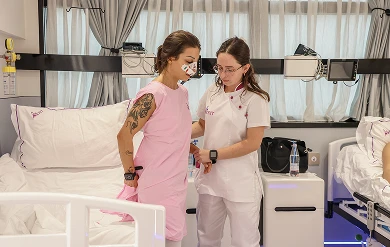
Fall Prevention and Safe Mobilisation
Fall Prevention and Safe Mobilisation Prevention & Management of Complications

Fall Prevention and Safe Mobilisation

Defines fall-risk assessment, assisted mobilisation, environmental precautions and event reporting for postoperative patients.

Learn more
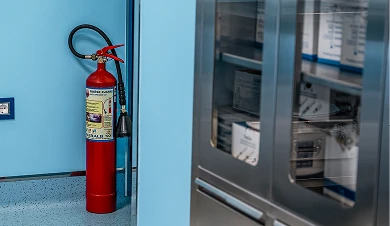
Fire Safety Protocol and Fire Prevention in the Operating Theatre
Fire Safety Protocol and Fire Prevention in the Operating Theatre Facility Safety

Fire Safety Protocol and Fire Prevention in the Operating Theatre

Defines fire-prevention measures and emergency response procedures for the operating theatre.

Learn more
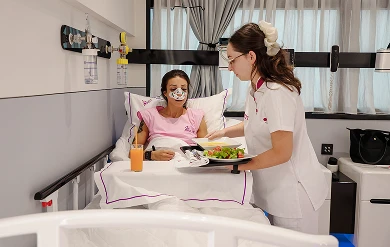
HACCP and Food Safety for Patient Meals
HACCP and Food Safety for Patient Meals Facility Safety

HACCP and Food Safety for Patient Meals

Defines HACCP controls for the preparation, storage, transport and distribution of patient meals, including special diets and traceability.

Learn more
Occupational Safety and Accident Prevention
Occupational Safety and Accident Prevention Facility Safety

Occupational Safety and Accident Prevention

Defines occupational risk assessment, PPE use, exposure management, accident reporting and staff safety training.

Learn more

How we protect patient safety

At KEIT Day Hospital, every procedure follows written clinical protocols, from the first consultation to full recovery. They cover seven areas: patient safety, surgical control, anaesthetic safety, hospital infection control, medication and equipment, prevention and management of complications, and facility safety.

KEIT is an ISO certified, licensed Day Hospital. The same protocols apply to every service, whether it is rhinoplasty, a hair transplant, dental implants or an aesthetic treatment, and they are followed by our medical team at every stage of your care.
Click here for more information