 Prevention & Management of Complications
KEIT DAY HOSPITAL
Ward emergency management and patient alarm systems protocol
Official Manual of Clinical, Care and Organizational Protocols
| Document Code | KEIT-SOP-18 | Version | 2.0 |
|---|---|---|---|
| Revision | 02 | Status | Official |
| Issue Date | 28/03/2026 | Next Review | 28/03/2027 |
| Prepared by | Medical Directorate / Quality | Approved by | |
| Signature and Date | Distribution | Controlled - Internal Use |
Purpose of the document. To officially define the scope, responsibilities, operating procedure, KEIT standards, records and protocol review criteria.
1. Document Control Information
| Application | All clinical, nursing, technical and organizational personnel involved in the described process. |
|---|---|
| Archiving | KEIT internal document management system and controlled copy in the relevant areas. |
| Review | At least annually or earlier in the event of regulatory, organizational or technological updates. |
2. Scope of Application
Applicable to all inpatient rooms and postoperative care areas.
3. Responsibilities
- Nurse on duty: first response and activation of the escalation process.
- Ward physician or physician on call: immediate clinical assessment and emergency management.
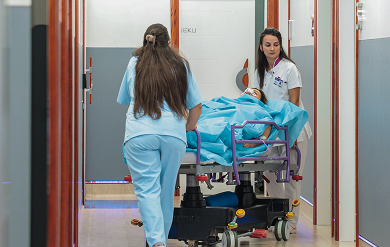
- Anesthesia/resuscitation team: Anesthesia/resuscitation team: advanced support in the event of clinical instability or cardiac arrest.
4. Operating Procedure
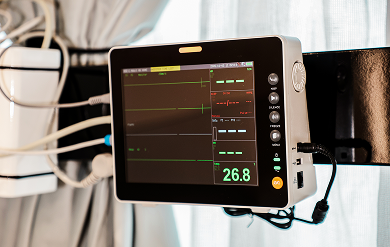
- At every shift, verify the proper functioning of the alarm, communication and monitoring systems installed in patient rooms.
- Respond immediately to every manual or automatic alarm originating from the patient’s room.
- Assess the ABCs, level of consciousness, pain, bleeding, dyspnea or other critical signs and activate escalation according to severity.
- Document the time of the alarm, response time, interventions performed and clinical outcome.
- Analyze critical or repeated alarms to identify opportunities for process improvement.
5. KEIT Operational Standards
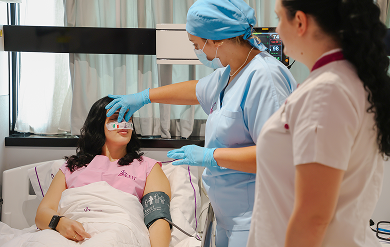
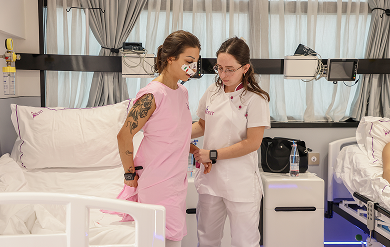
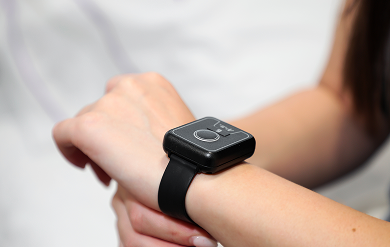
- Each KEIT room may be equipped with multiple alarm systems: a bedside call button, a wrist-worn device for the patient and a wrist-worn receiving device for the nurse and physician on duty.
- The ward also uses a smart system with a bed-presence sensor and a room motion sensor. If the patient leaves the bed and no movement is detected within the preset time, an automatic alarm is triggered for suspected fall or syncope.
- Response times and alarm traceability form part of the quality management system.
6. Records and Documentation
- Ward alarm register.
- Reports of clinical events occurring in patient rooms.
- Periodic system functionality checks.
7. Review and Updates
Review through audits of response times and false-positive system alerts.
Implementation Note
This document is an internal operational draft. Before final adoption, review by the Medical Directorate, Clinical Directorate, Legal Advisor and the relevant department managers is recommended.
This document is an internal operational draft. Before final adoption, review by the Medical Directorate, Clinical Directorate, Legal Advisor and the relevant department managers is recommended.
8. Related Attachments and Forms
- Operational checklists, recording forms, audit sheets and maintenance registers applicable to this protocol.
- Any department-specific or equipment-specific technical attachments are referenced in the relevant local operating instructions.
9. Final Approval
| Position | Name and Signature | Date |
|---|---|---|
| Medical Directorate |
Download this protocol
Get the official PDF version of this protocol.