Published on:
 Modified on:

 Reading Time: 4 min
 Aesthetic Treatments
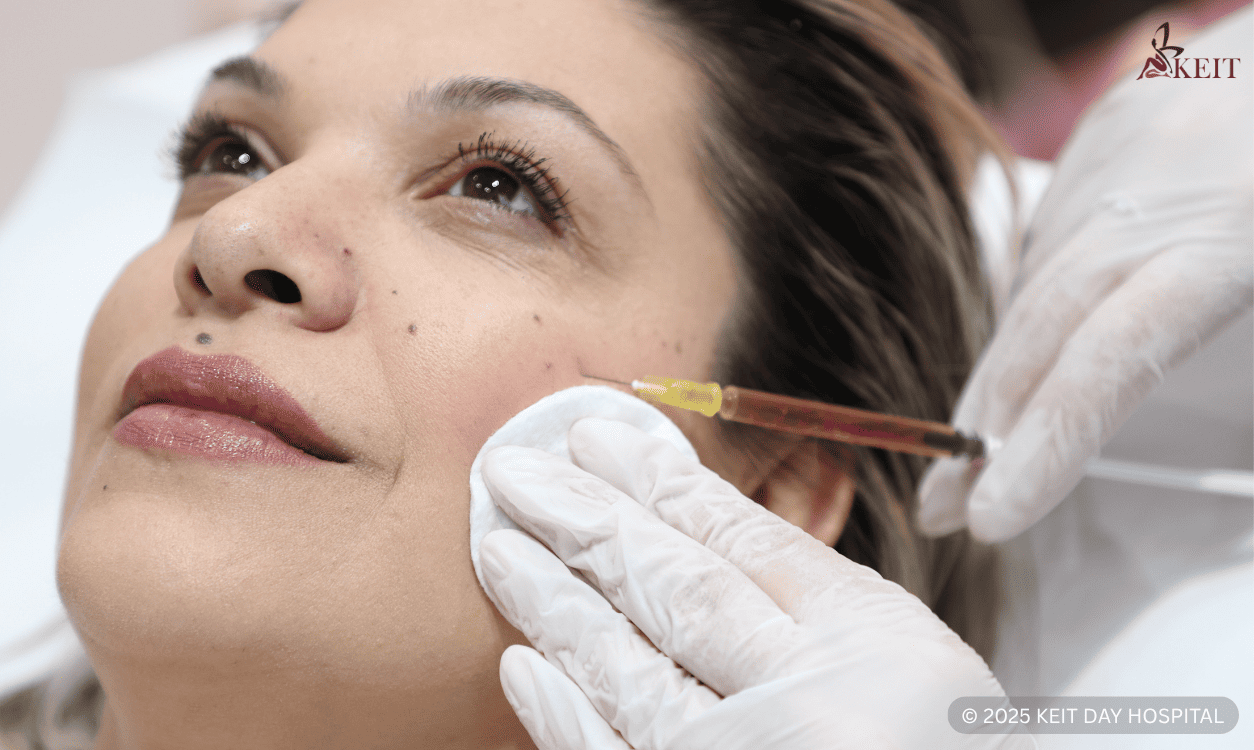
PRP treatment for face (Platelet-Rich Plasma) is a non-surgical skin rejuvenation therapy that uses your own blood plasma, rich in growth factors to naturally restore radiance, elasticity and tone. It stimulates collagen production, smooths fine lines and improves texture without synthetic fillers or long recovery time.
 Table of Contents:
-
1
 What is Platelet-Rich Plasma therapy for face (PRP facial treatment)?
-
2
Who is a good candidate for PRP facial treatment?
-
3
Contraindications: Who should avoid Platelet-Rich Plasma therapy for face
-
4
PRP facial treatment: Procedure step-by-step
-
5
Discover the benefits of PRP treatment for face
-
6
How long do PRP facial treatment results last?
-
7
PRP treatment for face before and after: Results and recovery
-
8
PRP treatment for face side effects: What to expect after your session
-
9
PRP treatment for face cost: What influences the price in the UK?
In this article, you’ll learn what PRP facial treatment is, who is an ideal candidate, possible contraindications, how the procedure works and what results to expect. We’ll also cover recovery, duration of results, potential risks and PRP treatment cost in the UK, helping you make an informed and confident decision.
What is Platelet-Rich Plasma therapy for face (PRP facial treatment)?
Platelet-Rich Plasma therapy for face, also known as PRP facial, is an advanced cosmetic procedure that uses your own platelet-rich plasma to naturally rejuvenate and revitalize the skin. It enhances collagen production, improves elasticity and restores a healthier, more youthful glow. Since the plasma is derived from your own blood, PRP facial treatment is entirely natural, safe and free from allergic or chemical reactions, making it suitable for all skin types.
Who is a good candidate for PRP facial treatment?
PRP (Platelet-Rich Plasma) facial is suitable for both men and women who want to rejuvenate their skin safely and naturally. It’s particularly recommended for those dealing with dull, dehydrated, or uneven skin tone, fine lines, mild wrinkles, or early signs of aging. The treatment can also help reduce the appearance of acne scars, enlarged pores, pigmentation and sun damage while improving overall texture and elasticity. It’s an excellent choice for individuals who want subtle, natural-looking results without relying on synthetic fillers or undergoing invasive surgical procedures.
Contraindications: Who should avoid Platelet-Rich Plasma therapy for face
Although Platelet-Rich Plasma (PRP) injections are a safe, autologous procedure, they are not suitable for everyone. The platelet plasma facial should be postponed or avoided in the following cases:
- Active acne, infections, or inflammation on the face.
- Blood or platelet disorders (anemia, thrombocytopenia).
- Autoimmune or immunosuppressive conditions.
- Use of anticoagulants or blood-thinning medications.
- Pregnancy or breastfeeding.
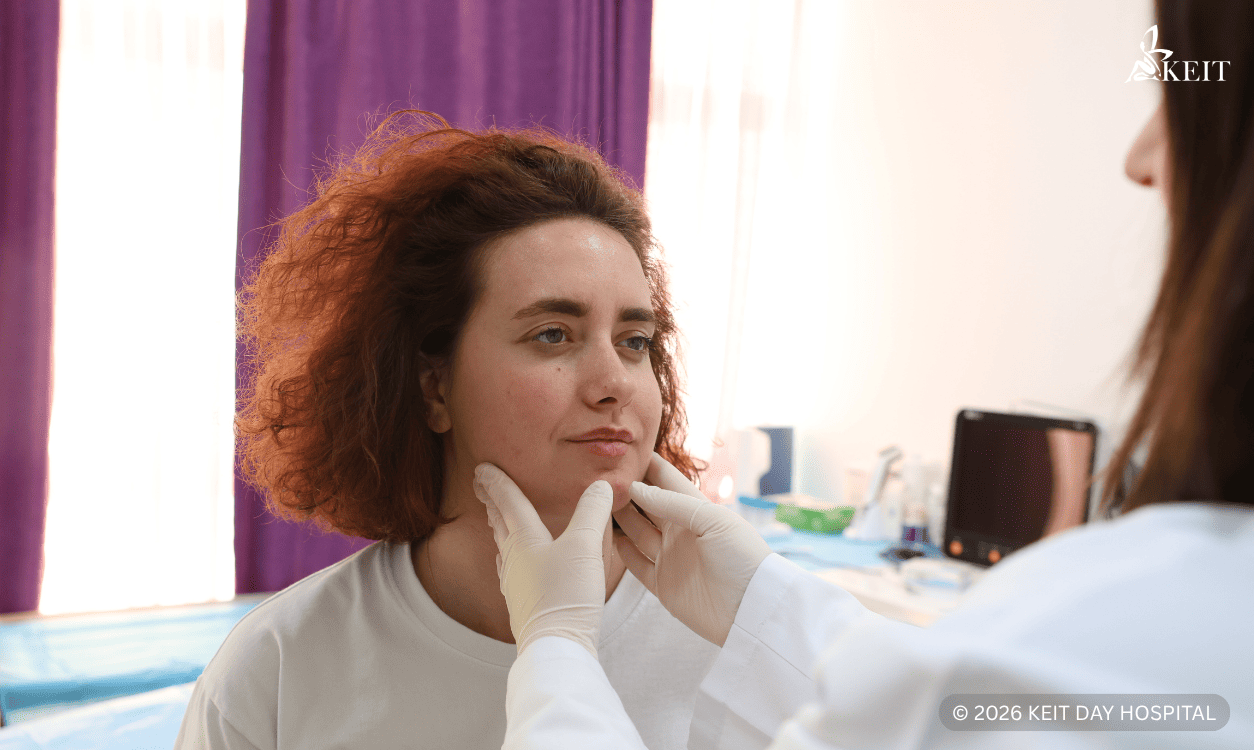
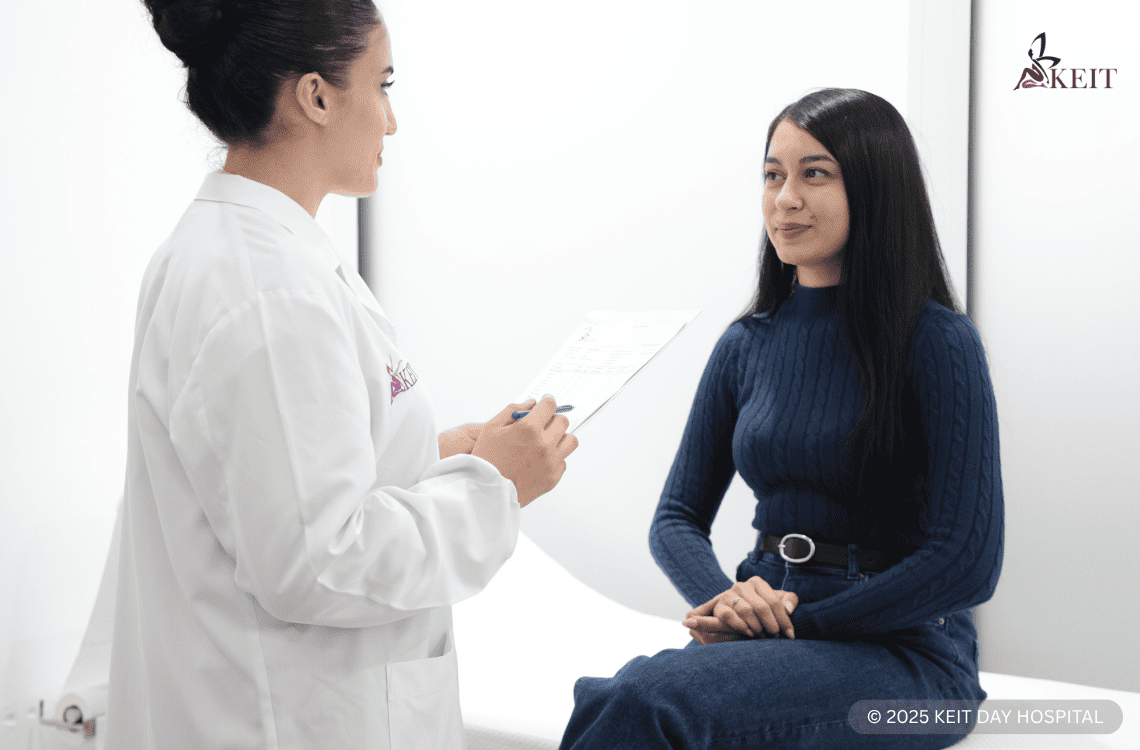
Before every PRP treatment for face, a thorough medical evaluation is performed to ensure the procedure is completely safe and customized to each patient’s needs.
PRP facial treatment: Procedure step-by-step
The Plasma-Rich facial process is simple, safe and performed in a controlled medical setting to guarantee both safety and comfort:
- Consultation: The doctor evaluates your skin condition and designs a personalized treatment plan.
- Blood collection: A small blood sample (10–15 ml) is drawn from your arm.
- Centrifugation: The plasma is separated and concentrated to isolate the platelet-rich portion.
- Numbing: A topical anesthetic cream is applied to keep the treatment comfortable before PRP is injected or used with microneedling.
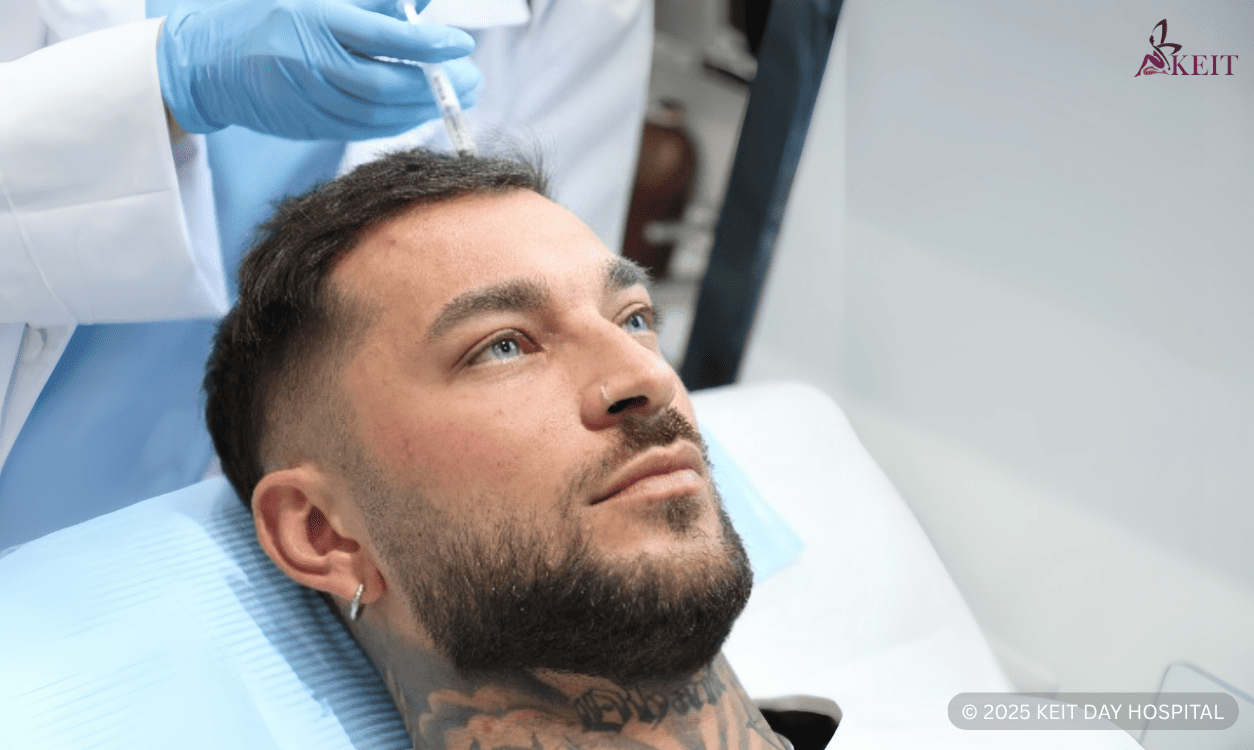
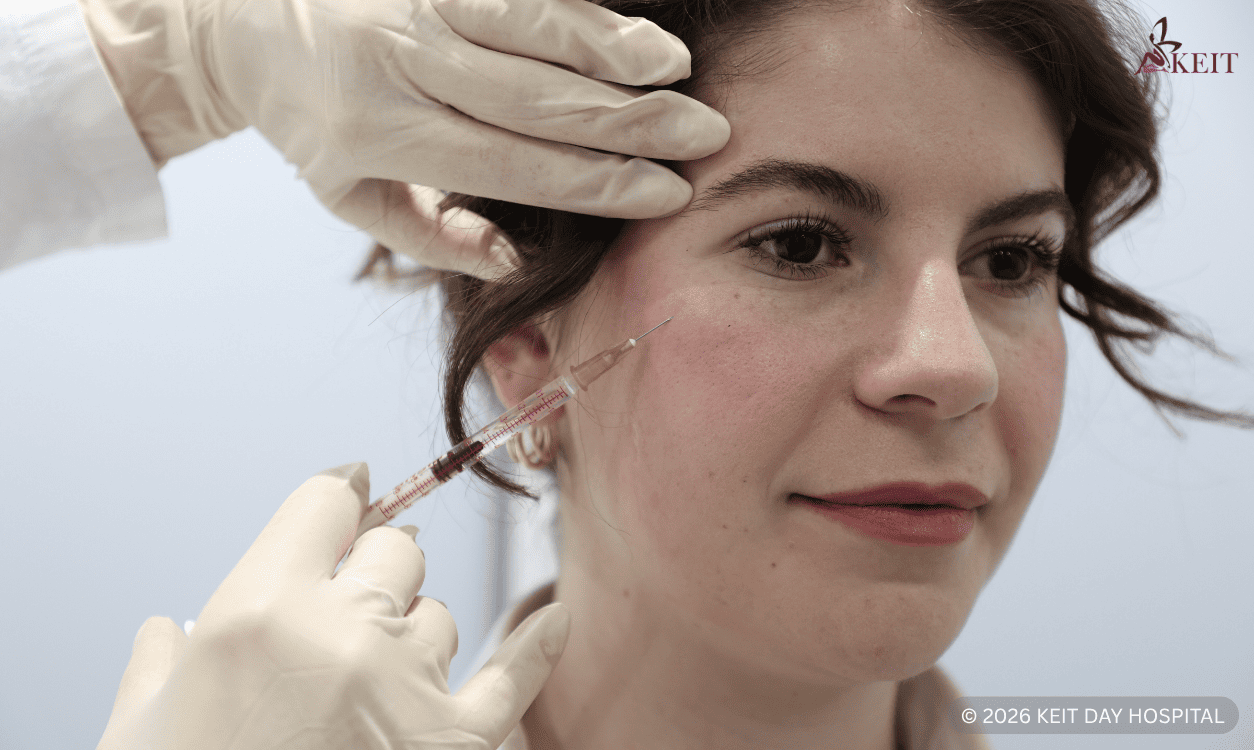
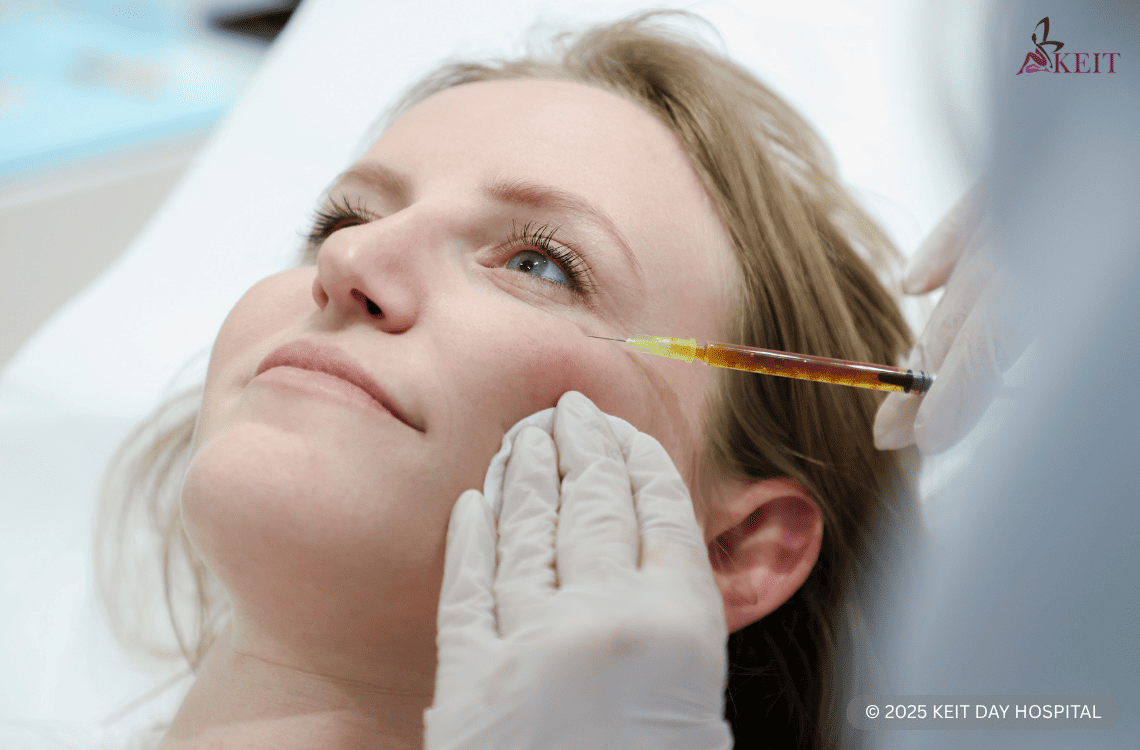
- Application: The PRP is carefully injected into targeted facial areas or applied with microneedling to enhance absorption.
You can return to your normal routine immediately after the session.

Discover the benefits of PRP treatment for face
PRP treatment for face revitalizes the skin from within by stimulating collagen production and improving tissue regeneration. Its main benefits include:
- Smoother texture and smaller pores.
- Reduction of fine lines and wrinkles.
- Enhanced elasticity and hydration.
- Fading of pigmentation and acne scars.
Results develop gradually over the following weeks, giving a refreshed, youthful appearance without drastic changes.
How long do PRP facial treatment results last?
Results from PRP treatment for face typically last 9–12 months, depending on factors such as age, skin type and lifestyle. Most patients need 3–4 initial sessions, spaced about 4 weeks apart, to achieve the best collagen-boosting effect. Collagen production continues for several weeks after each session, so improvements become more visible over time. To maintain your rejuvenated look, 1–2 maintenance sessions per year are usually recommended. Combining PRP facial treatment with treatments like microneedling or laser can further enhance collagen stimulation and help the results last even longer.
PRP treatment for face before and after: Results and recovery
Visible improvement appears within 2–3 weeks after the first session, with optimal results seen after 3–4 treatments. The skin becomes smoother, brighter and more even in tone.
Recovery is minimal and you might expect mild redness, swelling, or sensitivity may occur but fades within 48 hours. Patients are advised to avoid makeup and direct sun exposure for 24 hours and to keep the skin hydrated for faster healing.
PRP treatment for face side effects: What to expect after your session
PRP facial treatment is considered one of the safest skin rejuvenation procedures because it uses your own plasma. Mild redness, swelling, or tenderness may appear temporarily after treatment. In rare cases, slight bruising or short-term sensitivity can occur but resolves naturally. Serious complications are extremely rare. Infections or uneven texture may only occur if post-care instructions are ignored, both easily prevented by following medical aftercare advice.
PRP treatment for face cost: What influences the price in the UK?
The PRP treatment cost for face varies depending on the clinic’s location, the doctor’s experience and whether it’s combined with other facial rejuvenation treatments. In the UK, a single session typically costs between 300 and 600 euro, depending on the complexity of the case, the technique used and the level of expertise of the specialist.
Some clinics may offer package plans for multiple sessions, which are usually more cost-effective for achieving optimal long-term results. During your consultation, the practitioner will assess your skin type and treatment goals to recommend the ideal number of sessions for maximum effectiveness and lasting rejuvenation.