Published on:
 Modified on:

 Reading Time: 6 min
 Aesthetic Treatments
Nasolabial folds, also known as smile lines, are the creases that run from the sides of the nose to the corners of the mouth. They are part of normal facial anatomy but deepen over time due to volume loss, reduced collagen and elastin, repeated facial expressions and lifestyle factors such as sun exposure or smoking. When visible at rest, nasolabial lines can make the face appear tired or aged, which is why many people choose non-surgical treatments like hyaluronic acid–based dermal fillers to soften their appearance.
 Table of Contents:
-
1
 What are nasolabial folds?
-
2
What causes nasolabial lines to form and when do they become a problem?
-
3
Dermal filler for nasolabial folds: How nasolabial lines are treated
-
4
Botox for nasolabial folds: When it helps and when it doesn’t
-
5
Nasolabial folds filler journey: From consultation to nasolabial lines treatment day
-
6
Nasolabial fold filler before and after: Setting real expectations
-
7
Recovery after nasolabial folds filler, duration of results and aftercare tips
-
8
Too much filler in nasolabial folds: Risks of overfilling and how to avoid it
-
9
Nasolabial fold filler cost: What influences the price in the UK?
-
10
How to get rid of nasolabial folds naturally: Limits and realistic options
In this article, you will learn what nasolabial lines are, why they form, how dermal fillers for nasolabial folds work and when Botox may or may not help. You will also set realistic expectations of before and after results, discover how long recovery takes, aftercare tips, how to avoid overfilling, cost of nasal lines filler and the limitations of natural methods for reducing nasolabial folds.
What are nasolabial folds?
Nasolabial folds are structural smile lines formed where the cheek meets the upper lip. They are present in everyone and play a role in facial expression, especially during smiling and speaking. In younger faces, these folds are soft and dynamic, appearing only with movement. Over time, they may deepen and remain visible even when the face is relaxed. The progression from a mild crease to deep nasolabial lines is influenced by changes in skin, fat and underlying facial support.
What causes nasolabial lines to form and when do they become a problem?
Nasolabial folds develop due to a combination of structural and biological factors rather than surface wrinkles alone:
- Mid-face volume loss: Age-related loss and descent of cheek fat reduces support, allowing the skin to fold toward the mouth.
- Reduced collagen and elastin: Declining skin firmness makes nasolabial folds deeper and less elastic.
- Facial anatomy and genetics: Bone structure, fat distribution and skin thickness influence how early and deeply folds form.
- Repeated facial movement: Smiling and speech gradually reinforce fold lines as support weakens.
- Lifestyle factors: Sun exposure, smoking and dehydration accelerate skin ageing and fold visibility.
Nasolabial folds become a concern when they remain visible at rest, usually from the mid-30s onward, contribute to a drooping mouth appearance or begin to disrupt overall facial balance.
Dermal filler for nasolabial folds: How nasolabial lines are treated
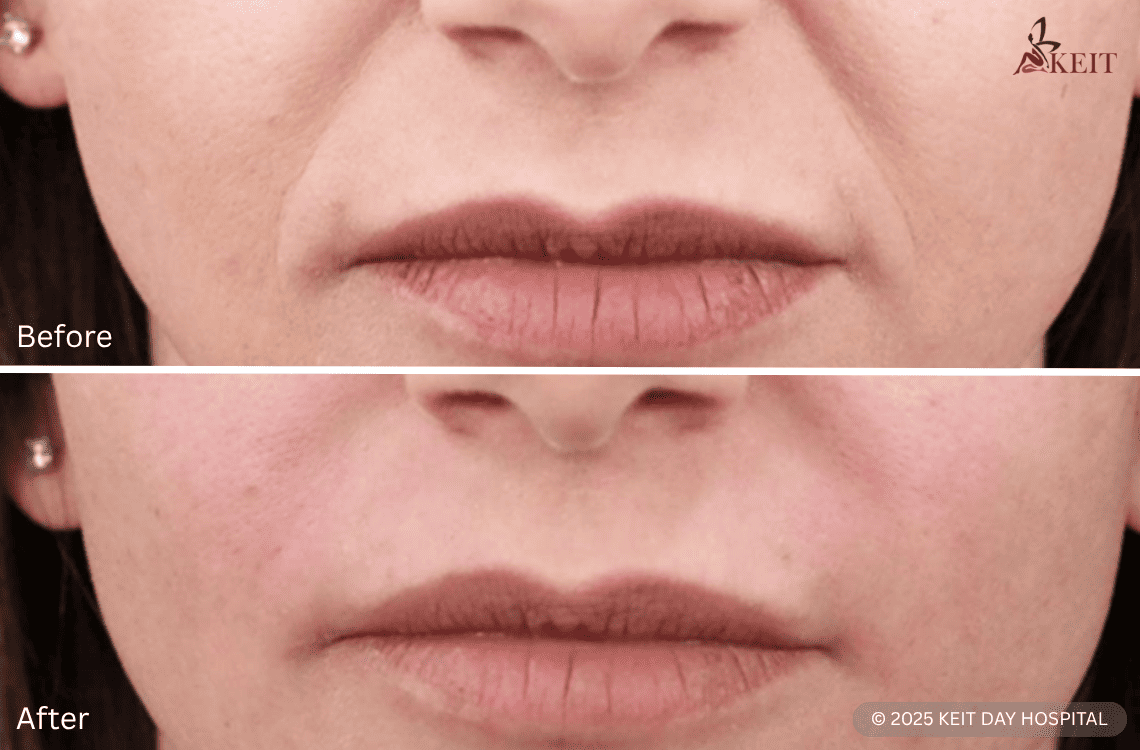
Nasolabial fold filler treatment uses hyaluronic acid–based products to restore lost volume and structural support. For those wondering how to get rid of nasolabial folds, modern techniques focus on rebalancing surrounding anatomy rather than injecting only into the crease. Dermal fillers for nasolabial folds integrate with the tissue, attract hydration and reinforce support beneath the skin. This approach shows how to eliminate nasolabial folds naturally, as cheek filler for nasolabial folds is often used to lift the area indirectly, softening the fold without adding heaviness.
Botox for nasolabial folds: When it helps and when it doesn’t
Botox plays a limited and specific role in treating nasolabial folds. Since Botox relaxes muscles rather than restoring volume, it cannot correct deep static folds caused by structural loss. Botox may be helpful in selected cases where strong muscle activity pulls the upper lip upward or exaggerates fold depth during smiling. Even in these cases, it is typically used conservatively and sometimes in combination with filler. For most patients, nasolabial fold Botox alone is not considered an effective primary treatment and does not replace fillers for nasolabial folds.
Nasolabial folds filler journey: From consultation to nasolabial lines treatment day
A nasolabial filler follows a structured medical pathway to ensure safety and natural results:
- Initial consultation: Facial proportions, fold depth, cheek support and skin quality are assessed to determine the most appropriate treatment strategy.
- Personalised treatment plan: The injector decides whether direct fold treatment, indirect cheek support or a combined approach is needed.
- Pre-treatment preparation: The skin is cleansed and disinfected and numbing cream may be applied if required.
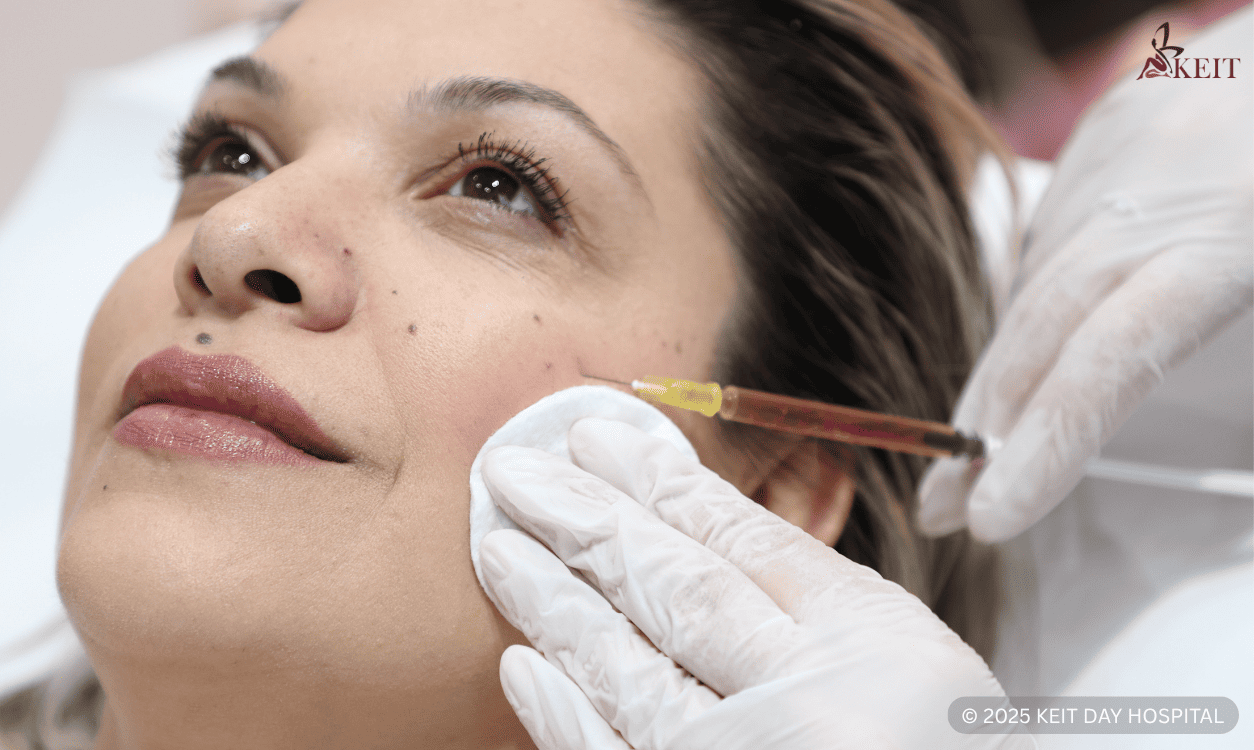
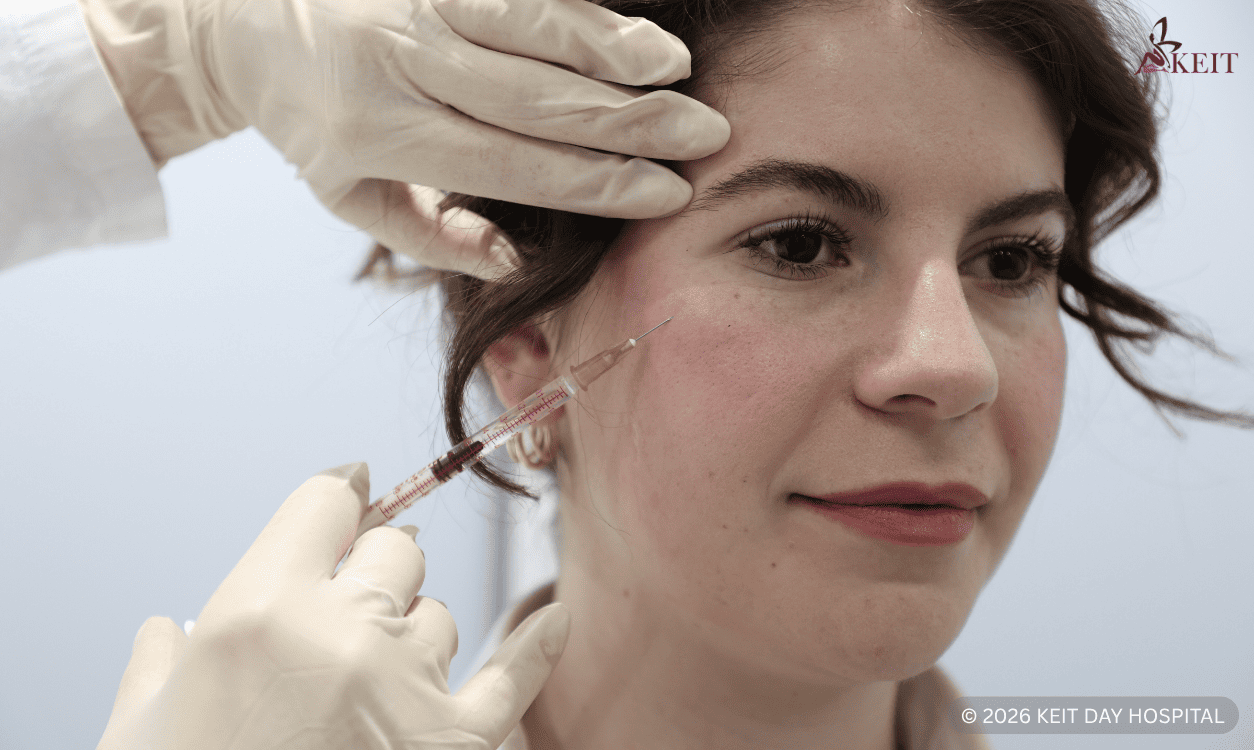
- Injection phase: Hyaluronic acid filler is placed using a fine needle or micro-cannula with controlled depth and volume.
- Refinement and symmetry check: The area is gently moulded to ensure smooth contours and balanced facial expression.
- Immediate post-treatment review: Final assessment is performed and aftercare advice is provided.
The entire nasolabial lines filler session usually takes 20–30 minutes.

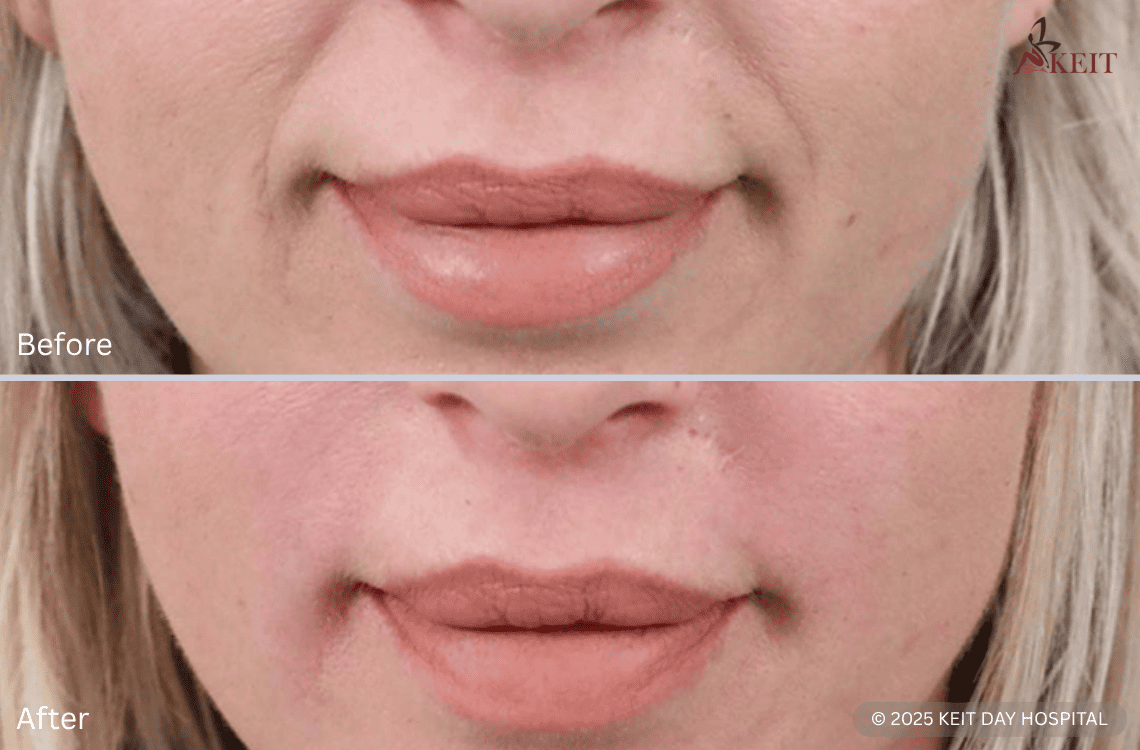
Nasolabial fold filler before and after: Setting real expectations
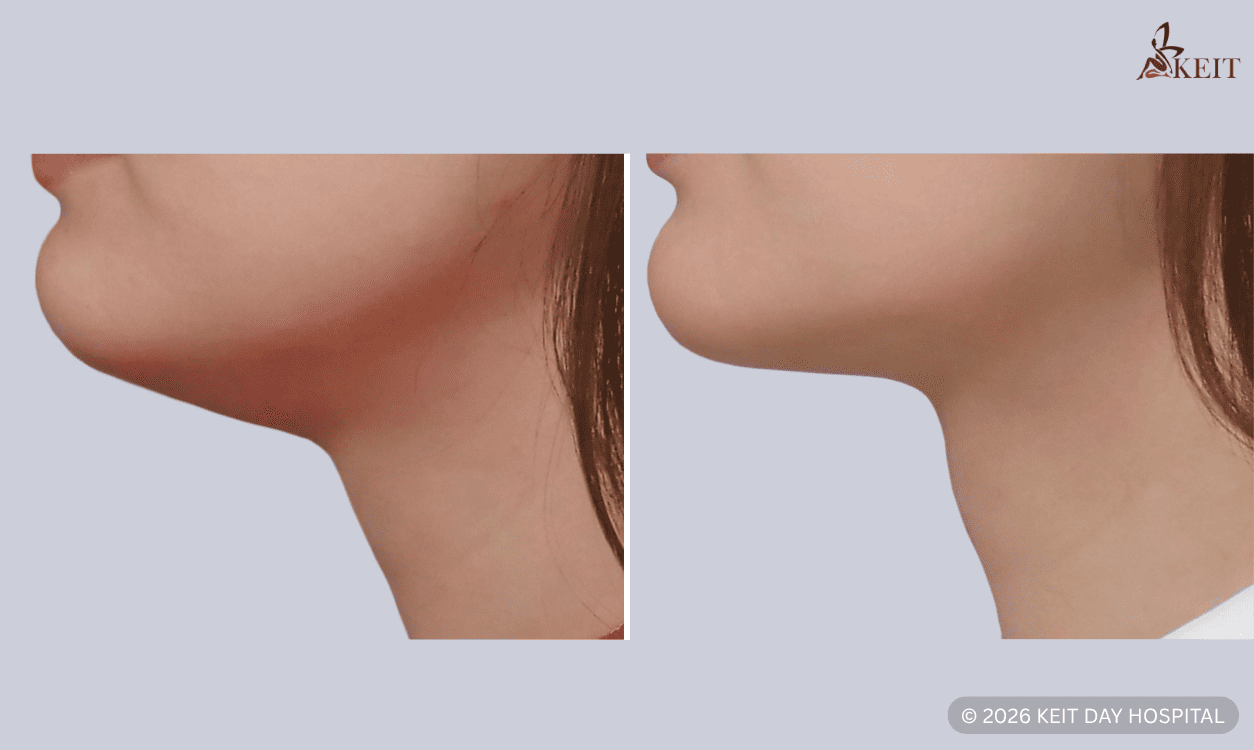
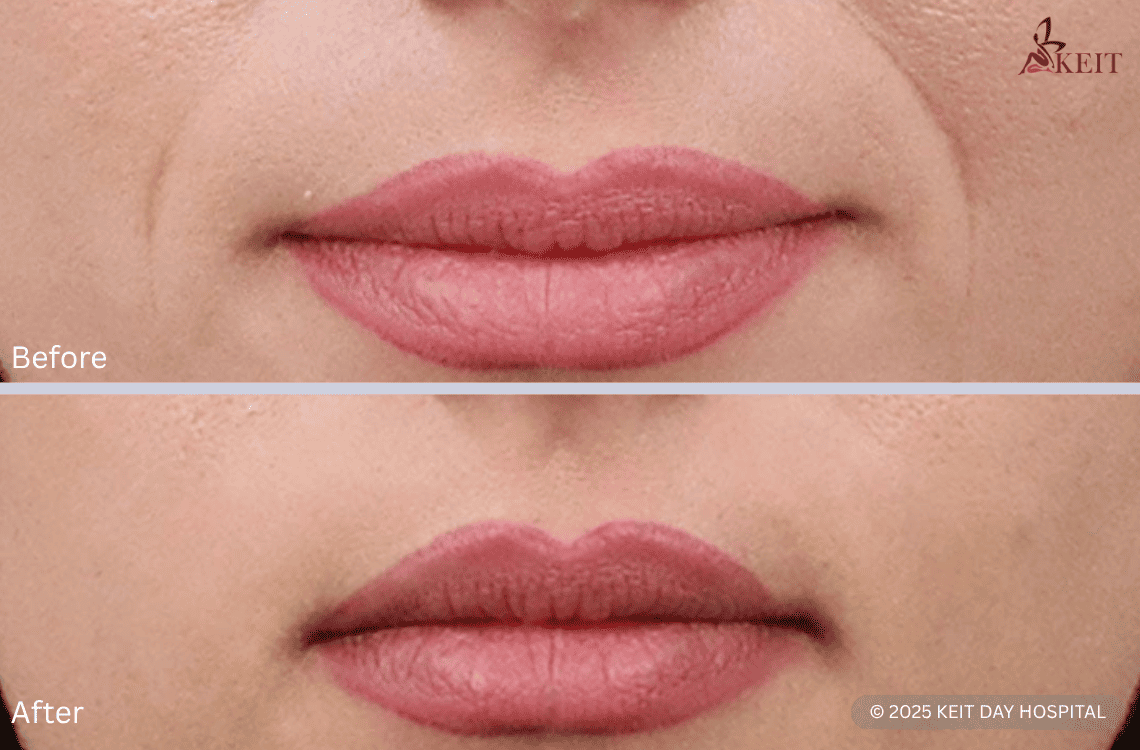
Nasolabial fold filler before and after results are visible immediately, but the final appearance develops over the following one to two weeks. Swelling gradually subsides and the filler settles into the tissue. The goal is improvement, not elimination. Successful treatment softens folds, restores facial continuity and improves harmony without making the area look heavy or overcorrected. Dramatic results are not always better outcomes. Subtle correction often looks more natural and ages better over time.
Recovery after nasolabial folds filler, duration of results and aftercare tips
Recovery is typically straightforward and well tolerated:
- Immediate phase (first 24 hours): Mild swelling, tenderness or redness may be present. Results are visible immediately.
- Days 2–4: Swelling decreases and contours begin to soften as the filler integrates with the tissue.
- Days 5–10: The treated area feels more natural and facial expressions settle comfortably.
- Week 2: Final results are visible with improved fold softness and facial balance.
Results usually last 9–12 months, depending on metabolism, filler type and lifestyle, with some patients benefiting from a touch-up session after 2–4 weeks if needed. After treatment, avoid touching or massaging the area for 24 hours, limit heat exposure for 24–48 hours and stop intense exercise for 48 hours to support healing.
Too much filler in nasolabial folds: Risks of overfilling and how to avoid it
Overfilling is one of the most common causes of unsatisfactory outcomes. Too much filler in nasolabial folds can create puffiness, distort facial expression and exaggerate aging rather than improve it.
Overfilled nasolabial folds may appear assymetric and in some cases filler migration or compression of surrounding tissue can occur. Many cases labelled as nasolabial fold filler gone wrong are due to excessive product or poor placement rather than the filler itself. When hyaluronic acid fillers are used, the material can be safely dissolved with hyaluronidase if needed, making conservative dosing, correct product selection and in-depth anatomical expertise essential to minimise risks and correct undesired outcomes.
Nasolabial fold filler cost: What influences the price in the UK?
The nasolabial fold filler cost depends on line severity, the volume and type of filler required, whether mid-face support is needed and the level of injector expertise. Deeper folds typically require a more advanced technique rather than simple line filling, which influences overall cost. In the UK, typical pricing ranges from:
- 400–650 euro for mild nasolabial fold correction.
- 800–1,300 euro for moderate folds requiring structural support.
- 1,500 euro or more for advanced corrections involving cheek or mid-face support.
How to get rid of nasolabial folds naturally: Limits and realistic options
Many people search for ways how to get rid of nasolabial folds without fillers. While hydration, sun protection, skincare and healthy habits support skin quality, they cannot replace lost volume or lift sagging tissue. Options like facial exercises, massage or microneedling may improve skin tone but have limited impact on deep folds. For moderate to severe nasolabial folds, dermal fillers remain the most effective non-surgical treatment.