Published on:
 Modified on:

 Reading Time: 6 min
 Rhinoplasty
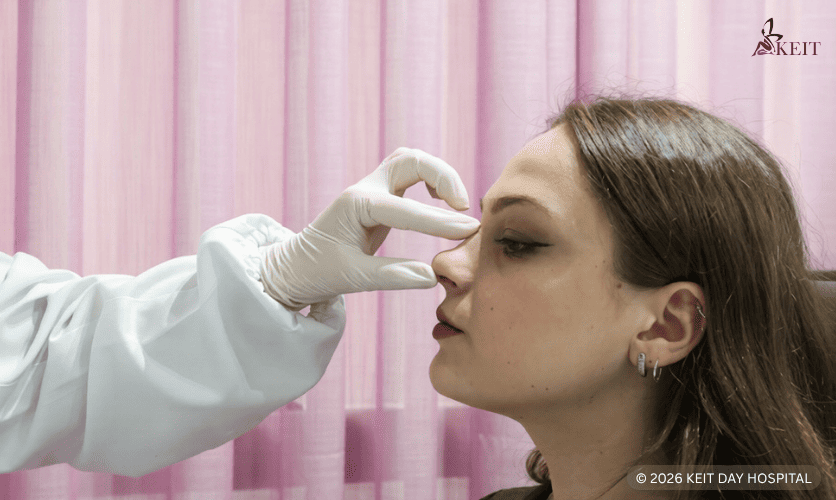
Alarplasty, also known as alar base reduction, is a targeted nasal procedure that reshapes the nostril base without changing the entire nose. It focuses on the alar base, where the outer nostril wall meets the cheek, and is used when the lower nose appears too wide, flared, or asymmetric.
 Table of Contents:
-
1
 What is alarplasty and what concerns can be corrected?
-
2
Alarplasty: Who is a suitable candidate for alar base reduction?
-
3
Alarplasty vs rhinoplasty: What is the difference?
-
4
Alarplasty procedure: How nostril reduction surgery is performed
-
5
Alarplasty: Recovery timeline and scar healing
-
6
Alarplasty before and after: What results to expect
-
7
Alarplasty: Risks and possible complications of alar base reduction
-
8
Alarplasty cost in the UK: What affects the final price?
-
9
How to choose the right surgeon for alar base reduction
In this comprehensive guide, we explain what alarplasty is and what it corrects, suitable candidates, and how it compares with rhinoplasty. We also cover how alar base reduction is performed, recovery timeline, expected results, possible risks, UK cost, and surgeon selection.
What is alarplasty and what concerns can be corrected?
Alarplasty is a nasal reshaping procedure that reduces the width or flare of the nostrils by refining the alar base, the lower outer part of the nose. It is commonly performed when the nostrils appear too wide, flared, or disproportionate to the rest of the nose and facial features.
Alarplasty can correct:
- Wide alar base: Reduces the distance between the outer edges of the nostrils.
- Nostril flare: Refines nostrils that spread outward, especially when smiling or speaking.
- Nostril asymmetry: Improves visible imbalance between the left and right nostril shape.
- Broad lower nose: Creates a narrower and more proportionate front-view nasal base.
- Excess alar tissue: Removes a controlled amount of tissue from the alar base or nostril sill when clinically appropriate.
Alarplasty does not change the nasal bridge, nasal tip projection, or internal septum unless it is combined with rhinoplasty.
Alarplasty: Who is a suitable candidate for alar base reduction?
A suitable candidate for alar base reduction has a wide, flared, or asymmetric alar base that affects the balance of the lower nose. Alarplasty may be appropriate for individuals who have:
- Wide nostrils: The nostrils extend too far outward, making the nasal base appear broad from the front.
- Nostril flare: The nasal alar spreads outward more than desired, especially when smiling or speaking.
- Alar base asymmetry: One side of the nostril base appears wider, higher, or differently shaped than the other.
- Broad lower nose: The alar base looks disproportionate compared with the nasal tip, bridge, or facial features.
- Post-rhinoplasty nostril width: The nostril base remains wide after previous rhinoplasty and needs focused refinement.
- Realistic expectations: The patient understands that alar base reduction creates subtle nostril refinement, not a complete change in overall nose shape.

Alarplasty vs rhinoplasty: What is the difference?
Alarplasty and rhinoplasty differ in the part of the nose they treat and the extent of correction involved. The main differences include:
- Focus: Alarplasty focuses on the nostrils and alar base, while rhinoplasty reshapes the broader nasal structure.
- Correction: Alarplasty reduces nostril width or flare, while rhinoplasty can refine the bridge, nasal tip, septum, nostrils, and overall nasal proportions.
- Surgical scope: Alarplasty is a smaller, targeted procedure, while rhinoplasty involves more extensive structural modification.
- Breathing function: Alarplasty is mainly aesthetic, while rhinoplasty may improve breathing when septal or internal nasal structures are corrected.
- Combination: Alarplasty can be performed alone or combined with rhinoplasty when nostril refinement is also needed.
Alarplasty procedure: How nostril reduction surgery is performed
Alarplasty is performed under local anaesthesia, with sedation used in selected cases. The surgeon carefully marks the alar base to preserve symmetry and avoid over-reduction. Small incisions are placed in the natural nostril crease or inside the nostril sill, where a controlled amount of tissue is removed to refine nostril width. The incisions are closed with fine sutures, and the procedure usually takes 30–60 minutes when performed alone.
Alarplasty: Recovery timeline and scar healing
Alarplasty recovery follows a gradual healing process, with changes in swelling, incision closure, scar softening, and nostril definition occurring at different stages.
- First 48 hours: Mild swelling, tightness, and tenderness around the nostril base are expected. Patients should avoid touching, stretching, or putting pressure on the nostrils.
- Days 3–7: Swelling begins to reduce, and the incision lines start closing. If non-dissolvable sutures are used, they are usually removed around this stage.
- Weeks 2–3: The nostril shape becomes more defined as early swelling settles, although mild firmness around the alar base can remain.
- Months 1–3: The scar gradually softens and fades. Redness or firmness may still be present, depending on skin type and healing response.
- Several months: Scar maturation continues, and the final nostril contour becomes clearer.
Scars are typically placed in the natural nostril crease or sill to keep them discreet. Final healing depends on surgical technique, skin type, scar tendency, sun exposure, and aftercare.
Alarplasty before and after: What results to expect
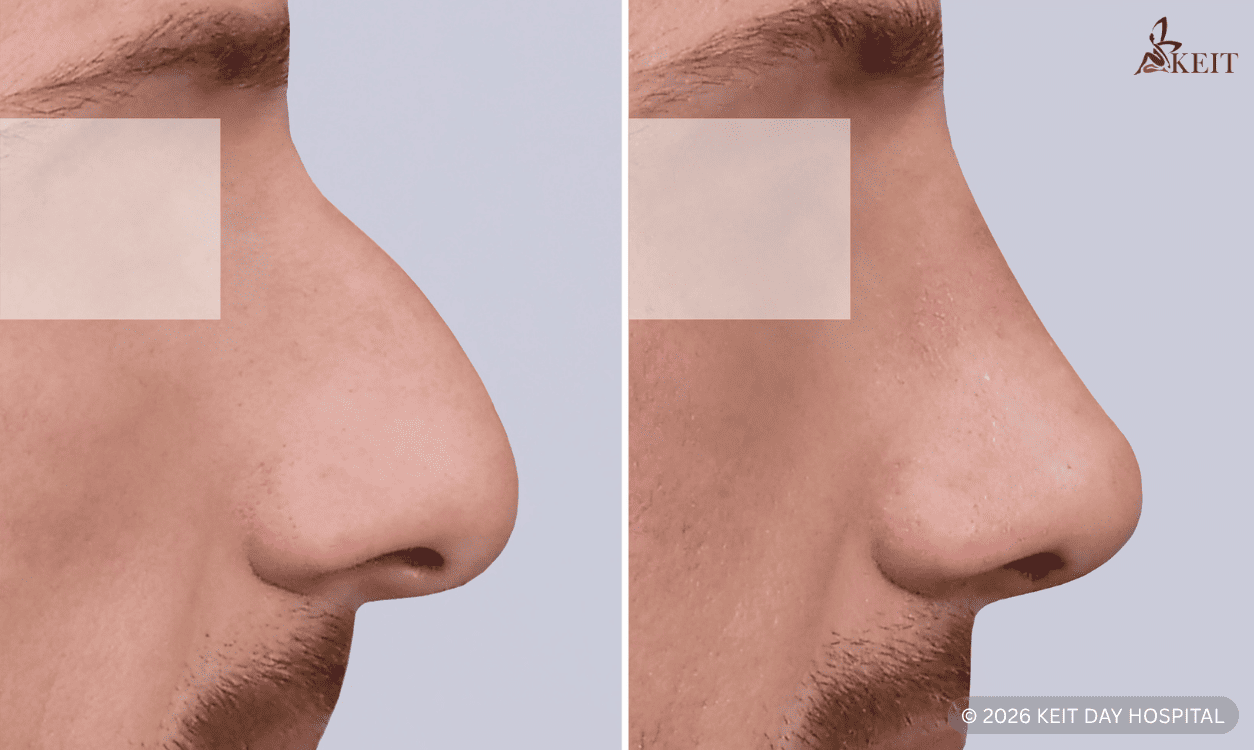
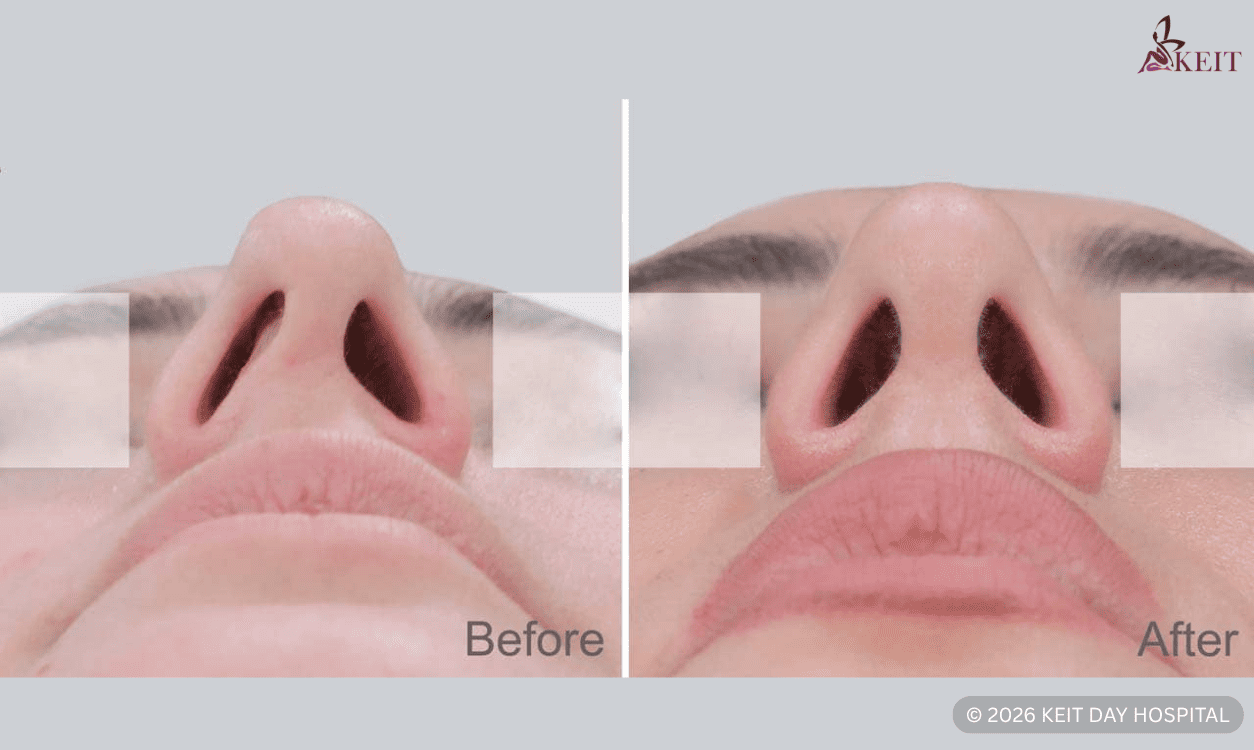
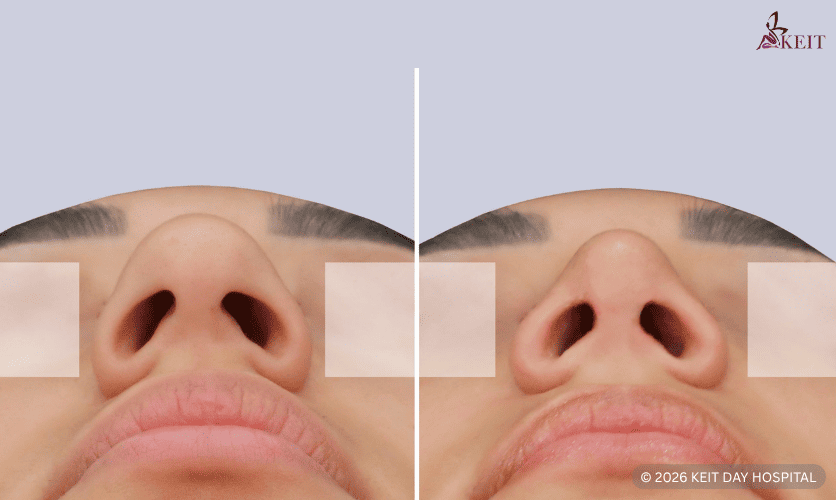
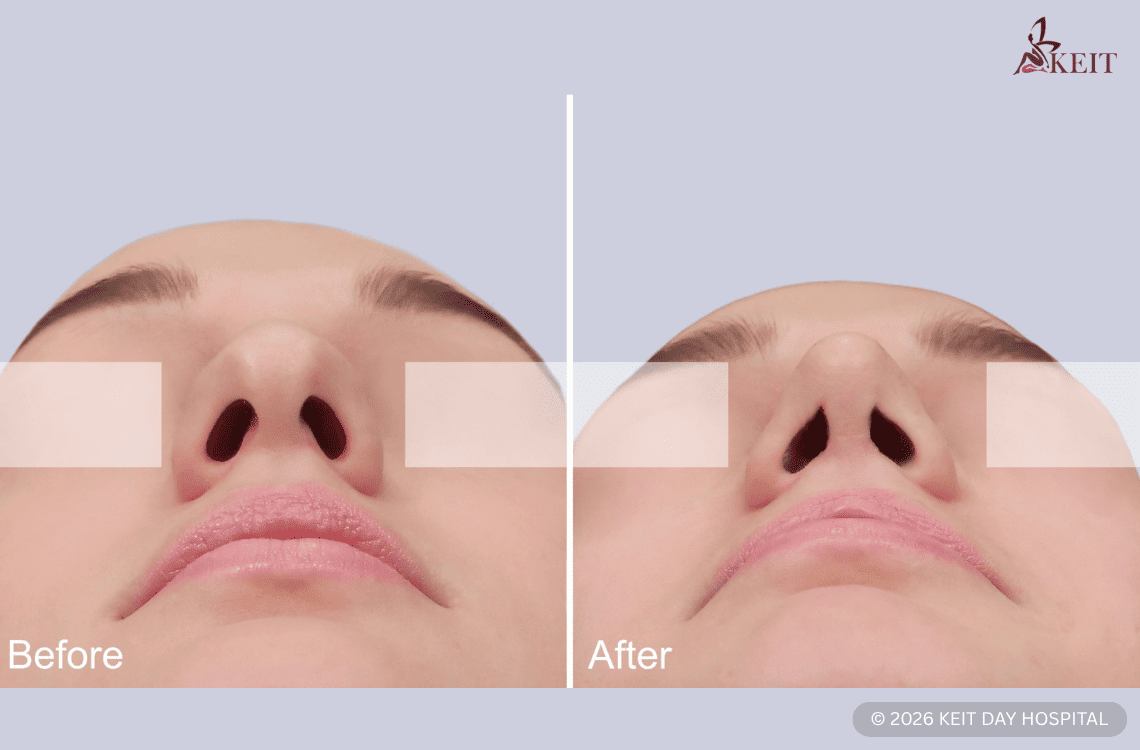
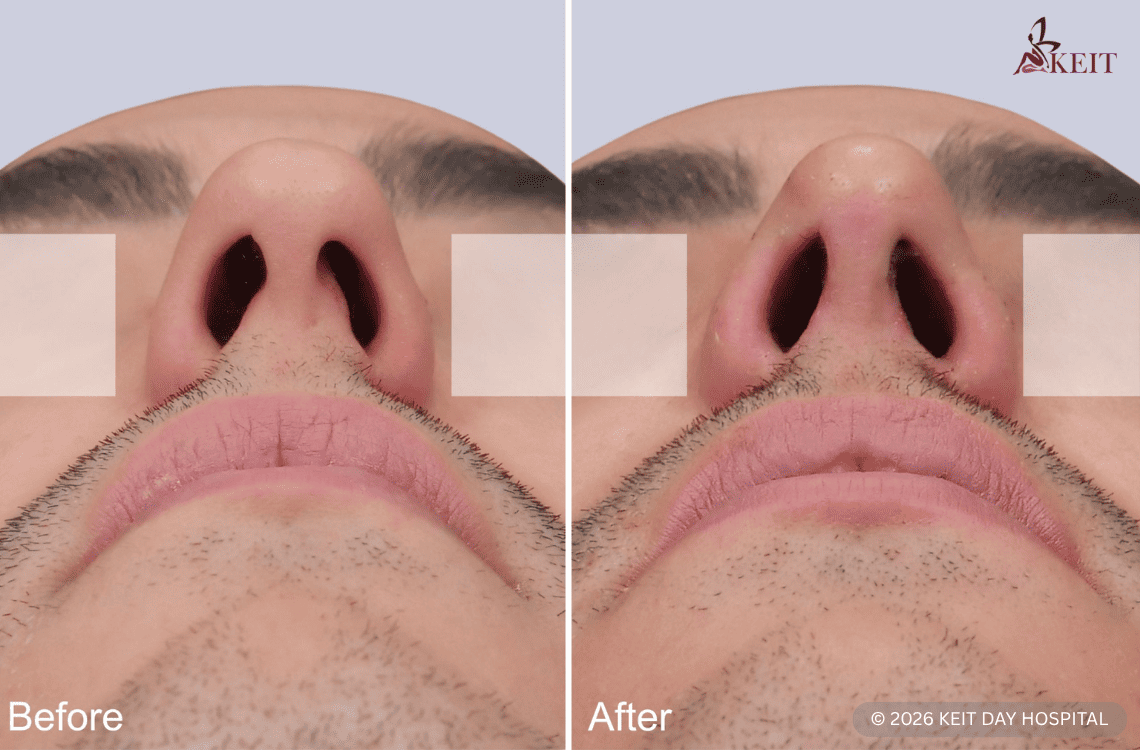
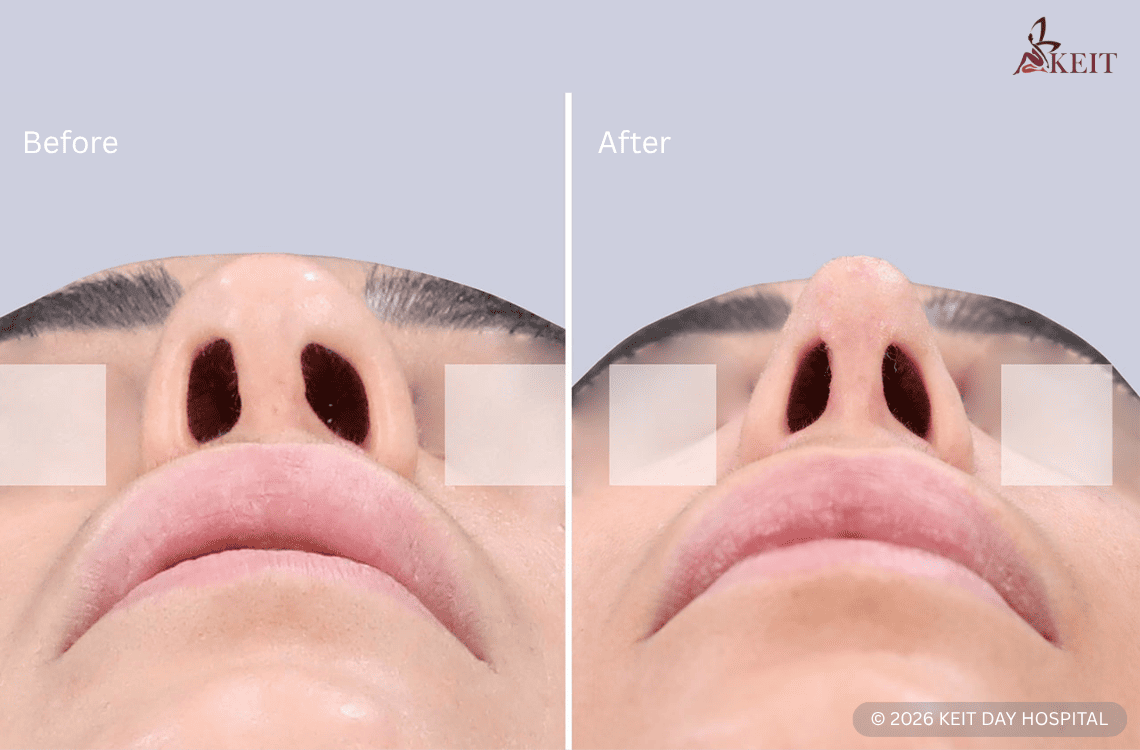
Alarplasty before and after results usually show a narrower alar base, reduced nostril flare, and improved balance of the lower nose. The result should look natural, not overly narrowed or pinched. A well-planned alar base reduction preserves the natural nostril curve while improving front-view proportion. Final results become clearer as swelling settles and incision lines mature.
Alarplasty: Risks and possible complications of alar base reduction
Alar base reduction is generally a safe procedure, but it carries potential risks and complications, including:
- Asymmetry: The nostrils may heal slightly differently, causing minor differences in shape or width.
- Visible scarring: Incisions are placed in natural creases, but scar quality depends on skin type, healing response, and aftercare.
- Over-reduction: Removing too much tissue can make the nostrils look too narrow or unnatural.
- Nostril distortion: Excessive or poorly planned narrowing may affect the natural curve of the nostril rim.
- Breathing changes: Rare, but possible if the nostril opening is narrowed too much.
- Infection or delayed healing: Uncommon, but may require medical treatment.
- Need for revision: Further correction may be needed if asymmetry, scarring, or overcorrection remains after healing.
Alarplasty cost in the UK: What affects the final price?
Alarplasty cost in the UK ranges from approximately 2,000 to 3,500 euro, depending on the clinic, surgeon expertise, anaesthesia, and whether it is performed alone or with rhinoplasty. The final price is mainly affected by:
- Surgeon expertise: Rhinoplasty or facial plastic surgeons with specific experience in nostril reduction may charge higher fees.
- Clinic location: Alarplasty in London is often more expensive than in regional UK clinics.
- Procedure complexity: Nostril asymmetry, thick skin, previous surgery, or more detailed alar base correction can increase the cost.
- Anaesthesia type: Local anaesthesia is usually less expensive than sedation or general anaesthesia.
- Combined surgery: Alarplasty performed with rhinoplasty costs more than standalone alar base reduction.
- Aftercare included: Follow-up visits, suture removal, dressings, and revision policies can affect the final quote.
How to choose the right surgeon for alar base reduction
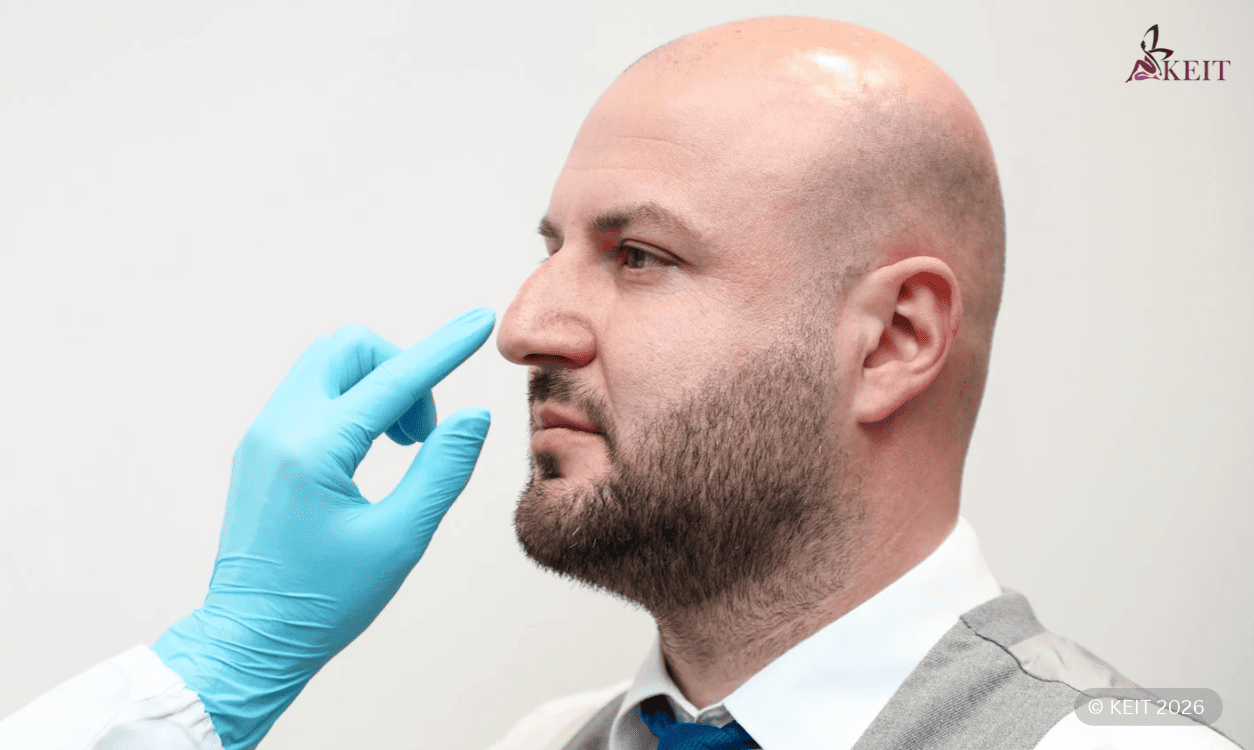
Choosing the right surgeon for alar base reduction is essential for achieving balanced nostril refinement while preserving natural nasal shape and function. Before choosing a surgeon, patients should consider:
- Qualifications and credentials: The surgeon should be properly trained in facial plastic surgery or rhinoplasty and work within accredited surgical facilities.
- Specialisation and experience: Experience with alarplasty, nostril reduction surgery, and ethnic nasal anatomy is important because the procedure requires precise control of nostril width, alar flare, and symmetry.
- Before and after results: Previous cases should show natural nostril refinement, balanced proportions, and preserved nasal contour rather than excessive narrowing.
- Aesthetic assessment and planning: A good consultation should evaluate the alar base in relation to the nasal tip, bridge, facial proportions, skin thickness, and airway to avoid over-reduction or unnatural results.