Published on:
 Modified on:

 Reading Time: 4 min
 Breast augmentation
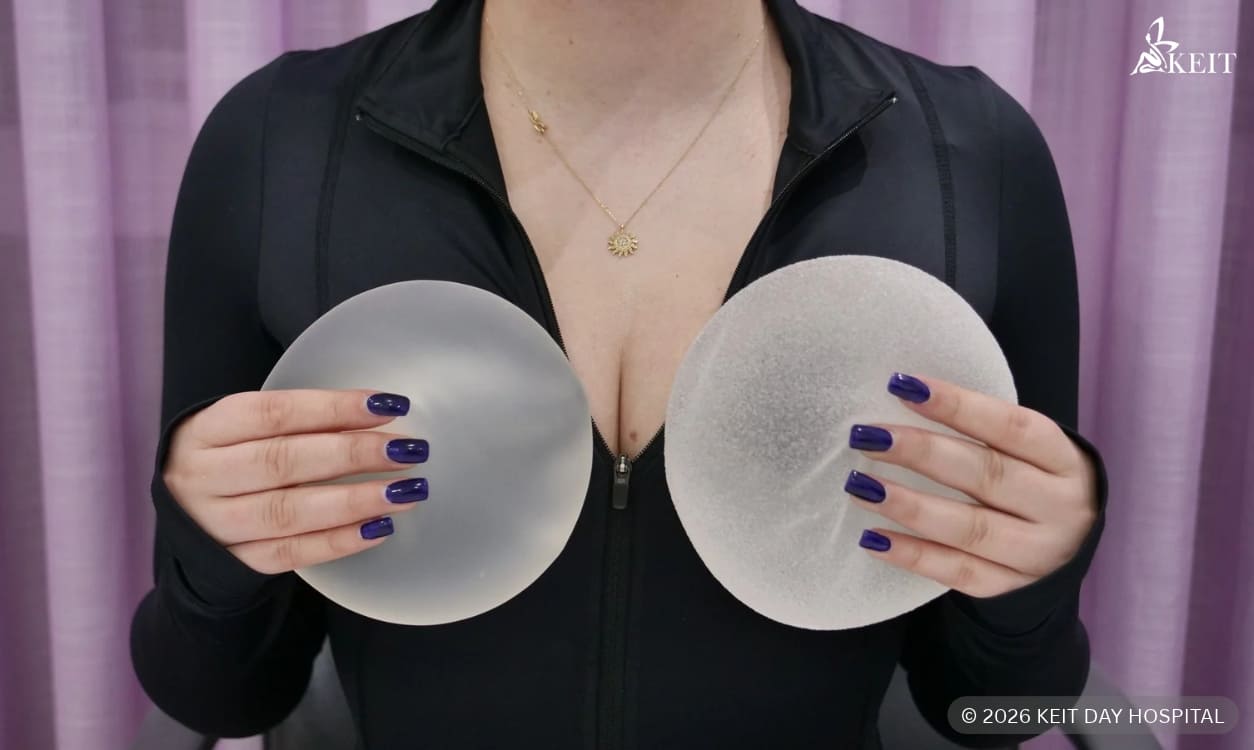
 risks include temporary effects such as swelling, tightness, bruising, mild pain and short-term changes in breast sensitivity during healing. Less commonly, complications may occur, including infection, bleeding, implant displacement or capsular contracture, while rare risks include implant rupture and Breast Implant-Associated Anaplastic Large Cell Lymphoma (BIA-ALCL), a rare immune system cancer linked to certain implant types. With proper planning, realistic expectations and an experienced breast surgery specialist, breast augmentation is considered a safe procedure with a low overall complication rate.
 Table of Contents:
-
1
 How safe is breast augmentation for most patients?
-
2
Common breast augmentation side effects: Normal and temporary
-
3
Real breast augmentation risks and complications
-
4
Breast augmentation gone wrong: Why it happens
-
5
Anesthesia risks in breast augmentation: A safety overview
-
6
Breast augmentation risks by patient profile
-
7
Implant type and placement: Do they affect risk?
-
8
When to worry about breast augmentation risks
-
9
How to reduce breast augmentation risks
This guide explains how safe breast augmentation is today, which post-operative effects are normal, which complications can occur and how rare risks are managed. It also shows how anesthesia, implant choice and patient factors influence safety, how to recognize warning signs and why surgeon expertise and follow-up care are essential for long-term outcomes.
How safe is breast augmentation for most patients?
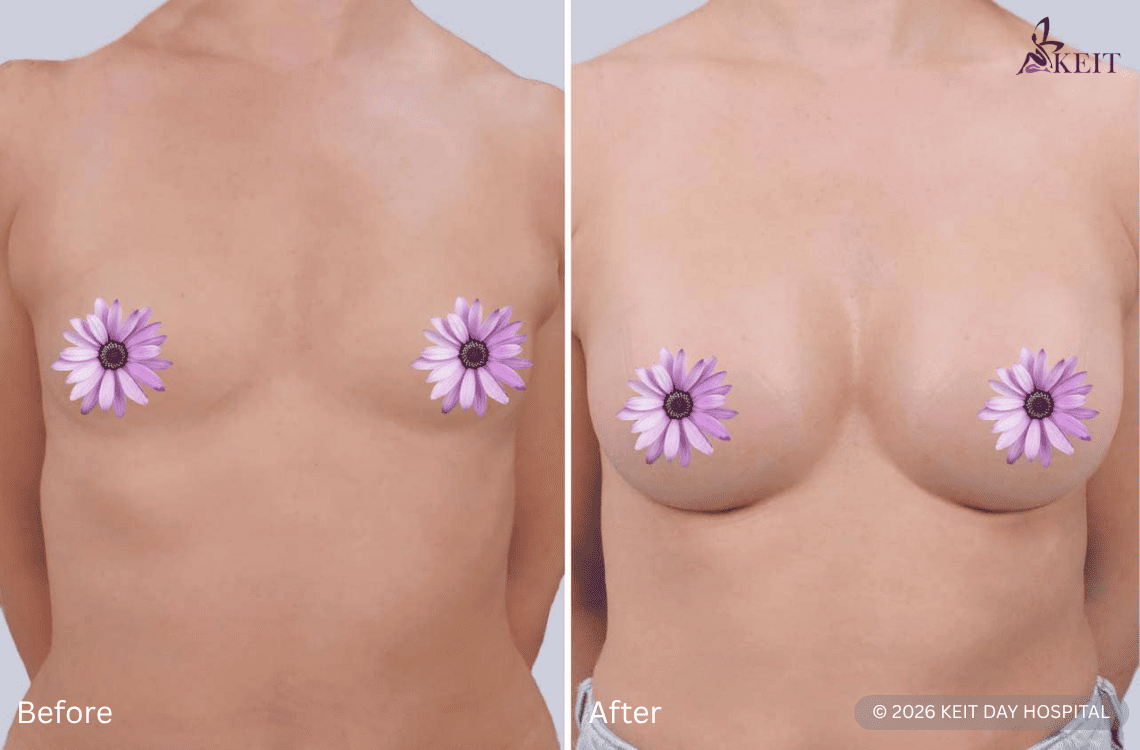
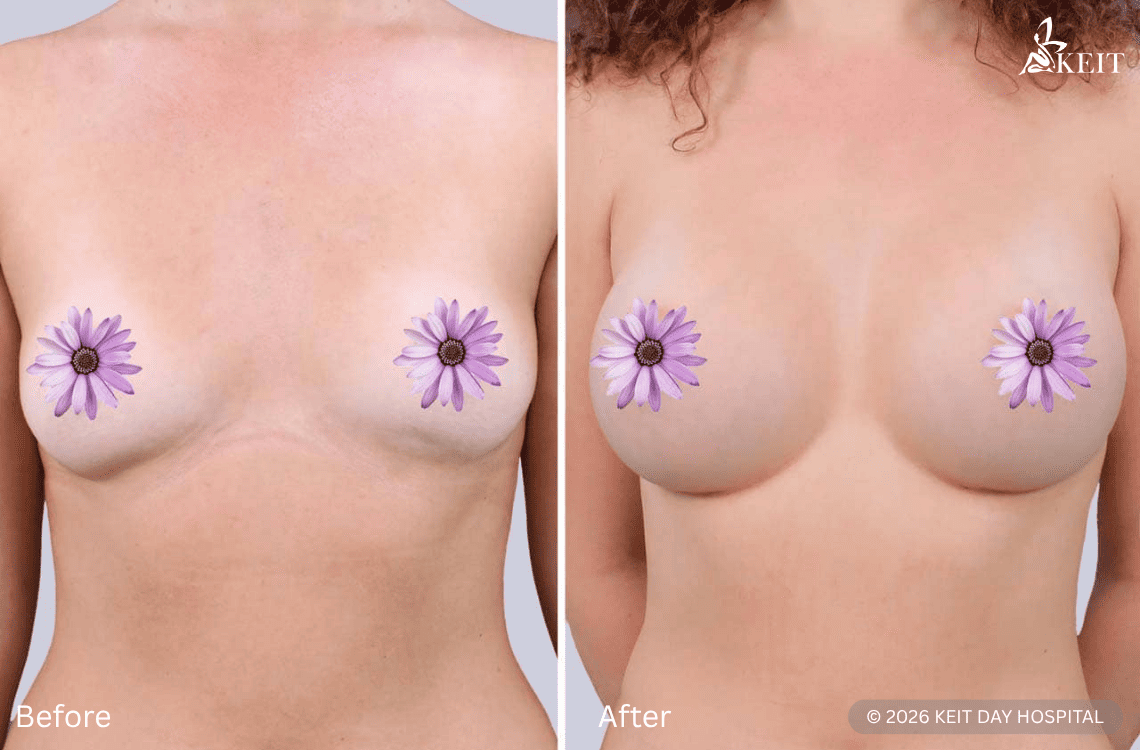
Modern breast augmentation is significantly safer than in the past due to advances in surgical techniques, implant technology, anesthesia protocols and pre-operative planning. High-quality implants, refined surgical approaches and improved infection-control standards allow surgeons to enhance breast volume while maintaining tissue integrity and long-term stability.
When performed by a qualified plastic surgeon in an accredited medical facility, breast augmentation has a low overall complication rate. Large clinical studies consistently show that serious complications are uncommon and that most post-operative issues are temporary and manageable with proper care.
Common breast augmentation side effects: Normal and temporary
Following breast augmentation, some short-term effects are commonly observed.
- Swelling, which is expected after surgery and typically decreases over the following weeks.
- Chest tightness or pressure, particularly with submuscular or dual-plane implant placement.
- Bruising, which may occur when tissues and blood vessels are affected during surgery.
- Temporary sensory changes, including increased or reduced nipple or breast sensitivity.
- Early discomfort after surgery, which varies in intensity and should be monitored.
Book your FREE
Online Consultation Now

Real breast augmentation risks and complications
Although uncommon, true complications can occur and are best understood by category.
Surgical / Medical risks
Medical complications may include infection, bleeding, hematoma or delayed wound healing. These risks are influenced by sterile technique, patient health, smoking status and post-operative care. Early detection and treatment significantly reduce long-term consequences.
Implant-related risks
Implant-related complications may include displacement, rotation, rupture or visible rippling. While modern implants are highly durable, no implant lasts forever. Regular follow-up allows early identification of implant-related issues.
Capsular contracture
Capsular contracture is a more serious complication in which the scar tissue surrounding the implant tightens abnormally. This can lead to firmness, distortion, discomfort or pain. Its development is influenced by surgical technique, implant placement, infection risk and individual healing response. Capsular contracture can progress over time and early detection helps limit severity and reduce the need for corrective surgery.
Rare but serious risks
Rare implant-related complications include Breast Implant-Associated Anaplastic Large Cell Lymphoma (BIA-ALCL), mainly linked to certain textured implants and Breast Implant-Associated Squamous Cell Carcinoma (BIA-SCC), an extremely rare capsular malignancy.
These conditions are uncommon, but awareness and long-term monitoring are important. Symptoms such as late-onset swelling, persistent fluid accumulation or changes in breast shape should always be medically evaluated.
Breast augmentation gone wrong: Why it happens
Unfavorable outcomes are usually linked to identifiable factors rather than unpredictable events, such as:
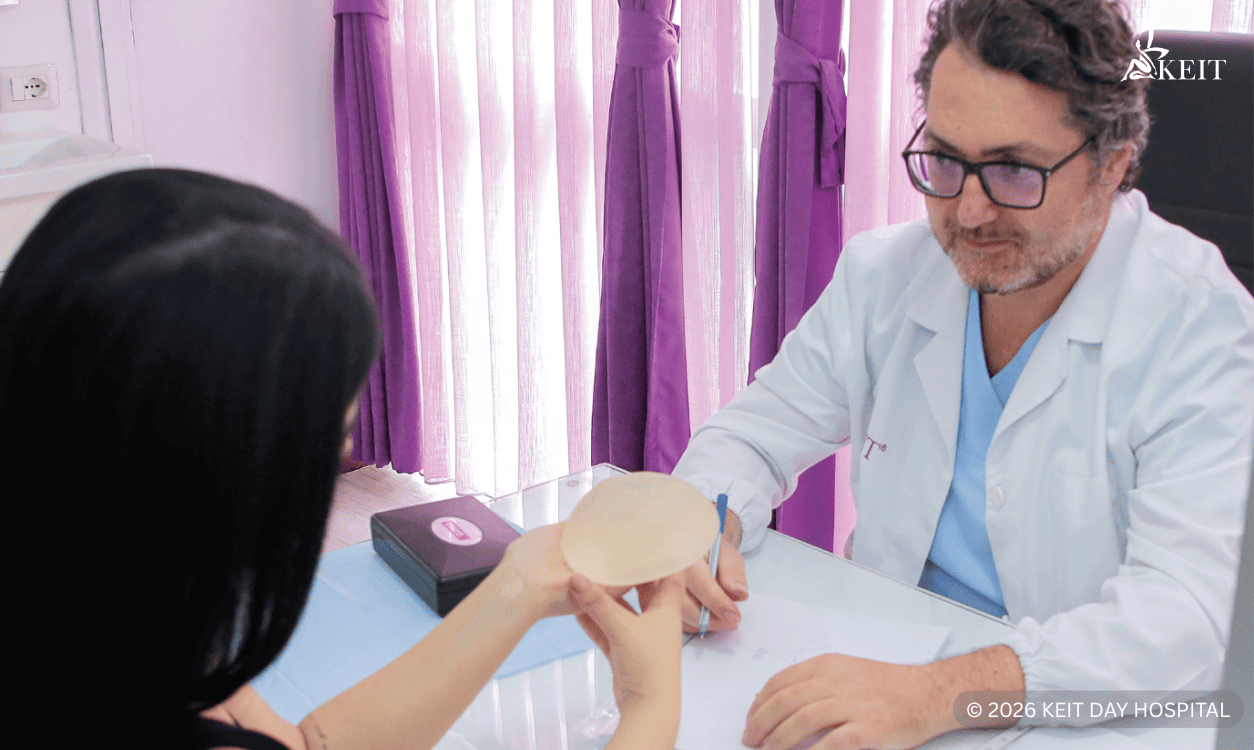
- Limited surgeon experience with breast procedures.
- Inappropriate implant size or type selection.
- Poor surgical planning relative to chest anatomy.
- Inadequate control of infection or bleeding.
- Lack of structured post-operative follow-up.
These factors highlight why surgeon expertise and individualized planning are critical.
Anesthesia risks in breast augmentation: A safety overview
Breast augmentation is performed under general anesthesia to ensure patient comfort and surgical precision. When administered by qualified anesthesiologists in accredited facilities, modern anesthesia is highly safe.
- Common short-term effects may include nausea, dizziness or fatigue, usually resolving within hours or days.
- Serious anesthesia-related complications are rare, particularly in healthy patients, with incidence well below 1%.
A thorough pre-operative anesthetic assessment significantly reduces risk.
Breast augmentation risks by patient profile
Individual patient characteristics can influence both surgical risk and recovery:
- Smokers: Increased risk of delayed healing, infection and capsular contracture.
- Thin tissue coverage: Higher likelihood of visible rippling or implant edges.
- Previous breast surgery: Altered anatomy may increase technical complexity.
- Autoimmune conditions: Require individualized evaluation and planning.
- Pregnancy or weight fluctuations: May affect long-term aesthetic stability.
Personalized surgical planning is essential for safe outcomes.
Implant type and placement: Do they affect risk?
Implant characteristics and surgical placement play an important role in risk profiles:
- Silicone implants: Offer a natural feel with low rupture rates in modern designs.
- Saline implants: Easier rupture detection but may feel firmer in some patients.
- Submuscular placement: Lower capsular contracture risk but longer recovery.
- Subglandular placement: Faster recovery but higher capsular contracture risk in certain patients.
No option is universally superior and selection must be individualized.
When to worry about breast augmentation risks
While most post-operative symptoms are expected, certain signs require prompt medical evaluation:
- Fever or signs of infection.
- Increasing pain rather than gradual improvement.
- Sudden swelling or asymmetry.
- Progressive breast hardness.
- Redness, warmth or abnormal discharge.
- Signs of capsular contracture.
Early assessment allows timely intervention and prevents more serious complications.
How to reduce breast augmentation risks
Risk reduction begins before surgery and continues throughout recovery. Key protective factors include:
- Choosing a surgeon specialized in breast surgery.
- Ensuring surgery is performed in an accredited medical facility.
- Completing full pre-operative examinations, including blood tests and anesthetic evaluation.
- Selecting appropriate implant type, size and placement.
- Following a structured post-operative care and follow-up plan.
Consistent aftercare and medical supervision are decisive for long-term safety.