Published on:
 Modified on:

 Reading Time: 5 min
 Breast augmentation
Breast reconstruction is indicated after a therapeutic mastectomy for breast cancer or a prophylactic mastectomy in patients at increased genetic risk. Depending on oncologic planning and individual clinical factors, breast reconstruction surgery may be performed immediately or at a later stage. The procedure is carried out using two main approaches: implant-based reconstruction or reconstruction with the patient’s own tissue (autologous reconstruction).
 Table of Contents:
-
1
 Breast reconstruction explained: How the procedure works
-
2
Ideal candidate for breast reconstruction: Key factors to consider
-
3
Contraindications for breast reconstruction: When surgery may not be recommended
-
4
Breast reconstruction techniques: Implants and autologous tissue
-
5
Breast reconstruction surgery: The journey to your transformation
-
6
Breast reconstruction after mastectomy: The recovery timeline
-
7
Potential risks: What to consider before breast reconstruction operation
-
8
Choosing the right clinic for your breast reconstruction
In this comprehensive guide, you’ll learn how breast reconstruction surgery works, who is an ideal candidate, key contraindications to consider and which techniques deliver the most natural and long-lasting results. You’ll also see what happens before, during and after surgery, including recovery phases, potential risks and essential criteria for choosing a qualified clinic. Finally, you’ll discover why KEIT Day Hospital in Albania is considered one of Europe’s leading centers for safe breast reconstruction.
Breast reconstruction explained: How the procedure works
Breast reconstruction restores the shape, symmetry and volume of the breast following a mastectomy. The procedure can be performed immediately, during the same operation as the mastectomy, or delayed, months or years later, depending on oncologic treatment plans and patient factors. Reconstruction may involve either silicone implants or tissue from the patient’s own body. Breast reconstruction surgery typically lasts 2–4 hours and is performed under general total intravenous anesthesia to ensure comfort and reduce the risk of nausea. During breast reconstruction, the surgeon reshapes the breast mound to achieve a natural contour and may adjust the opposite breast to restore symmetry.
Ideal candidate for breast reconstruction: Key factors to consider
Breast reconstruction is suitable for women who:
- Have undergone or are planning a therapeutic or prophylactic mastectomy.
- Are medically cleared for surgery following cancer treatment or preventive procedures.
- Are in good overall health and have completed, or have a clear plan for oncologic therapies.
- Have realistic expectations about surgical outcomes and recovery.
A detailed assessment by a surgeon identifies the most suitable reconstruction technique based on body type, previous treatments and aesthetic goals.
Contraindications for breast reconstruction: When surgery may not be recommended
Breast reconstruction surgery may be temporarily postponed or not recommended in the following cases:
- Ongoing cancer treatments such as chemotherapy or radiotherapy.
- Uncontrolled medical conditions that increase surgical risk.
- Active infections at the time of surgery.
- Severely damaged skin or soft tissues, often after radiotherapy.
- Insufficient donor tissue when implants are not suitable.
A detailed specialist evaluation helps determine whether and when breast reconstruction can be performed safely, as many of these situations can improve with time or treatment.
Breast reconstruction techniques: Implants and autologous tissue
Breast reconstruction can be performed using different approaches depending on the patient’s anatomy, medical history and desired outcome.
Implant-based reconstruction: Two-stage approach
- Stage 1: A tissue expander is placed beneath the chest muscle and gradually filled with saline over several weeks after the wound heals, to create the desired breast volume.
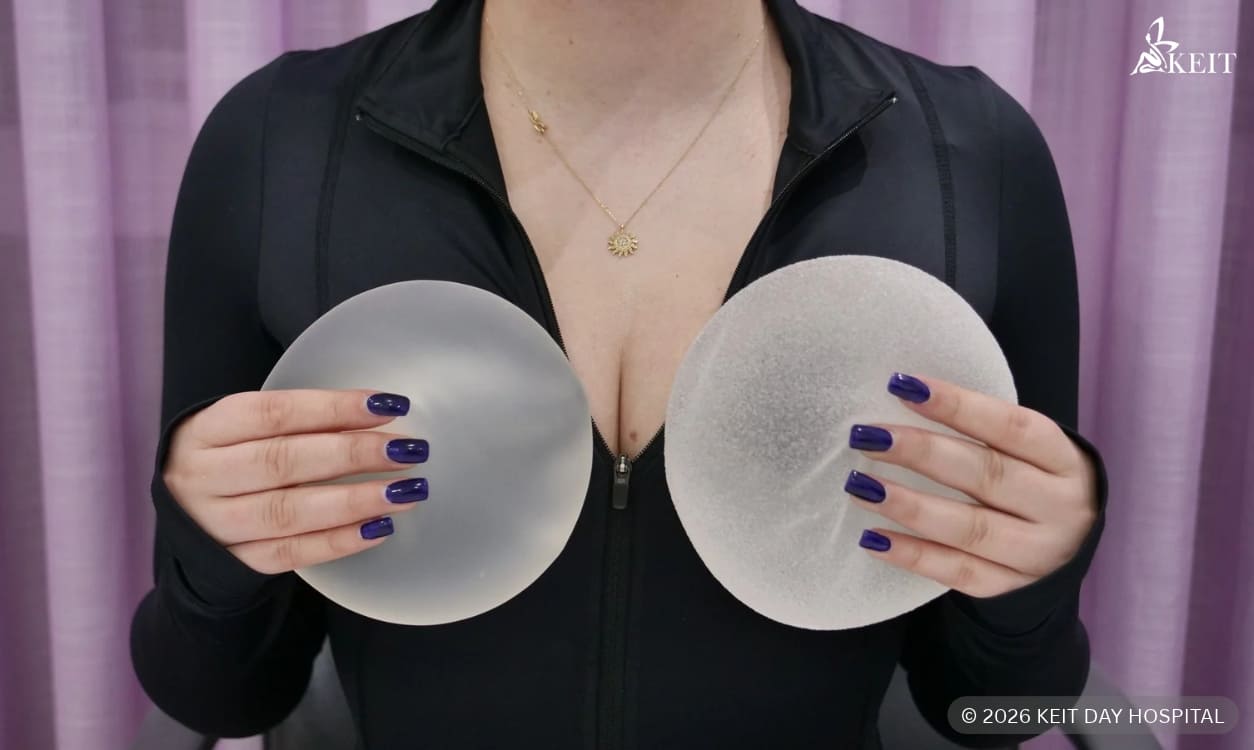
- Stage 2: The second intervention is performed after the expander has reached the appropriate volume. During this procedure, the expander is removed and a silicone gel prosthesis is finally placed. It will be kept for one’s lifetime. During this intervention, the other breast is usually reshaped, so that both breasts have the same shape and size.
This technique allows precise shaping, symmetry with the natural breast and a relatively faster recovery compared to tissue-based reconstruction.
Autologous breast reconstruction: Using your own tissue
Autologous tissue breast reconstruction uses the patient’s own tissue, usually skin, fat, blood vessels and sometimes a small portion of muscle, from the lower abdomen, gluteal region, or upper thigh. The surgeon reconnects the flap’s blood vessels to chest vessels (free flap) and may reshape the opposite breast for symmetry. This technique provides a natural look and feel, tolerates radiotherapy better than implants and allows precise sculpting of volume and contour. Surgery lasts 2–6 hours under general anesthesia. Recovery is gradual, with final results in 4–6 months.
Book your FREE
Online Consultation Now

Breast reconstruction surgery: The journey to your transformation
Breast reconstruction follows a structured medical pathway to ensure safety, precision and predictable results:
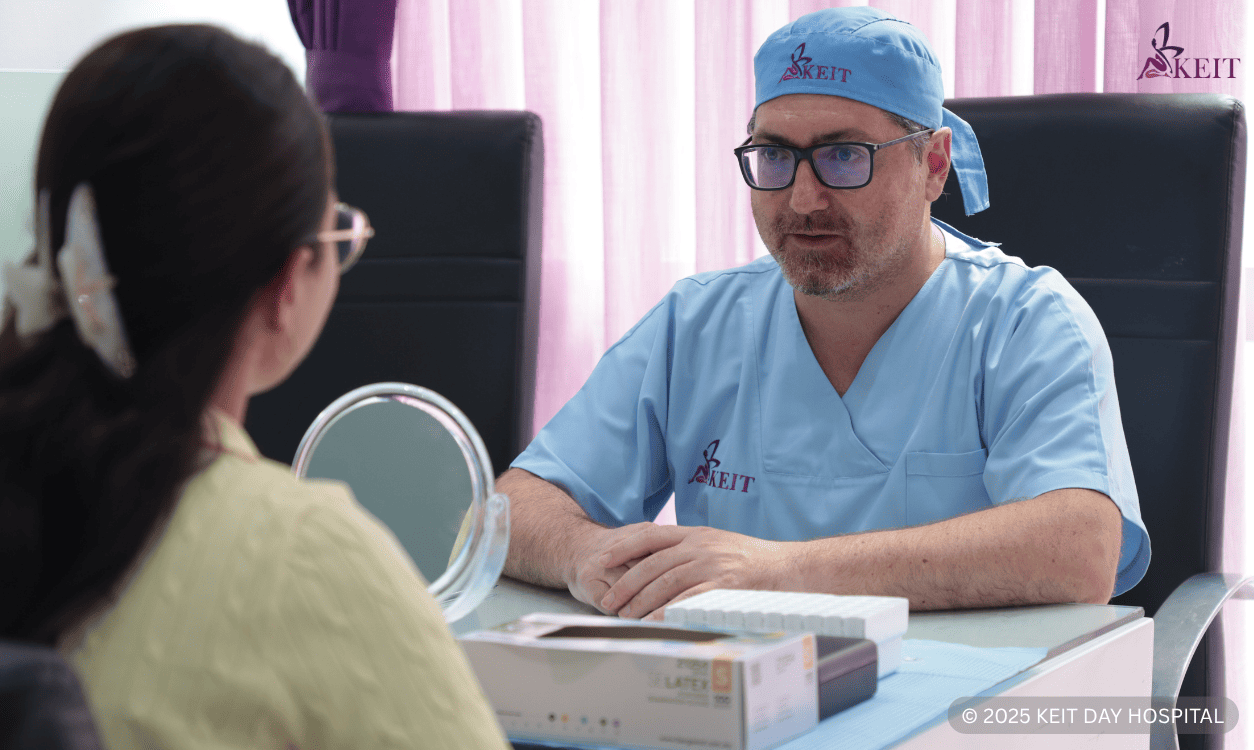
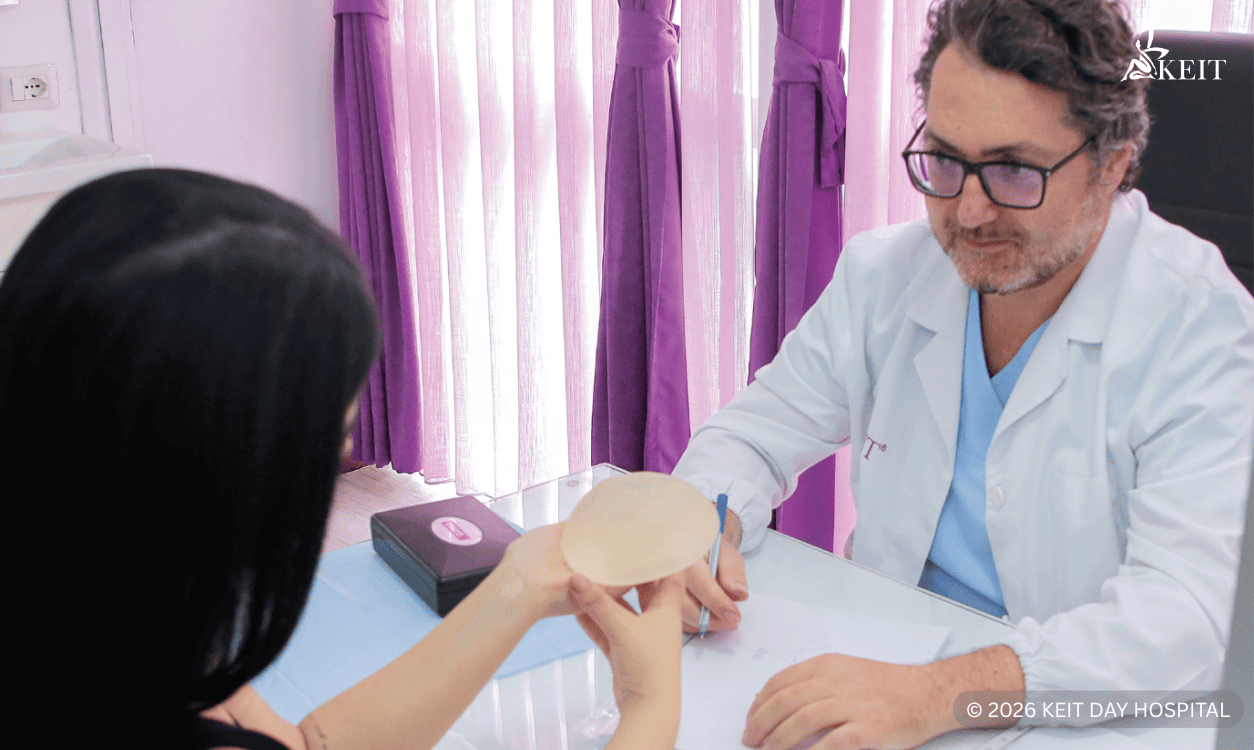
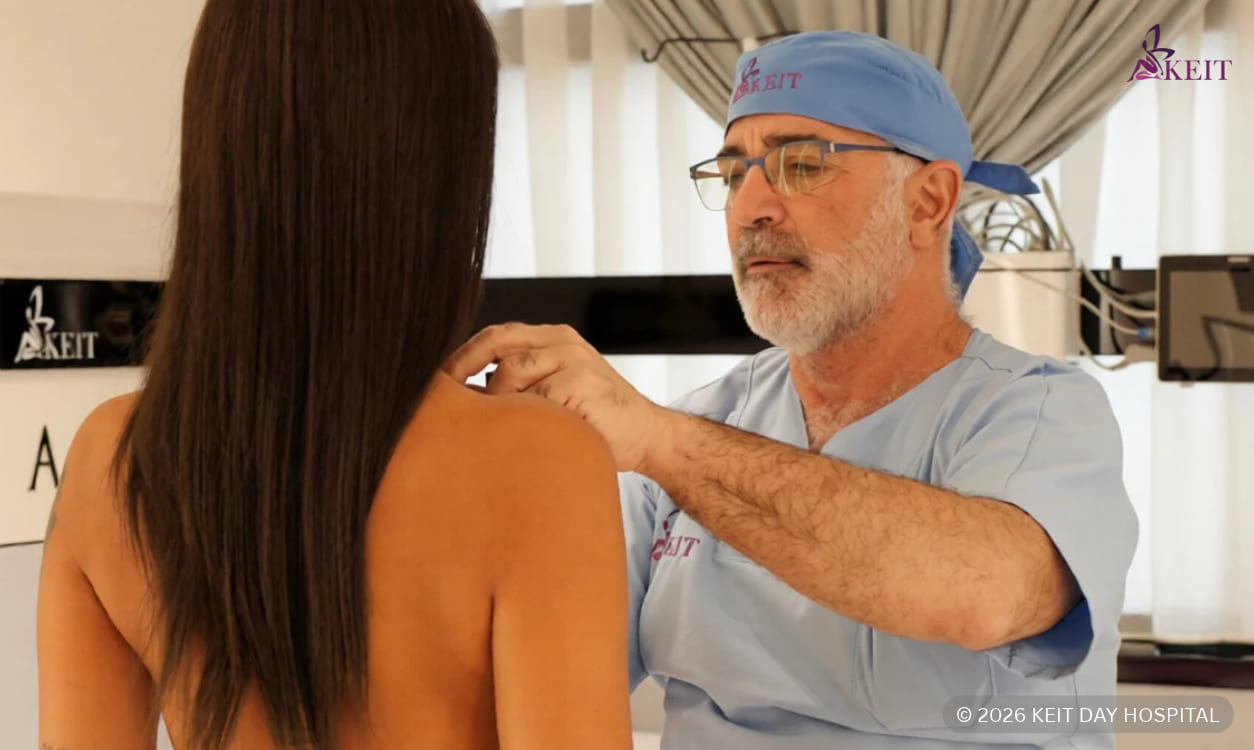
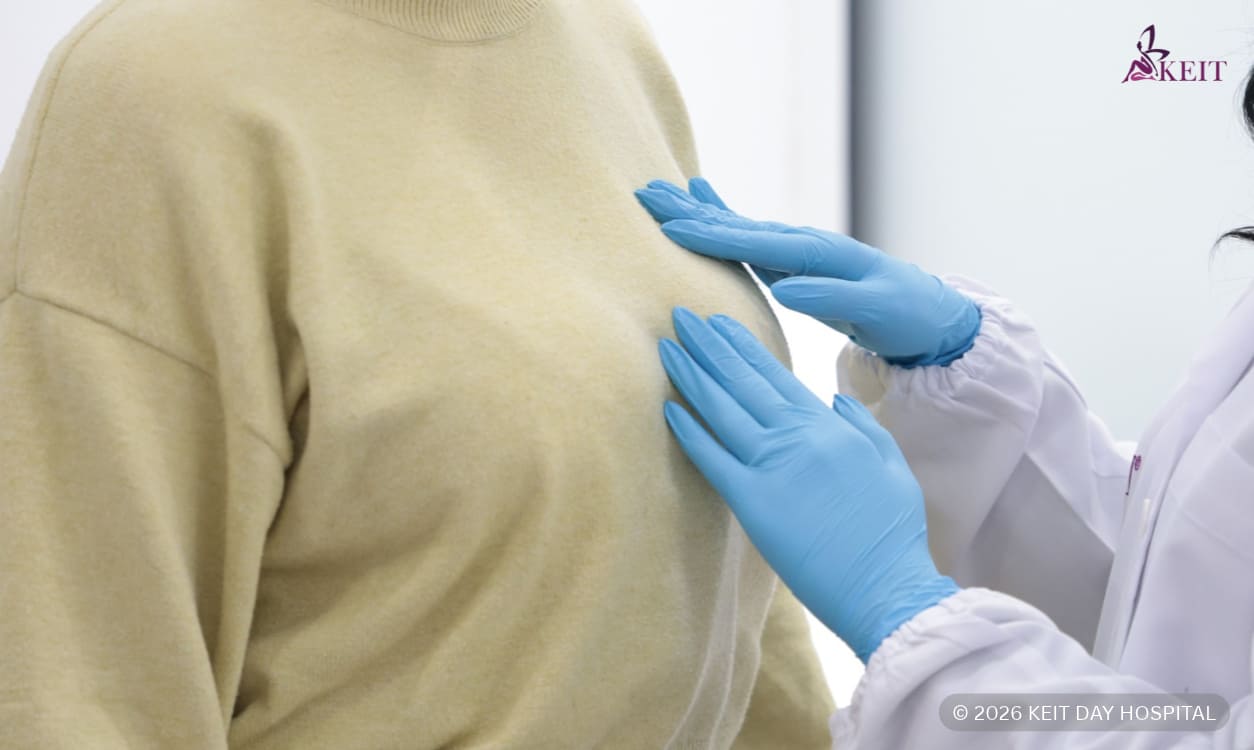
- Consultation and assessment: The journey begins with a thorough evaluation of breast shape, skin quality, tissue availability and overall health.
- Medical evaluation: Includes blood tests, ECG, cardiologist and anesthesiologist consultations and any additional imaging needed.
- Pre-operative preparation: Instructions on fasting, medication restrictions, hygiene protocols, and lifestyle recommendations are provided to optimize safety and recovery.
- Procedure day: Surgery lasts 2–4 hours depending on the technique. General totally intravenous anesthesia ensures complete comfort. Special drains may be placed if necessary and a light dressing supports early healing.
Breast reconstruction after mastectomy: The recovery timeline
Recovery is gradual, with results improving over several months:
- Days 1–3: Mild swelling, bruising, or tightness. Patients can resume light activities within 48–72 hours.
- Week 1: Bruising diminishes and stitches may be removed if non-absorbable.
- Weeks 2–4: Swelling continues to improve and most patients return to routine activities.
- Months 2–3: The breast contour refines, scars soften and symmetry becomes more apparent.
- Final results: The reconstructed breast appears natural, symmetrical and long-lasting, with full healing typically achieved 4–6 months after surgery.
Potential risks: What to consider before breast reconstruction operation
While breast reconstruction is generally safe when performed by experienced surgeons, potential effects include:
- Common effects: Temporary swelling, bruising, tightness and mild discomfort.
- Specific risks: Hematoma, delayed wound healing, or minor contour irregularities.
- Rare risks: Infection, significant asymmetry, or prolonged sensitivity in the breast area.
Following post-operative instructions and attending scheduled follow-ups ensures smooth healing and optimal results.
Choosing the right clinic for your breast reconstruction
Selecting a certified surgical center is essential for achieving natural, long-lasting results. Look for:
- Surgeons specialised in breast reconstruction and anatomy.
- Modern operating rooms with European-standard safety protocols.
- Transparent, no-intermediary service and comprehensive patient support.
- Verified before and after results.
KEIT Day Hospital: Structured care for breast reconstruction
KEIT Day Hospital in Albania is one of Europe’s leading centers for advanced breast reconstruction. All procedures are performed by highly specialized Italian surgeons using general totally intravenous anesthesia, ensuring smooth awakening, minimal nausea and optimal comfort.
Breast reconstruction at KEIT ranges from 2,900 up to 4,100 euro and follows a structured and personalised approach, with comprehensive support from consultation through care. The all-inclusive package provides airport transfers, accommodation at our KEIT hotel and multilingual assistance. Patients benefit from both in-hospital and online follow-ups and the official KEIT Guarantee Certificate. With over 23,000 successful procedures and more than 11,000 verified reviews, KEIT is recognised as one of Europe’s safest and most trusted destinations for breast reconstruction surgery.