Published on:
 Modified on:

 Reading Time: 6 min
 Breast augmentation
Breast asymmetry is a difference between the breasts in size, shape, volume, position, or nipple-areola alignment. Mild asymmetry is common and usually normal, but a new or significant change may require medical assessment. Treatment depends on the cause and can range from observation to breast asymmetry correction surgery.
 Table of Contents:
-
1
 What is breast asymmetry?
-
2
Why is one breast bigger than the other? Causes of breast asymmetry
-
3
Is breast asymmetry normal?
-
4
Can breast asymmetry develop suddenly?
-
5
When should uneven breasts be assessed by a specialist?
-
6
How is breast asymmetry diagnosed?
-
7
Breast asymmetry correction: what surgical options are available?
-
8
Breast asymmetry surgery: recovery timeline and results
-
9
How is the right treatment for breast asymmetry chosen?
In this article, we explain what breast asymmetry is, what causes uneven breasts, when it is normal, and when it should be assessed by a specialist. We also cover diagnosis, surgical correction options, recovery, results, and how the most appropriate treatment plan is chosen.
What is breast asymmetry?
Breast asymmetry is a difference between the two breasts in size, shape, position, volume, or nipple-areola alignment. It can involve one breast appearing larger, lower, more projected, or shaped differently than the other. It may also affect nipple position, areola size, or the degree of breast sagging.
Mild asymmetrical breasts are common and usually require no treatment. Correction is considered when the difference is clearly visible, affects clothing fit, causes discomfort, or creates personal concern.
Why is one breast bigger than the other? Causes of breast asymmetry
One breast can be bigger than the other when breast tissue, fat distribution, skin elasticity, or chest wall structure develops differently on each side. Common causes include:
- Puberty: Breast development can occur unevenly, with one side growing earlier or more than the other.
- Natural anatomy: Genetics, ribcage shape, posture, and breast tissue distribution can create visible asymmetry.
- Hormonal changes: Menstrual cycles, pregnancy, breastfeeding, and menopause can affect breast volume and firmness.
- Weight changes: Weight gain or loss can alter breast size, sometimes more noticeably on one side.
- Breastfeeding: Differences in milk production, breast fullness, or feeding preference can make asymmetry more visible.
- Ageing and skin laxity: One breast can lose volume or sit lower as skin and breast support change over time.
- Previous surgery, trauma, or medical conditions: These can change breast shape, position, or volume.
Is breast asymmetry normal?
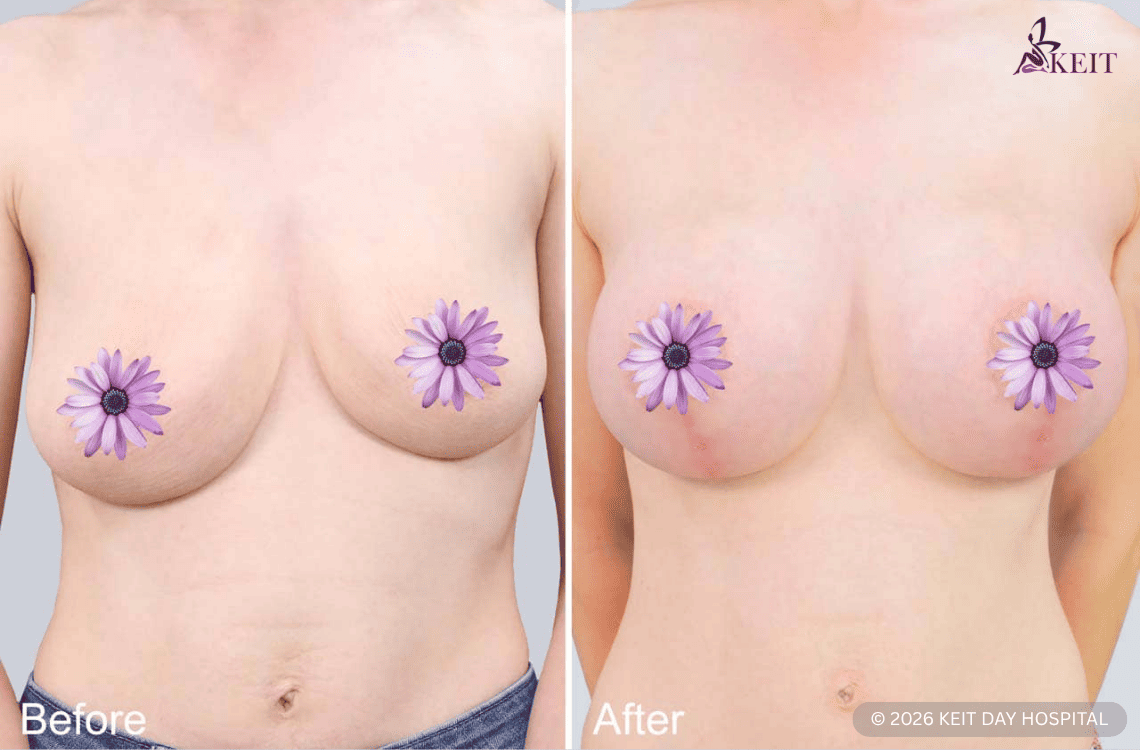
Breast asymmetry is normal when the difference is mild, stable, and not linked to new breast changes. Small differences in breast size or shape are common and often become more noticeable during hormonal or body changes, such as puberty, pregnancy, breastfeeding, weight fluctuation, or ageing.
Asymmetry becomes more clinically relevant when it appears suddenly, worsens over time, or occurs with a lump, skin dimpling, nipple discharge, redness, swelling, or persistent pain. In these cases, uneven breasts should be assessed by a specialist.
Book your FREE
Online Consultation Now

Can breast asymmetry develop suddenly?
Sudden breast asymmetry can occur, but it should be assessed when the change is new, one-sided, painful, or associated with skin or nipple changes. A sudden change may be linked to hormonal fluctuation, cysts, inflammation, infection, trauma, breastfeeding changes, or a benign breast condition. Less commonly, a new change in size or shape can indicate a more serious breast condition.
Medical review is important if one breast becomes larger quickly or if the change does not settle, because examination and imaging may be needed to identify the cause.
When should uneven breasts be assessed by a specialist?
Uneven breasts should be assessed if the asymmetry is new, worsening, painful, or associated with changes in the breast, nipple, or skin. See a specialist if you notice:
- A new lump in the breast or armpit.
- A sudden change in breast size or shape.
- Skin dimpling, redness, thickening, or puckering.
- Nipple inversion, discharge, bleeding, or direction change.
- Persistent breast or armpit pain.
- Rapid enlargement of one breast.
- Asymmetry that affects comfort, posture, clothing fit, or daily life.
Breast changes are often benign, but early assessment is important when symptoms are new or unusual.
How is breast asymmetry diagnosed?
Breast asymmetry is diagnosed through clinical examination, breast measurements, medical history, and imaging when needed. Assessment may include:
- Clinical examination: The breasts are examined for differences in size, shape, position, skin quality, nipple-areola alignment, and the presence of lumps or tenderness.
- Medical history: The specialist reviews when the asymmetry started, whether it has changed, and any history of puberty changes, pregnancy, breastfeeding, weight fluctuation, trauma, or previous breast surgery.
- Breast measurements: Measurements help assess volume difference, nipple height, breast fold position, projection, and the degree of sagging.
- Imaging: Ultrasound, mammography, or MRI may be recommended if the asymmetry is new, painful, rapidly changing, or associated with a lump, skin change, or nipple change.
- Surgical planning: If treatment is being considered, the surgeon assesses breast volume, skin elasticity, chest wall shape, and whether one or both breasts need correction.
Mammography can detect breast changes before symptoms appear and is used when clinically appropriate.
Breast asymmetry correction: what surgical options are available?
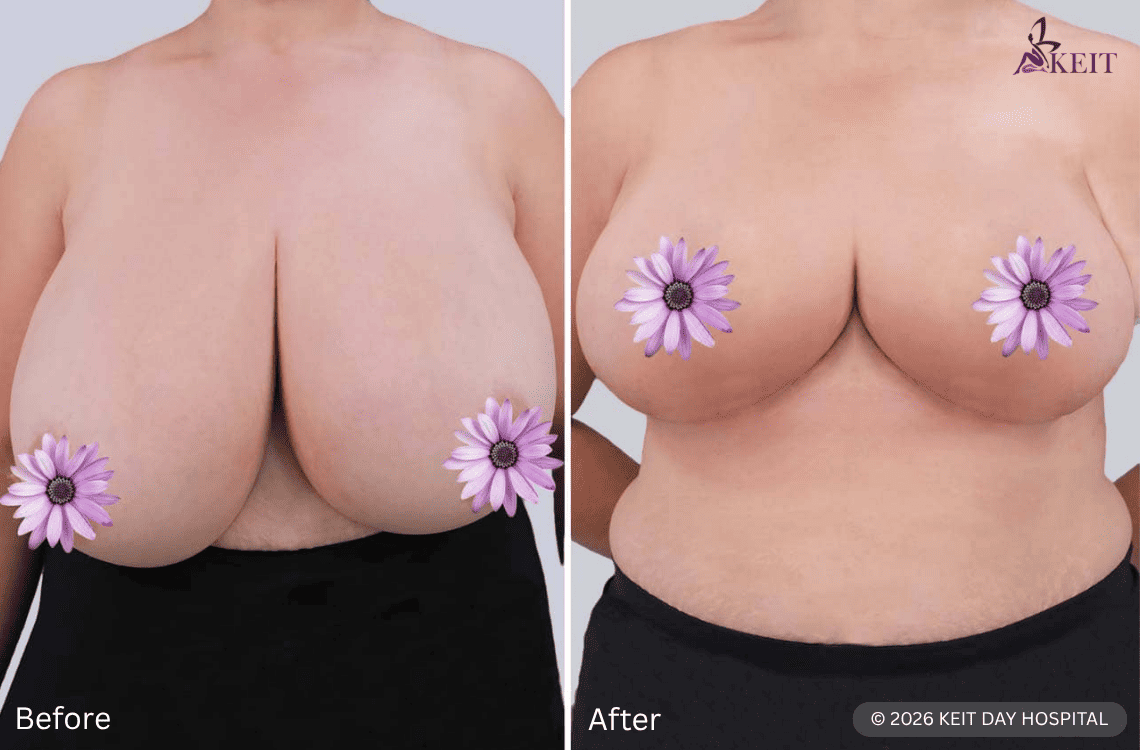
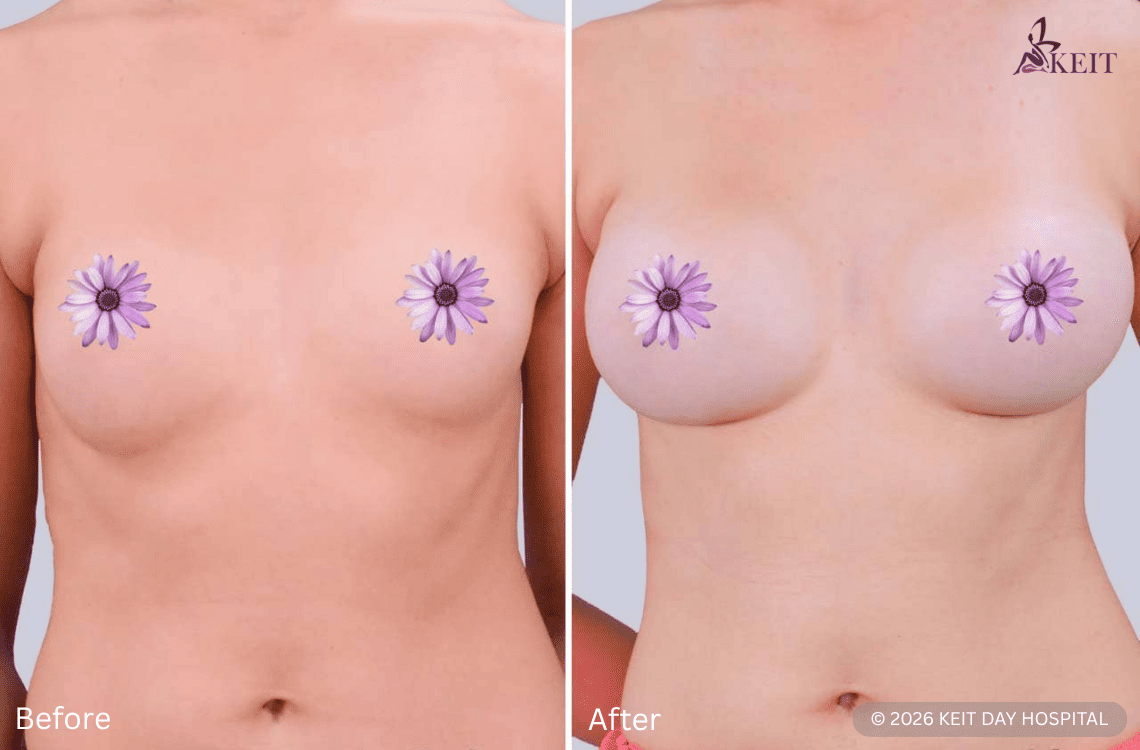
Breast asymmetry correction is planned according to whether the difference is mainly caused by breast volume, nipple position, sagging, or breast shape. Common surgical options include:
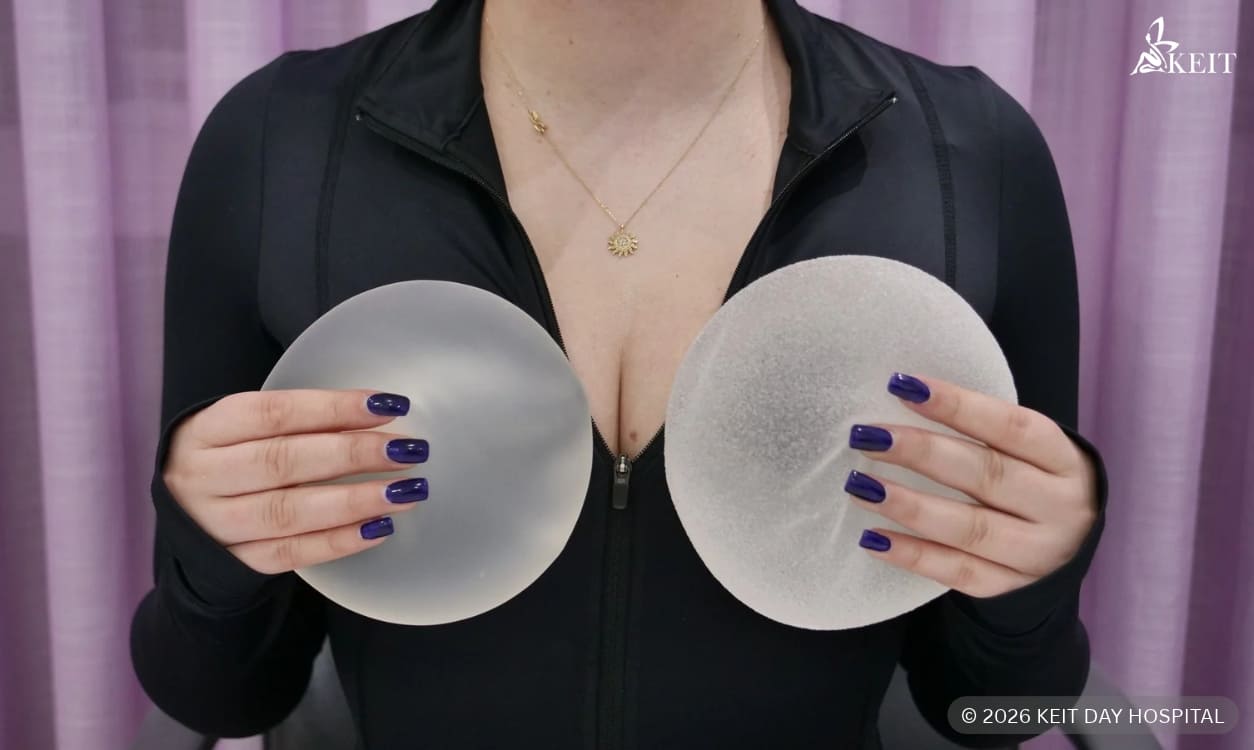
- Breast augmentation: Used when one breast is smaller and needs added volume, usually with an implant.
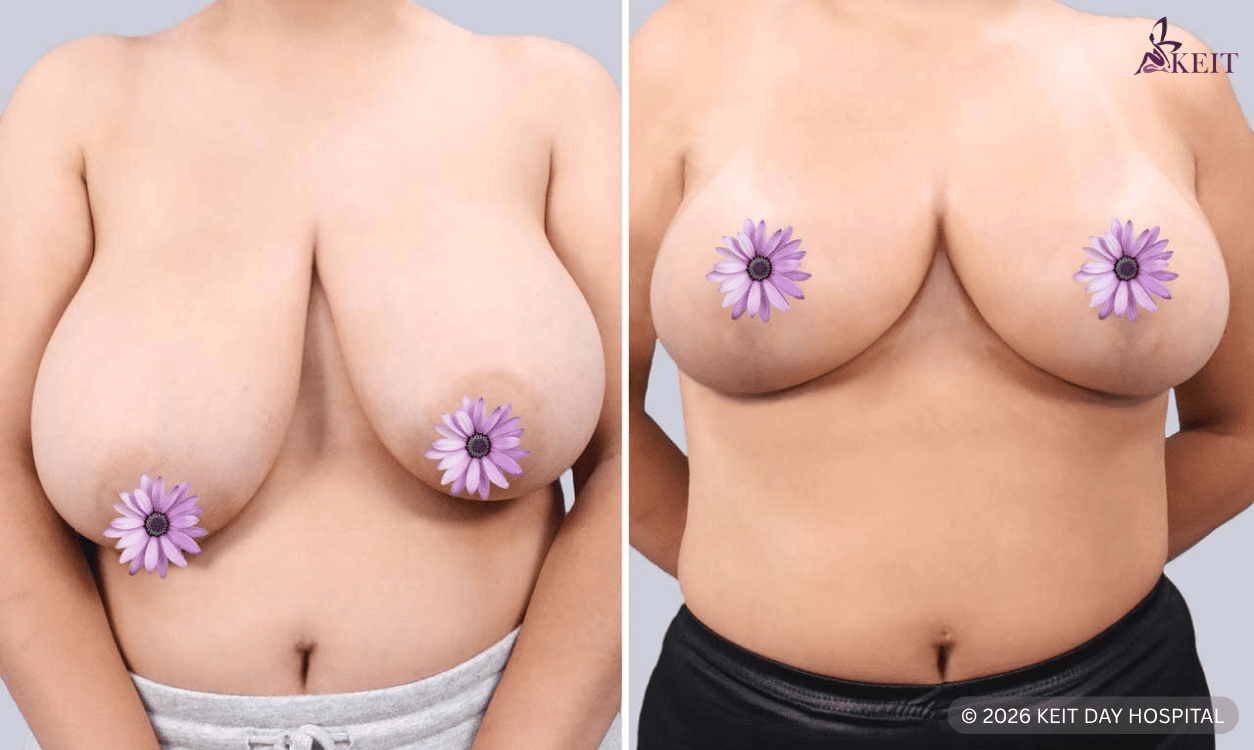
- Reduction mammoplasty (breast reduction): Reduces the larger breast to create better balance with the opposite side.
- Mastopexy (breast lift): Repositions a lower breast and improves nipple-areola height when asymmetry is related to sagging.
- Fat grafting (autologous fat transfer): Uses the patient’s own fat to correct mild volume differences or refine contour irregularities.
- Combined procedures: Some patients need different techniques on each breast, such as augmentation on one side and reduction or lift on the other.
The surgical plan depends on breast measurements, skin quality, nipple position, chest wall shape, and the patient’s desired result.
Breast asymmetry surgery: recovery timeline and results
Recovery after breast asymmetry surgery varies depending on the technique used, but healing usually follows a predictable pattern.
- Week 1: Swelling, bruising, tightness, and discomfort are expected. A surgical support bra may be recommended.
- Weeks 2–4: Most patients return to light daily activities, while swelling and sensitivity continue to improve.
- Weeks 4–6: Exercise and heavier activity may gradually resume if approved by the surgeon.
- Months 3–6: Breast shape, position, and softness continue to settle.
- 6–12 months: Scars mature gradually, and the final result becomes clearer.
Results focus on improving breast balance, volume, shape, nipple position, and overall proportion. Perfect symmetry is not realistic, but surgery can create a more balanced and natural breast appearance.
How is the right treatment for breast asymmetry chosen?
The right treatment for breast asymmetry is based on a detailed assessment of breast anatomy, the underlying cause of the asymmetry, and the patient’s treatment goals. The surgeon will consider:
- The type of asymmetry: Whether the main difference involves breast volume, shape, position, nipple-areola complex, or a combination of these factors.
- The degree of asymmetry: Mild differences may require a simpler approach, while more significant asymmetry may need combined procedures.
- Breast tissue and skin quality: Skin elasticity, breast density, and the degree of ptosis influence the surgical plan.
- Chest wall anatomy: Underlying differences in the ribcage or chest wall can affect breast position and the achievable result.
- Future pregnancy and weight changes: These factors may influence the timing and choice of treatment.
- Patient expectations: Desired breast size, acceptance of scars, implant preference, and aesthetic goals are considered during planning.