Published on:
 Modified on:

 Reading Time: 4 min
 Breast augmentation
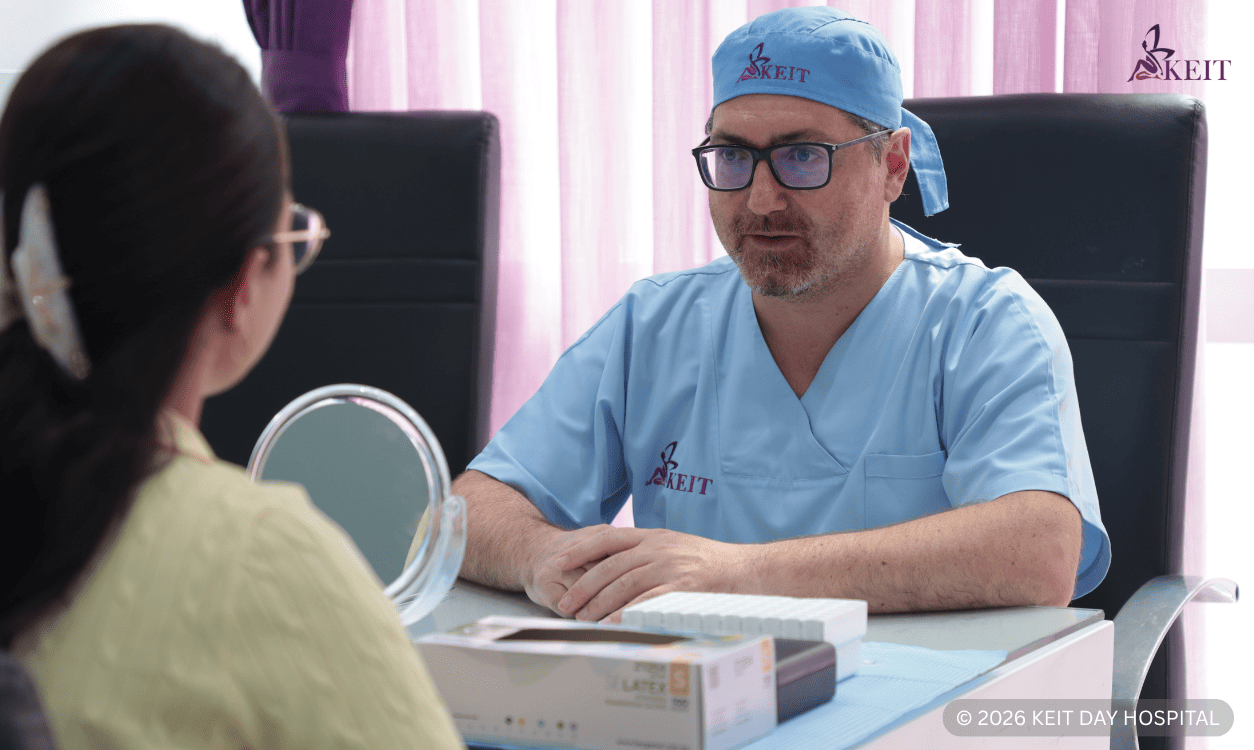
Breast surgery consultation is the first and most important step when considering procedures such as breast augmentation, breast lift, or breast reduction. It is a specialist appointment where the surgeon evaluates your breast anatomy, discusses your goals, and determines which treatment options are most suitable for your body and expectations.
 Table of Contents:

This article explains what happens during a breast surgery consultation, how to prepare for it, the key questions you should ask your surgeon, and how the consultation helps define your final surgical plan, including expected results, recovery, risks and costs.
Why a breast surgery consultation is so important before surgery
A breast surgery consultation is the key stage where your surgical plan is defined, and often the only point before surgery where you can actively influence the outcome. It is where options are explored, expectations are clarified, and the direction of your procedure is shaped before anything is finalised.
This step is vital because breast surgery is highly individual, with results depending on body proportions, breast tissue, and overall anatomy. The consultation ensures the chosen approach is appropriate for your body and that expectations are aligned with what can be safely and realistically achieved.
It also provides essential clarity before proceeding, allowing you to make a fully informed decision with a clear understanding of the procedure and expected outcome.

What happens during a breast surgery consultation
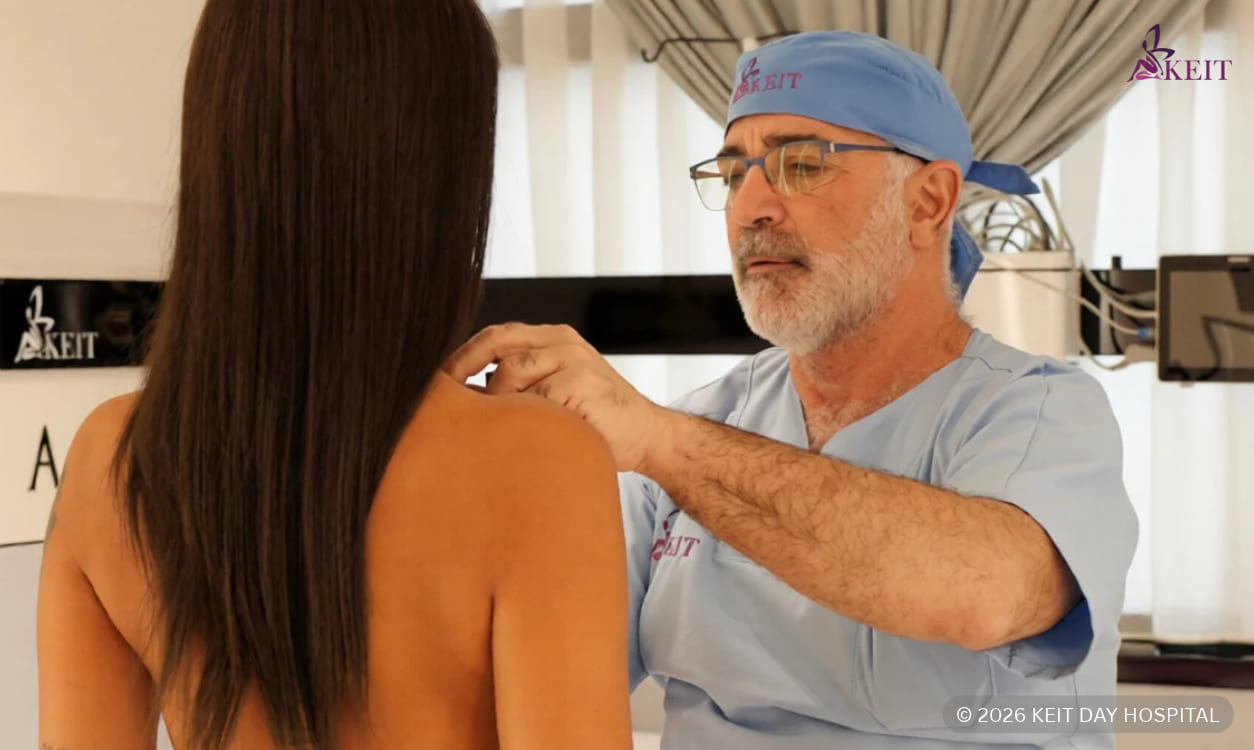
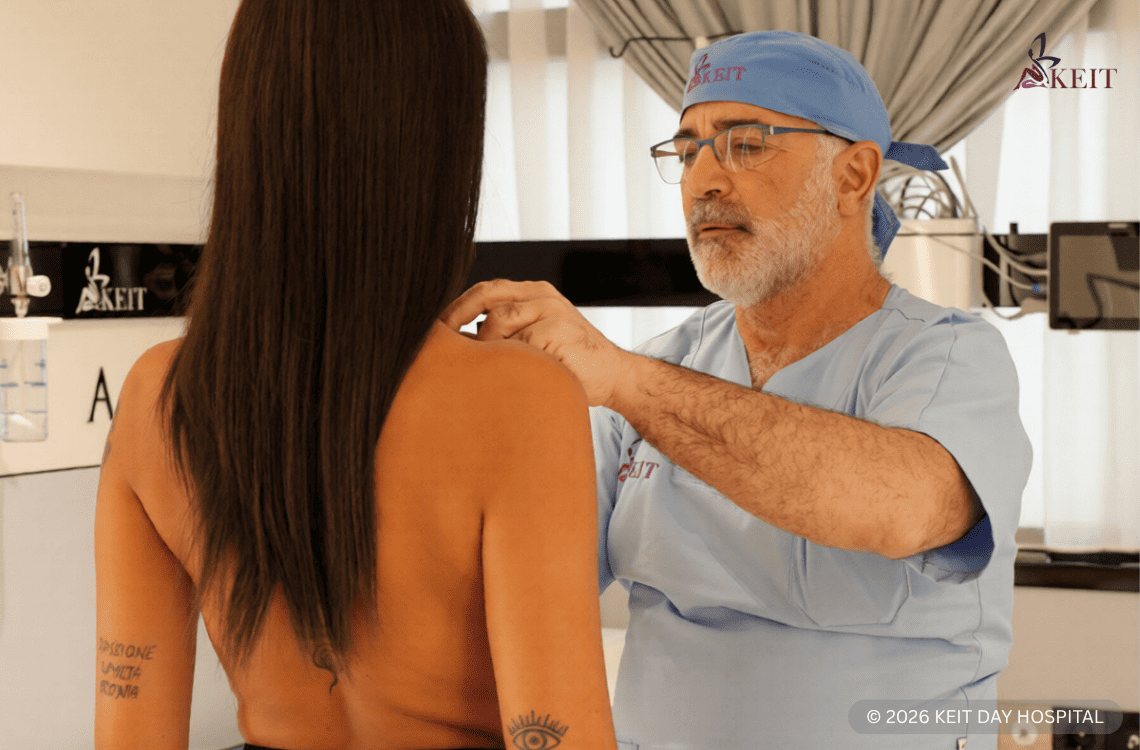
A breast surgery consultation involves a structured clinical assessment alongside a detailed discussion about your goals. It is used to understand your anatomy, review possible procedures, and determine the most suitable surgical approach.
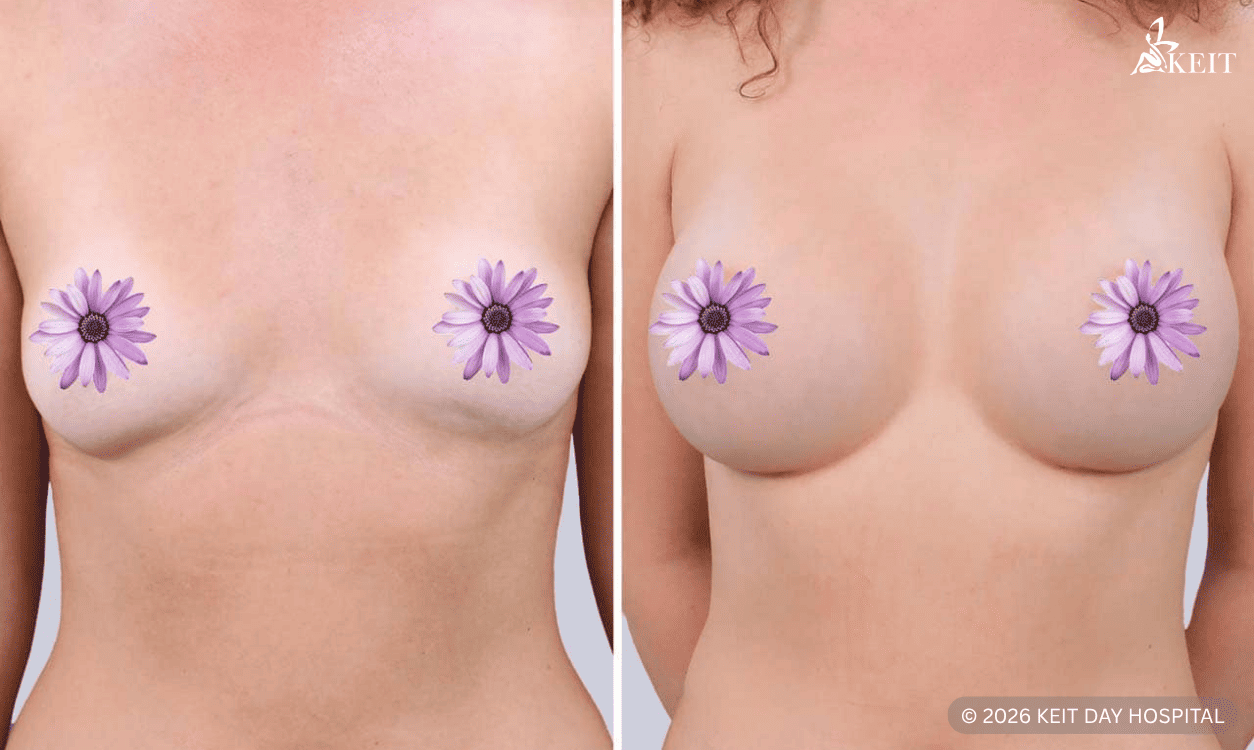
During the appointment, your breast shape, symmetry, skin quality, and overall proportions are typically assessed to help guide treatment planning. This allows the surgeon to understand your natural starting point and how different techniques may influence the final result.
The consultation also includes a discussion of suitable surgical options, which may include breast augmentation, breast lift, or breast reduction. In some cases, a combination of procedures may be recommended, such as a breast lift with implants, depending on your anatomy and desired outcome.
What your surgeon will assess
During a breast surgery consultation, several key factors are evaluated to understand your anatomy and help determine the most suitable surgical approach, including:
- Breast shape and symmetry: to identify differences in size, position, or overall balance.
- Skin quality and elasticity: which influences how the breast will respond to surgery and reshape over time.
- Breast tissue volume: to assess how much natural tissue is present and how it affects potential results.
- Chest proportions: including ribcage width and overall body balance.
- Nipple position: to determine whether repositioning may be needed for a natural final result.
These factors help guide whether breast augmentation, breast lift, breast reduction, or a combination procedure is most appropriate for achieving a balanced and natural outcome.

Questions you should ask your surgeon
Asking the right questions during your consultation helps you better understand the procedure, expected results, and overall treatment plan before making a decision. Some useful questions include:
- Am I a suitable candidate for breast surgery?
- Which procedure would best achieve my goals: augmentation, lift, or reduction?
- Would I benefit from a combination procedure such as a breast lift with implants?
- What results can I realistically expect based on my anatomy?
- What are the main risks or complications?
- Where will the incisions be placed, and will scars be visible?
- How long is the recovery process and when can I return to normal activities?
- What type of implants or techniques do you recommend (if applicable)?
- How long do results typically last?
- What is included in the total cost, and are there any additional or hidden fees?
- What happens if I want changes or revision surgery in the future?
Results, risks and recovery explanation
Your consultation should give you a realistic understanding of what to expect after breast surgery, including recovery, risks, and how results develop over time.
Your surgeon should clearly explain:
- Swelling and discomfort: how long swelling, tightness, or soreness may last and when improvement is expected.
- Returning to daily activities: when you can safely resume work and normal routines.
- Exercise: when physical activity and training can usually be restarted.
- Follow-up appointments: how healing will be monitored during recovery.
- Advisory during healing: general guidance on protecting the chest during early recovery, such as sleeping positions, avoiding. unnecessary pressure, and following post-operative instructions.
- Final results: when the final breast shape and outcome are typically visible.
You should also be informed about possible risks, such as scarring, changes in sensation, asymmetry, infection, or the potential need for revision surgery. This helps ensure you have a clear and realistic understanding before moving forward.
Breast surgery cost and planning before treatment
Before proceeding with surgery, you should have a clear understanding of the cost of a breast job, the full treatment plan, and any associated fees. Pricing can vary depending on the type of procedure, surgical complexity, and whether a single procedure or a combination approach is required.
Your consultation should clarify:
- Total cost: the full price of the procedure.
- What is included: surgical fees, anaesthesia, clinic costs, and follow-up care.
- Procedure plan: whether breast augmentation, breast lift, breast reduction, or a combination approach is recommended.
- Additional costs: whether any extra procedures or revisions could affect pricing.
- Payment options: available financing or staged payment plans, if offered.
Clear cost planning ensures there are no unexpected expenses and allows you to make an informed decision before moving forward with surgery.