Published on:

 Reading Time: 6 min
 Breast augmentation
, often referred to as a boob job, is a surgical procedure designed to enhance breast size and shape using implants. It is commonly chosen by individuals who want to increase volume, improve symmetry, or restore breast fullness that may have changed after weight loss, pregnancy, or natural development differences. The goal is to achieve a more balanced and proportionate chest shape that better aligns with the body.
 Table of Contents:
-
1
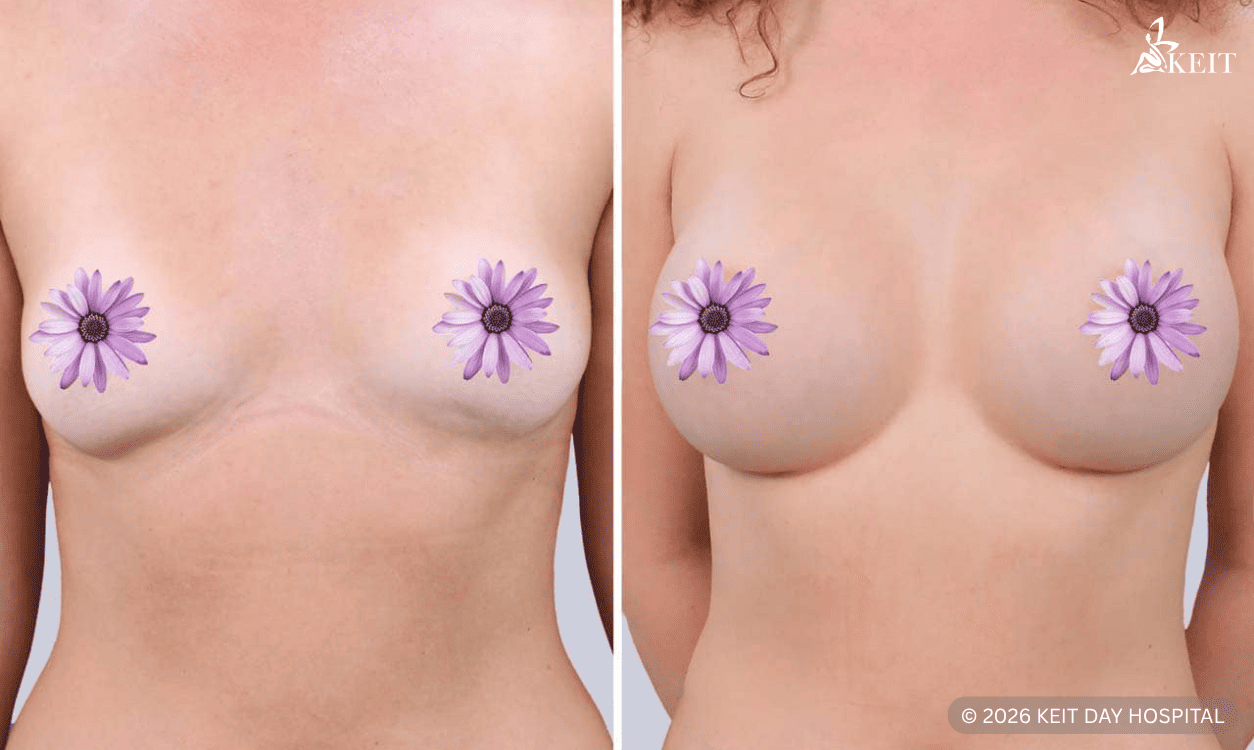
 Breast augmentation before and after: Shape, volume and visible changes
-
2
What breast implants feel like after surgery
-
3
Breast implant types and their typical results
-
4
Breast augmentation results timeline
-
5
Breast augmentation recovery: What to expect
-
6
Scars after breast augmentation
-
7
How long breast implants last and what to expect over time
-
8
Can breast implants look natural?
-
9
When to contact your surgeon after breast augmentation
This article explains breast augmentation before and after results, including how breast size, shape, and projection change after surgery, what patients can expect during recovery, how results develop over time, and the typical stages of healing before final outcomes are achieved.
Breast augmentation before and after: Shape, volume and visible changes
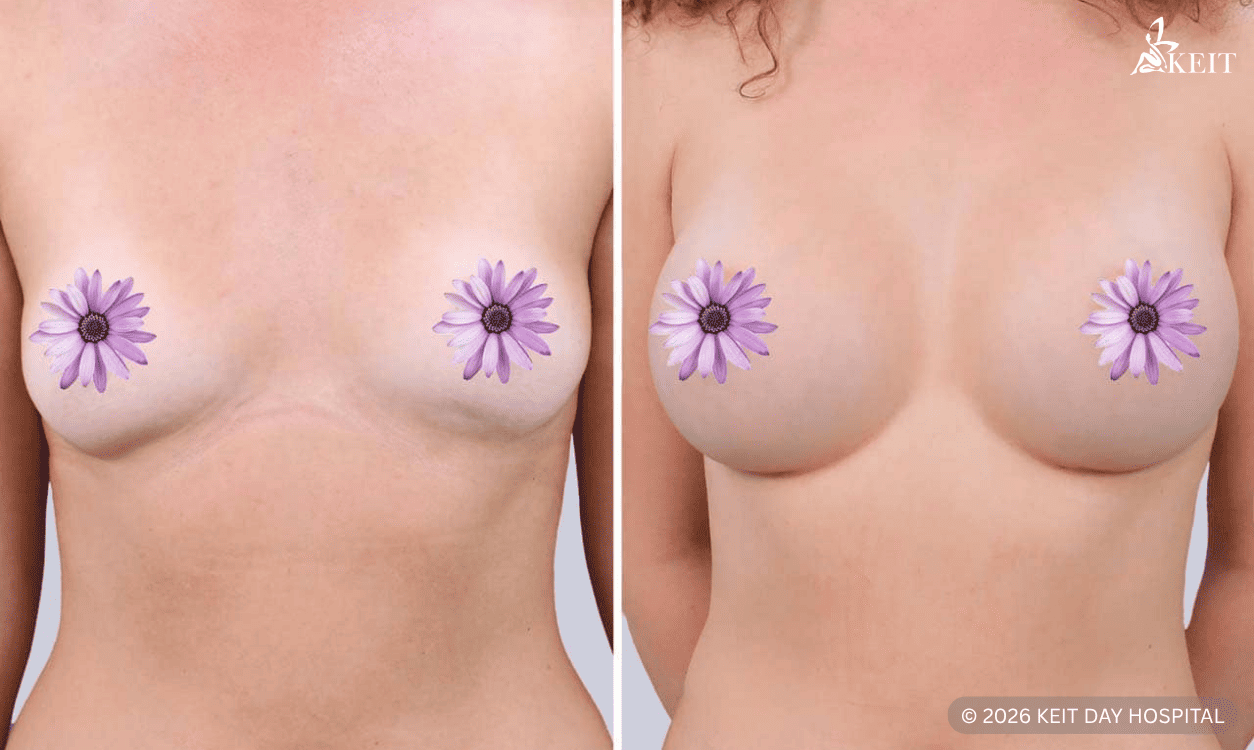
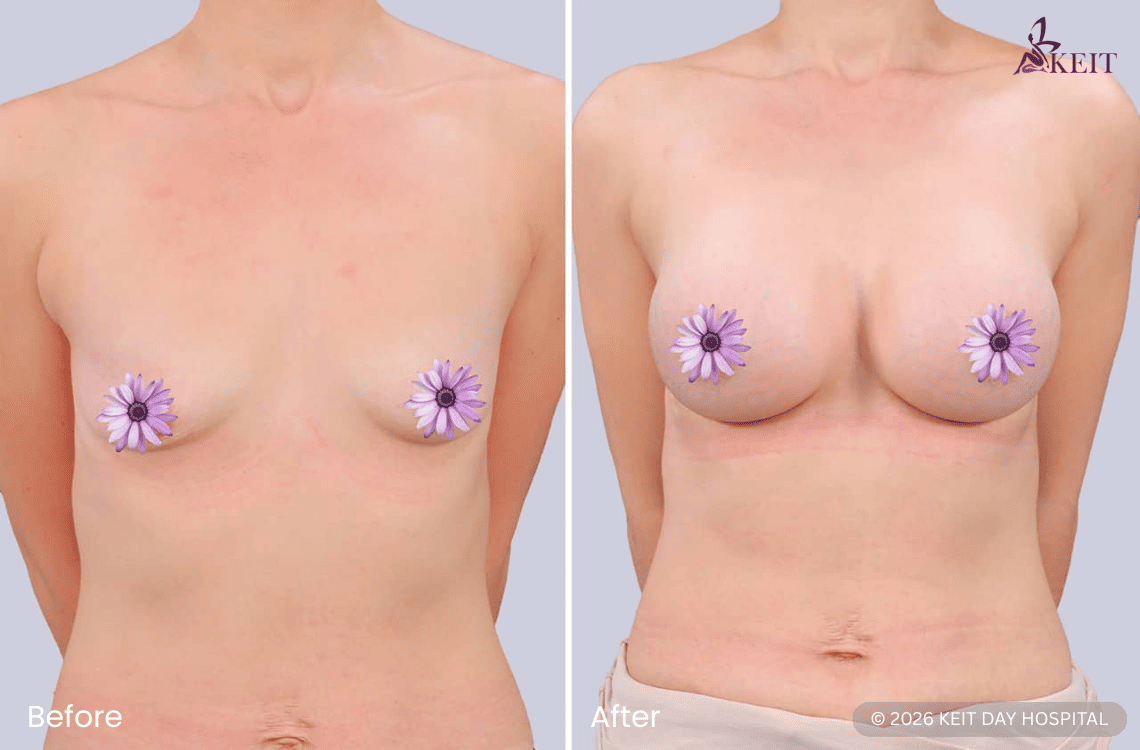
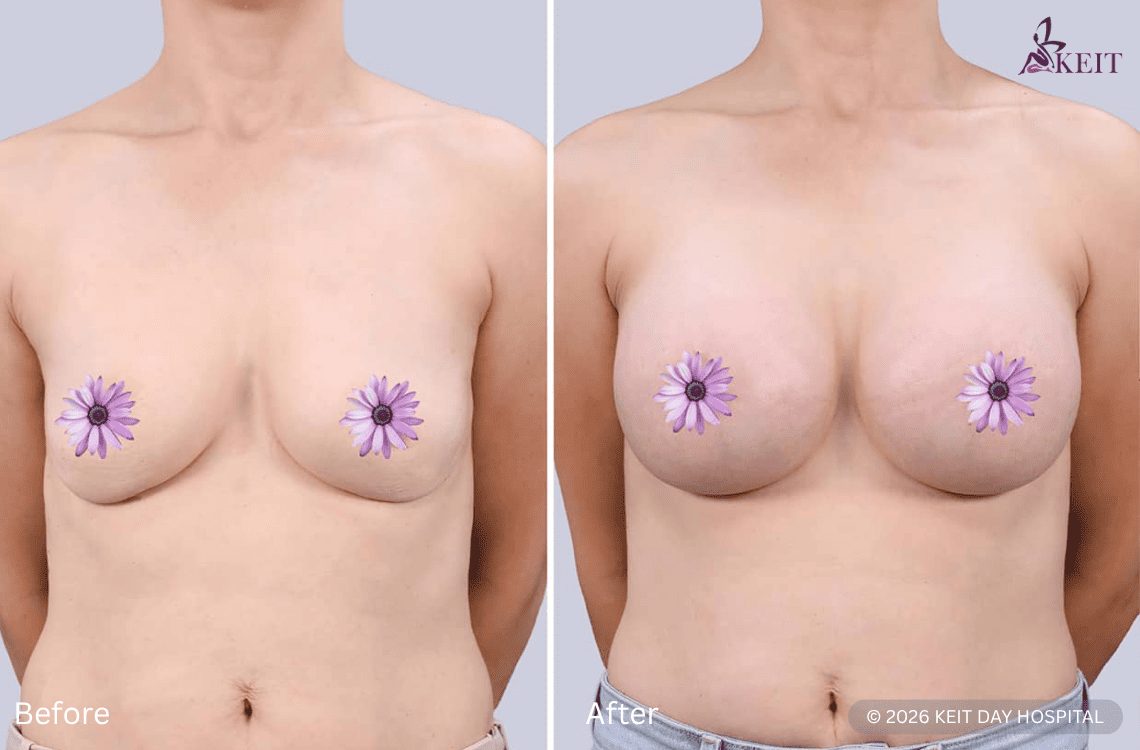
Breast augmentation before and after results are most clearly seen in the overall change in breast size, shape, and proportion. Before surgery, the breasts may appear smaller, less full, or asymmetrical, which can affect body balance and clothing fit. After surgery, implants increase overall volume and create a fuller, more rounded breast shape that is better proportioned to the body.
The most noticeable changes include increased breast size, improved upper fullness, and enhanced cleavage definition. In many cases, symmetry between the breasts is also improved, creating a more balanced and natural-looking chest contour. Overall, breast augmentation before and after results typically show a fuller silhouette and a more proportionate body shape.
What breast implants feel like after surgery
In the early stages after breast augmentation, it is common for the chest to feel tight, firm, and slightly restricted as the skin and tissues adjust to the new volume. Some patients describe a sensation of pressure or stretching, especially in the first few weeks while swelling is still present.
As healing progresses, the breasts gradually soften and become more natural in movement and feel. Over time, most patients report that they feel more comfortable and “part of the body,” although they may always feel slightly firmer than natural breast tissue depending on implant type and placement. Sensation changes, sensitivity, and tightness typically improve as the tissues settle over several months.
Breast implant types and their typical results
Different types of breast implants can create slightly different experiences in terms of shape, feel, and how naturally the breasts settle over time. The choice usually depends on body shape, desired outcome, and how natural or enhanced the final result should look and feel.
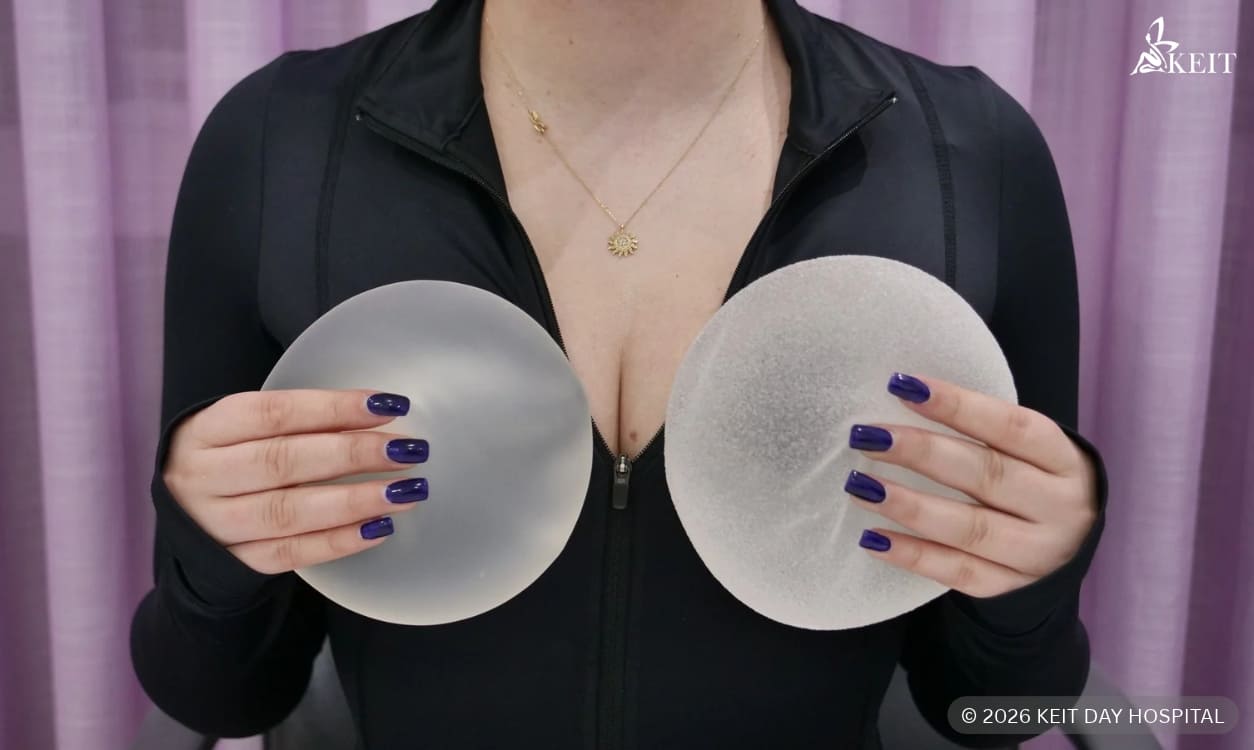
- Silicone implants: often described as feeling softer and more natural once fully healed. They tend to move in a way that closely resembles natural breast tissue and are commonly chosen for a more subtle, realistic result.
- Saline implants: filled with sterile fluid, they can feel slightly firmer in some cases and may feel more structured depending on natural tissue coverage.
- Round vs teardrop shape: round implants create a fuller upper breast appearance, while teardrop implants follow a more natural slope. Over time, both adapt to the body, depending on tissue coverage and placement.
Breast augmentation results timeline
Breast augmentation results develop gradually as the body heals and the implants begin to settle into their final position. While changes are visible early on, the shape and feel continue to evolve over several months.
- Immediately after surgery: the breasts often appear higher, firmer, and more swollen than the final result, with tightness and limited natural movement due to early healing.
- Weeks 1–2: swelling and tightness are still present, and the implants may sit slightly higher on the chest as the tissues begin to adjust.
- Weeks 3–8: the breasts start to soften and settle, with more natural movement and a gradual improvement in shape and symmetry.
- 3–6 months: most of the “drop and settle” process occurs, and the breasts begin to look and feel closer to the final result.
- 6–12 months: final breast augmentation before and after results are typically visible, with fully settled shape, softened tissues, and a stable long-term contour.

Breast augmentation recovery: What to expect
Breast augmentation recovery involves a short initial healing phase followed by several weeks of gradual adjustment as the body adapts to the implants. Most patients notice the biggest changes in comfort, swelling, and movement during the first few weeks.
- Pain and tightness: mild to moderate tightness is common in the first days after surgery, gradually improving as swelling reduces and the chest begins to relax.
- Sleeping position: patients are usually advised to sleep on their back with the upper body slightly elevated to reduce swelling and support healing during the early stages.
- Daily activity: light movement is usually encouraged early on, while most patients return to non-strenuous work within about a week, depending on recovery progress.
- Exercise: higher-impact activity and chest-focused workouts are typically restricted for around 4–6 weeks to allow proper healing and implant stability.
- Settling process: over time, the implants gradually soften and drop into a more natural position, which continues for several months as final shape develops.
Scars after breast augmentation
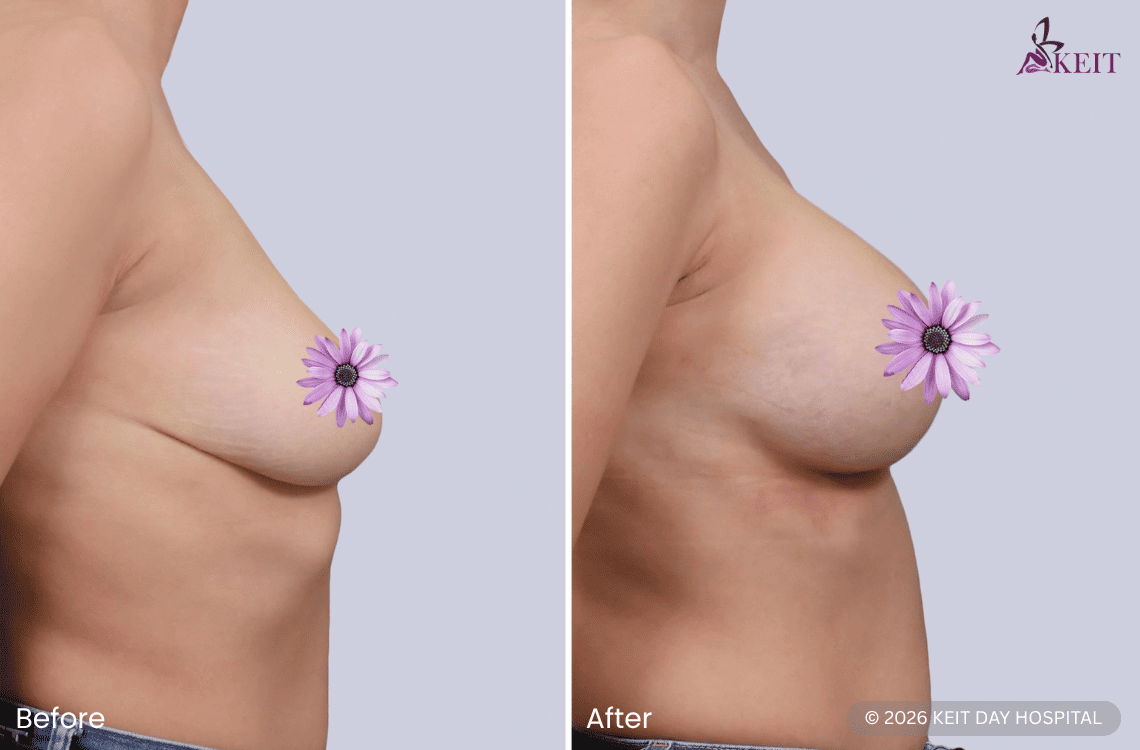
Scars after breast augmentation are usually small and strategically placed to be as discreet as possible. The exact location depends on the surgical technique and individual anatomy, but all approaches aim to minimise visible scarring.
- Under the breast fold (inframammary incision): the most common method, where the scar is hidden in the natural crease beneath the breast.
- Around the areola (periareolar incision): placed along the edge of the areola to blend with the natural colour transition.
- Underarm (transaxillary incision): a less common approach where the incision is hidden in the armpit, leaving no scar on the breast itself.
Over time, scars typically fade, flatten, and become less visible, continuing to improve for up to 6–12 months depending on healing and skin type.
How long breast implants last and what to expect over time
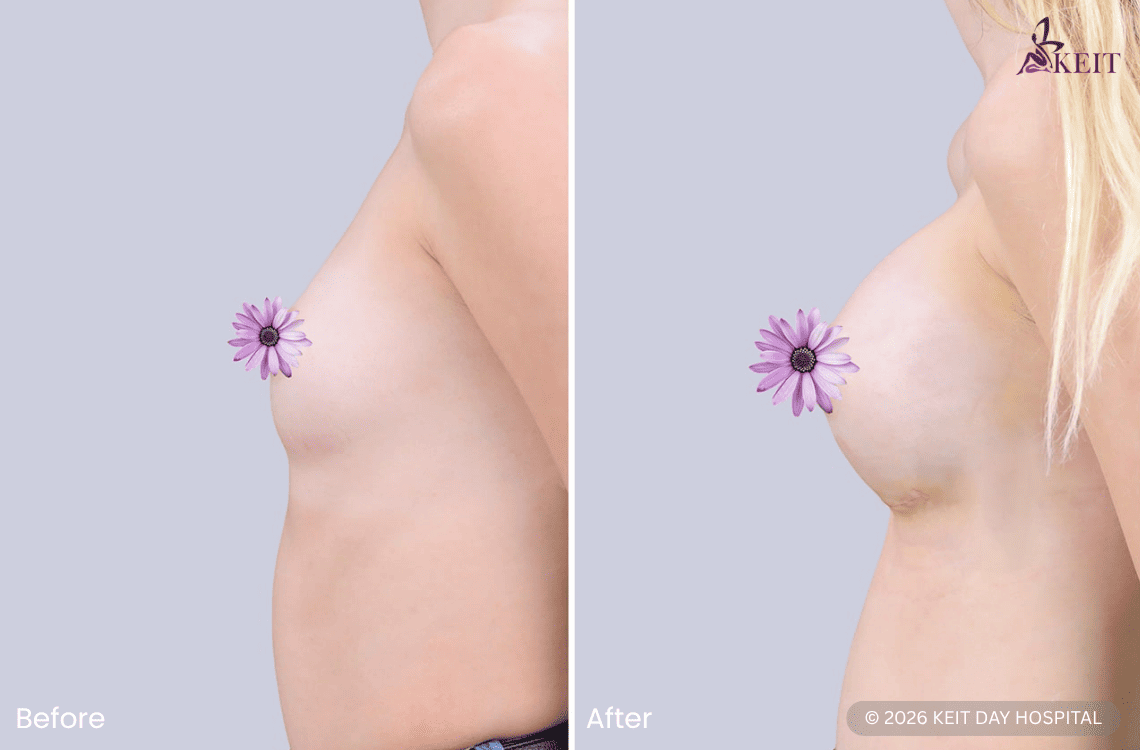
Breast implants are designed to be long-lasting and, in many cases, can remain in place for 10–20 years or longer without the need for replacement. They do not have a fixed expiry date, and many patients never require revision surgery unless a specific issue or change develops over time.
Over the long term, results can be influenced by natural changes in the body such as ageing, weight fluctuations, pregnancy, or changes in skin elasticity. While implants themselves do not “wear out” quickly, the breast tissue around them may change, which can affect overall shape or position. In some cases, patients choose revision surgery for aesthetic updates rather than medical necessity, but for most, results remain consistent for many years.
Can breast implants look natural?
Breast implants can look very natural when the size, shape, and placement are carefully matched to the patient’s body proportions. The final result depends less on the implant itself and more on how well it integrates with the existing breast tissue and chest frame.
Factors such as implant size, type, placement (above or below the muscle), and the amount of natural tissue coverage all influence how natural the outcome appears. When appropriately selected and placed, implants typically move and settle in a way that creates a balanced, proportionate result rather than an artificial look.
When to contact your surgeon after breast augmentation
It is important to monitor your recovery after breast augmentation to ensure healing is progressing normally. While some swelling, tightness, and mild discomfort are expected in the early stages, certain symptoms require medical attention.
You should seek medical help if you experience:
- Increasing pain that worsens instead of improving: persistent or escalating pain rather than gradual improvement.
- Excessive or one-sided swelling: noticeable difference in size, firmness, or swelling between breasts.
- Redness, warmth, or discharge: signs that may indicate infection around the incision area.
- Fever or raised temperature: an elevated body temperature during recovery.
- Sudden changes in breast shape: unexpected changes in contour, position, or symmetry.
- Fluid buildup under the skin: swelling that feels uneven, tight, or fluid-like.